
From Neonatal to Geriatric: Why Different Hospital Departments Require Custom-Sized Medical Wristbands
Why One Size Does Not Fit All in Patient Identification
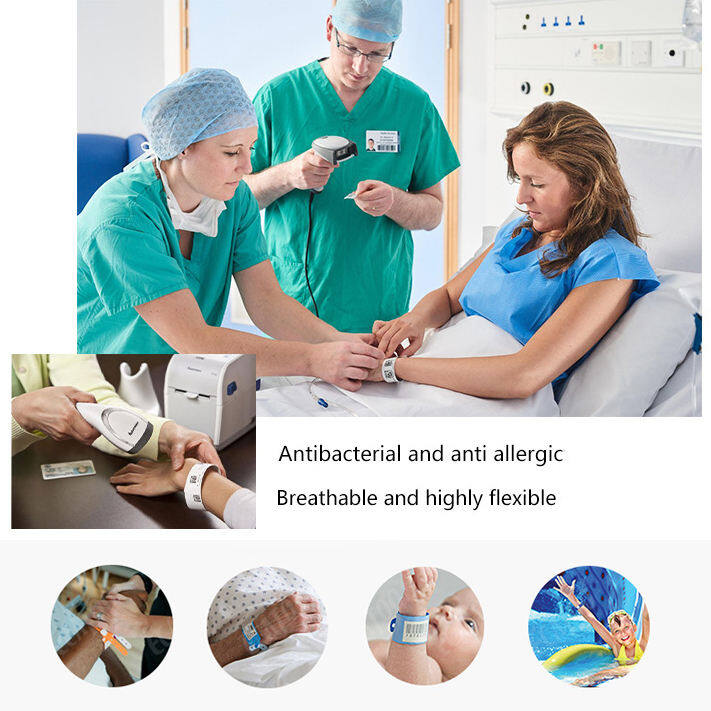
In any hospital, patient identification is the first line of defense against medical errors. Yet many facilities still rely on a single wristband size across all departments — from the NICU to the geriatric ward. This one-size-fits-all approach creates real risks: bands that are too loose can slip off or be removed by confused patients, while bands that are too tight can restrict circulation or cause skin damage.
The truth is that different hospital departments serve patients with vastly different physical needs. A premature infant weighing 800 grams has a wrist circumference of roughly 3–4 cm, while an elderly patient with edema may measure over 25 cm. Using the same wristband for both is not just uncomfortable — it is unsafe.
This article breaks down why custom-sized medical wristbands matter for each major hospital department, what specifications to look for, and how to implement a department-specific wristband program that actually works on the floor.
Neonatal Wristbands: Protecting the Most Vulnerable Patients
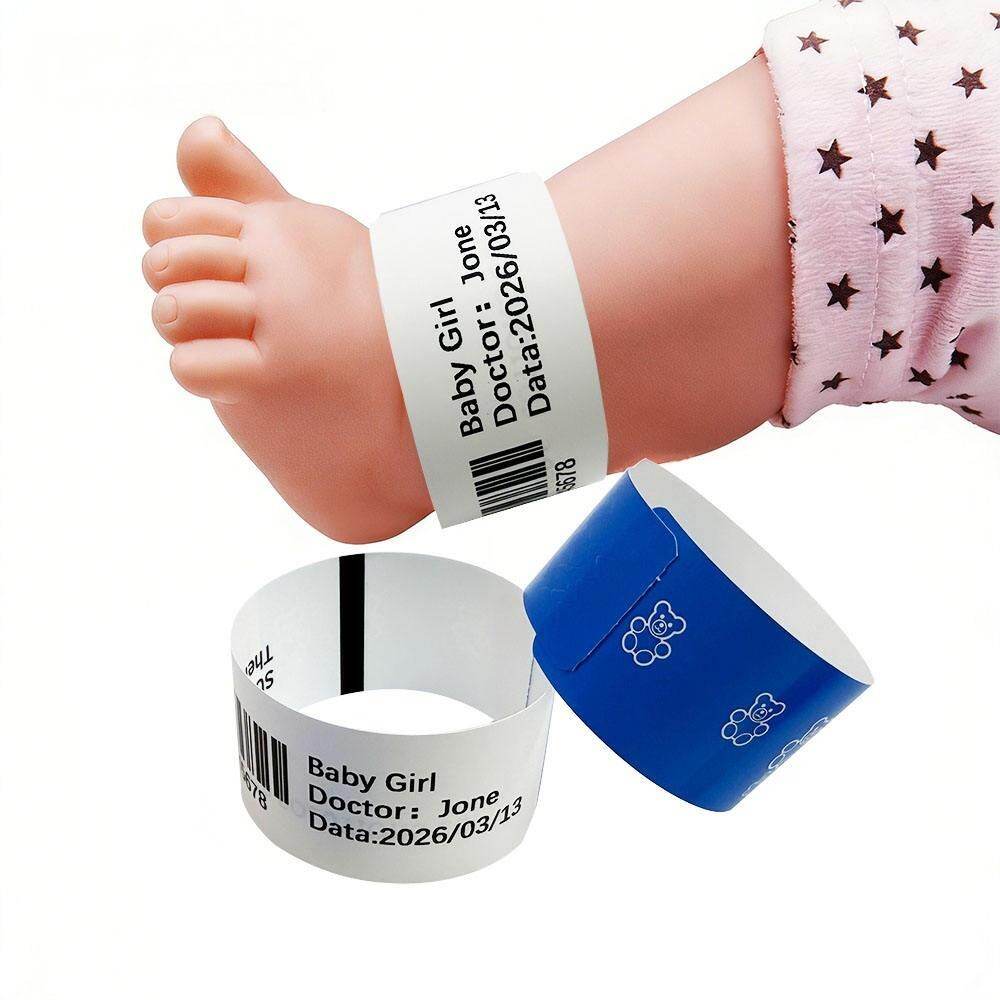
Neonatal intensive care units (NICUs) present the most demanding patient identification challenges. Premature and newborn infants have extremely fragile skin, tiny wrists, and limited ability to communicate discomfort. A standard adult wristband would be absurdly oversized; even a pediatric band is far too large.
Key Requirements for Neonatal Wristbands
- Ultra-small sizing – Wrist circumference range of 3–6 cm, with adjustable closure points at 0.5 cm increments
- Skin-safe materials – Hypoallergenic, latex-free, and free from adhesives that could tear delicate neonatal skin upon removal
- Lightweight construction – Total weight under 2 grams to avoid putting pressure on developing joints
- Tamper-evident design – Closure mechanism that shows visible signs if opened, since infants cannot verbally report removal
- Waterproof and fluid-resistant – Must withstand frequent bathing, amniotic fluid exposure, and disinfection without degrading
Common Mistakes in NICU Wristband Programs
Many hospitals attempt to use cut-down versions of pediatric wristbands in the NICU. This is problematic because the material thickness and clasp mechanisms are designed for larger wrists. A clasp that sits comfortably on a toddler's arm can create a pressure point on a preemie. Additionally, barcode density on smaller bands must be adjusted — standard barcode sizes may not fit within the printable area of a neonatal band, requiring higher-density encoding or QR code alternatives.
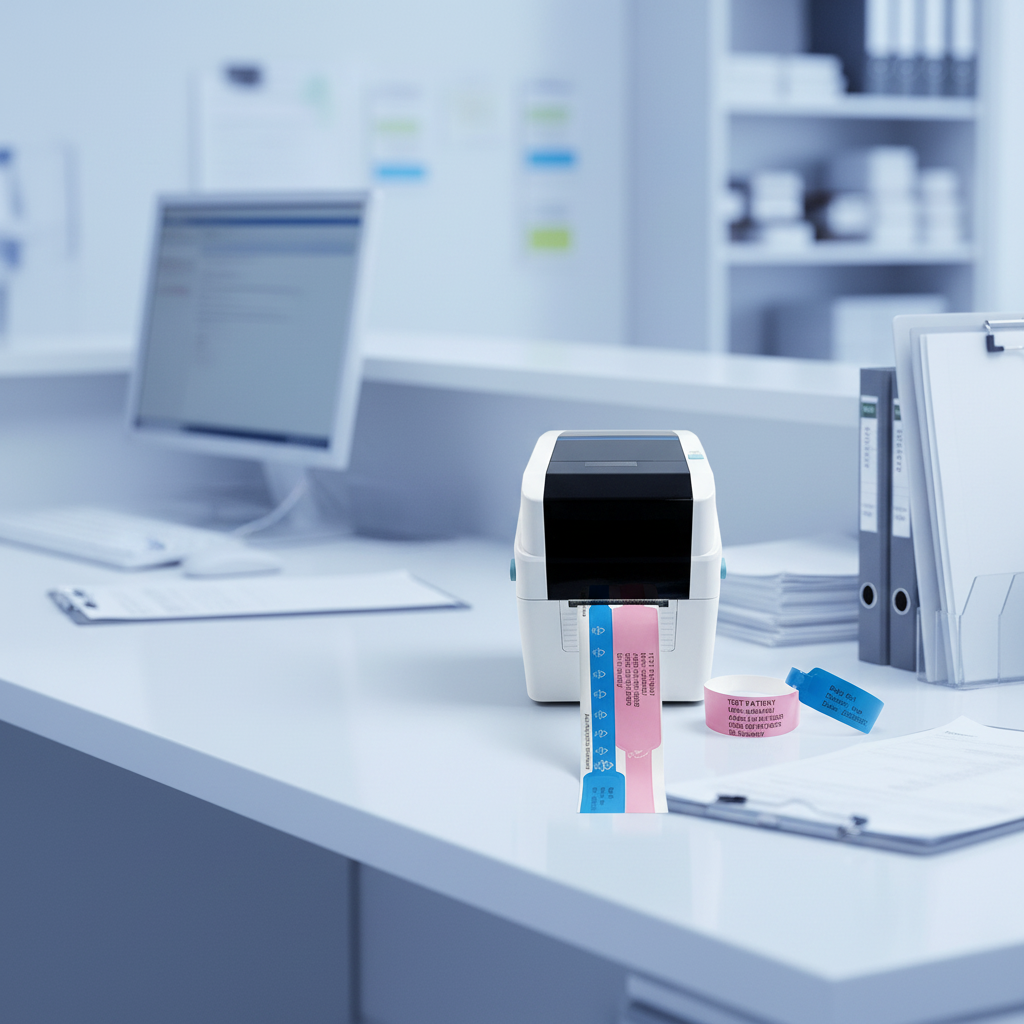
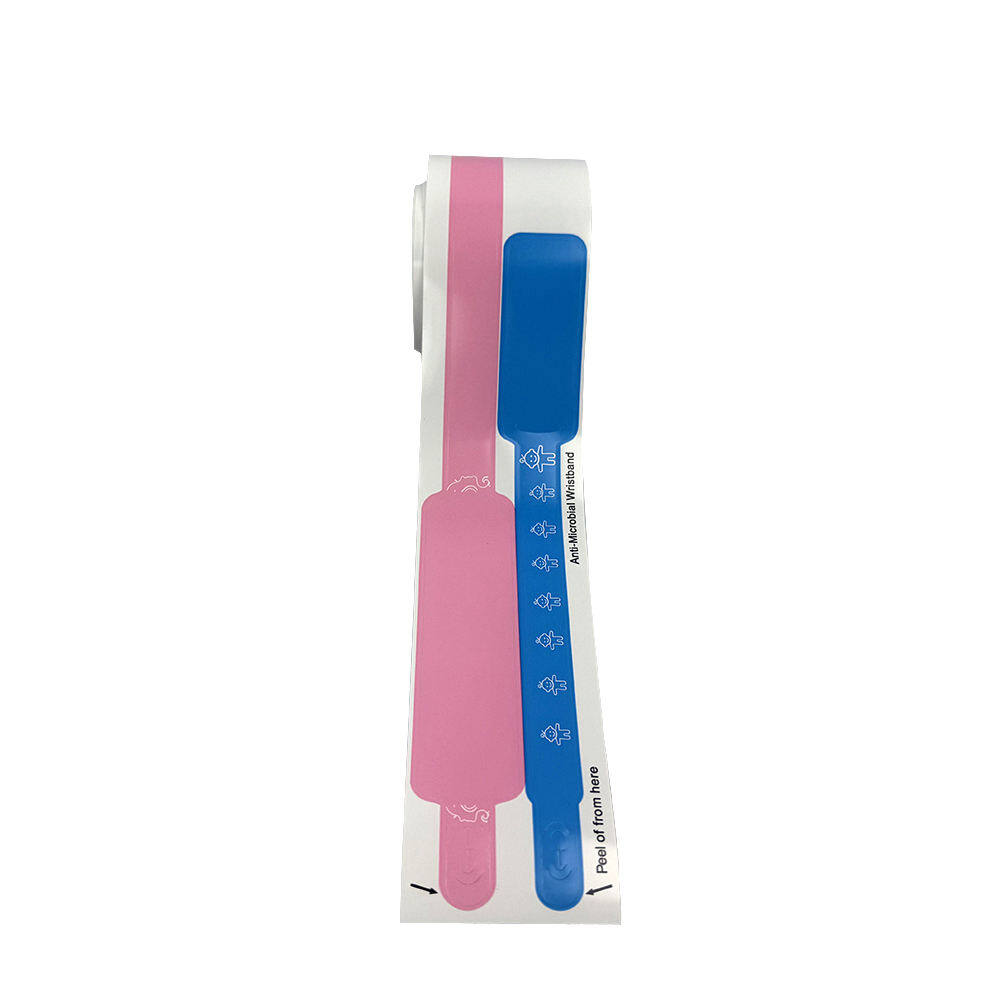
Best practice is to source dedicated neonatal wristbands from manufacturers who specialize in medical-grade infant identification products. These bands typically come in rolls compatible with thermal printers and include pre-formatted fields for mother's name, date of birth, and medical record number.
Pediatric Wristbands: Balancing Safety, Comfort, and Compliance
Pediatric wards cover an enormous range of patient sizes — from toddlers to teenagers. This makes pediatric wristband selection more complex than simply choosing "small." A well-designed pediatric wristband program accounts for growth stages, activity levels, and the unique behavioral factors of young patients.
Size Stratification for Pediatric Patients
Rather than a single pediatric size, leading hospitals use at least three sub-categories:
- Toddler (ages 1–3) – Wrist circumference 8–11 cm, soft flexible material, snap closure with tamper evidence
- Child (ages 4–10) – Wrist circumference 11–15 cm, durable yet comfortable, adjustable hook-and-loop or plastic clasp
- Adolescent (ages 11–17) – Wrist circumference 14–18 cm, near-adult durability with youth-appropriate sizing
Behavioral Considerations
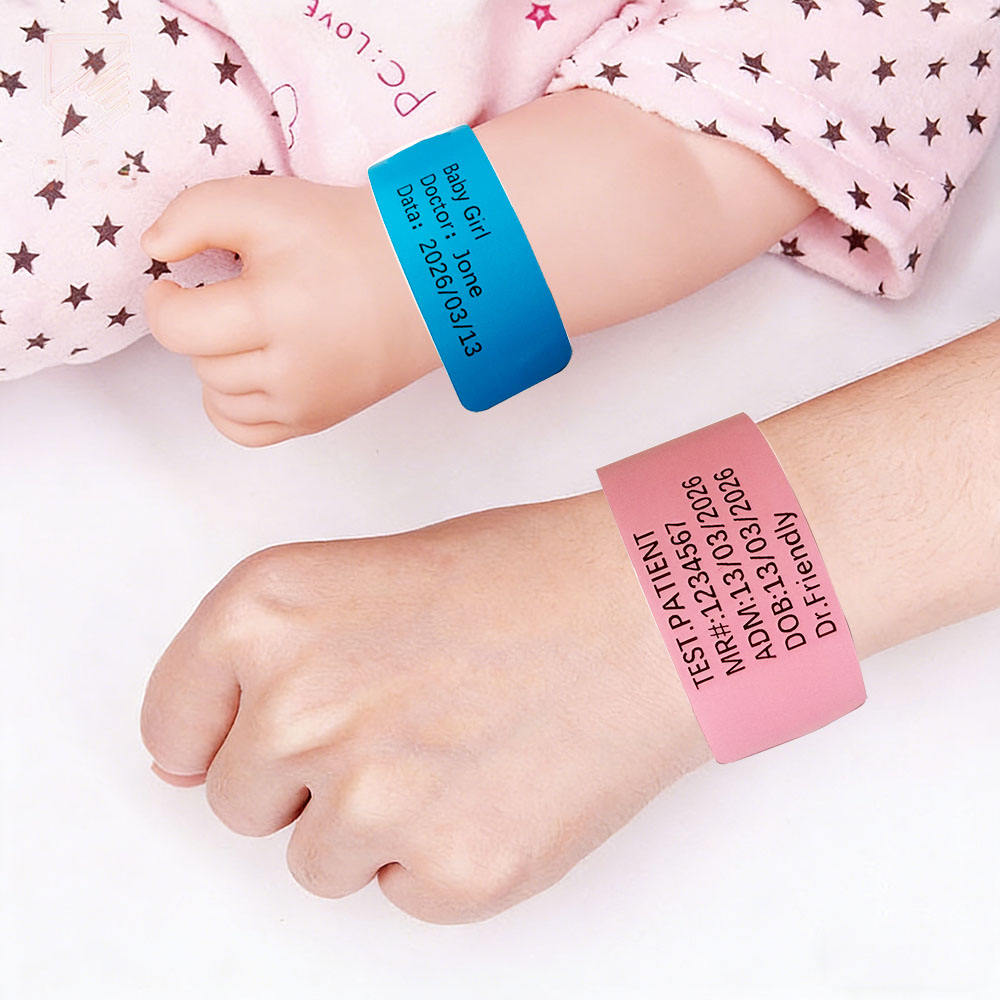
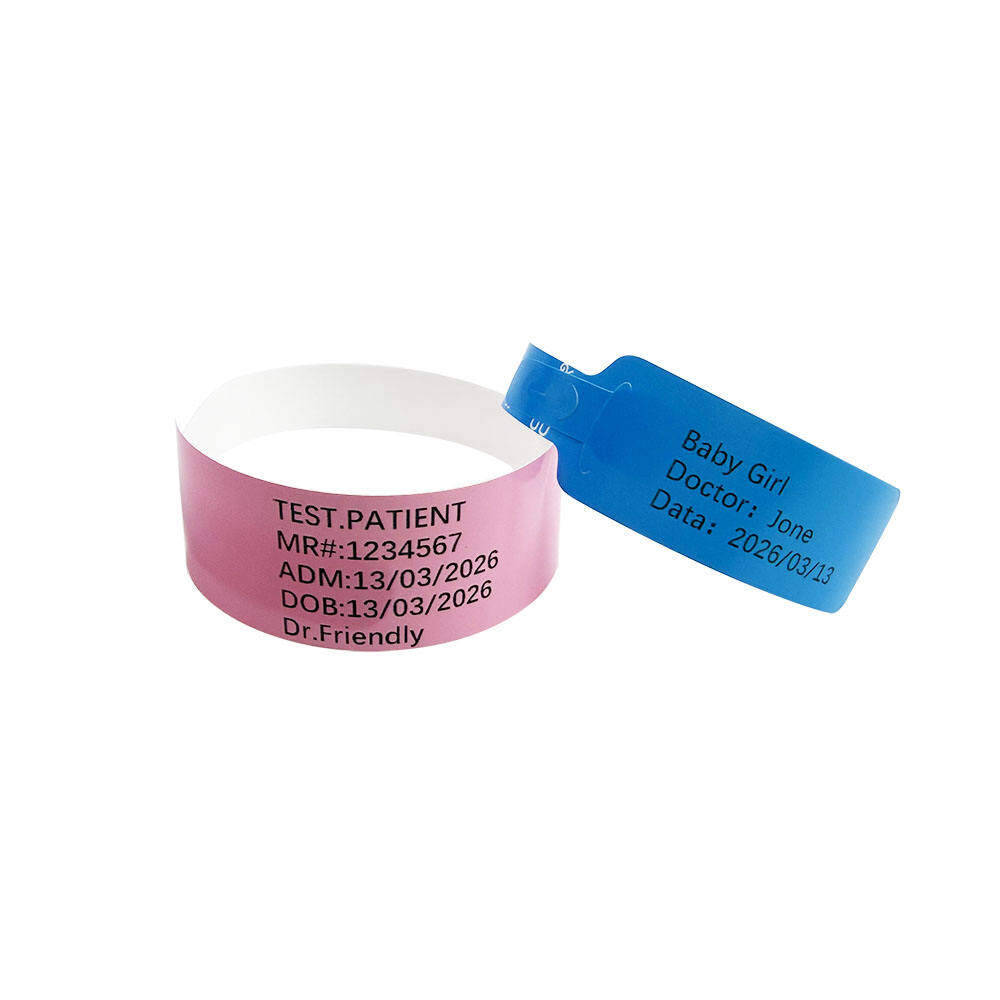
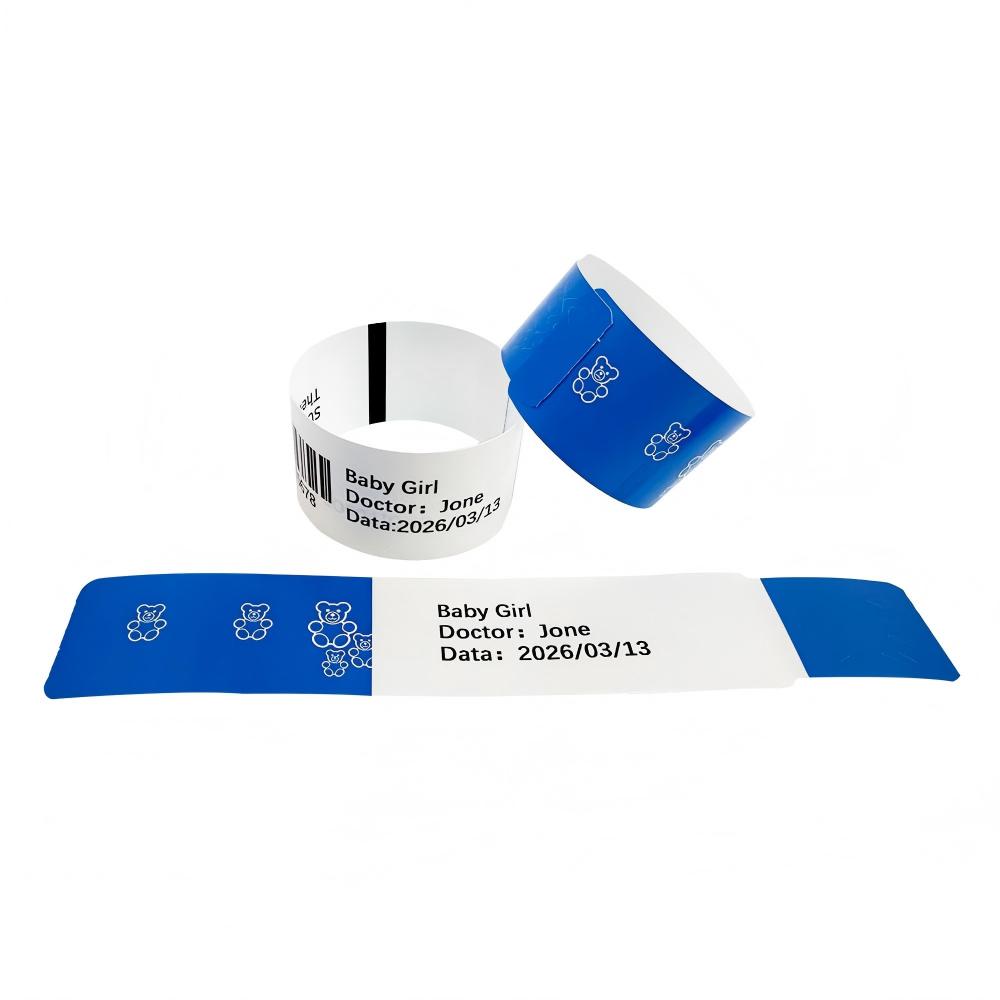
Children are active, curious, and sometimes anxious about medical equipment. Pediatric wristbands need to withstand pulling, chewing (for younger patients), water play during bath time, and repeated friction against bedding and clothing. At the same time, they should not look intimidating. Many manufacturers now offer pediatric wristbands in child-friendly colors and patterns — think teddy bears, stars, or pastel tones — which can reduce anxiety and improve compliance.
Critically, the closure mechanism must be secure enough to prevent self-removal by curious toddlers but gentle enough that nursing staff can remove it quickly in an emergency without causing distress or skin injury. Tamper-evident closures are essential — if a child manages to open the band, staff must be able to see this immediately.
Adult Medical Wristbands: The Standard That Sets the Baseline
Adult wristbands are the most common type and often serve as the default in hospital procurement. However, "adult" itself encompasses significant variation. A petite adult female may have a wrist circumference of 14 cm, while a large-framed male may measure 22 cm or more.
Standard Adult Specifications
- Adjustable range – 14–22 cm wrist circumference with multiple closure positions
- Durable material – Tear-resistant synthetic or coated paper that survives 7+ days of continuous wear
- Chemical resistance – Withstands alcohol-based hand sanitizers, betadine, chlorhexidine, and other common hospital disinfectants
- Print quality – High-resolution thermal or laser printing for crisp barcodes and text that remain scannable throughout the patient stay
- Comfort features – Smooth edges, breathable material, and lightweight construction to encourage compliance
For most general medical-surgical units, a well-designed adjustable adult wristband covers the majority of patients. The key is ensuring that the adjustment mechanism is reliable — cheap clasps that loosen over time are a leading cause of wristband-related identification failures.
Geriatric Wristbands: Addressing Unique Challenges in Elder Care
Geriatric patients present a distinct set of challenges that standard adult wristbands often fail to address. Aging brings physiological changes that directly impact wristband performance and patient safety.
Physiological Factors in Geriatric Wristband Design
- Skin fragility – Elderly skin is thinner, less elastic, and more prone to tearing. Adhesive-backed wristbands can cause skin stripping upon removal. Non-adhesive, clasp-only designs are strongly preferred.
- Edema and swelling – Many geriatric patients experience fluctuating limb swelling due to heart failure, kidney disease, or venous insufficiency. Wristbands must accommodate daily circumference changes of 2–4 cm without becoming too tight or too loose.
- Cognitive impairment – Patients with dementia or delirium may repeatedly attempt to remove their wristbands. Tamper-evident, secure-closure designs are critical, but must balance security with the ability for staff to remove the band quickly.
- Reduced circulation – Tight wristbands on patients with peripheral vascular disease can compromise blood flow. Wider bands that distribute pressure are safer than narrow bands.
Practical Recommendations for Geriatric Units
Consider stocking two geriatric-specific sizes: a standard geriatric band (16–24 cm adjustable) and an extended-size band (22–30 cm) for patients with significant edema. Use soft, non-irritating materials with rounded edges. Avoid rigid plastic clasps that can dig into thin skin. And always train staff to check wristband fit during every shift change — what was comfortable at admission may be dangerously tight by day three if swelling increases.
Implementing a Department-Specific Wristband Program
Moving from a single-size to a multi-size wristband program requires planning, but the payoff in patient safety and regulatory compliance is substantial.
Step-by-Step Implementation Guide
- Audit current usage – Measure actual wrist circumferences across departments for 30 days to establish real size distribution data
- Select suppliers – Choose manufacturers who offer the full size range (neonatal through bariatric) with consistent print compatibility across all sizes
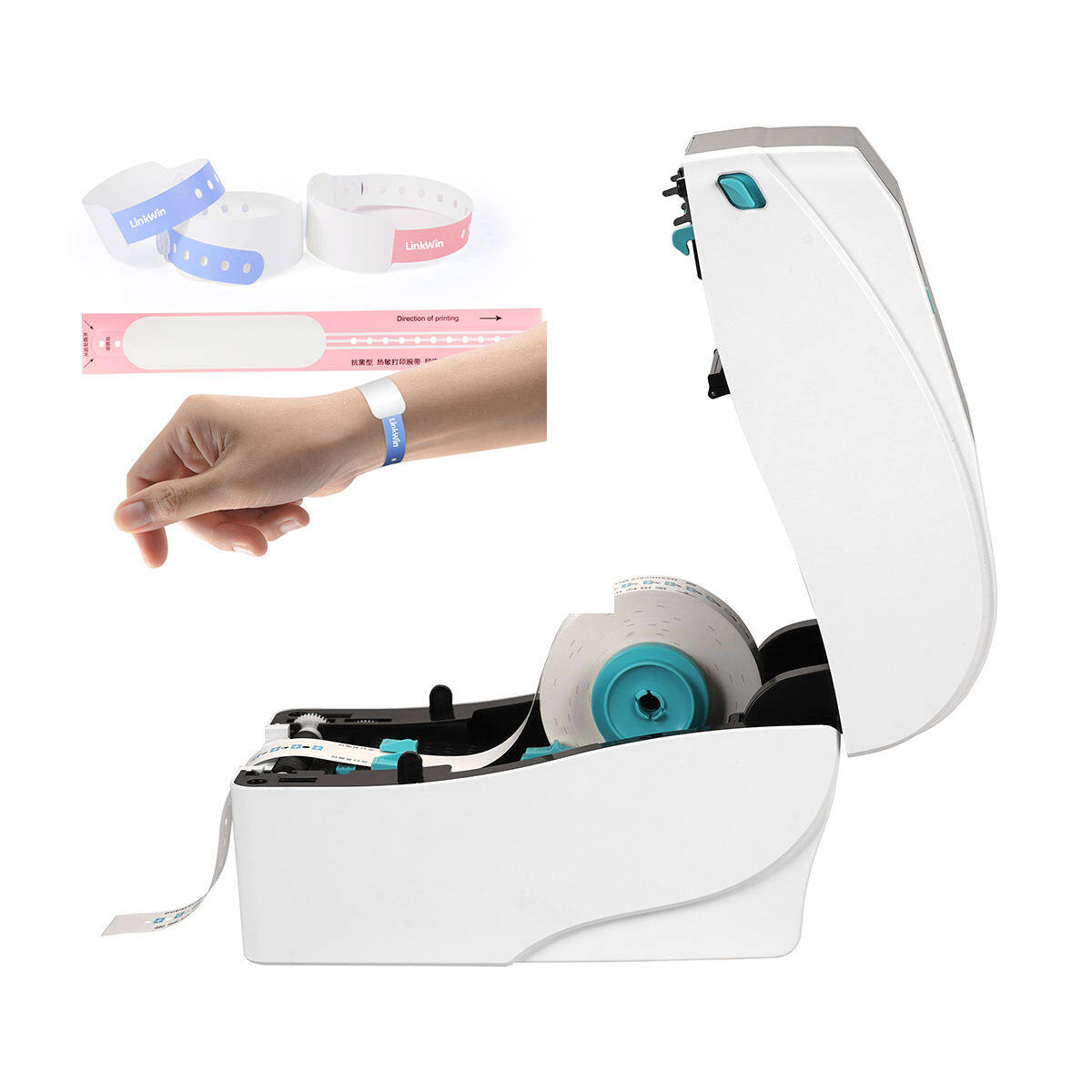
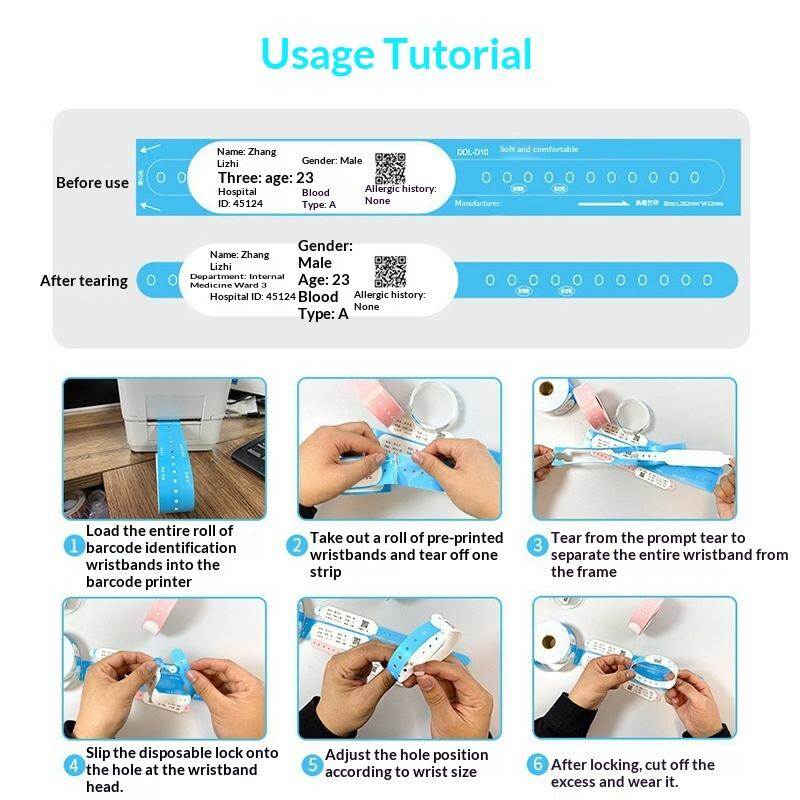
- Configure printers – Ensure thermal printers support multiple roll sizes and that label templates are correctly formatted for each band dimension
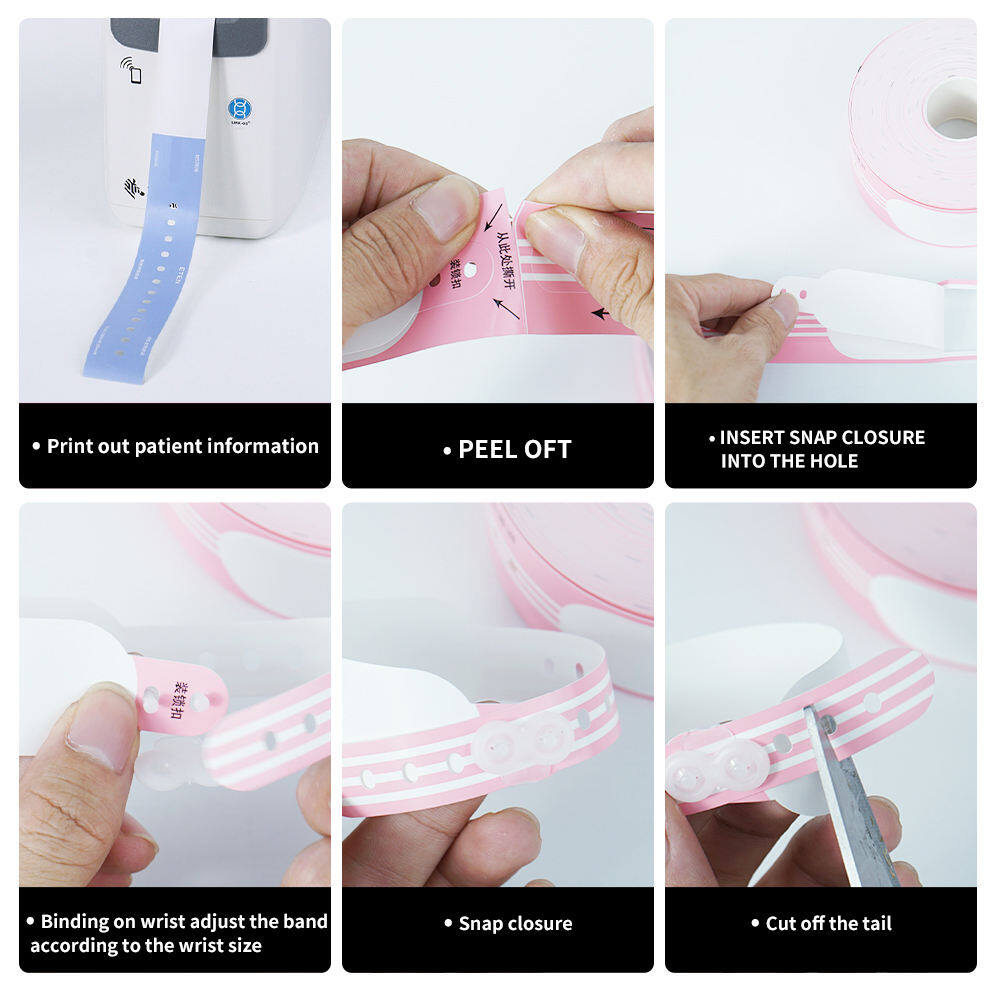
- Train staff – Conduct hands-on training for nurses and admission clerks on proper sizing, application technique, and fit verification
- Monitor and adjust – Track wristband-related incidents (falls off, too tight, unreadable barcode) by department and refine sizing protocols quarterly
Printer Compatibility and Workflow Integration
One of the most common barriers to multi-size wristband programs is printer logistics. Hospitals need either multiple dedicated printers per department or quick-change roll systems that allow a single printer to handle different sizes. Modern thermal printers from major manufacturers support auto-detection of roll width and automatic template switching, which significantly reduces workflow friction.
Ensure your EHR or admission system can send size-specific print commands so that the correct template is selected automatically based on the patient's age or department assignment. Manual template selection is error-prone and slows down the admission process.
Regulatory and Accreditation Considerations
Proper patient identification is not just a clinical best practice — it is a regulatory requirement. Organizations including The Joint Commission, WHO, and national health authorities mandate accurate patient identification as a core safety goal. Using improperly sized wristbands that fall off or become unreadable can result in citation findings during accreditation surveys.
Document your wristband sizing protocol as part of your facility's patient identification policy. Include specific size ranges for each department, fit-check procedures, and escalation steps when a patient's wrist size falls outside available band sizes. This documentation demonstrates due diligence and supports compliance during audits.
Key Takeaways
- Custom-sized medical wristbands are essential for patient safety across neonatal, pediatric, adult, and geriatric departments
- Neonatal wristbands require ultra-small sizing, skin-safe materials, and tamper-evident closures designed for fragile infant skin
- Pediatric wristbands should be stratified by age group and incorporate child-friendly designs to improve compliance
- Geriatric wristbands must account for skin fragility, edema, cognitive impairment, and reduced circulation
- Implementation requires printer compatibility, staff training, and ongoing monitoring to ensure sustained effectiveness
- Regulatory compliance depends on documented sizing protocols and proper fit verification procedures
Custom medical wristbands, neonatal wristbands, pediatric wristbands, geriatric wristbands, patient identification, hospital wristband sizes, medical ID wristbands, healthcare safety, NICU wristband, infant patient band, toddler wristband, elderly patient identification, wristband sizing protocol, thermal printer wristband, tamper-evident closure, hypoallergenic wristband, barcode wristband, QR code patient ID, JCI patient safety, hospital accreditation wristband, adjustable medical band, skin-safe wristband, edema-friendly wristband, dementia patient wristband, wristband compliance, patient identification best practices.
Getting wristband sizing right is one of the simplest yet most impactful patient safety improvements a hospital can make. If your facility is still using one size for everyone, it may be time to reassess. We are happy to help you evaluate your needs and recommend the right configuration for each department.
Continue Reading
Have Questions About Wristbands?
Our team is ready to help you find the perfect wristband solution for your needs. Contact us directly on WhatsApp for quick responses.
Contact on WhatsApp