
From Nano-Silicon to RFID Chips: The Evolutionary Journey and Future Trajectory of Medical Wristband Materials
Abstract
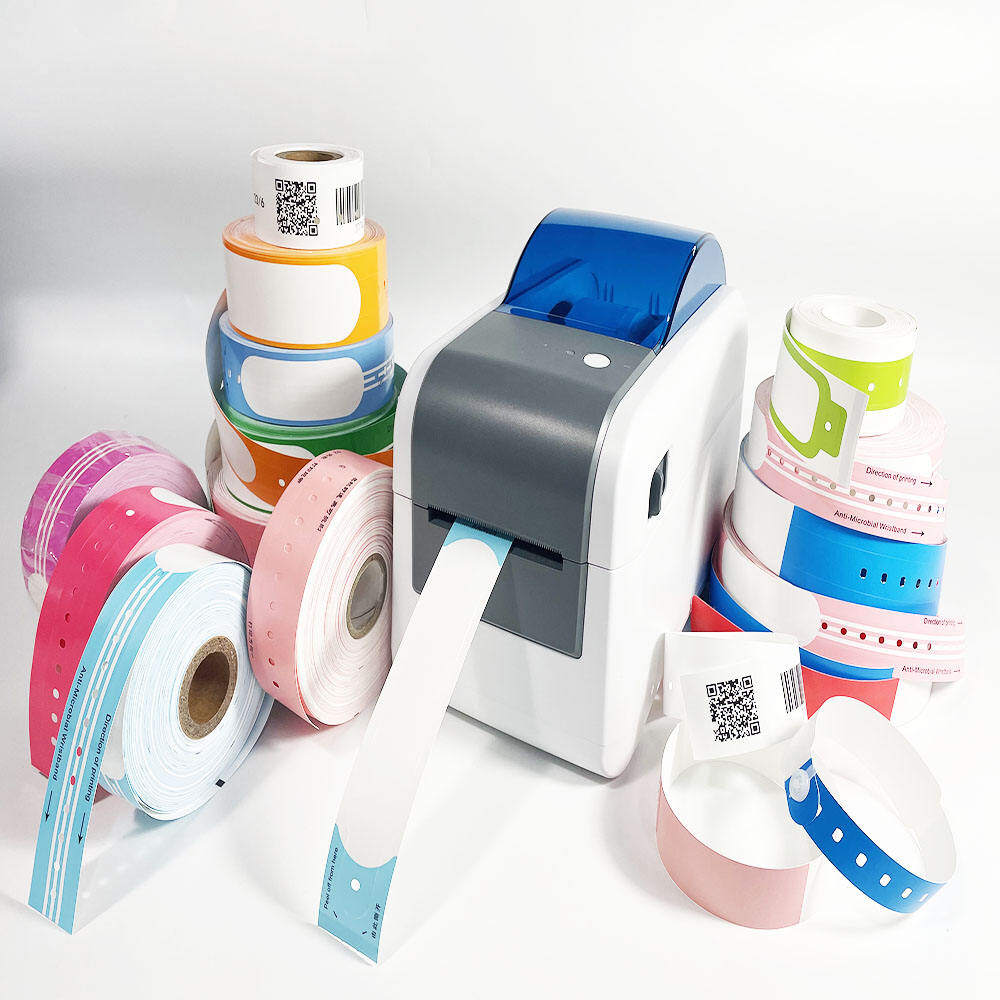
The medical wristband has undergone a remarkable transformation from a simple handwritten identifier to a sophisticated Internet of Things (IoT) device. This evolution reflects the healthcare industry's relentless pursuit of patient safety, operational efficiency, and enhanced clinical outcomes. This article traces the material and technological progression of medical identification wristbands—from early PVC and paper solutions to contemporary nano-silicone composites and RFID/NFC-enabled smart bands—analyzing the core tension between comfort, durability, and functionality that has driven innovation in this essential healthcare tool.

1. Introduction: The Critical Role of Patient Identification
Patient identification wristbands have become a foundational component of modern healthcare delivery, serving as the "last line of defense" against medical errors in medication administration, surgical preparation, and diagnostic testing. The global market for patient identification wristbands was valued at US$20.5 billion in 2024 and is projected to reach US$55.6 billion by 2030, reflecting a compound annual growth rate (CAGR) of 18.1%. Within this market, RFID-enabled medical wristbands represent the fastest-growing segment, with projections indicating a 20.5% CAGR through 2030.
This growth is driven by an increasing emphasis on patient safety, the digital transformation of healthcare workflows, and stringent regulatory mandates from organizations including the Joint Commission and the World Health Organization. Understanding the evolution of medical wristband materials and technologies is essential for healthcare procurement professionals, clinical engineers, and hospital administrators seeking to optimize patient identification systems.
2. The First Generation: Handwritten and PVC Wristbands
2.1 The Era of Manual Identification
The concept of patient wristbands dates back to the early 20th century, when hospitals began seeking solutions to the persistent problem of patient misidentification. The earliest medical wristbands were simple constructs of paper or fabric, upon which patient information such as name and admission number was manually inscribed. While rudimentary, these early identification bands represented a significant advancement in patient safety, reducing instances of treatment errors and record confusion.
2.2 PVC Wristbands: Durability at a Cost
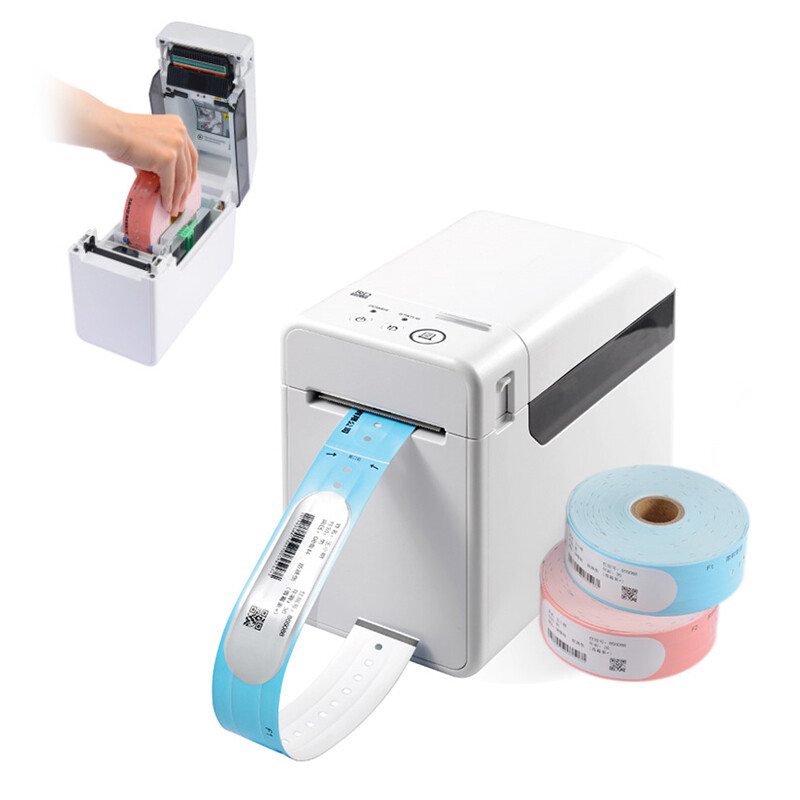
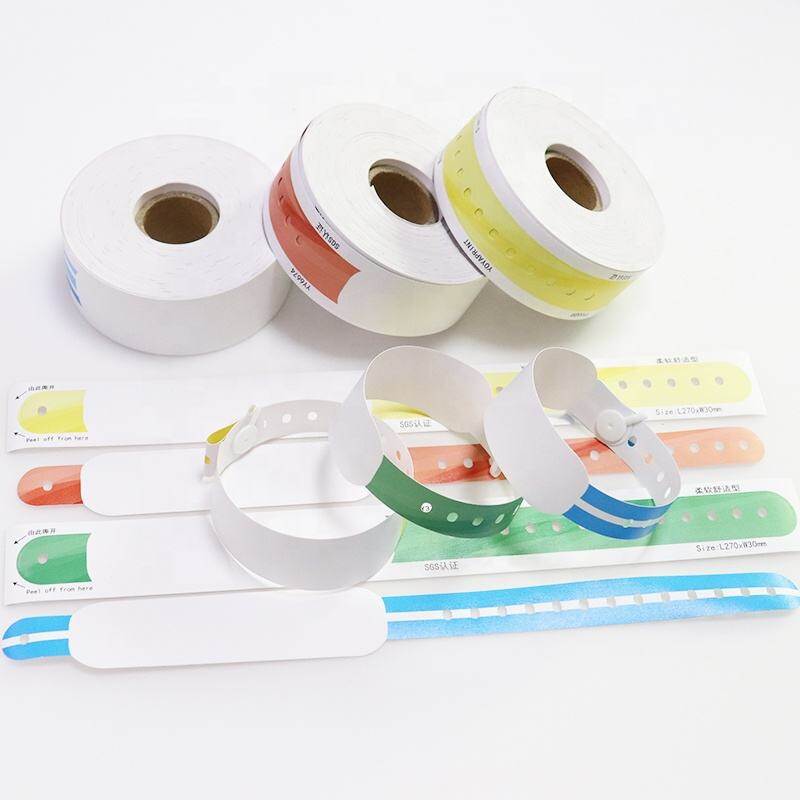
Polyvinyl chloride (PVC) wristbands emerged as an improvement over paper and fabric options. PVC offered several advantages: water resistance, sweat resistance, oil resistance, low cost, and suitability for mass production. These wristbands could be printed or handwritten and provided reasonable durability for short-term hospital stays.
However, PVC wristbands presented notable limitations. Some PVC formulations could cause skin irritation or allergic reactions in sensitive patients. Additionally, the surface information demonstrated poor longevity, with printed text and barcodes susceptible to wear and fading with repeated cleaning or prolonged use. The rigidity of PVC also compromised patient comfort during extended wear periods—a particular concern for long-term care or chronic disease management settings.
2.3 Vinyl and Tyvek Alternatives
Vinyl wristbands emerged as another low-cost option, offering affordability and print customization capabilities. However, these bands could become brittle over time, causing discomfort during extended use.
Tyvek wristbands—manufactured from high-density polyethylene—offered distinct advantages: they were soft, flexible, lightweight, water-resistant, cost-effective, and hypoallergenic. These properties made Tyvek wristbands particularly suitable for patients with sensitive skin or for short-term applications. However, Tyvek's durability was limited, and the material could tear or degrade with extended wear, making it less suitable for patients requiring prolonged identification.
3. The Second Generation: Thermal Printing and Barcode Technology
3.1 Thermal-Sensitive Materials
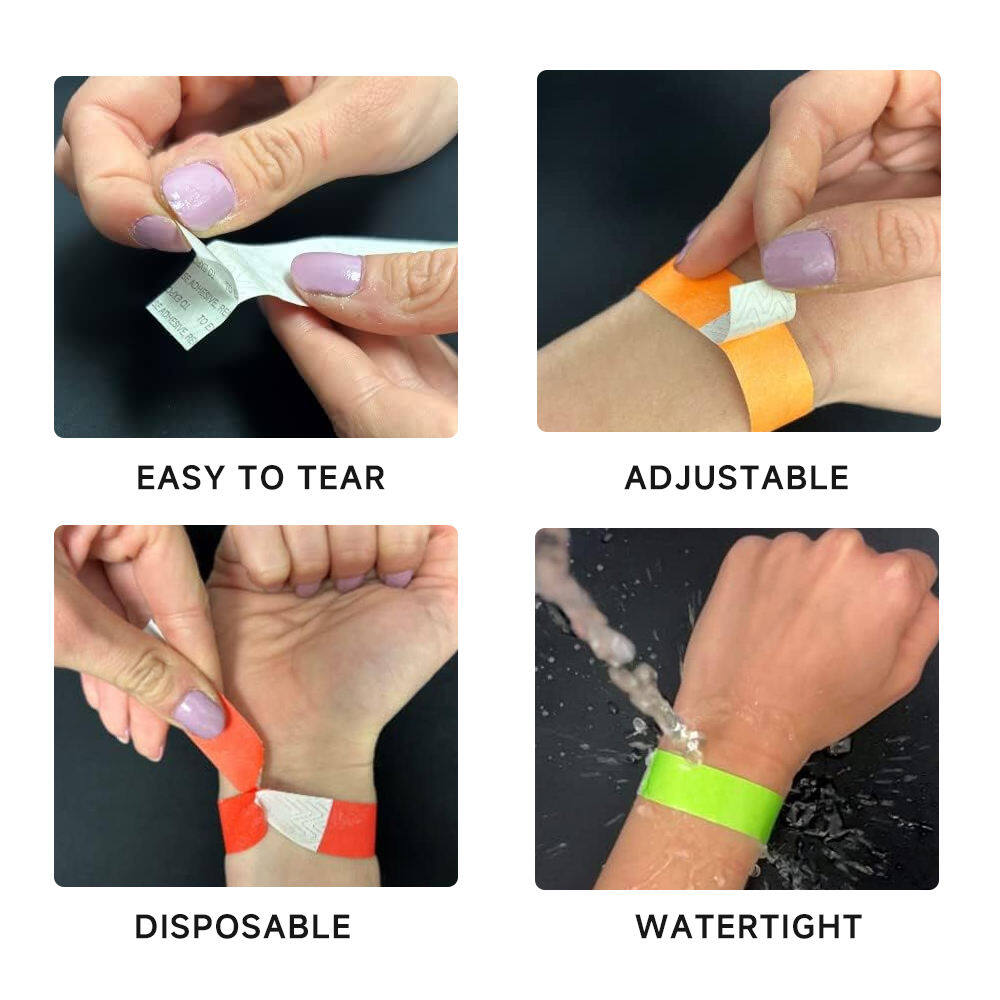
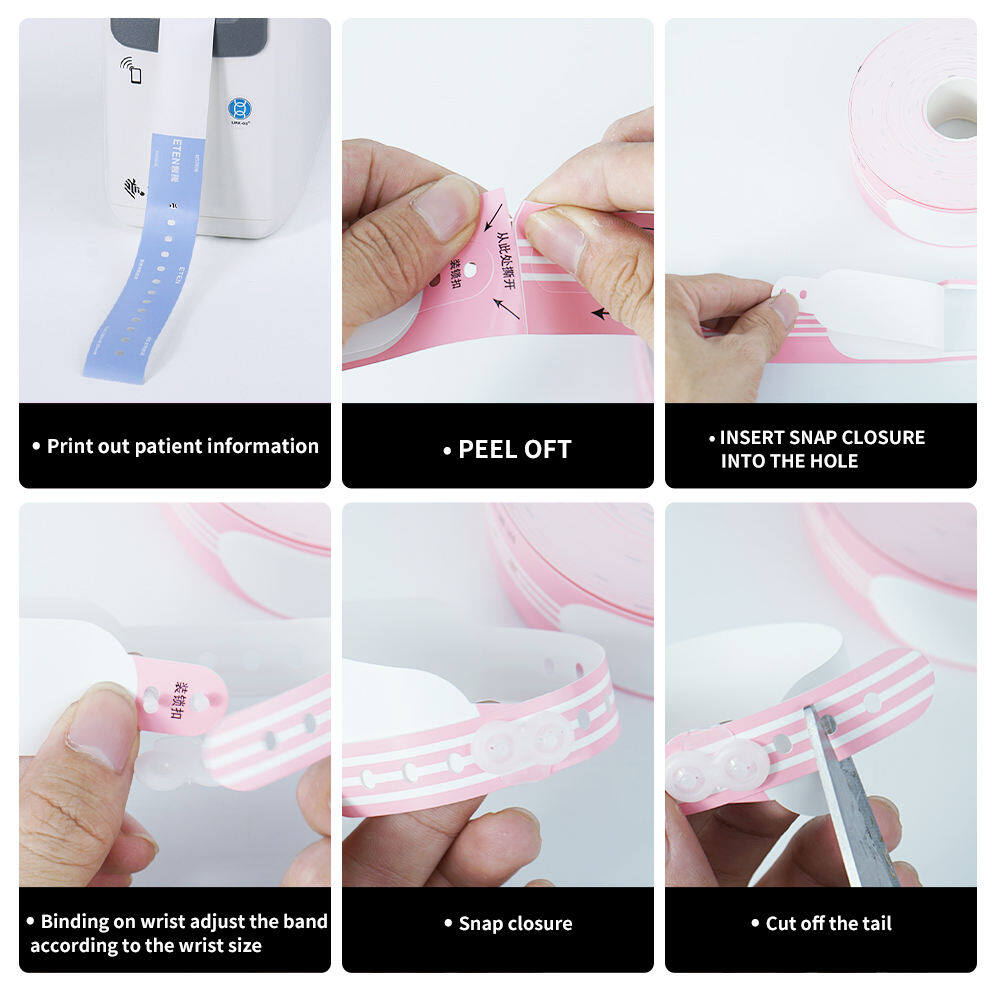
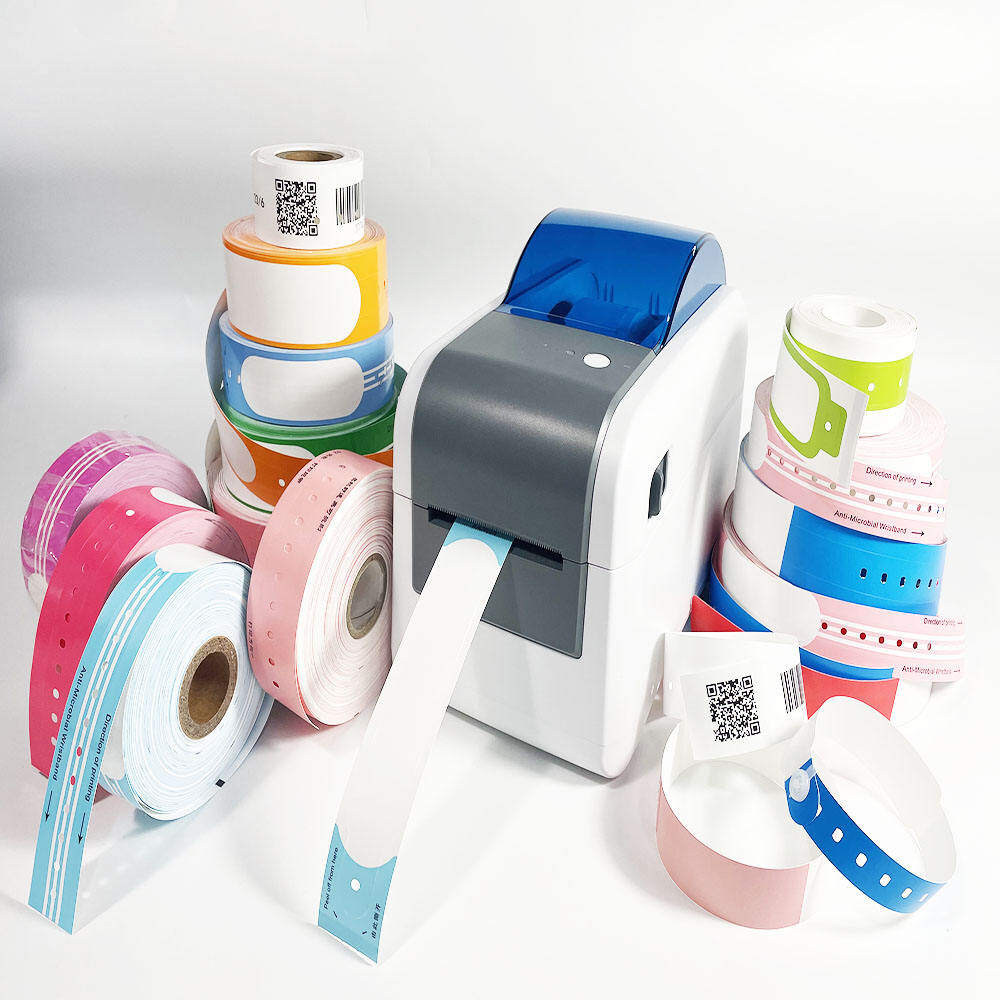
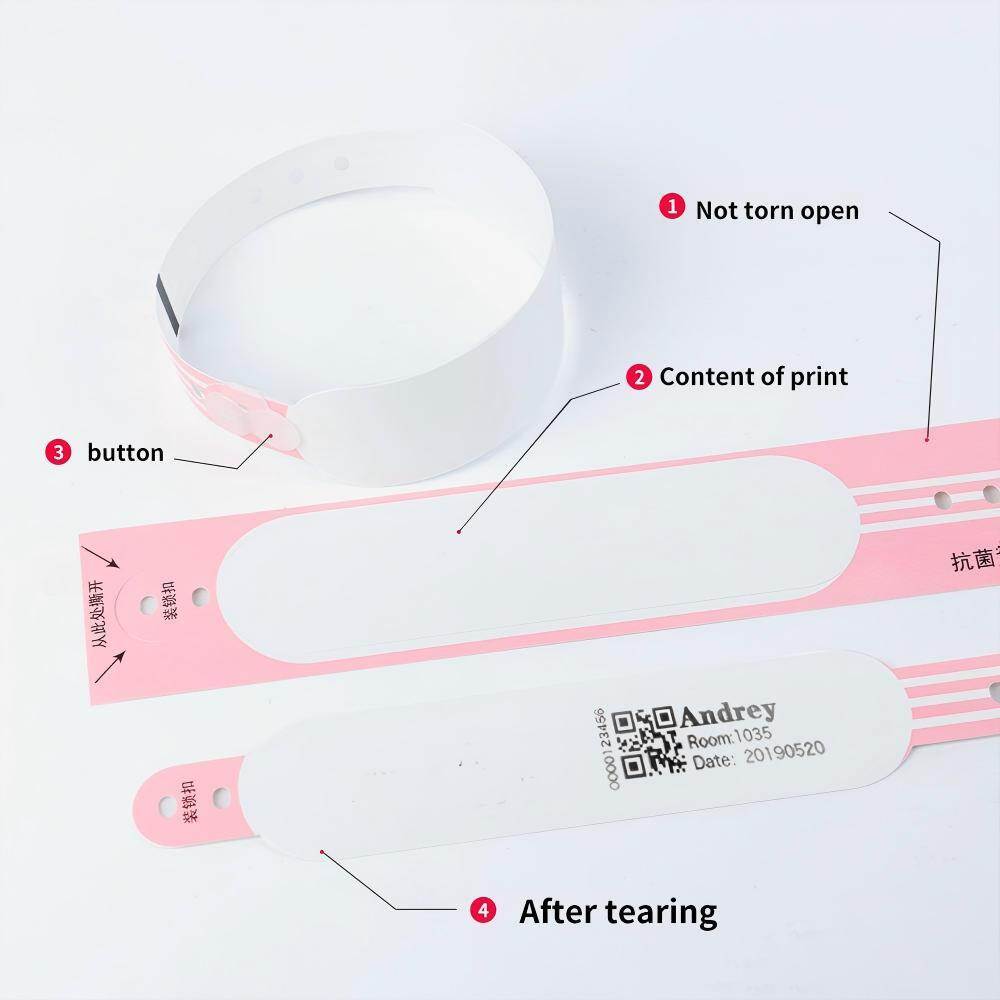
The introduction of thermal printing technology represented a significant advancement in medical wristband functionality. Thermal-sensitive wristbands enable rapid, clear printing of patient information, facilitating efficient workflows in busy clinical environments. These wristbands support on-demand generation directly linked to patient digital profiles through Admission, Discharge, and Transfer (ADT) systems, ensuring real-time information accuracy.
Thermal-printed wristbands demonstrate legibility and durability, withstanding water, alcohol, and abrasion throughout the patient's hospital stay. However, their waterproof performance may be inferior to PVC or silicone alternatives, and extreme conditions (high temperature or humidity) can affect print quality and service life.
3.2 Barcode and QR Code Integration
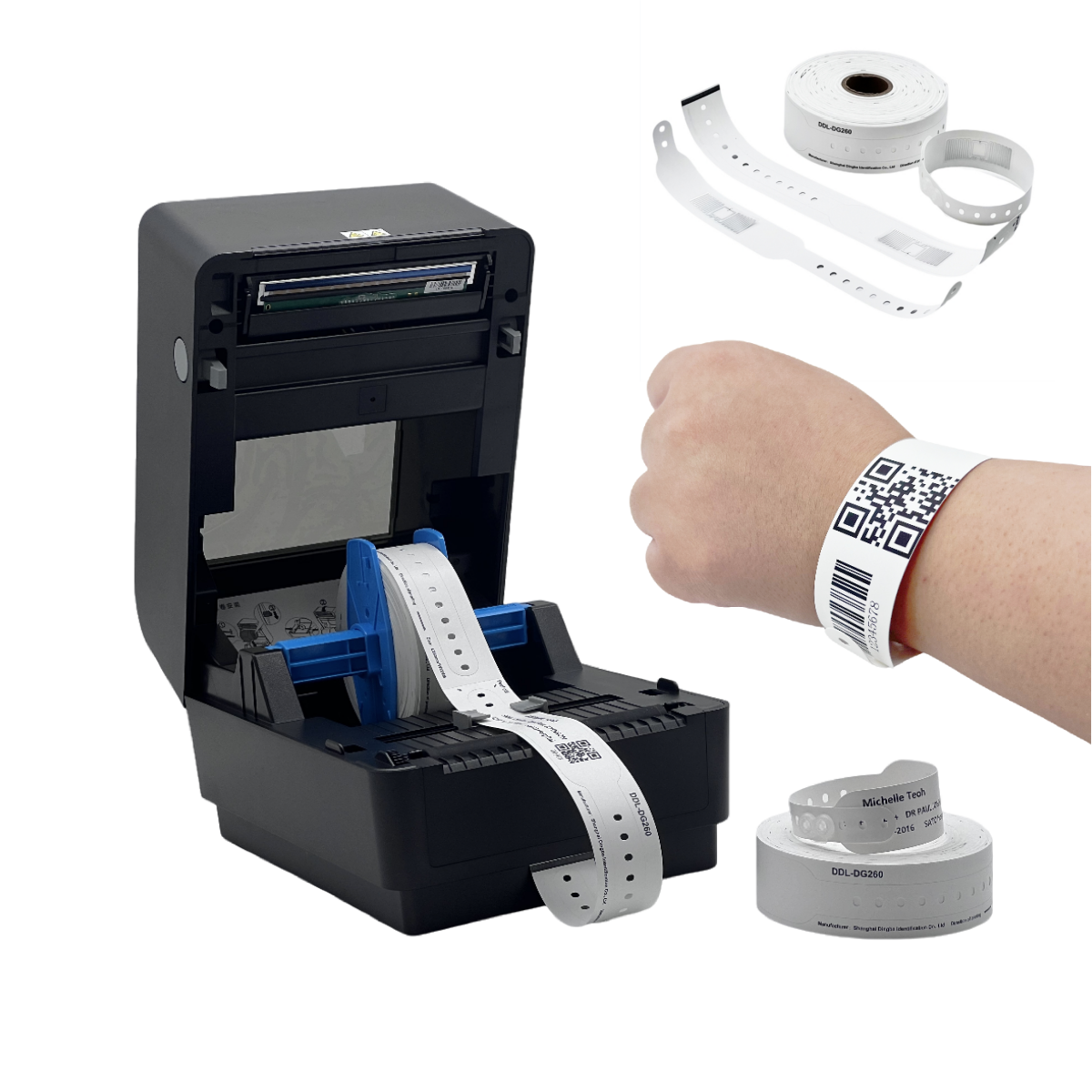
Barcode technology was among the first digital identification systems adopted in medical wristbands. By scanning the barcode, healthcare providers can rapidly retrieve patient information, significantly reducing the time required for manual data entry and minimizing error rates. QR codes subsequently emerged as a complementary technology, offering greater information capacity, faster recognition speeds, and enhanced error correction capabilities.
The integration of barcode and QR code technology with Electronic Health Record (EHR) systems enables closed-loop medication administration—a key quality benchmark in patient safety. Healthcare professionals can now scan wristbands to confirm patient identity during medication administration, blood transfusions, diagnostic imaging, and surgical preparation, significantly reducing the risk of medical errors.
4. The Third Generation: Nano-Silicone and Advanced Composites
4.1 The Rise of Silicone as a Premium Material
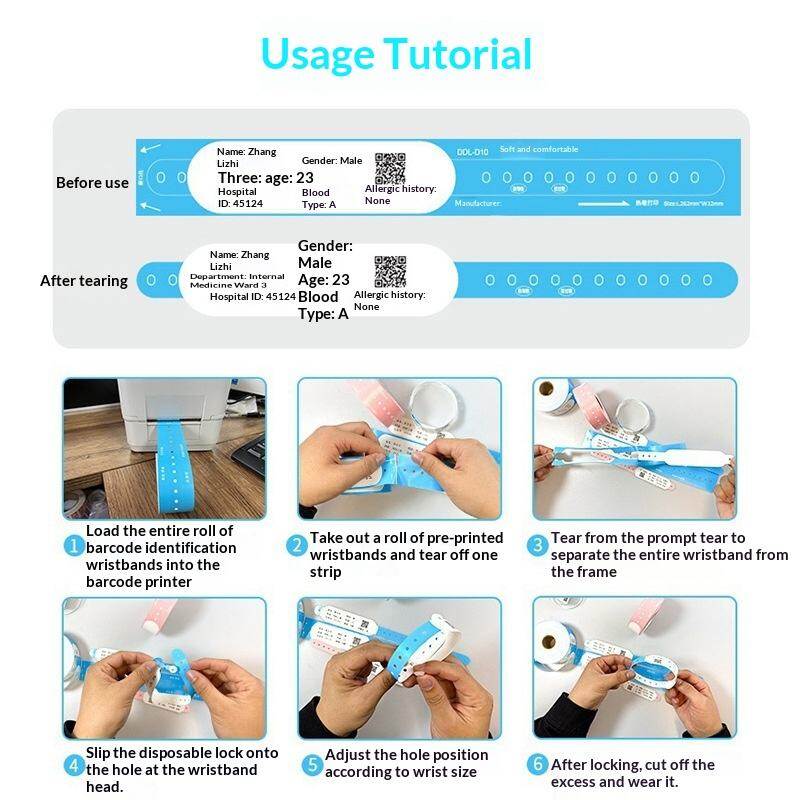
Nano-silicone has emerged as the preferred material for high-quality medical wristbands, offering an optimal balance of comfort, durability, and functionality. Silicone's soft, flexible texture ensures patient comfort during extended wear, while its hypoallergenic properties reduce the risk of skin irritation or allergic reactions.
4.2 Key Material Performance Characteristics
Durability and Water Resistance
Silicone wristbands demonstrate exceptional resistance to water, dirt, and wear. Products such as the W7 Medical Wristband feature IP67 waterproof protection, with completely sealed construction capable of withstanding full immersion in water. Patients can shower and bathe without removing the band, and the sealed construction also protects against disinfectants and cleaning solutions used in healthcare environments.
Comfort and Skin Health
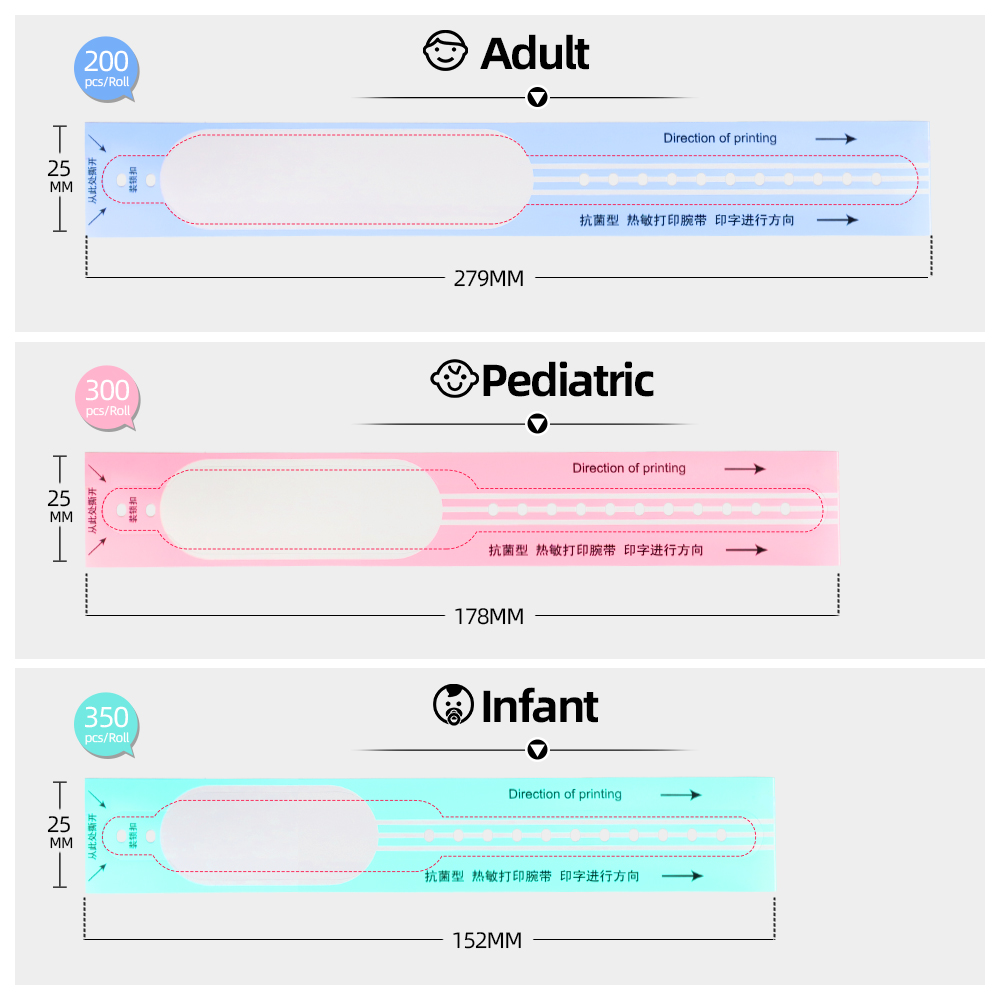
Modern nano-silicone wristbands are crafted from skin-friendly thermoplastic polyurethane (TPU) materials, offering lightweight, tear-resistant construction suitable for adult, pediatric, and infant versions. Antimicrobial and hypoallergenic materials further reduce discomfort and allergic reactions—increasingly important considerations in infection-prone healthcare settings.
Eco-Friendliness
Unlike plastic, silicone is considered more environmentally friendly as it is non-toxic and can be reused in appropriate applications. Some manufacturers have also introduced biodegradable, eco-friendly wristbands, aligning with healthcare sustainability goals.
4.3 Comparative Analysis of Medical Wristband Materials
| Material | Durability | Comfort | Water Resistance | Cost | Ideal Use Case |
|---|---|---|---|---|---|
| Silicone/Nano-Silicone | Highly durable, long-lasting (5+ years) | Soft, flexible, hypoallergenic, skin-friendly | IP67 waterproof, fully submersible | Higher ($0.50-$2.00/unit) | Long-term wear, ICU, chronic care, patient comfort prioritization |
| PVC/Plastic | Durable but rigid, prone to cracking | Can be uncomfortable; may irritate sensitive skin | Water-resistant, not fully waterproof | Low ($0.10-$0.30/unit) | Short-term use, budget-conscious settings, emergency departments |
| Tyvek | Tears easily; limited lifespan (1-3 days) | Soft, comfortable, lightweight, breathable | Water-resistant, degrades with prolonged moisture | Low ($0.05-$0.15/unit) | Short-term use, sensitive-skin patients, outpatient visits |
| Thermal-Sensitive | Moderate; can degrade in extreme heat/humidity | Flexible, smooth surface | Limited; print fades with excessive moisture | Moderate ($0.20-$0.50/unit) | Rapid-turnover environments, high-volume admissions |
| Vinyl | Can become brittle over time | Less comfortable than silicone, stiff texture | Prone to water damage, adhesive failure | Low ($0.08-$0.20/unit) | Short-term, event-related use, temporary identification |
| RFID/NFC Smart Bands | Highly durable with embedded chip protection | Varies by base material (silicone preferred) | Fully waterproof with sealed chip enclosure | Premium ($2.00-$5.00/unit) | Smart hospitals, automated tracking, closed-loop medication |
5. The Fourth Generation: Smart Wristbands with RFID and NFC
5.1 RFID and NFC Technology Integration
Radio Frequency Identification (RFID) and Near-Field Communication (NFC) technologies represent the most significant advancement in medical wristband functionality since the introduction of barcode scanning. RFID-enabled wristbands store patient information in embedded chips, enabling contactless reading without requiring a direct line-of-sight to the scanner.
The advantages of RFID over barcode technology are substantial:
- •Non-contact reading: RFID tags can be read through clothing, blood stains, and bandages—critical in emergency or trauma scenarios
- •Batch identification: Ultra-high-frequency (UHF) RFID supports simultaneous reading of multiple tags, enabling efficient mass-patient processing
- •Enhanced durability: RFID chips remain functional even when the wristband surface is worn or damaged
- •Security: The anti-tamper snap closure ensures the wristband cannot be removed without visible damage, preventing transfer or misuse
5.2 Dual-Authentication: Combining Visual and Electronic Verification
Modern smart wristbands enable "visual + RF" dual-channel verification. Nurses can perform a visual confirmation of the patient's name and QR code, then scan the RFID chip using a handheld PDA—two verification steps completed in a single action by one operator, satisfying Joint Commission International (JCI) requirements for "double-person verification".
5.3 Clinical Integration and Workflow Optimization
RFID wristbands enable comprehensive patient tracking across the entire care continuum:
- Admission → Emergency Department (chip scanning)
- Laboratory testing (sample verification)
- Operating Room (pre-surgical verification)
- Pharmacy (medication dispensing)
- Access control (unit entry/exit)
- Discharge (band removal and disposal)
The unique chip identifier becomes the patient's digital thread throughout the entire healthcare journey, with each interaction automatically recording timestamps and creating a complete behavioral log for insurance auditing and medical dispute resolution.
The global medical RFID wristband market is witnessing a 10.0% CAGR, driven by increasing adoption of smart healthcare solutions and patient safety initiatives. North America leads the market due to high healthcare facility concentration and robust technology investment, while Asia-Pacific is emerging as a strong growth region with an impressive 23.5% CAGR projected for China's market through 2030.
6. Emerging Technologies and Future Directions
6.1 Biometric Integration
Advanced medical wristbands are beginning to incorporate biometric recognition capabilities, including fingerprint and vein pattern recognition. These technologies enable dual authentication and reduce the potential for misidentification in high-risk procedures. Some emerging solutions integrate fingerprint recognition or vein pattern recognition, ensuring unique patient identification and further enhancing medical safety and precision.
6.2 Vital Sign Monitoring
Smart wristbands capable of vital sign monitoring are being trialed in specialized units including ICUs and postoperative care areas. These devices can continuously track physiological parameters such as heart rate, blood pressure, and oxygen saturation, transmitting data in real-time to healthcare providers for remote monitoring and early warning alerts.
6.3 Integration with AI and Big Data
The future of medical wristbands lies at the intersection of IoT, artificial intelligence, and big data analytics. By collecting and analyzing physiological data from large patient populations, AI algorithms can identify potential health risks and provide intelligent diagnostic recommendations. Hospitals can leverage this data to optimize resource allocation, improve treatment efficiency, and reduce costs.
6.4 Sustainability and Biodegradable Materials
Environmental consciousness is driving innovation in medical wristband materials. Future wristbands are likely to utilize biodegradable materials to reduce medical waste impact. Designs will increasingly emphasize resource conservation and circular economy principles, promoting sustainable development across the healthcare sector.
7. Technical Considerations for Implementation
7.1 Material Selection Criteria
When selecting medical wristband materials, healthcare institutions must consider:
- •Patient population: Pediatric, geriatric, and neonatal patients require softer materials and smaller sizing
- •Duration of wear: Long-term patients benefit from silicone's comfort and durability
- •Environmental exposure: Alcohol-resistant materials are essential for surgical and ICU settings
- •Skin sensitivity: Hypoallergenic formulations (SGS and FDA-certified) are critical for at-risk patients
- •Budget constraints: Cost-benefit analysis should consider total cost of ownership, not just unit price
7.2 The "90-Day Readability" Standard
A key performance metric for medical wristbands is the ability to maintain readable barcodes for at least 90 days. This is achieved through:
- •Thermal transfer printing: Superior to direct thermal printing for long-term legibility
- •Anti-smudge coatings: Protection against alcohol, iodine, and blood
- •Laminated constructions: The RFID chip (thickness just 0.2mm) is embedded in the wristband interlayer, protecting it from physical and chemical damage
7.3 Certification and Compliance
Medical wristbands must meet rigorous safety and performance standards. Procurement professionals should require:
- •SGS certification: Testing for toxic substances, BPA, and heavy metals
- •FDA registration: Biocompatibility and medical device compliance
- •ISO 14443-A: International standard for contactless smart cards (for RFID/NFC bands)
8. Conclusion
The evolution of medical wristbands—from handwritten paper bands to PVC, thermal-printed barcodes, nano-silicone composites, and RFID-enabled smart devices—represents healthcare's ongoing commitment to patient safety, operational efficiency, and clinical excellence. The development trajectory reflects the complex balance between three competing demands:
- •Comfort: Skin-friendly, hypoallergenic materials that minimize patient discomfort
- •Durability: Resistance to water, alcohol, blood, disinfectants, and physical wear
- •Functionality: Integration with digital health infrastructure for real-time patient identification and tracking
As healthcare continues its digital transformation, medical wristbands will increasingly serve as the physical interface between patients and electronic health records, enabling closed-loop medication administration, automated patient tracking, and predictive health monitoring. The integration of RFID technology, biometric verification, and AI-powered analytics will further cement the medical wristband's role as an indispensable tool in modern healthcare delivery.
The question is no longer whether to adopt smart wristband technology, but how to implement it effectively—balancing material science, clinical workflow, and patient comfort to achieve the ultimate goal of error-free patient identification.
Keyword Reference
medical wristband, patient identification wristbands, RFID medical wristband, silicone patient wristband, medical ID band, nano-silicone wristband, thermal patient identification wristbands, healthcare RFID solutions, patient tracking technology, hospital wristband materials, barcode medical wristband, smart patient monitoring, clinical patient identification, medical wearable technology, patient safety wristbands, PVC wristband, Tyvek wristband, vinyl wristband, biocompatible wristband, hypoallergenic wristband, IP67 waterproof wristband, antimicrobial wristband, thermal transfer printing, direct thermal printing, QR code wristband, NFC wristband, UHF RFID wristband, dual-authentication wristband, JCI compliance wristband, SGS certified wristband, FDA registered wristband, ISO 14443-A wristband, biodegradable wristband, eco-friendly wristband, pediatric wristband, infant wristband, adult wristband, closed-loop medication administration, EHR integration wristband, ADT system wristband, anti-tamper wristband, snap closure wristband, 90-day readability standard, anti-smudge coating wristband, laminated wristband construction, vein pattern recognition wristband, fingerprint recognition wristband, vital sign monitoring wristband, AI healthcare wristband, big data patient tracking, circular economy wristband, total cost of ownership wristband, alcohol-resistant wristband, blood-resistant wristband, disinfectant-resistant wristband.
Continue Reading
Have Questions About Wristbands?
Our team is ready to help you find the perfect wristband solution for your needs. Contact us directly on WhatsApp for quick responses.
Contact on WhatsApp