
Pediatric Patient Wristbands: Sizing, Safety, and Parent Education
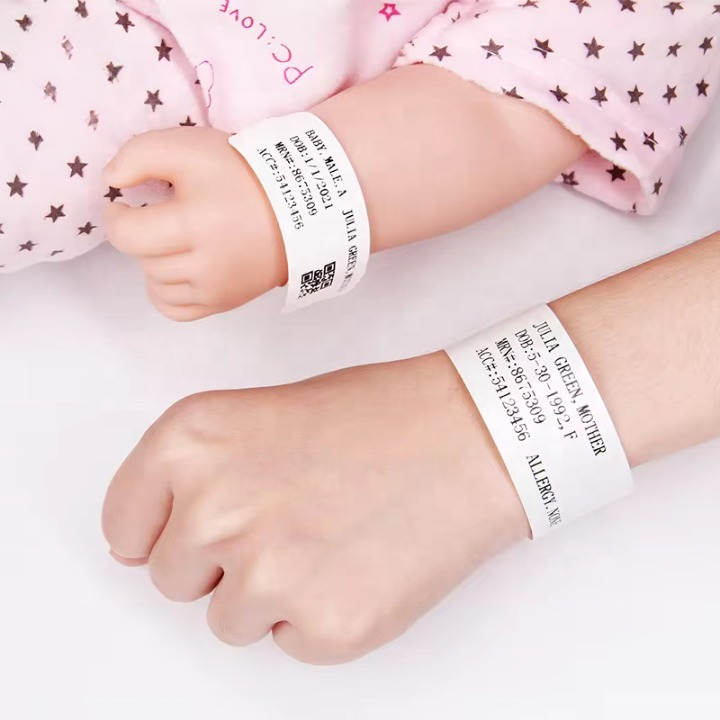
Patient identification is one of the most fundamental safety practices in healthcare, and for pediatric patients, it carries unique challenges and heightened importance. Children are not simply small adults. Their anatomy, physiology, communication abilities, and developmental stages all differ significantly from those of adult patients, and these differences have direct implications for how patient wristbands should be selected, applied, and monitored.
A pediatric patient wristband serves the same essential purpose as its adult counterpart: to ensure that the right care is delivered to the right patient. However, achieving this goal in children requires attention to sizing accuracy, material safety, and — perhaps most importantly — parent and caregiver education. When parents understand the purpose and proper care of their child's identification band, they become valuable partners in preventing errors and recognizing complications.
This article explores the three pillars of pediatric wristband management: sizing, safety, and parent education. It is intended for healthcare providers, hospital administrators, and medical wristband suppliers who serve pediatric populations and who share a commitment to preventing identification errors and wristband-related harm in children.
Why Pediatric Identification Deserves Special Attention
A Higher Stakes Environment
Children are particularly vulnerable to medical errors. They may be unable to state their name, may have limited vocabulary for describing discomfort, and may not understand the purpose of a hospital identification band. In neonatal intensive care units, pediatric wards, and emergency departments, the margin for error is narrow, and the consequences of misidentification can be devastating.
The Joint Commission and other patient safety organizations emphasize that accurate patient identification is a National Patient Safety Goal. For pediatric patients, this goal takes on additional complexity because of the many patients who may be unable to participate in their own identification verification. A newborn, a toddler, or a developmentally delayed child may all be unable to confirm their identity, making the physical identification band and the accompanying verification processes even more critical.
The Dual Role of the Pediatric Wristband
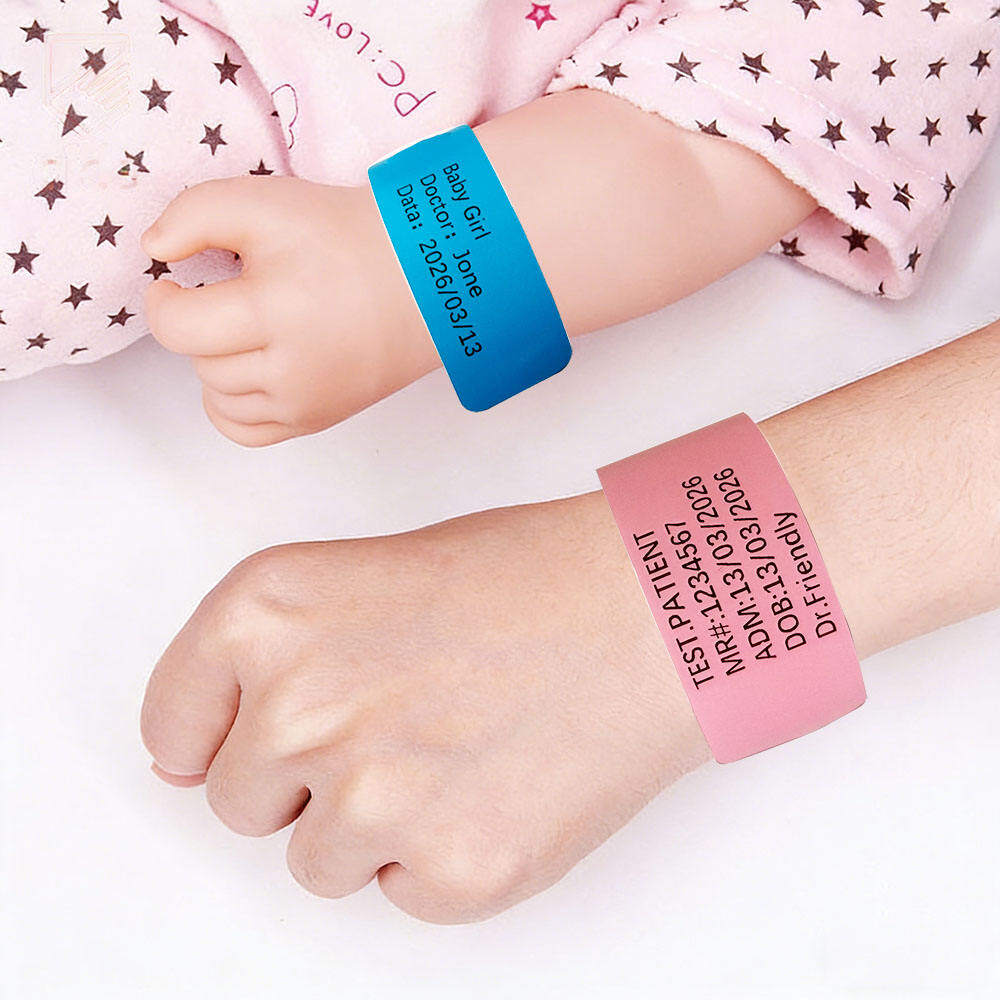
In pediatric care, the patient wristband serves two interconnected purposes. First, it identifies the child by name, medical record number, date of birth, and other identifiers. Second, it links the child to their caregivers — parents, guardians, or other responsible adults — which is essential for consent, communication, and family-centered care.
This dual role means that pediatric wristband practices must consider not only the child but also the family unit. Parent education is not an optional add-on; it is a core component of safe pediatric identification.
Sizing Pediatric Patient Wristbands
The Challenge of Small Anatomy
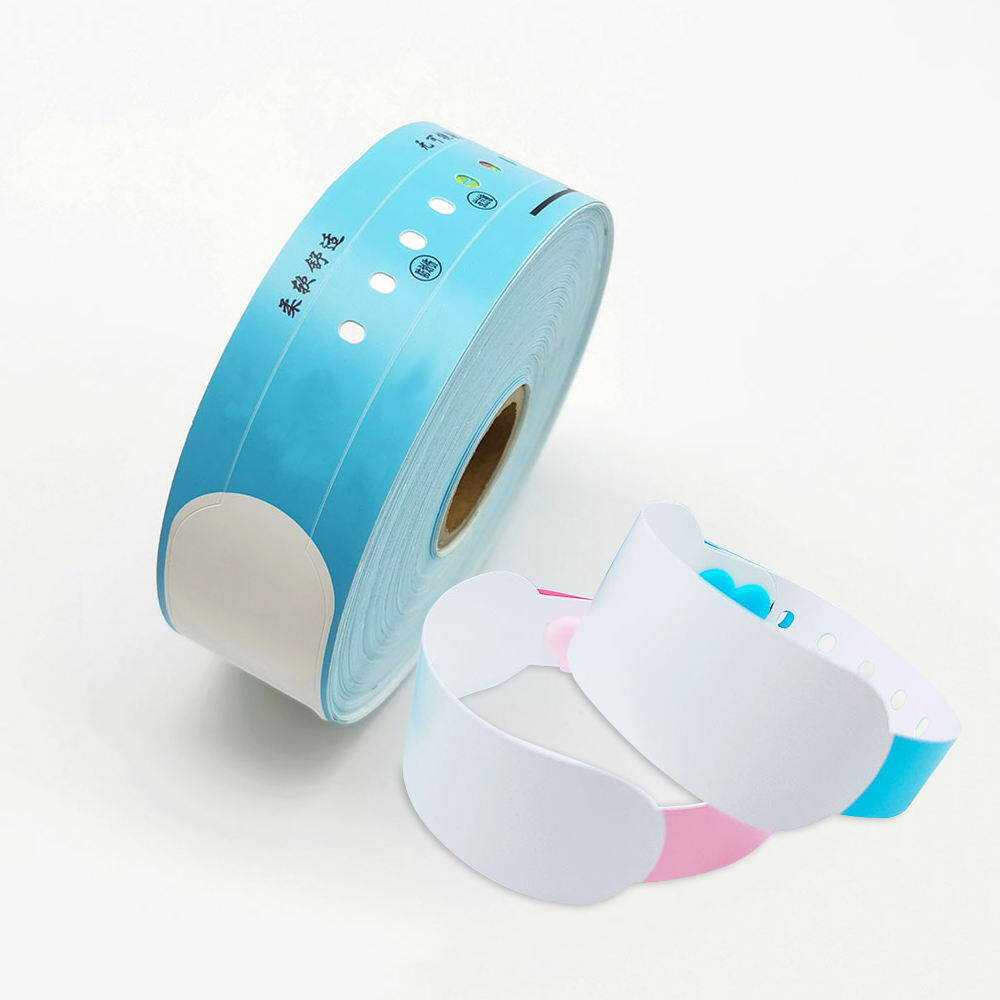
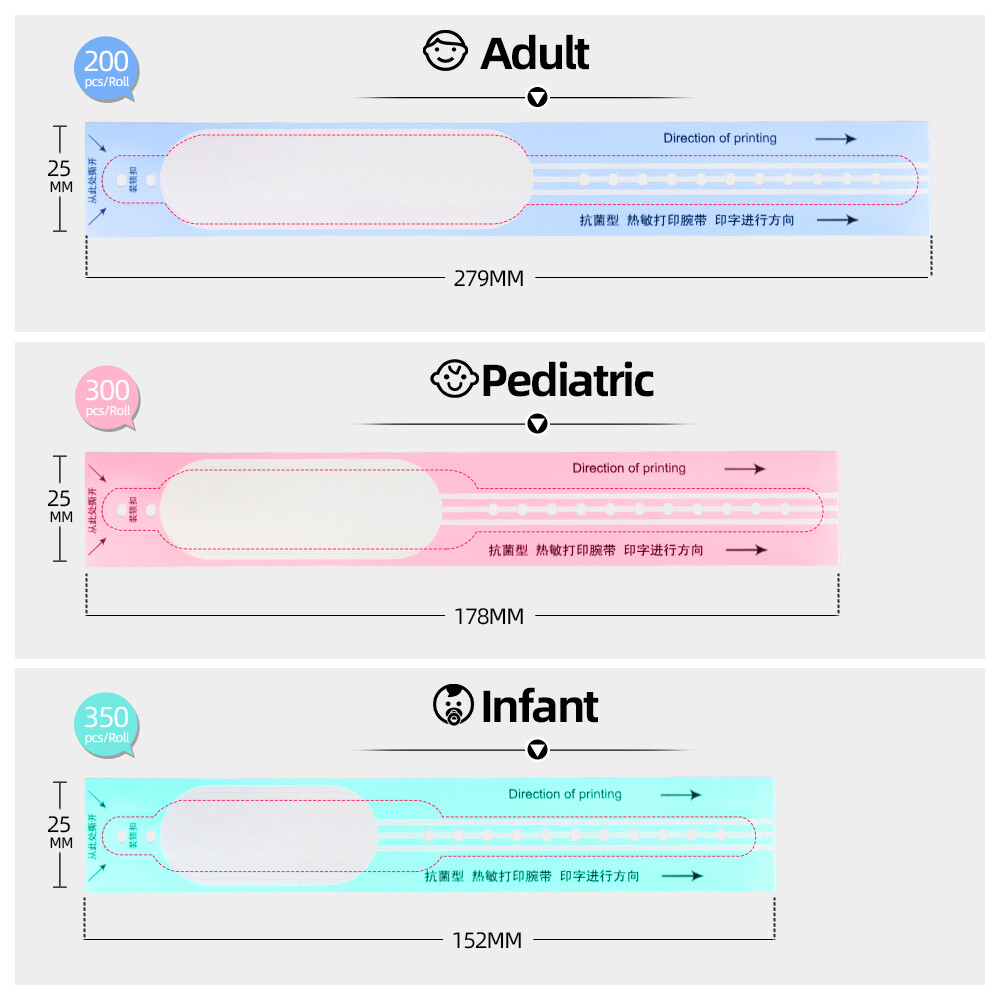
Sizing is the first and most immediate challenge in pediatric wristband management. Children's wrists and ankles are substantially smaller than those of adults, and they vary enormously across the pediatric age spectrum. A wristband that fits a five-year-old may be far too large for a premature infant and far too small for an adolescent.
Using an adult-sized band on a small child creates multiple problems. The band may be so loose that it slips off, compromising identification. Alternatively, healthcare providers may be tempted to apply the band tightly to prevent it from falling off, creating a risk of circulation compromise and skin injury. Neither outcome is acceptable.
Guidelines for Selecting the Right Size
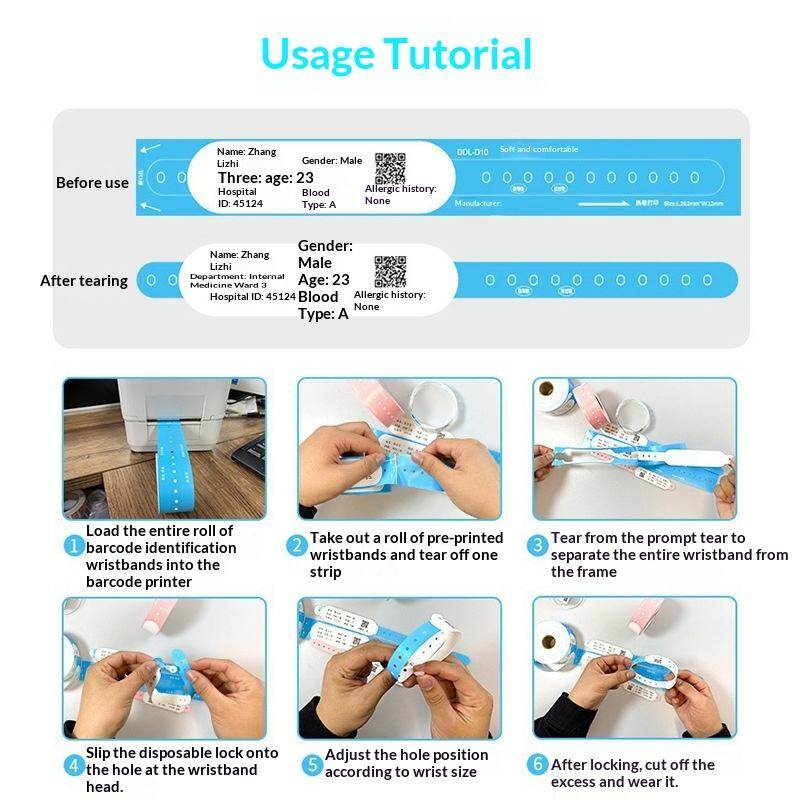
Pediatric wristbands should be selected based on measured limb circumference rather than estimated age or weight alone. The following practices support accurate sizing:
- Measure before applying: use a flexible measuring tape to determine the circumference of the intended placement site. Compare this measurement to the manufacturer's sizing guidelines for the specific product being used.
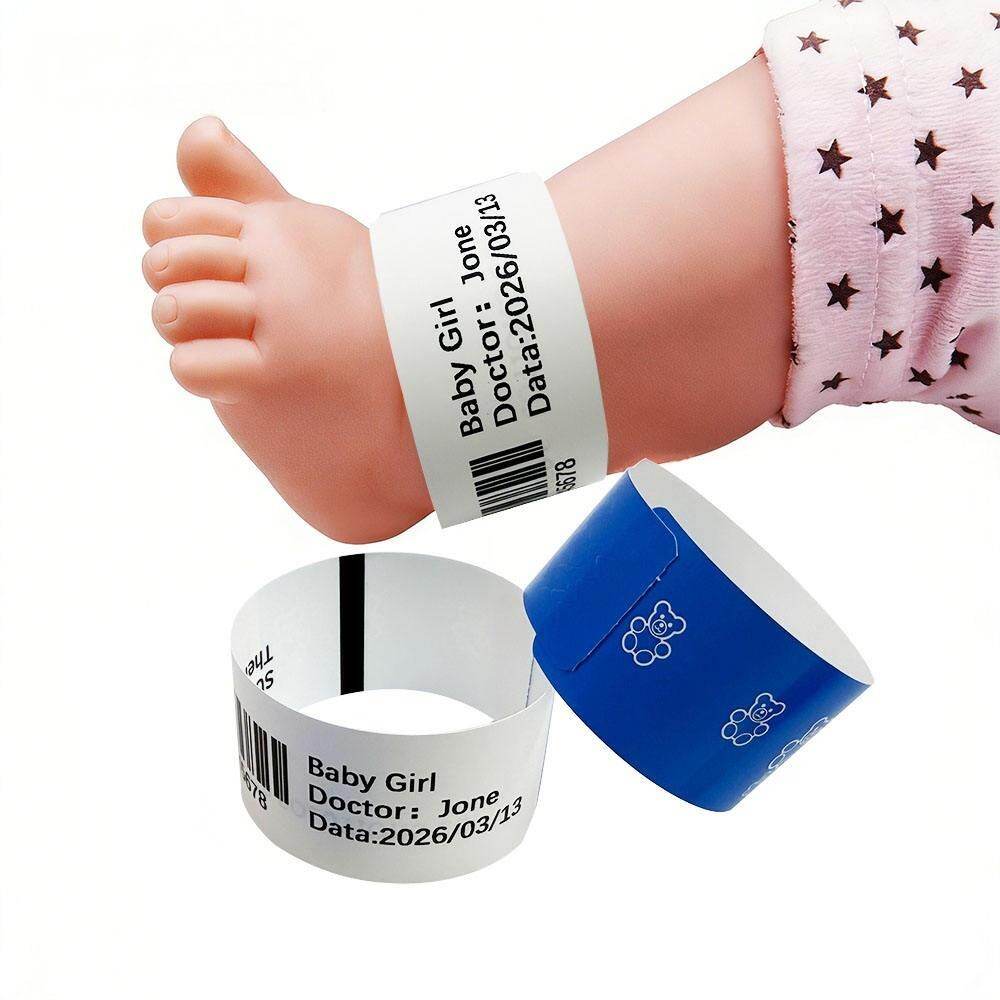
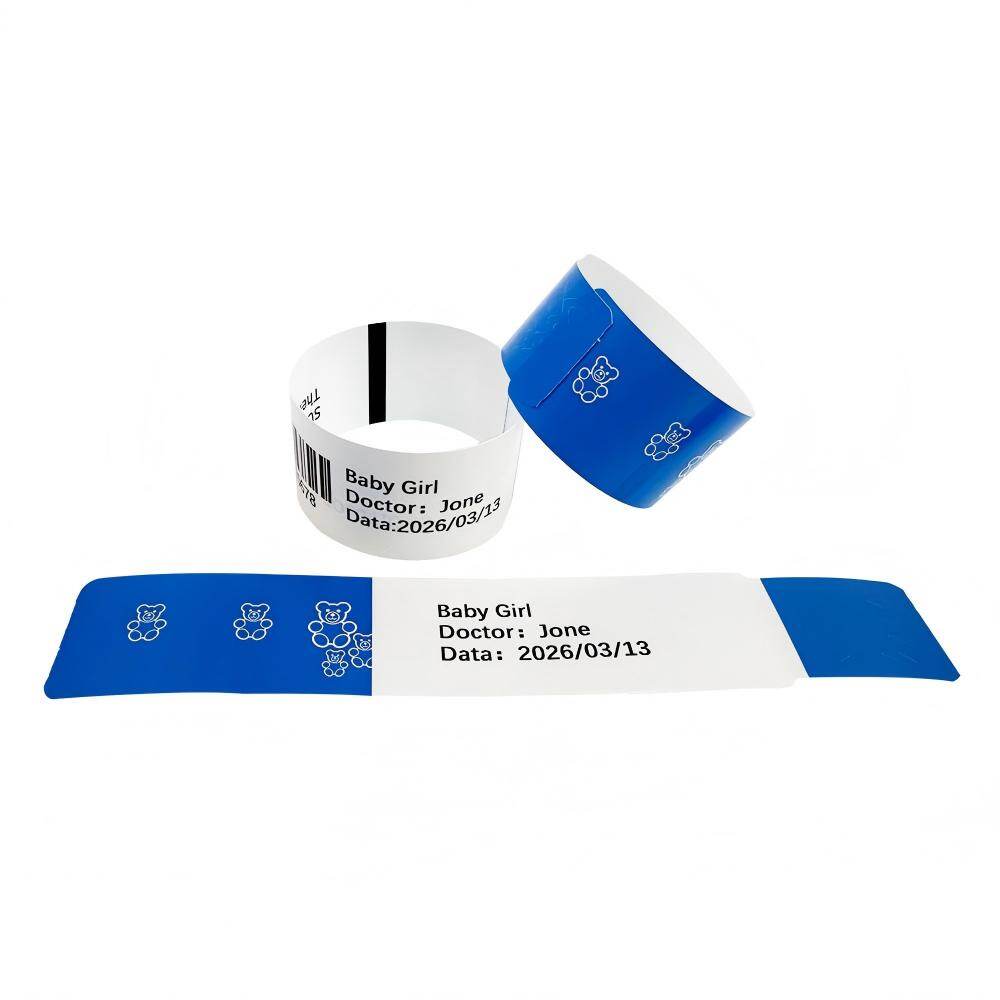
- Use pediatric-specific products: many medical wristband manufacturers offer pediatric sizes, including neonatal, infant, child, and adolescent options. These products are designed with appropriate lengths, widths, and closure mechanisms for smaller anatomy.
- Consider adjustability: adjustable wristbands that allow tension to be modified are particularly valuable in pediatric settings, where limb circumference can change rapidly due to growth, hydration status, or medical interventions.
- Avoid over-tightening: the same two-finger rule that applies to adults applies to children, with appropriate adaptation for small fingers. A band should be snug enough to remain in place but loose enough to allow a finger to slide beneath it.
- Reassess frequently: children grow quickly, and hospitalized children may experience rapid changes in weight and fluid status. Wristbands should be reassessed at least once per shift and replaced when they no longer fit properly.
Special Considerations for Neonates and Infants
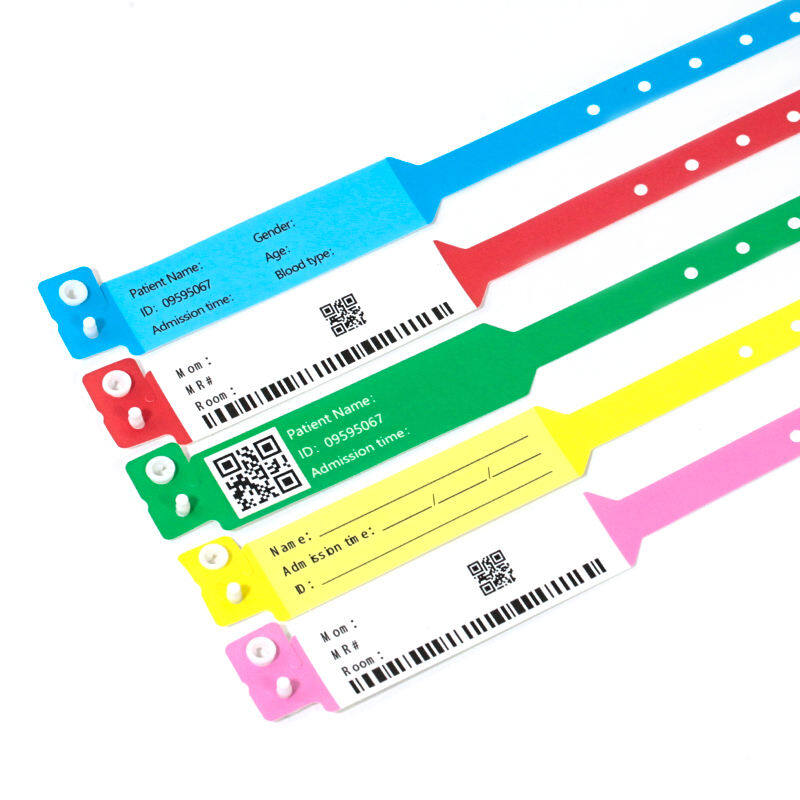
Neonatal and infant patients present the greatest sizing challenges. Their limbs are extremely small, their skin is delicate, and their movements are unpredictable. Key considerations include:
- Dedicated neonatal bands: use bands specifically designed for neonates, which are narrower and shorter than standard pediatric bands.
- Avoid limb constriction: because neonatal limbs are so small, even slight over-tightening can compromise circulation. Use the utmost care when securing bands on these patients.
- Secure placement: neonatal bands may be placed on the wrist, ankle, or — in some cases — the umbilical cord stump area, depending on facility policy and product design.
- Frequent monitoring: given the rapid changes that occur in neonates, wristband assessment should occur at least every four hours and with every significant change in the patient's condition.
Safety Considerations for Pediatric Wristbands
Skin Integrity and Material Selection
Children's skin is thinner, more permeable, and more sensitive than adult skin. This makes material selection a critical safety consideration. Wristbands should be made from soft, hypoallergenic, breathable materials that minimize the risk of irritation, contact dermatitis, or pressure injury.
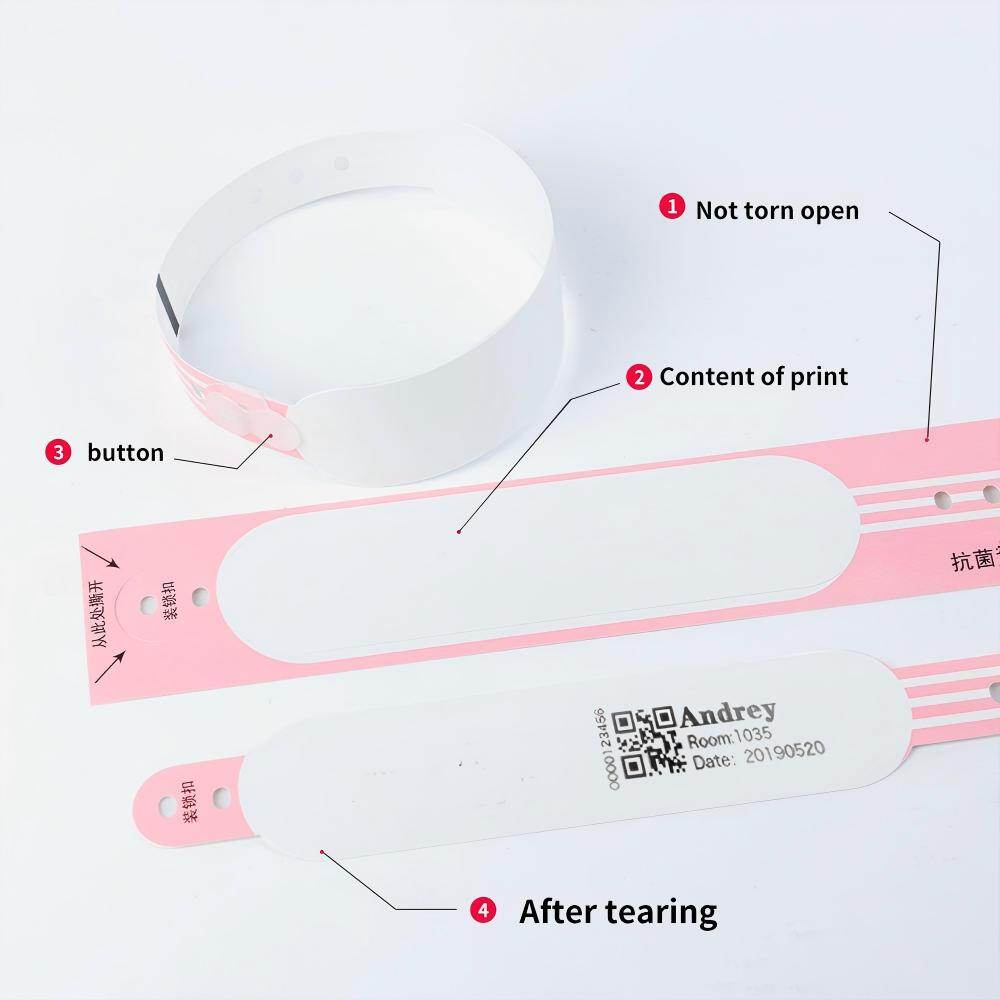
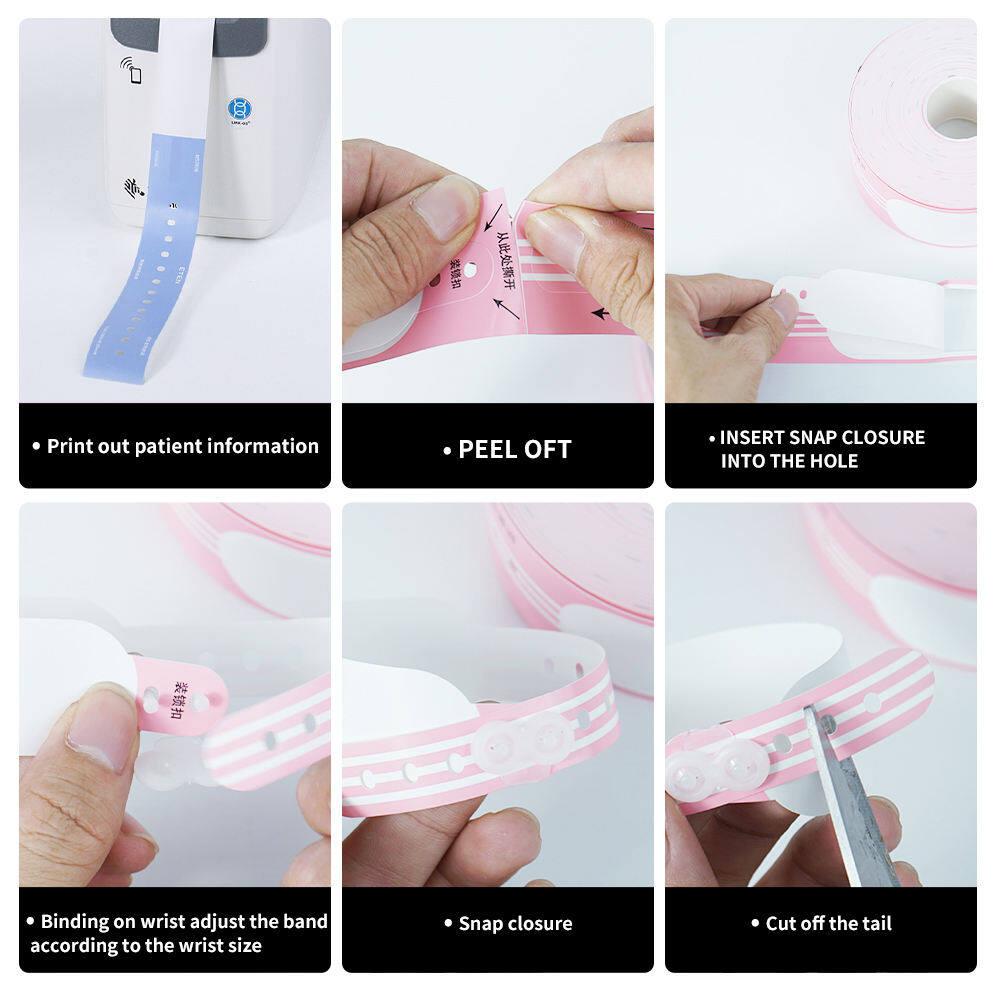
Adhesive-backed bands require special caution in pediatric patients. Adhesives can cause skin trauma when removed, particularly in neonates whose skin is fragile. For this reason, many pediatric facilities prefer bands with clip or snap closures rather than adhesive closures.
Preventing Choking and Strangulation Hazards
Any item placed around a child's wrist, ankle, or neck carries a theoretical risk of becoming a choking or strangulation hazard if it is removed and placed in the mouth or wrapped around the neck. While this risk is low with properly applied wristbands, it warrants attention. Wristbands should be secured in a way that makes them difficult for the child to remove independently, and parents should be educated about the importance of not removing the band.
For very young children who mouth objects, choosing bands without small detachable parts reduces the risk of choking.
Avoiding Neurovascular Compromise
As with adults, pediatric wristbands applied too tightly can compromise circulation and nerve function. Because children may be unable to articulate symptoms such as numbness or tingling, healthcare providers and parents must rely on observational signs: color changes, swelling, coolness, or skin indentations that persist after band removal.
Any sign of neurovascular compromise warrants immediate band removal and reassessment. In neonates and infants, the risk is heightened because of the small size of blood vessels and nerves.
Tamper Resistance and Security
Pediatric patients — especially toddlers and young children — may attempt to remove their wristbands. Older children may also remove bands out of curiosity or discomfort. Tamper-evident bands that show visible signs of removal help ensure that identification remains intact and that any tampering is recognized.
For patients at risk of wandering or abduction, additional security measures may be warranted, including bands with specialized closures or supplementary identification systems.
Matching and Verification Practices
In pediatric settings, matching the child to the correct medical record and to the correct parent or guardian is essential. Verification practices should include:
- Two-identifier verification: use at least two patient identifiers — typically the wristband and a verbal confirmation from the parent or guardian — before any procedure, medication administration, or blood transfusion.
- Parent-child matching: in neonatal and infant units, implement matching systems that verify the identity of both the infant and the mother or caregiver. This is particularly important in busy maternity units.
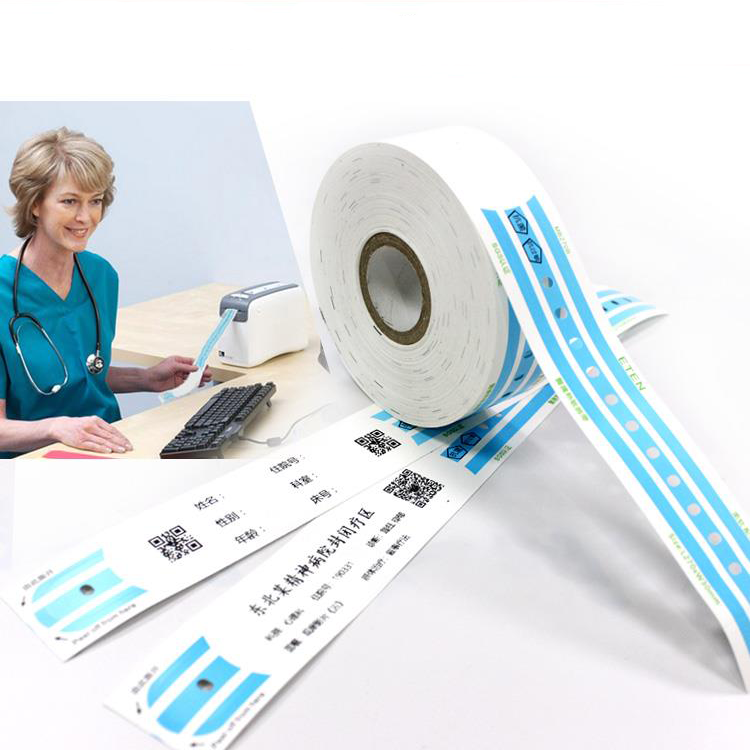
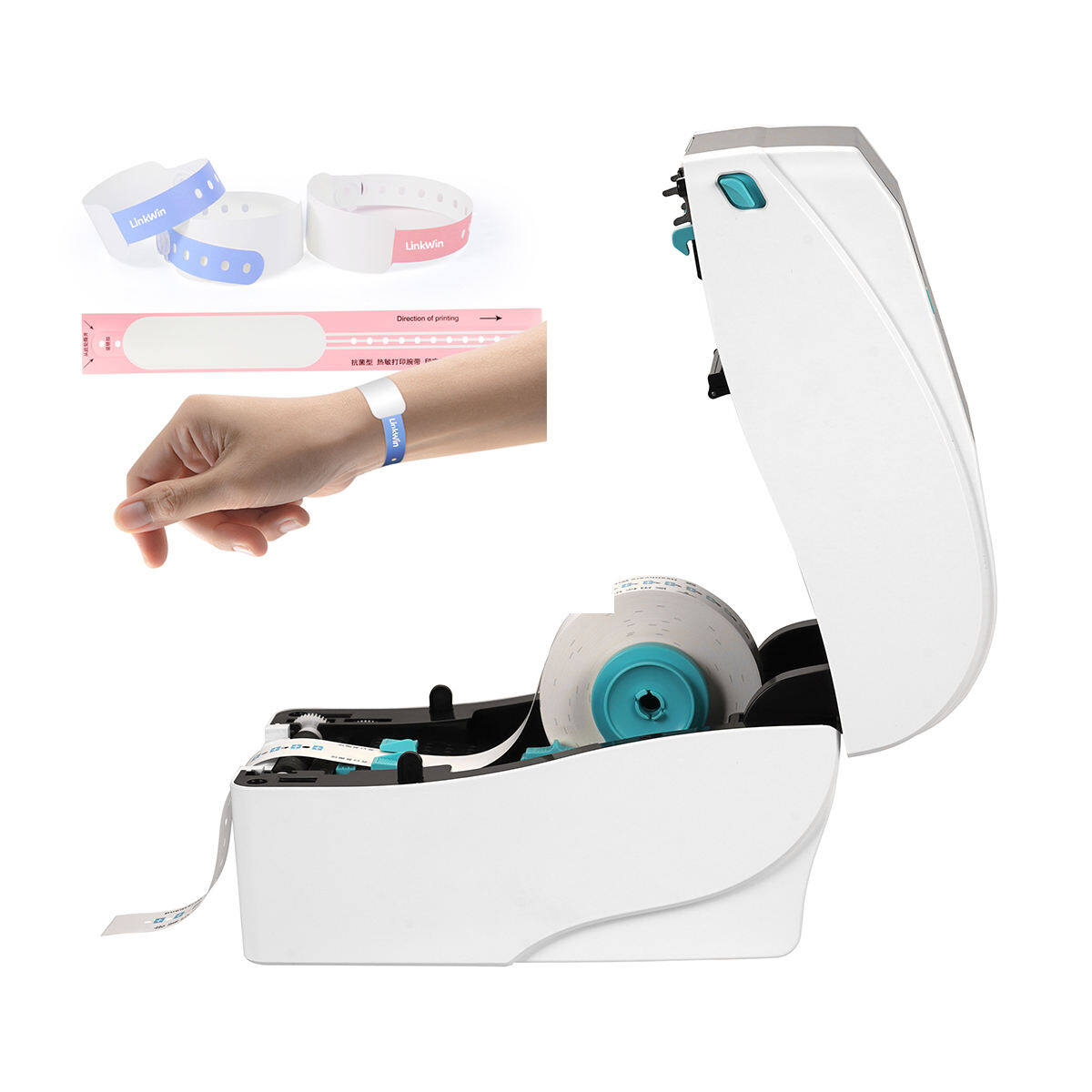
- Barcode scanning: many facilities use barcode scanning of the wristband to verify patient identity at the point of care. This technology reduces errors and provides an additional layer of safety.
- Photo identification: some pediatric facilities include a photograph on the wristband or in the medical record to provide visual confirmation of identity, especially for patients who cannot verbalize their name.

Parent Education: The Third Pillar
Why Parent Education Matters
Parents are not bystanders in pediatric care — they are essential partners. In the hospital setting, parents are often the most consistent presence at the bedside, and they know their child's baseline behavior, appearance, and communication patterns better than anyone else. When parents understand the purpose and proper care of their child's wristband, they can help prevent identification errors, recognize complications early, and ensure that the band remains in place and legible.
Education should begin at admission and continue throughout the hospital stay. It should be tailored to the parent's language, health literacy level, and emotional state. Parents of hospitalized children are often anxious and overwhelmed, so information should be delivered clearly, compassionately, and in manageable amounts.
Key Teaching Points for Parents
- Purpose of the wristband: explain that the wristband is used to make sure their child receives the correct care, medications, and treatments. Emphasize that it is not a form of tracking or restriction but a safety tool.
- Importance of keeping it on: parents should understand that the wristband should remain on at all times during the hospital stay. If it falls off, becomes unreadable, or is removed for any reason, they should notify a nurse immediately so it can be replaced.
- Checking for tightness: teach parents how to check that the band is not too tight. Show them the two-finger rule and explain the signs of excessive tightness: redness, swelling, skin indentations, coolness, or complaints of numbness or tingling.
- Reporting concerns: parents should be encouraged to report any concerns about the wristband to their child's nurse or physician without hesitation. They should never adjust or remove the band themselves.
- Verification participation: explain that staff will verify the wristband before medications, procedures, and blood transfusions. Parents can support this process by confirming their child's identity when asked and by ensuring the band is visible and accessible.
- Emergency situations: in an emergency, the wristband may be the only reliable source of identification. Parents should understand its importance in these situations.
Communication Strategies for Healthcare Providers
Effective parent education requires more than a single conversation. Healthcare providers should:
- Use plain language: avoid medical jargon. Explain concepts in simple, everyday terms.
- Provide written materials: supplement verbal teaching with written information in the family's preferred language. Pamphlets, posters, and discharge instructions can reinforce key points.
- Use teach-back: ask parents to explain in their own words what they have learned. This confirms understanding and identifies gaps.
- Address cultural considerations: respect cultural beliefs and practices related to health and child care. Some families may have concerns about bands or identification practices; address these sensitively and provide accurate information.
- Reinforce at every opportunity: repeat key messages during shift changes, before procedures, and at discharge. Reinforcement improves retention and adherence.
Common Myths and Misconceptions
- Myth: the wristband is uncomfortable and can be removed at night. Some parents believe that removing the wristband at night will help their child sleep better. In reality, removing the band compromises safety and is never appropriate during hospitalization. Parents should be taught that the band is designed to be comfortable and that if it is causing discomfort, the solution is to notify staff — not to remove it.
- Myth: a loose band is safer than a tight one. While excessive tightness is dangerous, a band that is too loose can slip off and be lost, leading to identification errors. The goal is proper fit, not maximum looseness.
- Myth: only the nurse needs to know about the wristband. All members of the healthcare team — physicians, therapists, technicians, and support staff — rely on the wristband for identification. Parents should understand that the band is part of a system that involves everyone.
Quality Improvement and Institutional Practices
Policies and Protocols
Healthcare facilities should have clear, written policies regarding pediatric wristband selection, application, assessment, and replacement. These policies should address:
- Sizing guidelines by age and weight
- Acceptable placement sites
- Frequency of assessment
- Procedures for replacing lost or illegible bands
- Documentation requirements
Staff Training
All staff who apply or assess pediatric wristbands should receive initial and ongoing training. Training should include hands-on practice with pediatric-sized products, case studies of identification errors, and strategies for effective parent education.
Monitoring and Feedback
Facilities should track wristband-related incidents, including lost bands, identification errors, and skin complications. This data can identify trends and inform improvement efforts. Regular audits of wristband practice can also help ensure compliance with policies.
Conclusion
Pediatric patient wristbands are a critical safety tool, but their effectiveness depends on proper sizing, careful attention to safety, and meaningful parent education. Children are not small adults, and their identification needs require specialized approaches that account for their unique anatomy, development, and dependence on caregivers.
For healthcare providers, the key messages are clear: measure before applying, choose pediatric-specific products, monitor frequently, and educate parents as partners. For medical wristband manufacturers, the pediatric market demands products that are safe, comfortable, adjustable, and available in a range of sizes suitable for neonates through adolescents. For healthcare facilities, investing in pediatric-specific policies, training, and quality monitoring is essential to preventing identification errors and protecting the youngest and most vulnerable patients.
When a child wears a properly fitted wristband and their parents understand its purpose and care, the entire care team gains a reliable foundation for safe, accurate, and family-centered care. In pediatrics, where every detail matters, the humble wristband becomes a powerful symbol of the commitment to protecting those who cannot protect themselves.
Continue Reading
Have Questions About Wristbands?
Our team is ready to help you find the perfect wristband solution for your needs. Contact us directly on WhatsApp for quick responses.
Contact on WhatsApp