
Beyond Patient Identification: The Life-Saving Role of NFC and QR Code Wristbands in Pre-Hospital Emergency Care
Introduction: When Every Second Counts
In the critical moments following a medical emergency outside the hospital, the difference between a positive outcome and a tragedy often hinges on one factor: information. When a person collapses on the street, suffers an accident at home, or becomes unresponsive in a public place, first responders and bystanders face an immediate and profound challenge — they know nothing about the victim's medical history, allergies, current medications, or emergency contacts. This information vacuum can lead to delayed treatment, administration of contraindicated medications, or failure to honor the patient's expressed wishes regarding their care.
The traditional medical identification bracelet, while valuable, has significant limitations in addressing this challenge. Engraved metal tags can convey only a handful of words, cannot be updated as medical conditions change, and may be illegible or damaged when they are needed most. In response to these shortcomings, a new generation of digital medical identification devices has emerged — wristbands equipped with Near Field Communication (NFC) chips and QR codes that link to comprehensive, updatable digital medical profiles accessible by anyone with a smartphone.
Section 1: The Problem with Traditional Medical IDs and the Information Gap
1.1. The Limitations of Engraved Bracelets and Wallet Cards
For decades, medical alert bracelets and wallet cards have served as the primary means of communicating critical health information in emergencies. These tools have undoubtedly saved lives, but their inherent design constraints limit their effectiveness in the modern healthcare landscape.
Limited Information Capacity: A standard engraved bracelet can typically hold only 20–40 characters of text. This is sufficient to communicate a single condition such as "Type 1 Diabetic" or "Penicillin Allergy," but it cannot convey a comprehensive medical picture. Patients with multiple chronic conditions, complex medication regimens, or specific advance directives simply cannot fit all relevant information onto a physical tag. In an emergency, first responders may learn about one condition while remaining blind to others that are equally critical to safe treatment.
Lack of Dynamic Updatability: Medical conditions change. Medications are added, discontinued, or adjusted. Allergies develop over time. An engraved bracelet is static — once manufactured, its information cannot be modified without replacing the entire device. Patients who experience changes in their health status must purchase new bracelets, and there is no guarantee they will remember to do so promptly. During the gap between a medical change and a bracelet replacement, the device provides outdated and potentially dangerous misinformation.
Illegibility and Damage: Physical wear, corrosion, and damage from accidents can render engraved text unreadable precisely when it is most needed. Metal tags can become scratched, bent, or coated in debris after an accident. Wallet cards can be lost, torn, or separated from the patient. In contrast, digital information stored behind an NFC chip or QR code remains intact regardless of physical damage to the wristband itself, as long as the chip or code remains scannable.
1.2. The Critical Need for Comprehensive, Instant Access
The pre-hospital environment is uniquely demanding. Unlike the controlled setting of a hospital where patient records are readily available through electronic health systems, emergency scenes offer no such infrastructure. Paramedics arriving at a roadside accident, off-duty nurses encountering a medical emergency in a restaurant, or Good Samaritans assisting a collapsed stranger have zero access to the patient's medical history unless the patient can communicate it verbally — which, by definition, they cannot in cases of unconsciousness, severe trauma, stroke, or seizure.
This information gap has real clinical consequences. Administration of a medication to which the patient is allergic can trigger anaphylaxis. Failure to recognize that a patient is on anticoagulant therapy can lead to catastrophic bleeding during trauma management. Unawareness of a Do Not Resuscitate order or other advance directive can result in interventions that violate the patient's expressed wishes. The ability to instantly access comprehensive medical information at the point of emergency care is not merely convenient — it is a patient safety imperative.
Section 2: NFC and QR Code Wristbands: The Digital Lifeline in Action
2.1. Understanding the Technology: How NFC and QR Codes Work
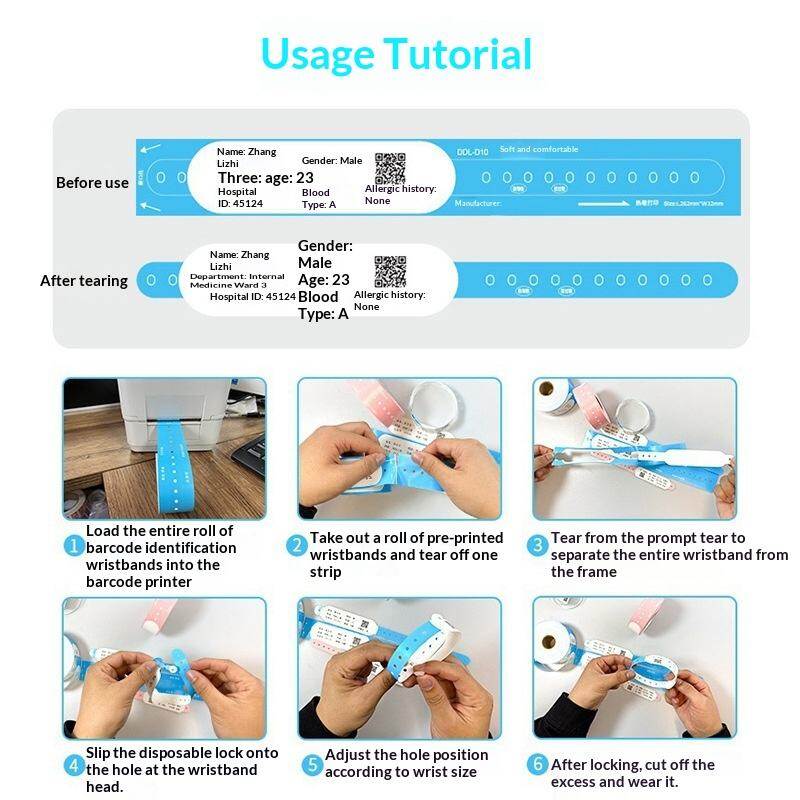
Near Field Communication (NFC): NFC is a short-range wireless communication technology that enables data exchange between devices when they are brought within approximately 4 centimeters of each other. An NFC chip embedded in a wristband is passive — it requires no battery and is powered by the electromagnetic field generated by the reading device (typically a smartphone). When a first responder taps their phone against the wristband, the chip transmits a unique identifier or URL that directs the phone to the patient's secure digital medical profile. NFC offers several advantages: it works with a simple tap gesture requiring no camera or special app, functions in low-light conditions, and can be read even if the wristband surface is partially obscured.
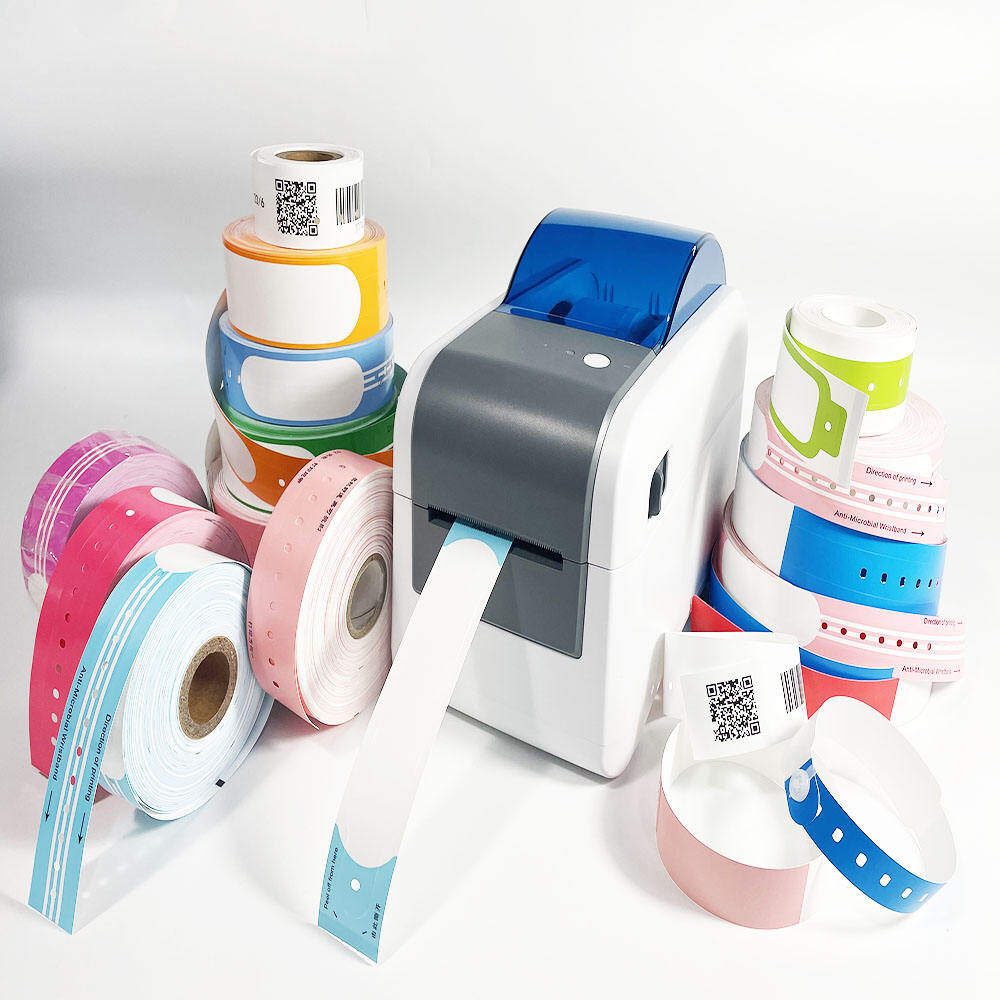
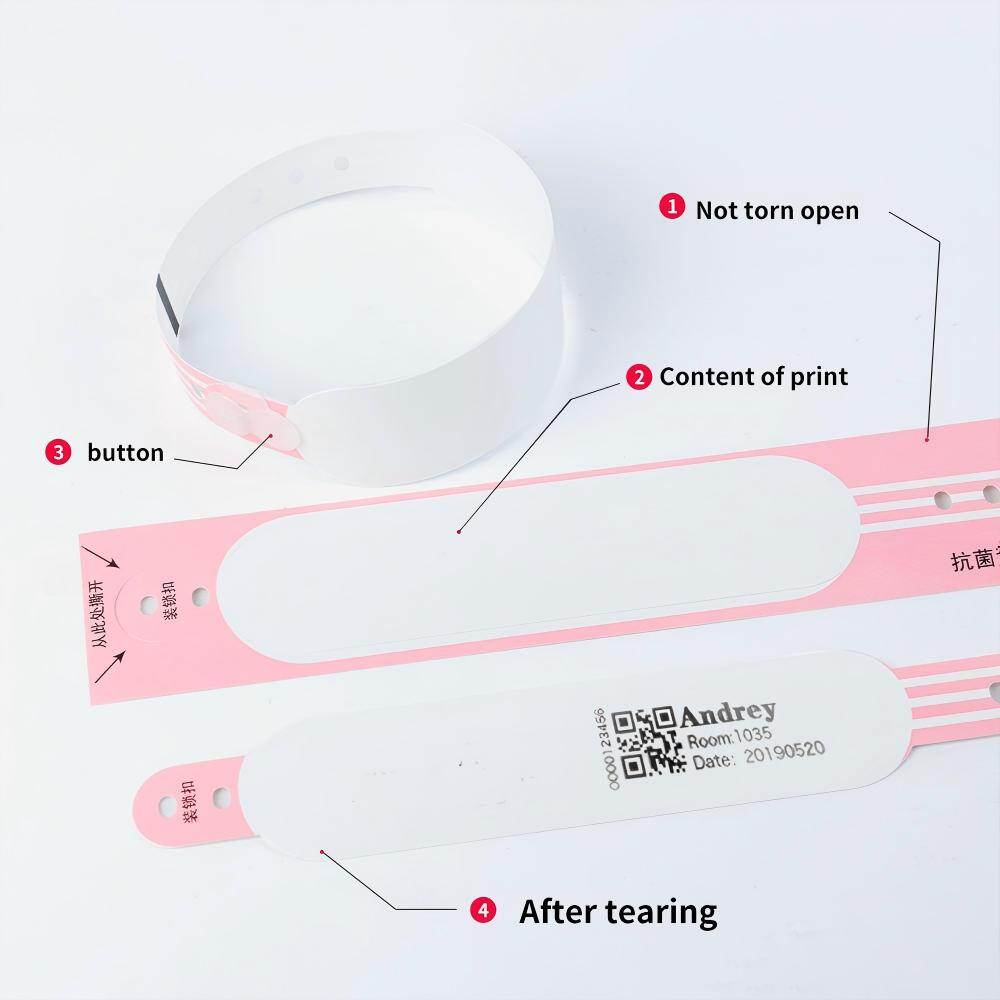
QR Codes: Quick Response codes are two-dimensional barcodes that encode a URL or other data in a machine-readable pattern. Printed directly onto the wristband surface, a QR code can be scanned by any smartphone camera without requiring specialized hardware. While QR codes require visual line-of-sight and adequate lighting, they serve as an excellent complementary technology to NFC, providing redundancy in case one method fails. Most modern NFC-enabled medical wristbands also include a printed QR code as a fallback access mechanism.
Both technologies direct the scanning device to a web-hosted digital profile rather than storing medical data directly on the wristband. This architecture offers critical advantages: the information can be updated in real time by the patient or their healthcare provider, access can be secured through encryption and authentication controls, and the amount of information conveyed is limited only by server storage capacity rather than physical space on the device.
The combination of NFC and QR code technologies in a single wristband creates a robust, redundant system for emergency medical information access. Whether the responder uses a tap or a scan, the result is the same: instant access to the patient's comprehensive medical profile.
2.2. The Digital Profile: Storing Unlimited, Up-to-Date Medical Information
The digital medical profile linked to an NFC/QR wristband represents a quantum leap beyond the capabilities of traditional medical IDs. Where an engraved bracelet might communicate a single allergy, a digital profile can store and display a comprehensive medical summary including:
- Patient Identification: Full name, date of birth, photograph, and blood type for positive identification and transfusion readiness
- Critical Medical Conditions: Diabetes, epilepsy, heart disease, asthma, hemophilia, organ transplant status, and other conditions that affect emergency treatment decisions
- Allergies and Sensitivities: Drug allergies, food allergies, latex sensitivity, and environmental allergens with severity levels noted
- Current Medications: Complete medication list including dosages, frequencies, and indications — critical for avoiding drug interactions and understanding the patient's baseline physiology
- Emergency Contacts: Names, relationships, and phone numbers of family members, caregivers, or designated decision-makers who can provide additional context and make decisions on the patient's behalf
- Medical Devices: Presence of pacemakers, insulin pumps, cochlear implants, or other implanted devices that affect treatment options (e.g., MRI contraindications)
- Pre-Existing Directives: Do Not Resuscitate orders, living wills, healthcare power of attorney designations, and other advance directives that guide end-of-life and incapacitation care decisions
- Primary Care Physician and Specialists: Contact information for the patient's regular healthcare providers who can supply detailed medical history and treatment preferences
Crucially, this information can be updated at any time by the patient or their authorized representative through a secure web portal. When a new medication is prescribed, an allergy is identified, or an advance directive is revised, the digital profile reflects the change immediately — no new bracelet needs to be ordered, no waiting period for delivery. This dynamic updatability ensures that the information accessed by first responders is always current, eliminating the dangerous lag inherent in static identification methods.
2.3. Access for Everyone: Empowering Good Samaritans and First Responders
Good Samaritans: Bystanders who encounter a medical emergency are often the first people on scene, arriving before professional help. These individuals typically have no medical training and no access to the victim's health information. An NFC/QR wristband transforms any smartphone-equipped bystander into an informed advocate who can relay critical medical information to 911 dispatchers, avoid administering harmful substances, and provide comfort based on knowledge of the patient's specific needs. The simplicity of a tap or scan removes all barriers to access — no special equipment, no training, no passwords required for basic emergency information.
First Responders: EMTs, paramedics, and firefighters operate under extreme time pressure and frequently encounter patients who cannot communicate. The ability to instantly access a patient's medical profile through a wristband scan dramatically accelerates the assessment phase of emergency care. Instead of spending precious minutes searching for medical alert jewelry, questioning bystanders, or attempting to contact family members, responders can immediately identify contraindications, adjust treatment protocols, and prepare receiving facilities with accurate patient information. Several EMS agencies have begun incorporating NFC/QR wristband scanning into their standard operating procedures, recognizing the technology as a force multiplier for pre-hospital care quality.
Law Enforcement: Police officers are frequently first on scene at accidents and medical emergencies. While their primary role is scene safety and security, officers often provide initial aid before EMS arrival. Access to medical information through a wristband scan enables officers to make informed decisions about patient handling, communicate relevant details to dispatch, and avoid actions that could exacerbate medical conditions. For individuals with autism, dementia, or psychiatric conditions who may exhibit behaviors misinterpreted as non-compliance, a wristband scan can immediately inform officers of the underlying condition and appropriate interaction strategies.
The universal accessibility of NFC/QR wristband technology is its defining advantage. Unlike proprietary systems that require specific readers or institutional credentials, these wristbands leverage the ubiquitous smartphone as the access device. With smartphone penetration exceeding 85% in most developed nations, the infrastructure for reading these wristbands already exists in the pockets of virtually every potential responder.
Section 3: Real-World Applications and Case Studies
3.1. Case Study: Sharewear Empowers Vulnerable Populations in Florida
The Sharewear program, implemented across multiple counties in Florida, represents one of the most comprehensive municipal adoptions of digital medical identification technology. The program provides NFC and QR code wristbands to vulnerable populations including elderly residents with dementia, individuals with developmental disabilities, and children with autism spectrum disorder. Each wristband links to a secure profile containing the wearer's photo, medical conditions, behavioral considerations, and emergency contact information.
The program was initiated after several high-profile incidents in which wandering individuals with cognitive impairments were found by law enforcement but could not be identified or returned to their families for hours. With Sharewear wristbands, officers can scan the band and immediately access the individual's photo, caregiver contact information, and communication guidance. Average identification and reunification time has decreased from over four hours to under thirty minutes in participating jurisdictions.
Beyond emergency response, the program has fostered community awareness and engagement. Local businesses, schools, and transit authorities have been educated about the wristband system, creating a network of informed community members who can assist vulnerable individuals. The program demonstrates how digital medical identification extends beyond individual safety to create systemic community resilience.
3.2. Case Study: RAPIDx — Bridging the Gap Between Consumers and EMS
RAPIDx is a consumer-focused digital medical ID platform that partners with EMS agencies to integrate wristband data directly into pre-hospital care workflows. Unlike standalone medical ID services, RAPIDx has established formal data-sharing agreements with participating EMS systems, enabling paramedics to access verified medical information through their existing mobile data terminals rather than personal smartphones.
The integration addresses a key adoption barrier: first responder reluctance to use personal devices for patient care activities due to privacy concerns, infection control protocols, and departmental policies. By making wristband data accessible through official EMS equipment, RAPIDx has achieved higher scan rates and more consistent utilization among partner agencies. Early data from pilot programs indicates that patients wearing RAPIDx wristbands receive more targeted initial treatment and experience fewer medication-related adverse events during transport.
The RAPIDx model demonstrates the importance of designing digital medical ID systems around the actual workflows and constraints of emergency responders, rather than expecting responders to adapt their practices to accommodate new technology. Successful adoption requires meeting users where they are.
3.3. Mass Casualty Incidents: The NIGHTINGALE Project
The NIGHTINGALE project, a European Union-funded research initiative, explored the application of NFC-enabled wristbands in mass casualty incident (MCI) management. In MCI scenarios, traditional patient identification and triage systems are overwhelmed by the volume of casualties and the chaos of the scene. Paper triage tags are easily lost, damaged, or misread, and patient tracking from scene to hospital is frequently fragmented.
The NIGHTINGALE prototype deployed NFC wristbands to casualties during simulated mass casualty exercises. Each wristband stored the patient's triage category, assigned treatment priority, and destination hospital. First responders and receiving hospitals could scan the wristband to instantly access this information and update it as the patient's status changed. The system enabled real-time casualty tracking across the entire chain of evacuation, from scene triage through transport to definitive care. Exercise evaluations demonstrated significant improvements in patient tracking accuracy, reduced time to definitive care, and enhanced situational awareness for incident commanders.
3.4. The RAZ and TapMedID Medical ID Bracelets: Consumer-Ready Safety
The consumer market for digital medical ID wristbands has matured significantly, with products like the RAZ Medical ID Bracelet and TapMedID offering polished, user-friendly solutions for everyday wear. These products combine attractive, comfortable wristband designs with reliable NFC and QR code functionality, addressing the aesthetic concerns that have historically limited medical ID adoption.
The RAZ bracelet features a sleek, minimalist design available in multiple colors and materials, making it indistinguishable from fashionable accessories. The embedded NFC chip and printed QR code link to a comprehensive digital profile managed through an intuitive mobile app. Users report high compliance rates because the bracelet does not stigmatize them as medically fragile — it looks like a fitness tracker or fashion accessory. TapMedID similarly emphasizes design alongside functionality, offering customizable bands that appeal to younger demographics who may resist traditional medical alert jewelry. Both platforms demonstrate that effective medical identification need not sacrifice style for safety, and that consumer acceptance is essential to achieving the widespread adoption necessary for population-level impact.
Section 4: Enhancing Patient Safety and Reducing Medical Risk
4.1. Mitigating Medication Errors and Adverse Reactions
Medication errors represent one of the most common and preventable causes of patient harm in emergency care. In the pre-hospital setting, the risk is amplified by the absence of pharmacy records, limited diagnostic capability, and time pressure. When a patient cannot communicate their medication history or allergies, paramedics must make treatment decisions based on incomplete information, increasing the probability of adverse drug reactions and contraindicated interventions.
NFC/QR wristbands directly address this risk by providing instant access to complete medication lists and allergy information. A paramedic treating a patient for chest pain can immediately verify whether the patient is taking nitroglycerin, beta-blockers, or anticoagulants, and adjust treatment accordingly. A known penicillin allergy displayed prominently on the digital profile prevents administration of amoxicillin or related antibiotics. The reduction in medication-related adverse events is one of the most quantifiable and clinically significant benefits of digital medical identification.
4.2. Ensuring Respect for Patient Wishes with Advance Directives
Advance directives, including Do Not Resuscitate (DNR) orders and living wills, represent patients' autonomous decisions about their own care. In the pre-hospital setting, honoring these directives depends entirely on the responder's awareness of their existence. Without visible documentation, well-intentioned responders may initiate resuscitation or other interventions that the patient explicitly refused. Digital medical profiles that include advance directive information ensure that patient autonomy is respected even when the patient cannot speak for themselves, reducing moral distress among responders and preventing unwanted interventions that consume resources and violate patient rights.
4.3. Facilitating Safe Care for Patients with Communication Barriers
Patients with autism, intellectual disabilities, dementia, aphasia, or language barriers present unique challenges in emergency situations. Their inability to communicate symptoms, medical history, or consent to treatment complicates assessment and increases the risk of inappropriate interventions. A digital medical profile accessed via wristband scan can include communication guidance, behavioral considerations, sensory sensitivities, and preferred interaction strategies that enable responders to provide compassionate, effective care tailored to the individual's needs. For non-native speakers, the profile can include language preference and interpreter contact information, facilitating access to translation services.
4.4. Reducing the Burden of Manual Information Gathering
In the absence of digital medical identification, pre-hospital providers spend significant time attempting to gather patient information through alternative means: searching wallets for insurance cards or medical documents, questioning bystanders and family members, contacting pharmacies and physician offices, and requesting records from receiving hospitals. Each of these methods is slow, unreliable, and diverts attention from direct patient care. A single wristband scan replaces this entire information-gathering process with an instant, comprehensive data retrieval, allowing responders to focus their time and cognitive resources on assessment and treatment rather than detective work.
Section 5: Overcoming Barriers and Ensuring Success
5.1. Privacy and Security Considerations
The storage and transmission of personal health information through digital wristbands raises legitimate privacy and security concerns. Responsible implementations address these concerns through multiple layers of protection: data encryption in transit and at rest, granular access controls that allow patients to specify which information is visible to different categories of responders, audit logging of all profile accesses, and compliance with applicable health data regulations such as HIPAA in the United States and GDPR in Europe. Patients retain full ownership and control of their data, with the ability to modify, restrict, or delete their profiles at any time. Transparency about data handling practices is essential to building the trust necessary for widespread adoption.
5.2. The Need for First Responder Education and Adoption
Technology alone cannot save lives — it must be paired with awareness and willingness to use it. Many first responders remain unaware of NFC/QR medical wristbands or uncertain about their reliability and legal standing. Successful implementation requires targeted education campaigns integrated into EMS training curricula, clear departmental policies endorsing wristband scanning as a standard practice, and ongoing feedback loops that share positive outcomes and address concerns. Professional organizations, regulatory bodies, and wristband manufacturers all share responsibility for driving adoption through education and advocacy.
5.3. Wearability, Durability, and Design
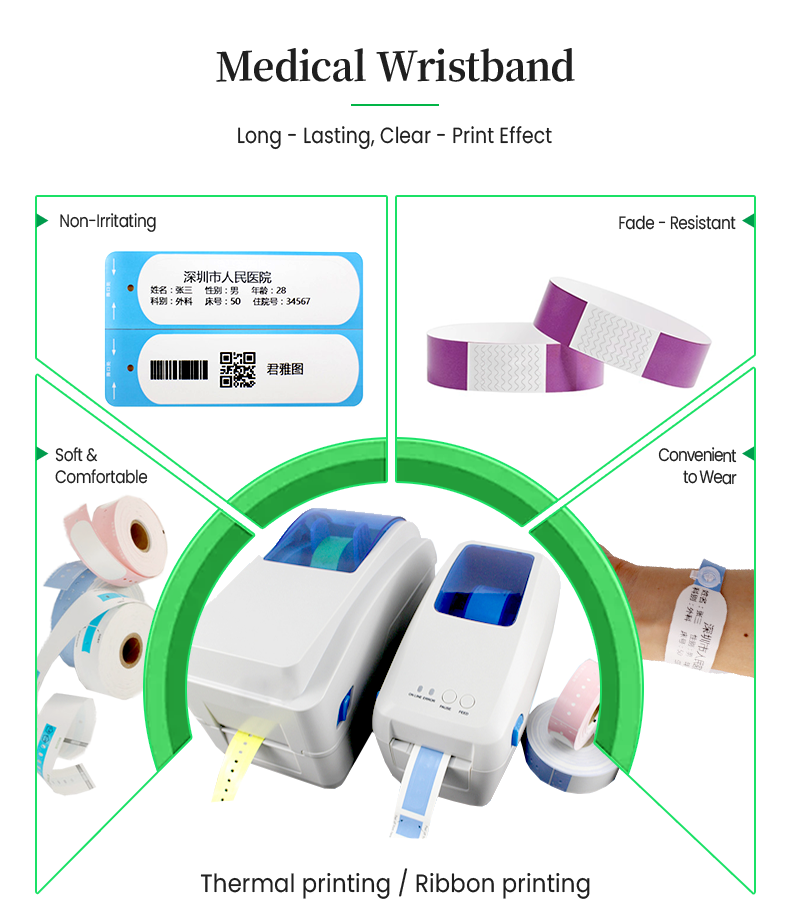
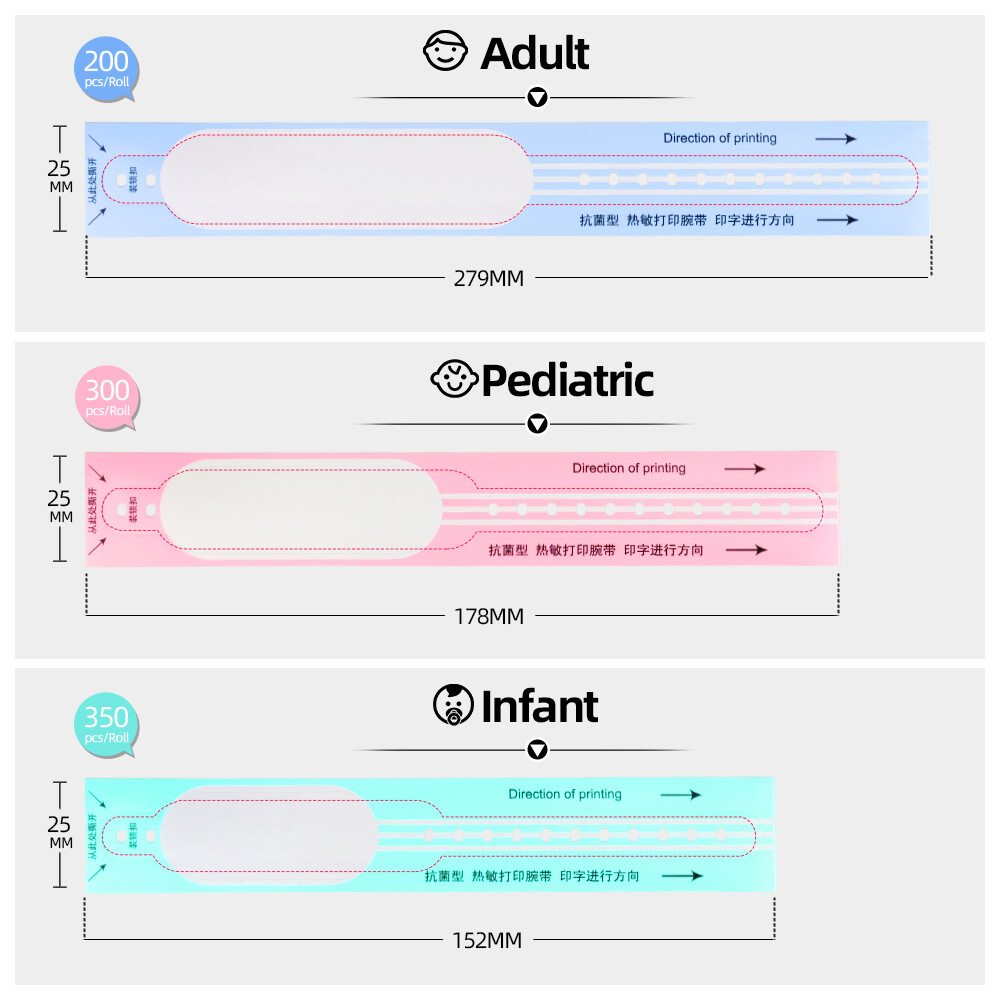
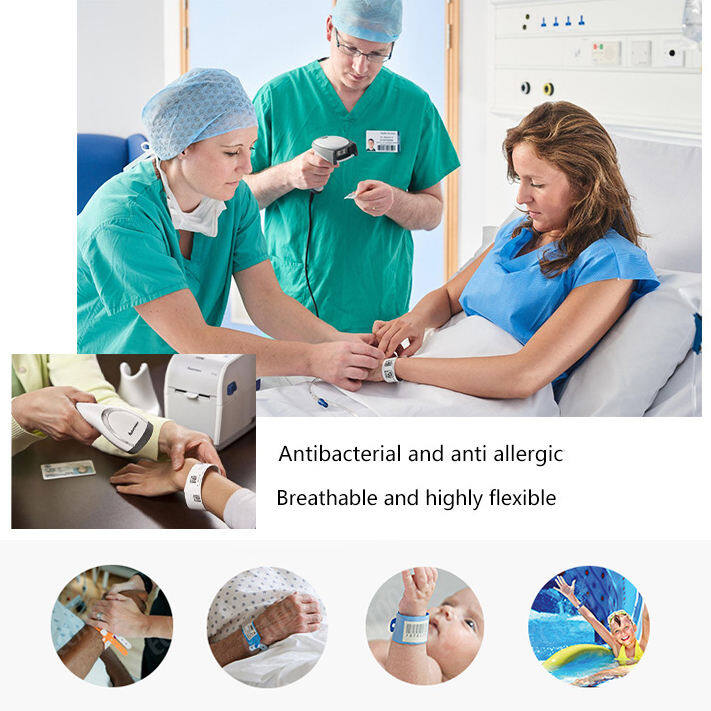
A medical wristband that is uncomfortable, unattractive, or fragile will not be worn consistently, rendering it useless when needed. Modern NFC/QR wristbands address these concerns through medical-grade silicone or vinyl construction, waterproof and sweat-resistant materials, adjustable sizing, hypoallergenic components, and aesthetically pleasing designs that patients are willing to wear daily. Durability testing ensures that the NFC chip and QR code remain functional after months of continuous wear, exposure to water and chemicals, and mechanical stress. The balance between medical functionality and everyday wearability is critical to achieving the compliance rates necessary for population-level impact.
5.4. Cost and Accessibility
For digital medical wristbands to achieve meaningful population-level impact, they must be affordable and accessible to all who need them, not only those with financial means. Pricing models range from one-time purchase to subscription-based services, and some municipalities and healthcare systems subsidize wristbands for high-risk populations as part of broader patient safety initiatives. Insurance coverage for medical identification devices remains inconsistent but is expanding as evidence of clinical benefit accumulates. Advocacy for reimbursement and subsidized access is essential to ensuring that the life-saving benefits of this technology are equitably distributed.
Section 6: Future Directions and Innovations
6.1. Integration with Electronic Health Records (EHR)
The next evolution of digital medical wristbands lies in bidirectional integration with electronic health record systems. Rather than maintaining a separate digital profile that must be manually updated, future wristbands could automatically pull current medical information from the patient's EHR, ensuring perfect synchronization between the wristband profile and the clinical record. Conversely, data accessed through wristband scans in the pre-hospital setting could be pushed back into the EHR, creating a seamless continuum of information from scene to hospital. Standards development efforts such as HL7 FHIR are laying the groundwork for this interoperability.
6.2. Broader Adoption by Healthcare Systems and Municipalities
As evidence of clinical benefit accumulates and costs decrease, healthcare systems and municipal governments are increasingly adopting digital medical wristband programs as standard patient safety infrastructure. Hospital discharge protocols that include wristband enrollment for high-risk patients, community safety programs for vulnerable populations, and EMS integration initiatives are expanding globally. The trajectory suggests that NFC/QR medical wristbands will transition from optional consumer products to expected components of comprehensive patient safety ecosystems within the next decade.
6.3. Enhanced Features: Geolocation and Biometrics
Future iterations of digital medical wristbands may incorporate active geolocation capabilities for wandering-prone patients, biometric sensors for continuous vital signs monitoring, and fall detection accelerometers. These enhancements would transform the wristband from a passive information carrier into an active safety device that not only communicates medical information when scanned but also proactively alerts caregivers and responders to emerging emergencies. The convergence of medical identification, location tracking, and physiological monitoring in a single wearable device represents the next frontier in pre-hospital patient safety technology.
Conclusion: A New Standard for Pre-Hospital Patient Safety
The introduction of NFC and QR code technology into medical identification wristbands represents a fundamental transformation in how we protect patients in the most vulnerable moments of their lives. By replacing the limited, static information of engraved tags with comprehensive, dynamic digital profiles accessible to anyone with a smartphone, these devices close the critical information gap that has plagued pre-hospital emergency care for decades. The evidence from municipal programs, EMS integrations, mass casualty exercises, and consumer adoption demonstrates that this technology works — it saves time, prevents errors, honors patient autonomy, and ultimately saves lives.
As healthcare systems, municipalities, and individuals continue to adopt digital medical wristbands, we move closer to a future in which no patient faces an emergency alone and uninformed. The wristband on a patient's wrist is no longer just a piece of plastic — it is a digital lifeline connecting them to the information, the care, and the respect they deserve in their moment of greatest need. The technology is ready. The question is no longer whether NFC and QR code wristbands can save lives, but how quickly we can ensure that everyone who needs one is wearing one.
Continue Reading
Have Questions About Wristbands?
Our team is ready to help you find the perfect wristband solution for your needs. Contact us directly on WhatsApp for quick responses.
Contact on WhatsApp