
Small Wristband, Big Comfort: Material Selection and Skin Care in Patient Identification
Introduction: The Unseen Cost of Patient Identification
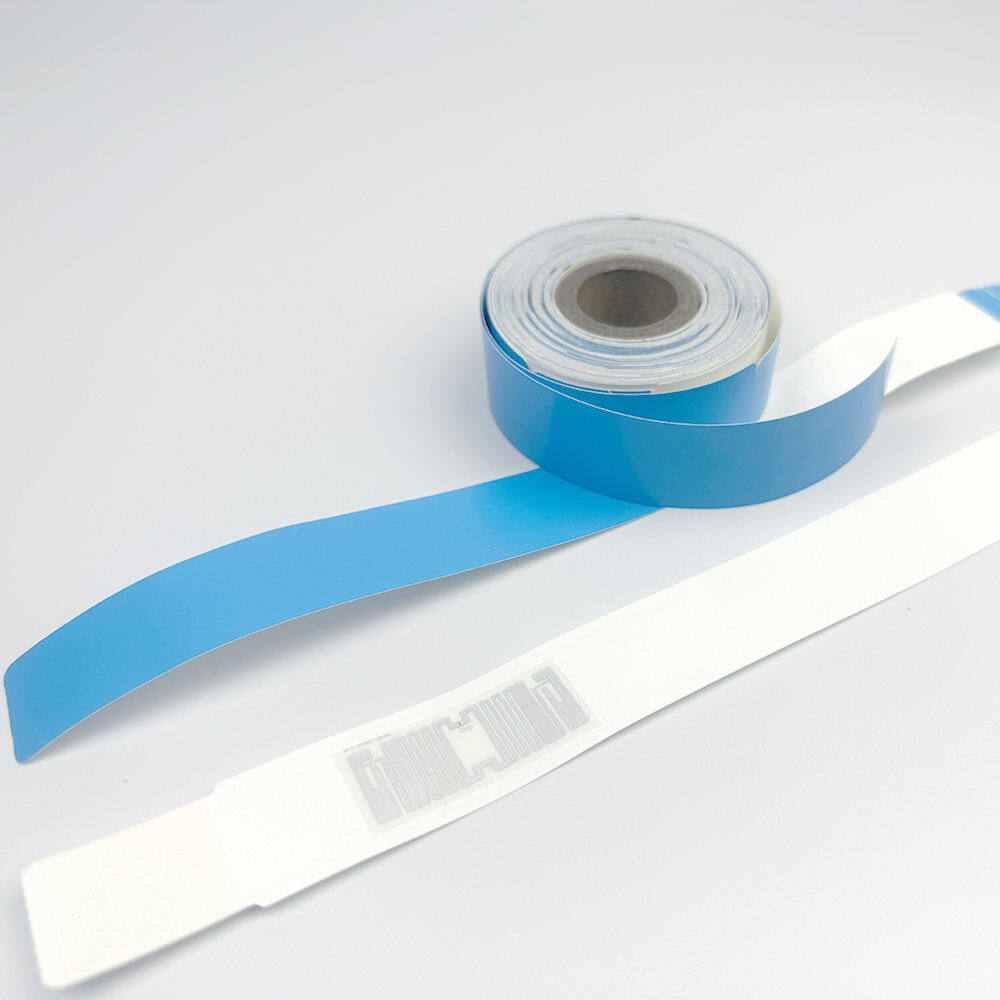
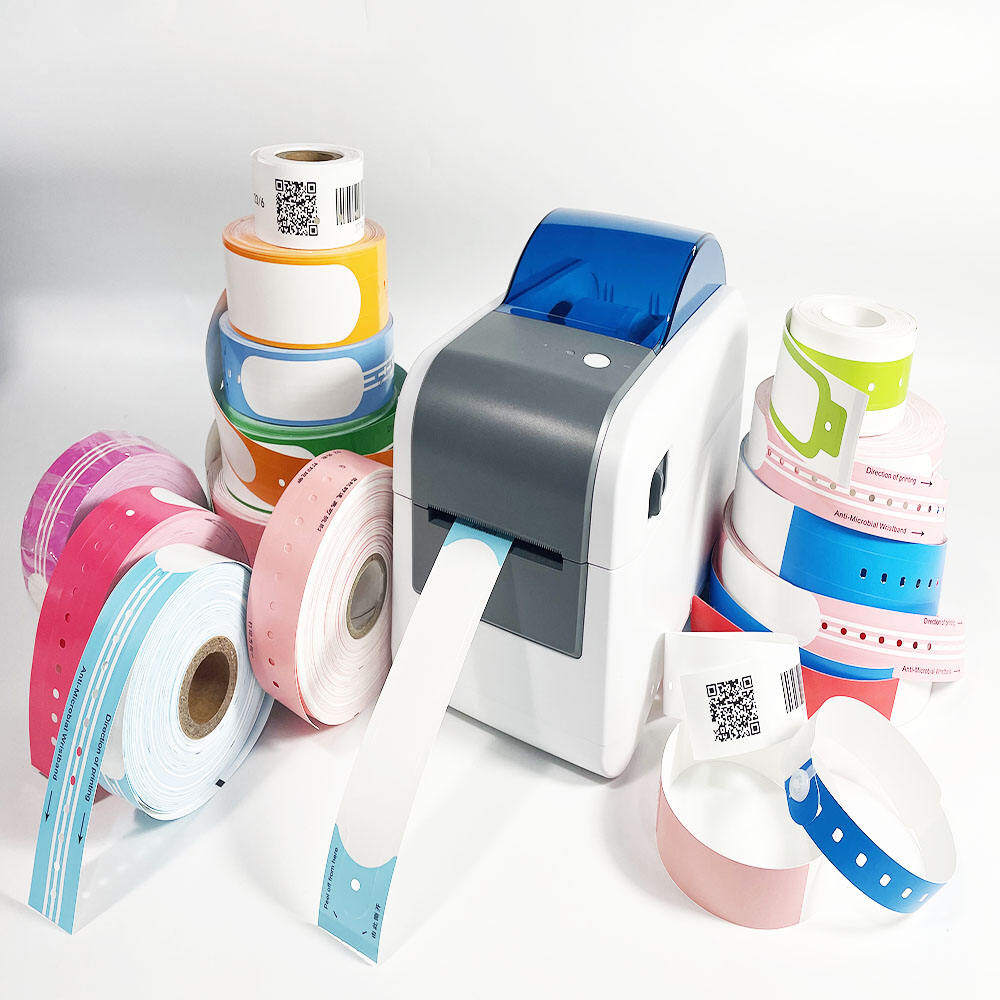
Patient identification wristbands are among the most ubiquitous tools in modern healthcare. Worn by virtually every admitted patient, they serve as the primary safeguard against misidentification, medication errors, and procedural mix-ups. Yet despite their critical role in patient safety, these small bands carry an often-overlooked cost: the potential to cause skin irritation, discomfort, and even injury when material selection and skin care protocols are inadequate.
The challenge is particularly acute for patients who require continuous identification over extended periods — neonates with fragile skin, elderly patients with thinning dermis, individuals with known contact allergies, and those in intensive care units where wristbands may remain in place for weeks. For these populations, the choice of wristband material is not merely a procurement decision; it is a clinical intervention that directly affects patient comfort, skin integrity, and ultimately, compliance with the identification protocols designed to keep them safe.
Section 1: The Clinical Problem – When Wristbands Cause Harm
1.1. Skin Irritation and Contact Dermatitis
Contact dermatitis related to medical devices, including identification wristbands, is a well-documented but frequently underreported adverse event. The condition manifests as erythema, pruritus, vesiculation, or desquamation at the site of skin contact with the wristband material. Two primary mechanisms drive this reaction: irritant contact dermatitis, caused by direct chemical damage to the stratum corneum from adhesives, dyes, or plasticizers in the band material; and allergic contact dermatitis, a Type IV hypersensitivity reaction triggered by specific allergens such as latex proteins, nickel in metal clasps, or certain adhesive compounds.
The prevalence of device-related skin injury is significant. Studies in hospital settings have reported that between 15% and 30% of patients experience some form of skin irritation associated with medical adhesives or wearable devices during their admission. For patients with pre-existing skin conditions such as eczema, psoriasis, or atopic dermatitis, the risk is substantially higher. The consequences extend beyond discomfort: inflamed, broken skin creates a portal for bacterial entry, increases infection risk, and may necessitate removal of the wristband at precisely the moment when positive identification is most critical.
1.2. Pressure Injuries and Circulatory Concerns
Beyond chemical irritation, wristbands pose mechanical risks. Bands that are too tight can impair venous return and lymphatic drainage, leading to distal edema, paresthesia, and in severe cases, compartment syndrome. Conversely, bands that are too loose may slide along the skin surface, creating friction-induced abrasions. Patients with reduced sensation due to neuropathy, sedation, or neurological impairment are particularly vulnerable because they cannot report discomfort before tissue damage occurs. Neonatal patients present additional challenges: their skin is approximately 30% thinner than adult skin, with a less developed stratum corneum and weaker dermal-epidermal junction, making them extraordinarily susceptible to both chemical and mechanical injury from wristband materials.
1.3. The Challenge of Long-Term Wear
Many patient populations require continuous wristband wear for days, weeks, or even months. Long-term ICU patients, psychiatric inpatients, residents of long-term care facilities, and neonates in NICU settings all fall into this category. Prolonged skin contact with any material increases the cumulative risk of irritation, as moisture accumulation, microbial colonization, and repetitive micro-trauma compound over time. Sweat, bathing, and exposure to antiseptic solutions further degrade both the wristband material and the skin barrier beneath it. Materials that are tolerable for 48 hours of perioperative use may become problematic after two weeks of continuous wear.
1.4. The Economic and Safety Impact of Skin Breakdown
Wristband-related skin injury carries measurable costs across multiple dimensions:
- Treat the Skin Condition: Topical corticosteroids, barrier repair creams, wound dressings, and in severe cases, systemic medications add direct treatment costs and nursing time.
- Replace the Wristband: Each replacement event consumes materials, staff time, and introduces a window during which the patient lacks positive identification.
- Increase Monitoring: Patients with skin breakdown require more frequent assessment, documentation, and interdisciplinary consultation, diverting resources from other care priorities.
- Risk of Non-Compliance: Discomfort drives patients to remove or tamper with wristbands, undermining the entire identification system and exposing the facility to liability if an adverse event results from misidentification.
Section 2: The Science of Comfort – Material Innovations in Medical Wristbands
The evolution of wristband materials over the past two decades reflects growing recognition that patient comfort and skin safety are inseparable from identification accuracy. Modern materials science has produced a range of options specifically engineered to minimize skin interaction risks while maintaining the durability, printability, and security features required for reliable patient identification.
2.1. Hypoallergenic and Latex-Free Materials
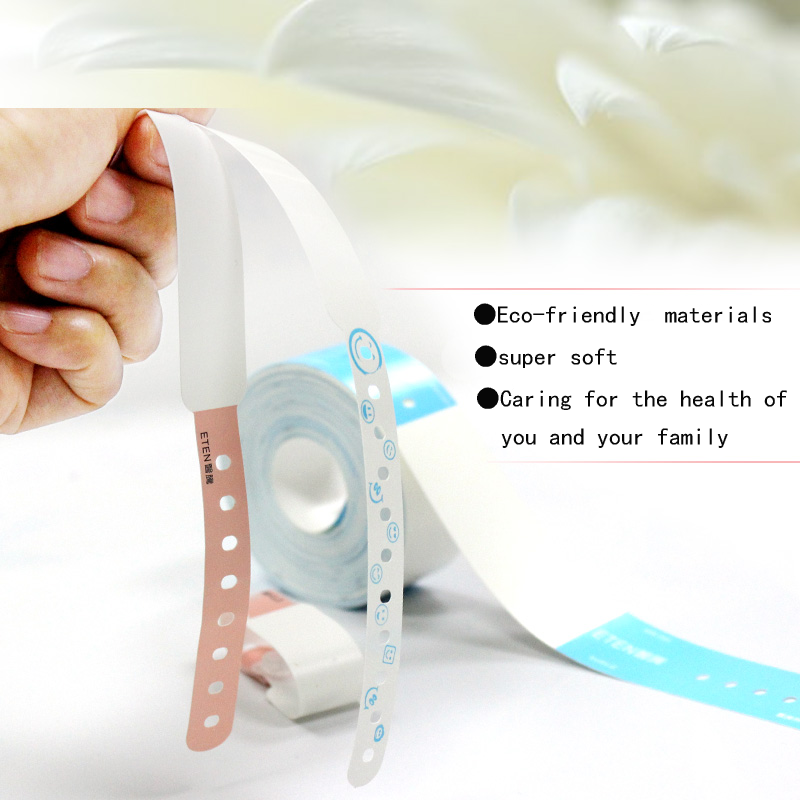
Latex allergy affects approximately 1–6% of the general population and up to 10–17% of healthcare workers due to repeated occupational exposure. For patients with known or suspected latex sensitivity, exposure to latex-containing wristbands can trigger reactions ranging from localized urticaria to life-threatening anaphylaxis. The industry-wide shift toward latex-free materials — primarily synthetic polymers such as polyethylene, polypropylene, vinyl (PVC-free formulations), and thermoplastic elastomers — has dramatically reduced this risk. Leading manufacturers now certify their wristband products as latex-free and conduct biocompatibility testing per ISO 10993 standards for skin irritation and sensitization, providing clinicians with evidence-based assurance of material safety.
2.2. Breathability and Moisture Management
Moisture accumulation beneath a wristband is one of the primary drivers of skin maceration and irritant dermatitis. Traditional non-porous plastic bands create an occlusive environment that traps perspiration against the skin, softening the stratum corneum and increasing susceptibility to friction damage and microbial overgrowth. Breathable wristband materials address this problem through microporous structures or hydrophilic polymer formulations that permit water vapor transmission while maintaining liquid resistance and print quality.
Some advanced materials incorporate moisture-wicking properties similar to those found in performance athletic textiles, actively drawing moisture away from the skin surface and distributing it across the outer band surface for evaporation. This capability is particularly valuable in warm climates, febrile patients, and neonatal incubator environments where ambient humidity is elevated. Clinical evaluations have demonstrated measurable reductions in skin maceration scores when breathable wristband materials replace conventional occlusive alternatives in high-risk patient populations.
2.3. Cushioned and Soft Materials
For patients with fragile or compromised skin, standard flat-band designs may still exert excessive point pressure on bony prominences at the wrist. Cushioned wristband materials incorporate a soft foam or gel layer between the identification surface and the skin contact surface, distributing pressure more evenly and reducing peak interface pressures. These materials are particularly indicated for neonatal patients, elderly patients with paper-thin skin, and individuals with existing pressure injuries near the wristband site. The cushioning layer also provides thermal insulation, preventing the cold-shock sensation that rigid plastic bands can produce against warm skin, which improves initial patient acceptance and reduces complaints.
2.4. The Innovative Use of Non-Traditional Materials
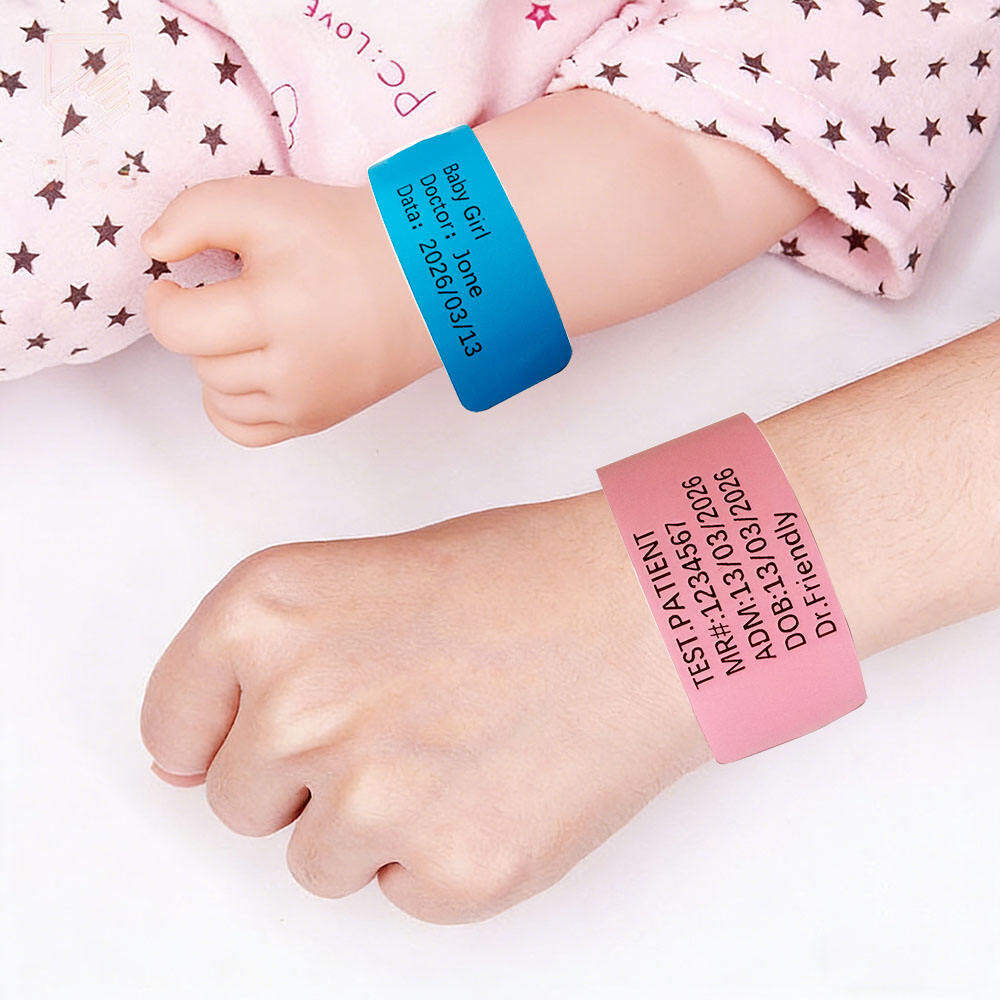
Beyond conventional polymers, manufacturers have explored alternative materials to address specific clinical needs. Silicone-based wristbands offer exceptional biocompatibility, chemical inertness, and flexibility, making them suitable for patients with multiple chemical sensitivities. Fabric-based wristbands woven from cotton or polyester blends provide superior breathability and a textile-like feel that many patients find more acceptable than plastic alternatives. Some products combine materials — for example, a printable synthetic outer layer laminated to a soft fabric inner lining — to balance identification functionality with skin comfort. Bio-based and compostable materials derived from plant starches or cellulose are emerging as sustainable options that also happen to exhibit favorable skin-contact properties due to their natural hydrophilicity.
2.5. Ergonomic Design: Avoiding Sharp Edges
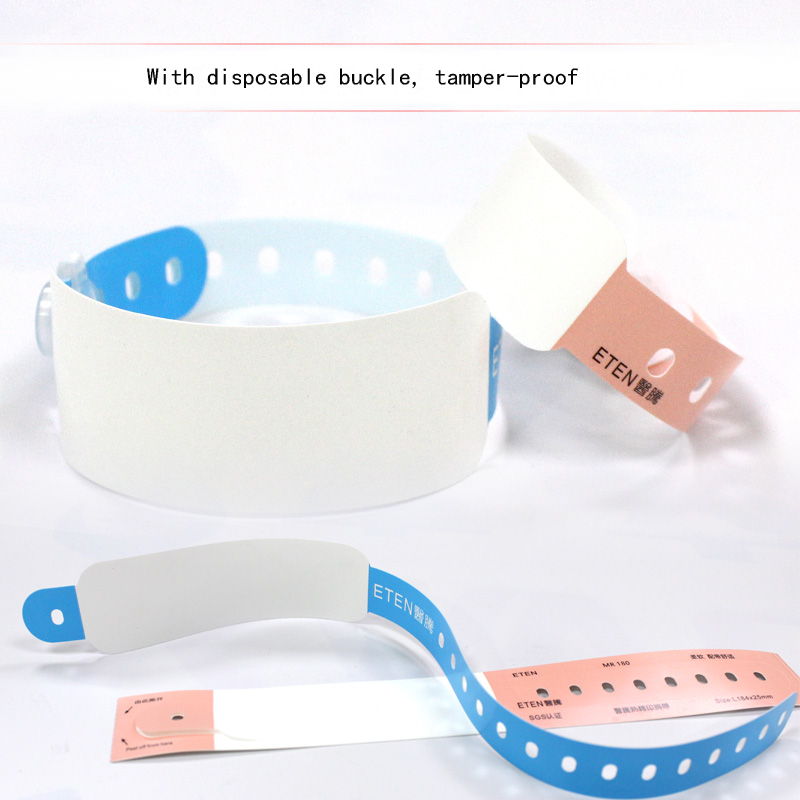
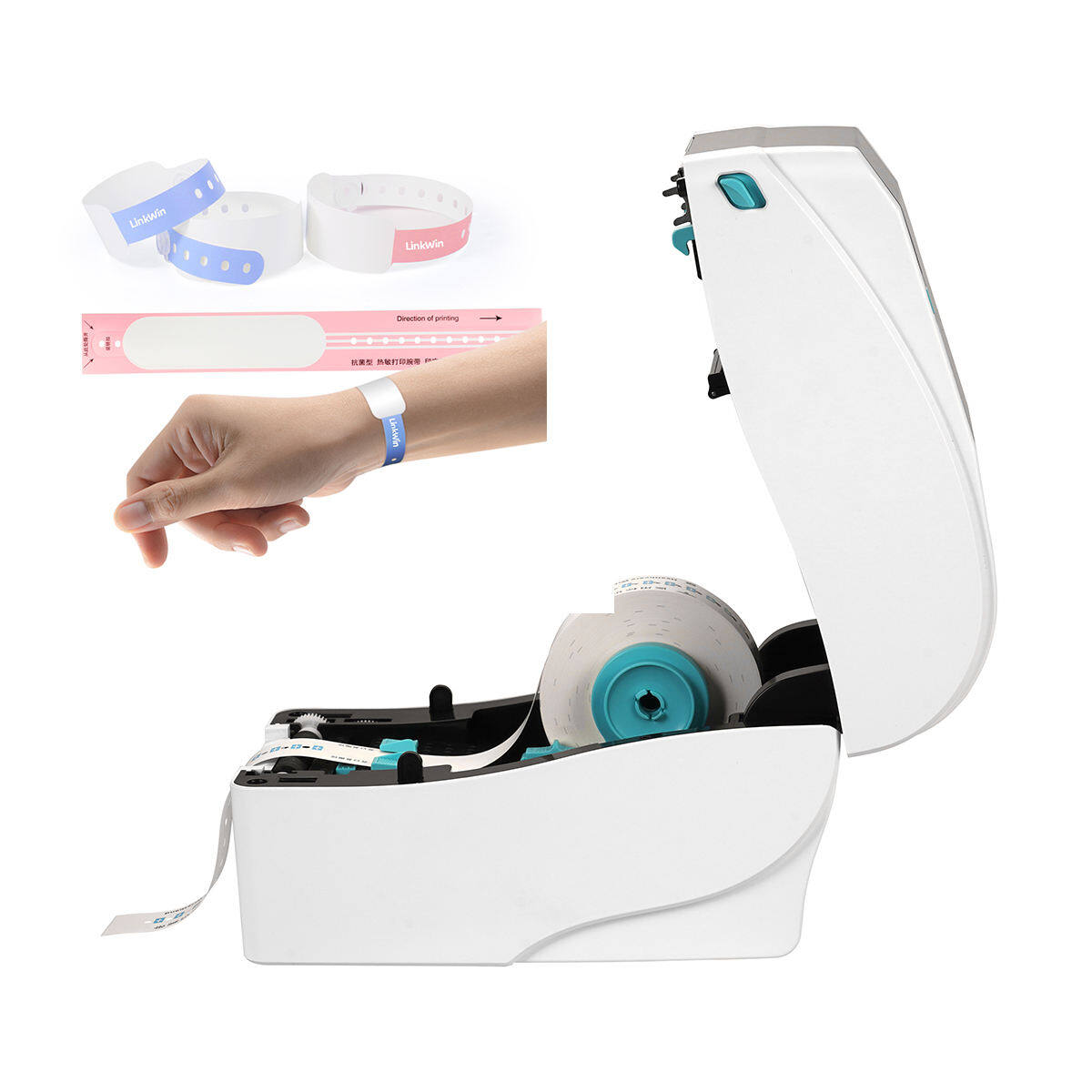
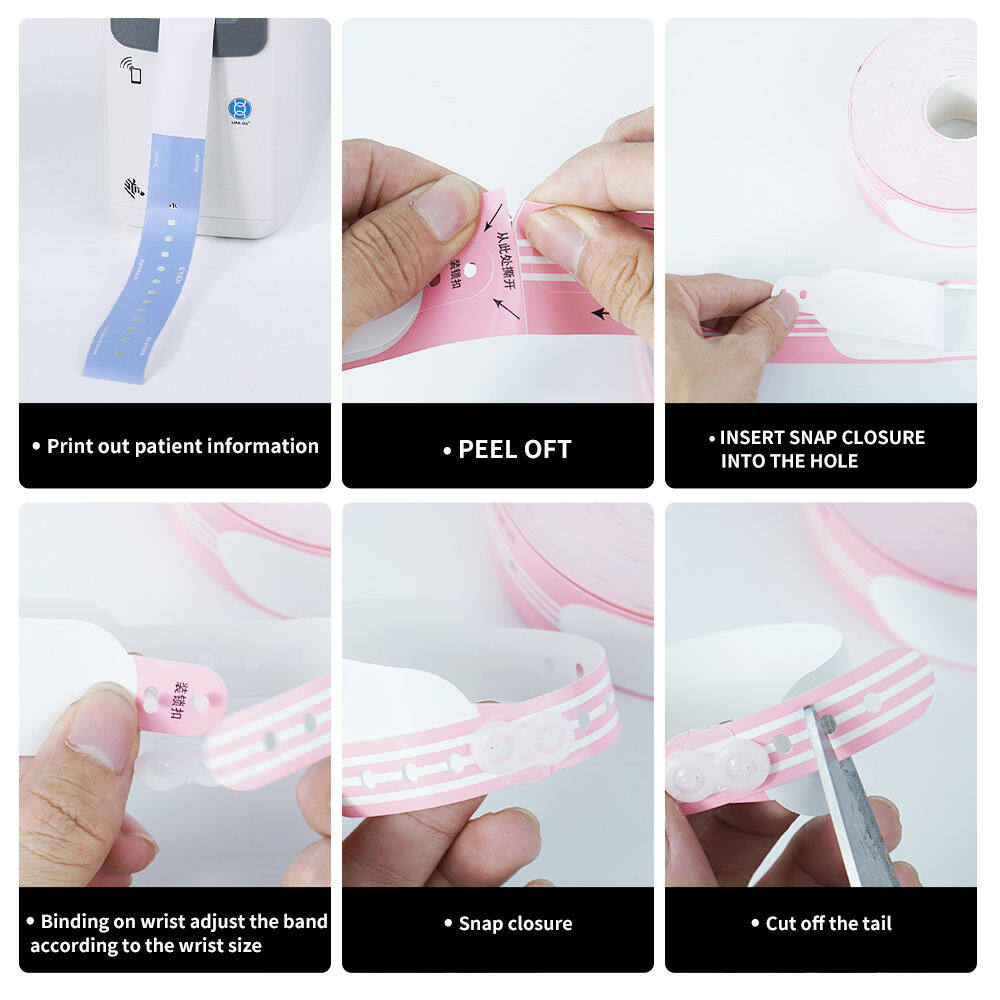
Material selection alone is insufficient; the physical design of the wristband must also support skin health. Rounded edges, smooth closure mechanisms, and adjustable sizing features prevent the mechanical trauma that sharp corners, rough seams, and ill-fitting bands inflict on delicate skin. Tamper-evident closures should be designed to resist accidental opening without requiring excessive force or sharp components that could lacerate the wearer. The trend toward snap-button and adhesive-tab closures, replacing older pin-and-clasp designs, reflects this ergonomic imperative. Proper sizing protocols — including the use of pediatric, neonatal, and bariatric size variants — ensure that each patient receives a band proportioned for their anatomy, eliminating the gap between one-size-fits-all convenience and individualized skin protection.
Section 3: Clinical Protocols for Skin Care and Monitoring
Even the best wristband material requires supportive clinical protocols to maintain skin integrity over the duration of wear. Material science and nursing practice must work in concert to achieve optimal outcomes.
3.1. Pre-Application Assessment
Before applying any identification wristband, clinicians should perform a brief but systematic assessment:
- Skin Inspection: Examine the intended application site for existing lesions, rashes, wounds, edema, or signs of vascular compromise. Select an alternative site or material if abnormalities are present.
- Allergy History: Review the patient record for documented latex, adhesive, dye, or metal allergies. Select certified allergen-free materials accordingly.
- Size and Fit: Measure the wrist circumference and select the appropriate band size. After application, verify that one finger can fit comfortably between the band and the skin — snug enough to prevent sliding, loose enough to avoid constriction.
3.2. Interventional Strategies for Sensitive Skin
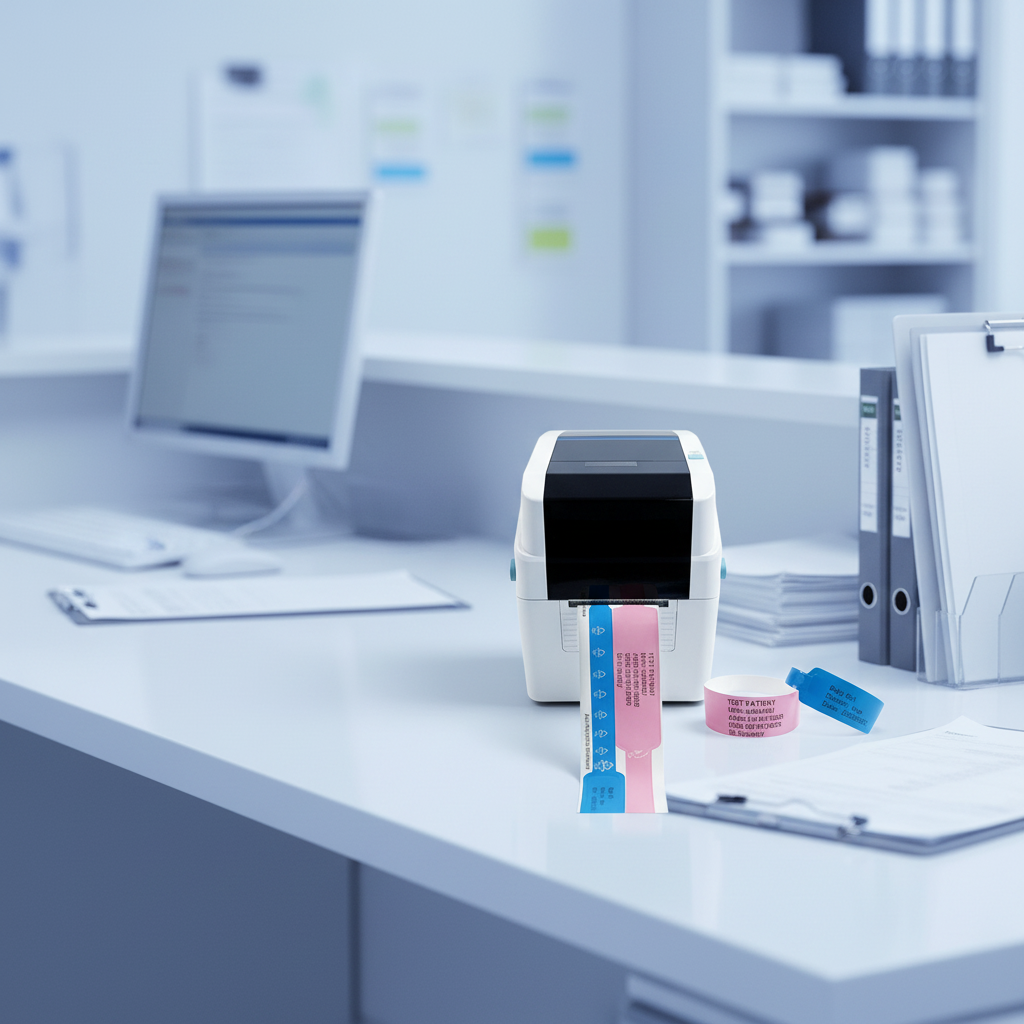
For patients identified as high-risk for skin injury, proactive interventions can prevent problems before they develop:
- Barrier Films: Application of a liquid skin barrier (e.g., acrylate-based no-sting barrier film) to the wrist site before wristband placement creates a protective interface that reduces direct material-to-skin contact and facilitates atraumatic removal.
- Gauze Padding: Placing a layer of soft gauze or silicone-coated padding beneath the wristband distributes pressure and absorbs moisture, particularly useful for patients with bony prominences or existing skin fragility.
- Alternative Materials: Switching to fabric-based or silicone wristbands for patients who develop irritation with standard synthetic bands provides immediate relief while maintaining identification continuity.
3.3. Ongoing Surveillance and Documentation
Skin integrity monitoring should be integrated into routine nursing assessments:
- Daily Skin Checks: Inspect the skin beneath and adjacent to the wristband at least once per shift. Document findings using standardized skin assessment tools. Rotate the wristband position slightly if prolonged wear is anticipated to redistribute pressure.
- Patient Education: Inform patients and caregivers about signs of skin irritation to watch for and encourage them to report discomfort promptly rather than enduring it silently.
- Documentation: Record wristband material type, application date, skin assessment findings, and any interventions performed in the patient chart. This data supports quality improvement initiatives and provides medico-legal documentation of diligent skin care.
3.4. Hand Hygiene and Wristband Integrity
Frequent hand hygiene is essential for infection prevention, but alcohol-based sanitizers and antimicrobial soaps can degrade certain wristband materials and accelerate skin drying beneath the band. Clinicians should be aware of the chemical compatibility between their hand hygiene products and the wristband materials in use. Some manufacturers provide compatibility charts indicating which disinfectants are safe for their products. When incompatibility exists, selecting chemically resistant wristband materials or adjusting the application site to reduce direct sanitizer contact can preserve both band integrity and skin health.
Section 4: Case Studies and Real-World Innovation
4.1. The Comfort-Driven Innovation in Pediatrics
Pediatric hospitals have been at the forefront of wristband material innovation, driven by the heightened vulnerability of young patients and the vocal advocacy of parents and child-life specialists. Several children's hospitals have implemented comprehensive wristband comfort programs that include material selection committees, parent feedback surveys, and iterative testing of new products.
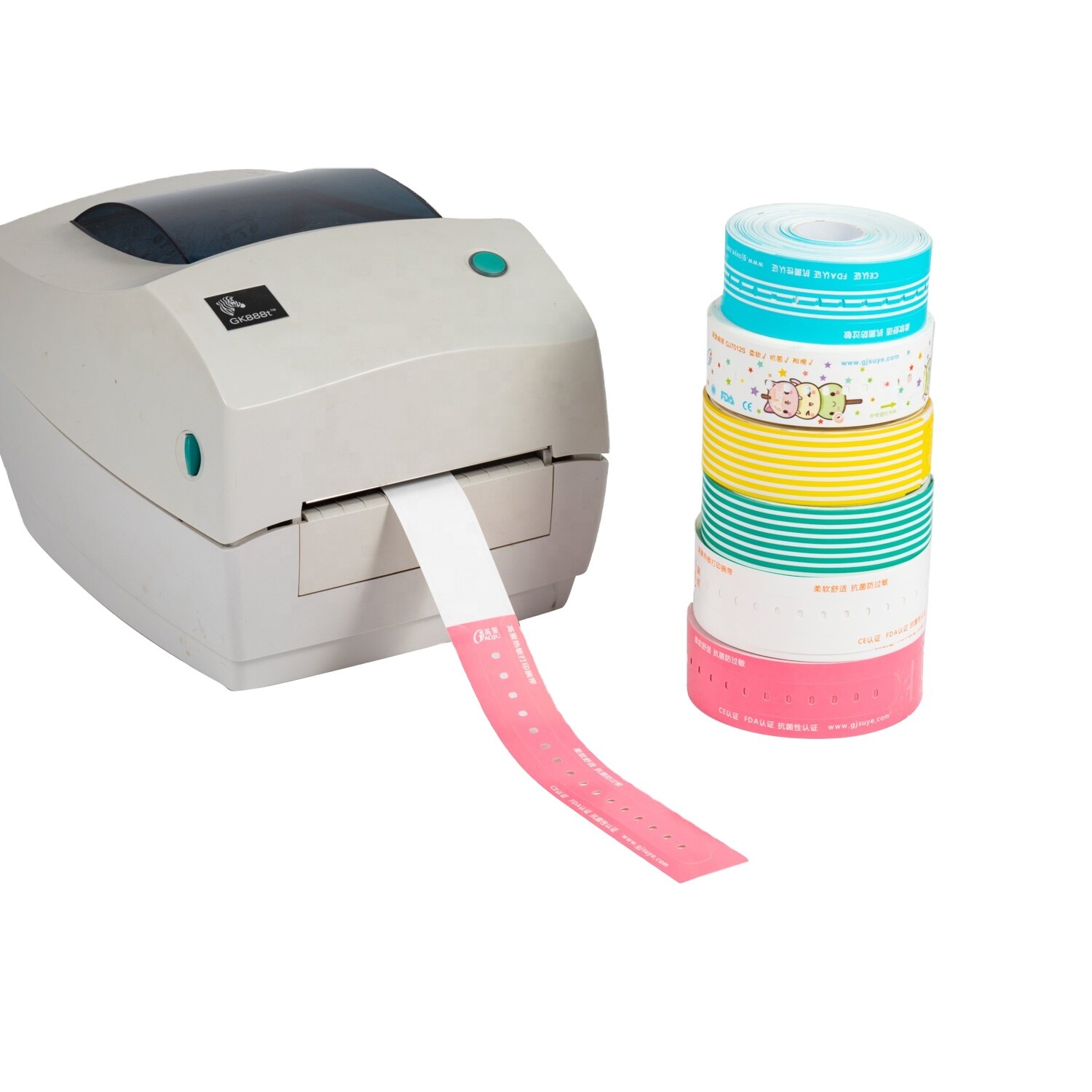
One notable program replaced standard vinyl wristbands across all pediatric units with a soft, breathable, latex-free alternative after documenting a 40% reduction in wristband-related skin complaints within six months. The program also introduced color-coding by department and age-appropriate designs featuring cartoon characters, which improved child acceptance and reduced removal attempts. Key outcomes included:
- Allergy Reduction: Zero reported latex-related adverse events after transition to certified latex-free materials.
- Breathability: Measurable decrease in skin maceration scores in the NICU population following adoption of microporous band materials.
- Cultural Comfort: Child-friendly designs increased voluntary compliance and reduced parental anxiety about wristband-related discomfort.
4.2. Managing Skin Issues in Neonatal and Pediatric Wards
Neonatal intensive care units face the most demanding wristband challenges. Premature infants have extremely fragile skin with incomplete barrier function, making them vulnerable to even minor mechanical and chemical insults. Specialized neonatal wristbands use ultra-soft, low-adhesion materials with rounded edges and minimal closure hardware. Some NICUs have adopted ankle-band placement as an alternative to wrist placement for the smallest patients, where the larger surface area of the ankle distributes pressure more effectively. Regular rotation schedules and mandatory skin checks every four hours are standard practice in leading NICUs, supported by dedicated neonatal skin integrity protocols that treat wristband management as a core component of developmental care.
4.3. Psychiatric Care and Patient Acceptance
In psychiatric inpatient settings, wristband acceptance is complicated by patients' emotional responses to wearing visible identification. Discomfort amplifies resistance, and forced compliance can escalate distress. Facilities that have invested in softer, more comfortable wristband materials report improved patient cooperation and fewer incidents of wristband removal or destruction. The psychological dimension of material comfort should not be underestimated: a wristband that feels gentle and unobtrusive communicates respect for the patient's dignity, supporting therapeutic alliance alongside identification safety.

Section 5: The Underlying Link to Patient Safety and Risk Management
The connection between wristband comfort and patient safety extends far beyond skin health. Every aspect of material selection and skin care protocol ultimately serves the broader mission of accurate, continuous patient identification.
Maintaining the "Chain of Safety": A wristband that causes pain or irritation will be removed, damaged, or tampered with by the patient. Each instance of wristband compromise creates a gap in the identification chain during which medication administration, specimen collection, surgical procedures, and blood transfusions proceed without reliable positive identification. The cost of a single misidentification event — in terms of patient harm, regulatory penalties, litigation, and reputational damage — dwarfs the incremental cost of premium comfort materials.
Reducing the Burden of Care: Skin injuries caused by wristbands generate additional nursing workload for assessment, treatment, documentation, and wristband replacement. In staffing-constrained environments, this added burden competes with direct patient care activities. Investing in preventive material selection reduces downstream workload and frees nursing capacity for higher-value interventions.
Patient Experience and Trust: Patient satisfaction surveys consistently identify comfort and respectful treatment as top priorities. A painful wristband is a tangible symbol of institutional indifference to patient wellbeing. Conversely, thoughtful attention to wristband comfort signals a culture of safety and compassion that strengthens patient trust and cooperation across all aspects of care.
Compliance and Legal Risk: Regulatory bodies including The Joint Commission, CMS, and international accreditation organizations mandate positive patient identification as a National Patient Safety Goal. Facilities that fail to maintain effective identification systems due to preventable wristband-related skin issues face citation, financial penalties, and potential liability. Documented skin care protocols and evidence-based material selection demonstrate organizational commitment to meeting these standards and provide defensible evidence of due diligence in the event of adverse outcomes.
Conclusion: A Holistic Approach to Patient Wristbands
The patient identification wristband is deceptively simple in appearance but profoundly complex in its clinical implications. Material selection is not a commodity purchasing decision; it is a patient safety intervention that demands the same evidence-based rigor applied to medication selection, device evaluation, and clinical protocol development. Hypoallergenic, latex-free, breathable, cushioned, and ergonomically designed materials represent the current standard of care for protecting skin integrity while maintaining reliable identification.
Clinical protocols for pre-application assessment, interventional skin protection, ongoing surveillance, and hand hygiene compatibility complete the picture. Technology and practice must evolve together: the best material fails without proper application and monitoring, and the most diligent nursing care cannot compensate for fundamentally unsuitable materials. Organizations that integrate material science expertise with frontline nursing practice achieve superior outcomes across skin integrity, patient satisfaction, identification compliance, and risk management metrics.
As healthcare continues its journey toward zero-harm patient safety cultures, the humble wristband deserves renewed attention. Small improvements in material comfort yield outsized returns in patient safety, staff efficiency, and organizational reputation. The wristband that a patient wears should be invisible to them — felt only as reassurance that their identity is protected, their safety is valued, and their comfort matters. That is the promise of modern patient identification, and it begins with the choice of what touches the skin.
Continue Reading
Have Questions About Wristbands?
Our team is ready to help you find the perfect wristband solution for your needs. Contact us directly on WhatsApp for quick responses.
Contact on WhatsApp