
What Does a Nurse Do When Wristband Scanning Fails? The Most Dangerous Workflow Is the Workaround
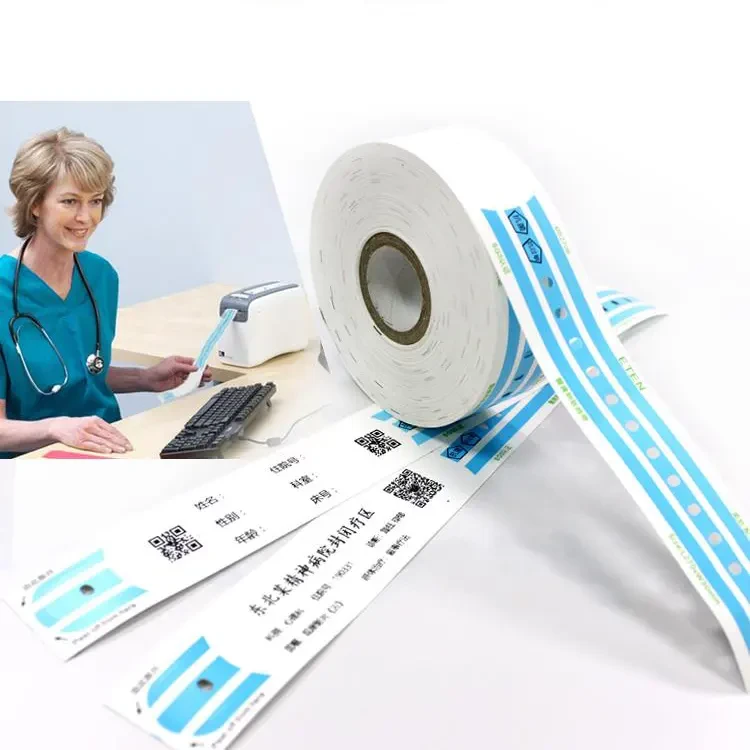
A barcode medication administration (BCMA) system is built on a simple premise: before a medication reaches a patient, the nurse scans the patient's wristband and the medication, and the system confirms that the right drug is going to the right person at the right time. When that scan succeeds, the system is silent, fast, and protective. When it fails—because the wristband is smudged, the scanner will not read through the curvature of a wrist, the patient is in contact isolation, or the band has been chewed, soaked, or lost—the nurse faces a split-second decision. The safest answer is to stop and resolve the failure. The most common answer, documented repeatedly in observational research, is to find a way around it.
That workaround is the most dangerous workflow in bedside scanning, not because nurses are careless, but because the workaround is often the path of least resistance in a system that was not designed for the messy realities of the bedside. Understanding what nurses actually do when wristband scanning fails—and why—is the first step toward designing a wristband and a BCMA workflow that nurses do not need to bypass.
The failure is routine, and so is the bypass
Wristband scanning failures are not rare edge cases. In a widely cited observational study of BCMA use across five hospitals, researchers examined roughly 500,000 scanning events and found that nurses had to override the scanning system to administer medications on 14% of occasions. A systematic review of BCMA workarounds found that the most frequent deviation was the omission of a required process step—most commonly, skipping the scan of the patient's barcode altogether. Observational studies assessing nursing workarounds have reported a median of three clinician workarounds per medication administration.
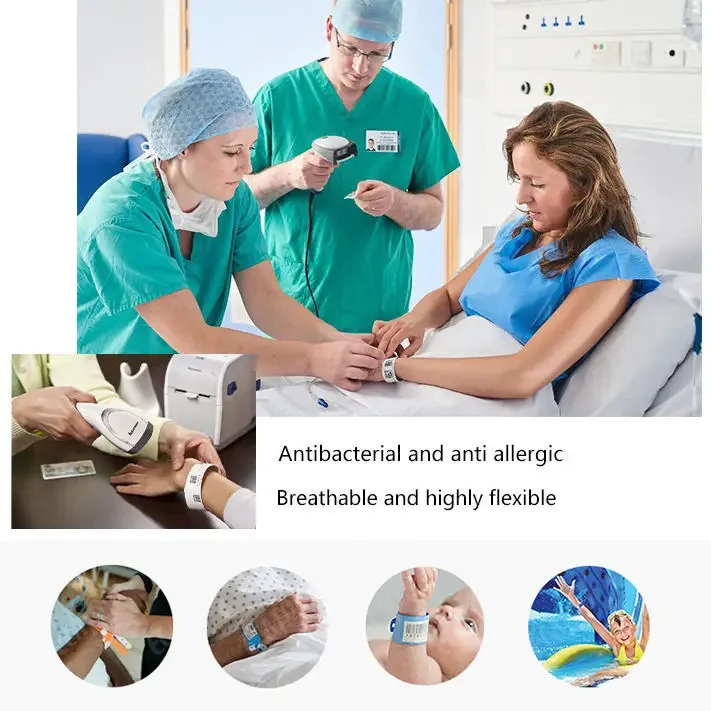
The causes are equally routine. The same research catalogues 31 distinct causes of workarounds, including unreadable or missing patient ID wristbands that had been chewed, soaked, or were simply absent, malfunctioning scanners, lost wireless connectivity, and wristbands that had been removed and placed on a bed rail or a medication cart rather than on the patient. In some wards, patient scanning rates have been measured as low as 4.6%, with medication scanning rates ranging from 5.6% to 67% across units. The gap between the intended workflow and the enacted workflow is not a training problem alone; it is a design problem, and the wristband sits at its center.
What the workaround actually looks like
When a wristband will not scan, nurses do not typically abandon the medication pass. They improvise. The workarounds documented in the literature fall into a recognizable set of patterns, and each pattern carries a distinct risk profile.
Manual entry of the patient identifier. The most direct bypass is to type the patient's medical record number (MRN), social security number, or another identifier into the BCMA system instead of scanning the wristband. One study observed nurses typing a seven-digit number because it took less time than wheeling the medication cart into the patient's room, particularly when the patient was in isolation. Manual entry restores the appearance of verification, but it replaces a machine-to-machine match with human transcription—and human transcription under time pressure is precisely the failure mode that barcode scanning was designed to eliminate.
Scanning a surrogate barcode. Nurses have been observed scanning barcodes that are not on the patient at all: barcodes affixed to clipboards, scanners, medication carts, doorjambs, belt rings, and even worn as bangles. Extra copies of patient ID barcodes have been found fixed to nurses' desks, supply rooms, dispensing machines, and baby cribs. In one case, a barcode from a stretcher was used for scanning prior to medication administration. The surrogate barcode satisfies the scanner, but it severs the link between the scan and the physical patient in the bed.
Scanning the wristband away from the bedside. When a cart cannot fit into a room, or when a patient is asleep or in isolation, a nurse may scan the wristband at a distance or scan a duplicate band in the medication room. The scan registers as compliant, but the verification did not happen at the point of care. The system's record says the patient was identified; the reality is that the identification happened somewhere else, at some other time.
Administering without any patient scan. In the most direct form of bypass, the medication is administered without scanning the patient's ID at all. This may occur when the wristband is missing, when the scanner is unavailable, or when the nurse judges that the delay required to fix the problem would compromise care. The BCMA system may still record an administration, but the identity check that the system was supposed to enforce never took place.
Why the workaround is more dangerous than the original failure
A scanning failure is a nuisance. A workaround is a safety event waiting to happen. The difference lies in what the workaround removes: the independent, machine-verified link between the patient and the medication.
When a wristband scan fails and the nurse manually types an identifier, the system can no longer distinguish between a correct identifier and a plausible one. The Joint Commission's first National Patient Safety Goal requires at least two patient identifiers whenever care, treatment, or services are provided. A barcode scan is powerful because it supplies one of those identifiers without relying on human recall or transcription. Manual entry collapses the two-identifier safeguard into a single human data-entry step, and the human step is precisely where wrong-patient errors originate.
The risk is not hypothetical. Wrong-patient medication administration remains one of the most consequential failure modes in hospital care, and the BCMA workaround is a recognized pathway to it. The ISMP Canada failure-mode analysis identifies failure to scan the patient ID barcode as a distinct compliance failure with contributing factors that include compromised barcodes that will not scan, wristband curvature, wristbands removed and placed elsewhere, and scanners that are not easily available. Each of these factors describes a wristband problem that is solvable at the level of wristband design and workflow, and each becomes a patient-safety problem when the response is bypass rather than resolution.
The root causes are systemic, not individual
It is tempting to frame the workaround as a compliance failure and to respond with reminders, audits, and re-education. The evidence does not support that framing. The Koppel et al. study, which identified 15 workaround types and 31 causes, concluded that most workarounds resulted from poor process design, not from nurse negligence. The authors of the five-hospital study put it plainly: "It's not that staff are lazy or careless—it's that the system does not work as well as it should".
The design failures are concrete. A medication cart that does not fit into an isolation room creates a spatial barrier to bedside scanning. A wristband that degrades when exposed to moisture, friction, or a patient's teeth creates a hardware failure at the point of care. A scanner that struggles with the curvature of a small wrist or a loosely applied band creates an ergonomic failure that repeats on every medication pass. A workflow that offers manual entry as the default fallback when a scan fails creates a path of least resistance that is always available and always faster than stopping to replace a band or troubleshoot a scanner.
Workarounds are, in this sense, a form of frontline problem-solving. They are adaptive responses to a system that has not given the nurse a better option in the moment. The danger is that the adaptive response solves the immediate problem—getting the medication to the patient—while silently removing the safety barrier that the BCMA system was designed to provide.
What a better failure path looks like: Protecting Patient Identification Accuracy at the Bedside
If the workaround is the most dangerous workflow, the solution is not to demand that nurses stop working around a broken system. The solution is to build a failure path that makes the safe action the easy action. That requires attention at three levels: the wristband itself, the scanning workflow, and the escalation protocol.
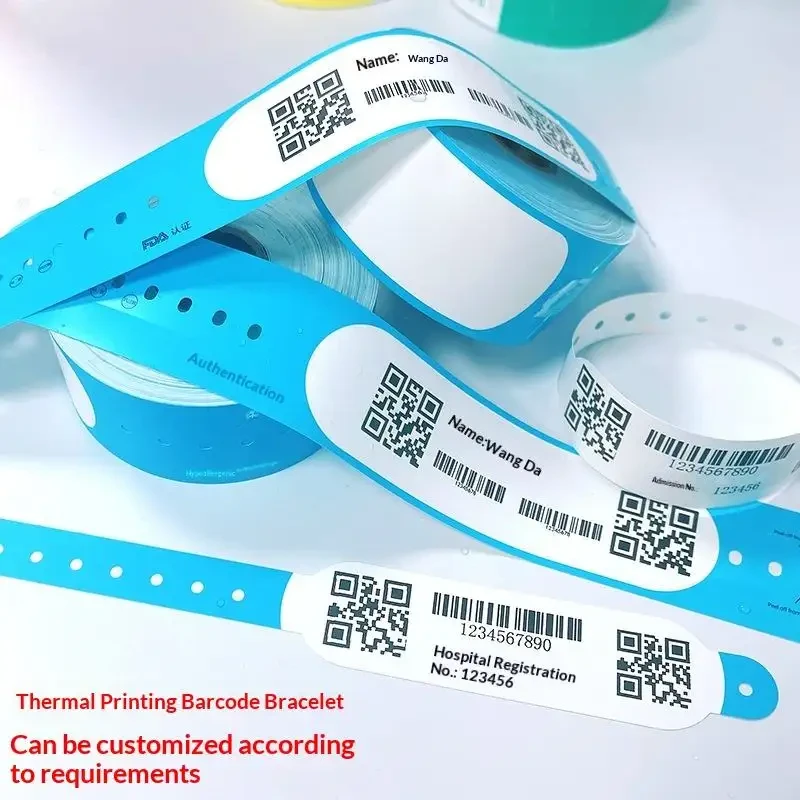
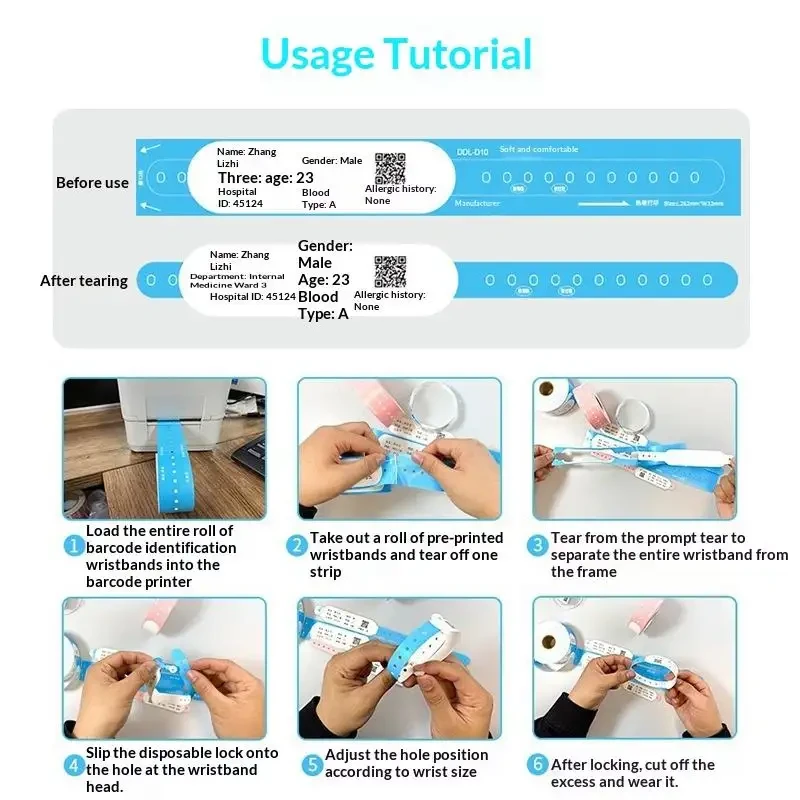
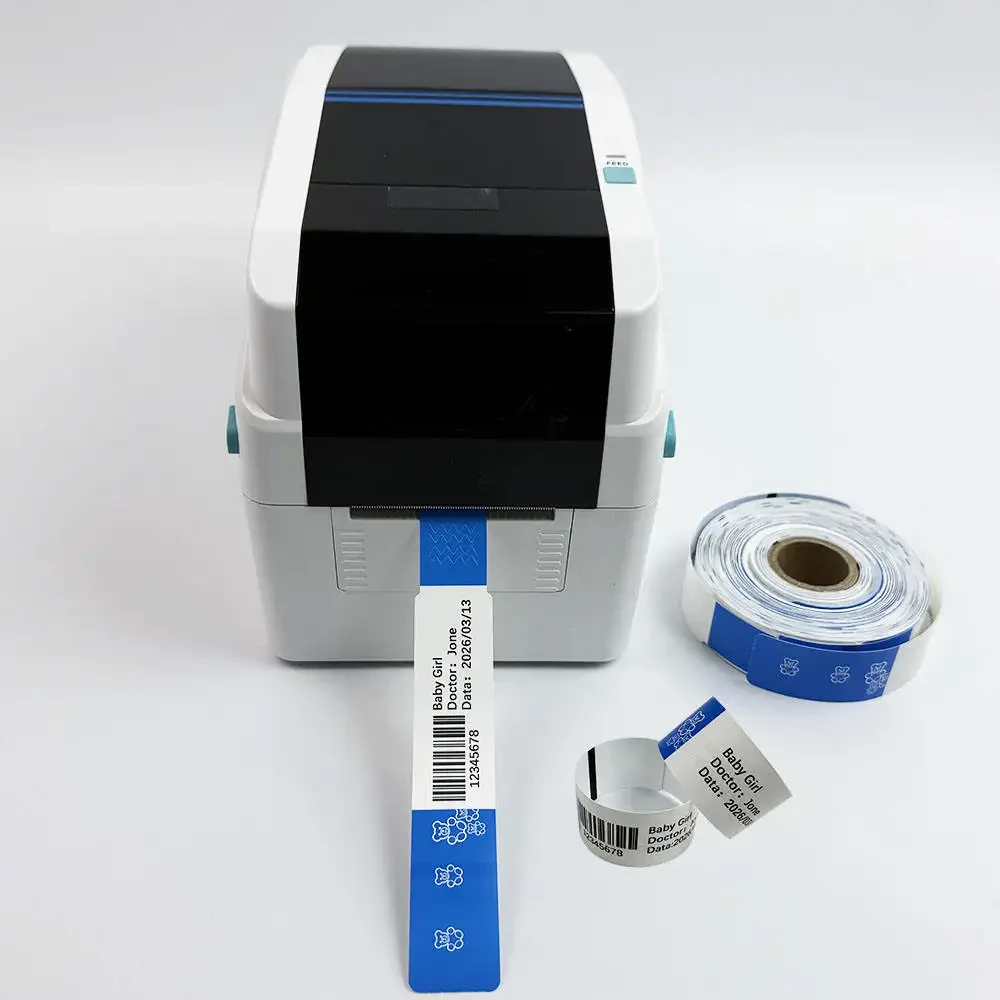
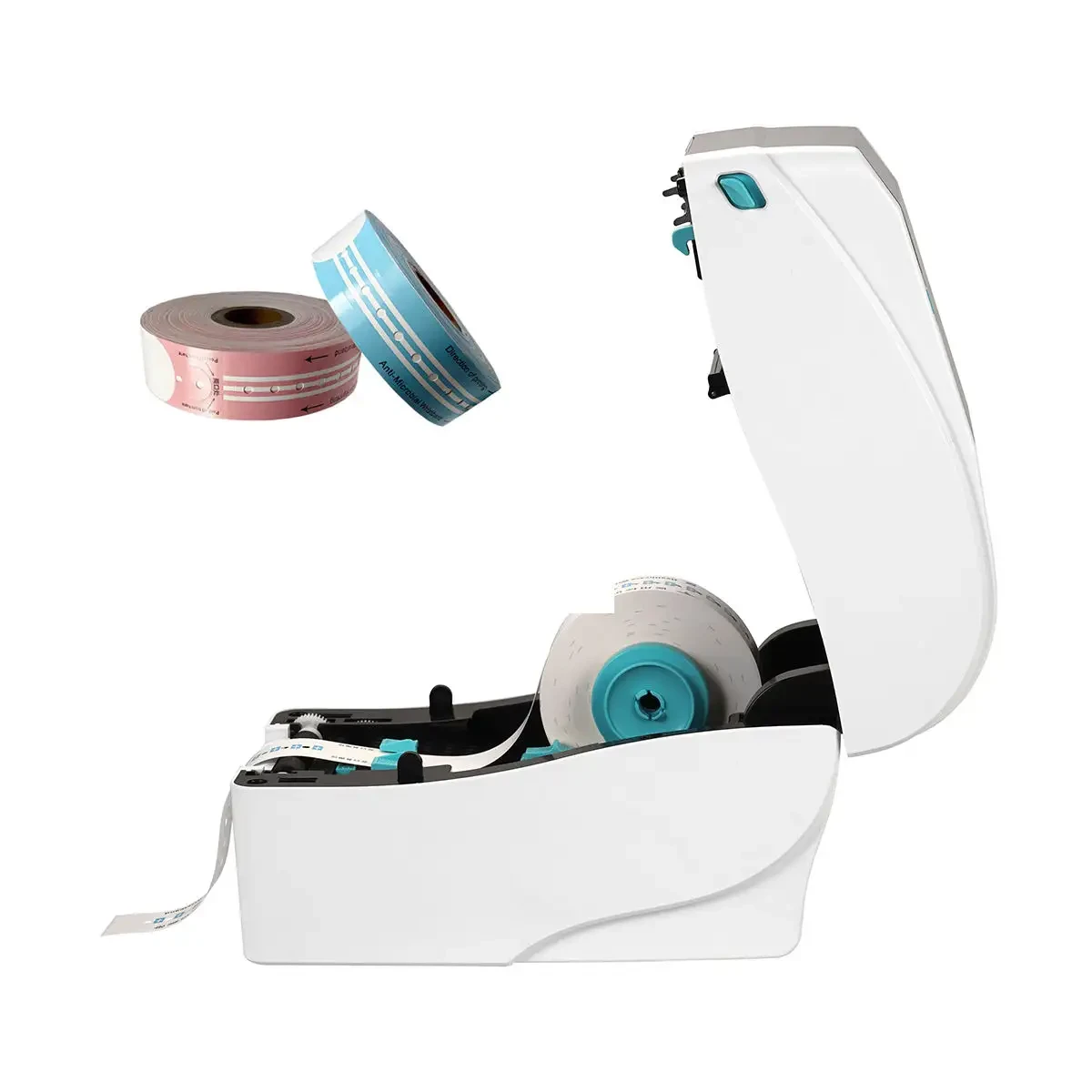
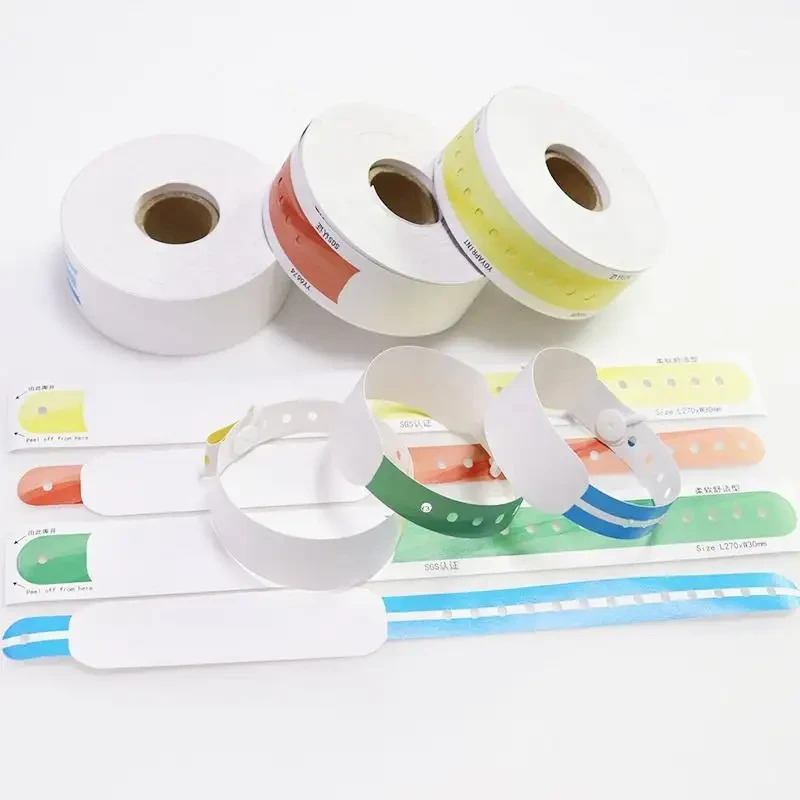
At the wristband level, the priority is reliability. A wristband that remains scannable through moisture, friction, and the full length of a hospital stay reduces the frequency of the failure that triggers the workaround. Band material, print method, closure design, and barcode placement all matter. A wristband that is comfortable enough to stay on the patient, durable enough to survive the environment, and consistently readable is not a commodity accessory—it is the first line of defense for the entire BCMA workflow.
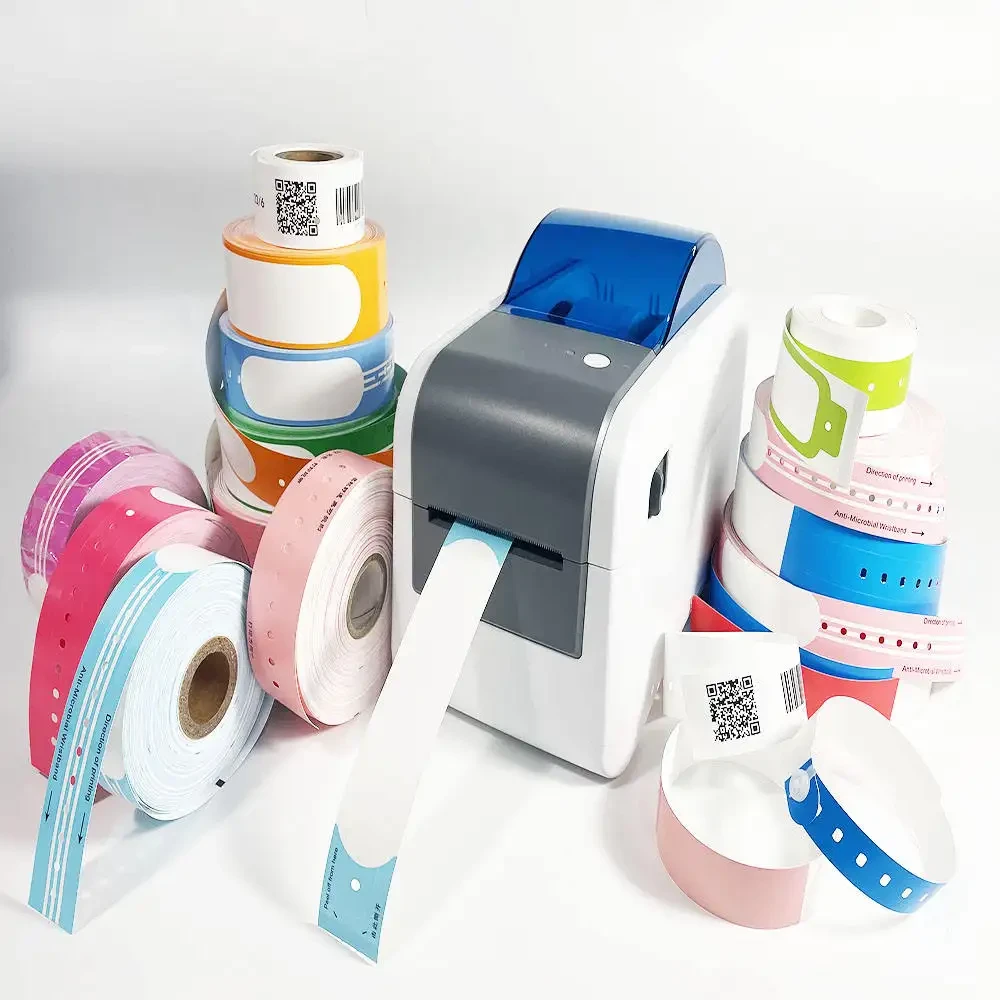
At the workflow level, the priority is to remove the spatial and temporal barriers that make bedside scanning inconvenient. If the cart cannot enter the room, the scanner should be portable enough to enter the room without the cart. If the patient is in isolation, the scanning process should be compatible with isolation precautions rather than in conflict with them. If the band is on the patient's ankle rather than the wrist, the workflow should accommodate that without treating it as a failure—just as it must read a standard adult band, one of the extended-length wristbands ordered as bariatric patient wristbands, or one of the ankle bands applied when wrist access is unavailable. The goal is to make the intended scan the path of least resistance, not the path that requires extra time and steps.
At the escalation level, the priority is to make the safe response to a scan failure fast and visible. A nurse who encounters an unreadable wristband should have an immediate, low-friction way to request and receive a replacement band—not a workaround that bypasses the scan. The Joint Commission's guidance on health IT and patient identification emphasizes that technology alone cannot ensure accurate identification and that organizations must support staff with reliable procedures and adequate training. A reliable procedure for wristband replacement is part of that support. The escalation path should be designed so that stopping to fix the problem costs less time than the workaround, and so that the nurse is not penalized for the delay that safe practice requires.
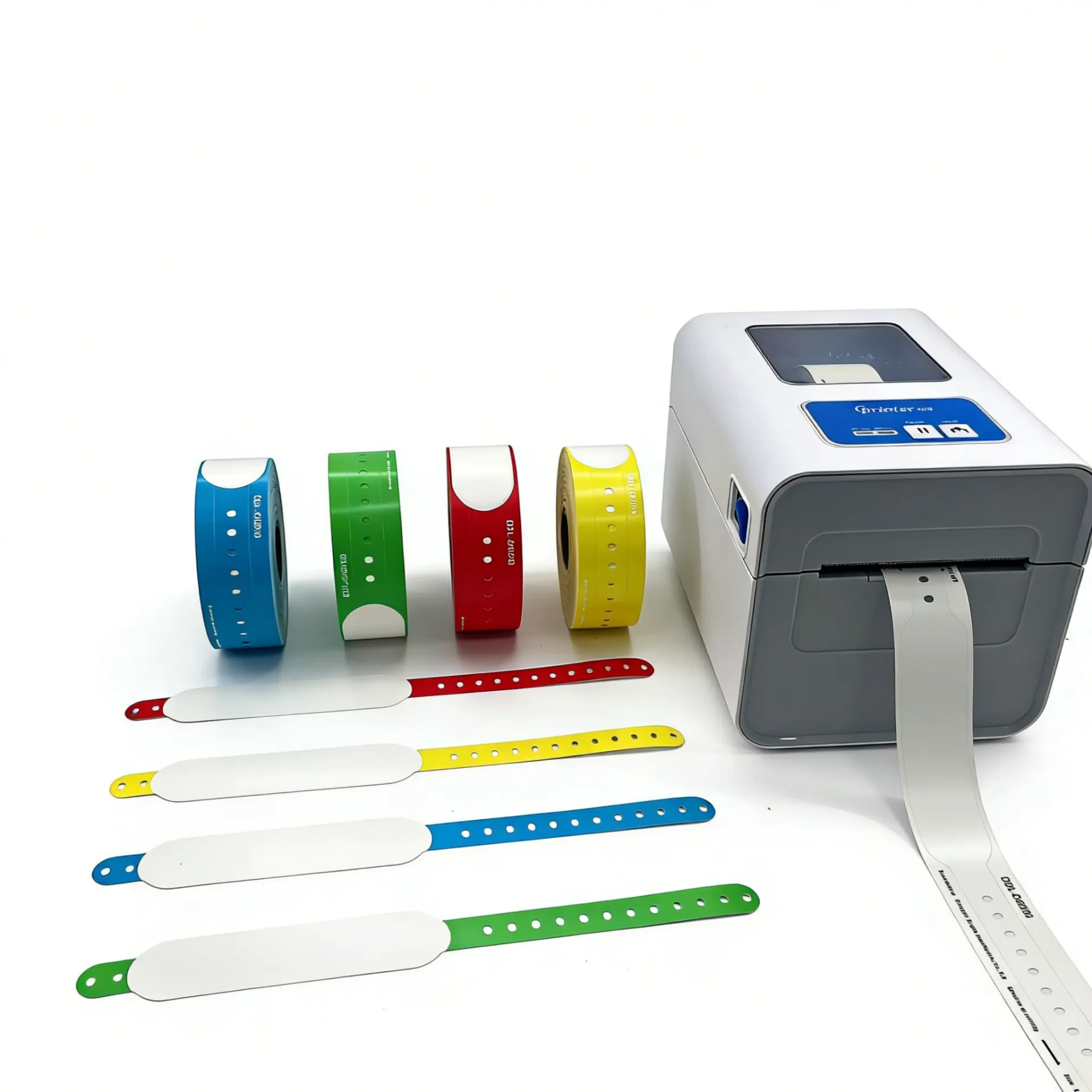
The wristband is a safety device, not a label
The deepest lesson from the workaround literature is that the wristband is not passive infrastructure. It is an active component of the medication safety system, and its failure modes propagate directly into patient risk. When a wristband will not scan, the nurse does not experience a minor inconvenience; the nurse experiences a choice between a slow, safe resolution and a fast, unsafe workaround. The frequency with which nurses choose the workaround is a measure of how well the wristband and the workflow have been designed for the realities of bedside care.
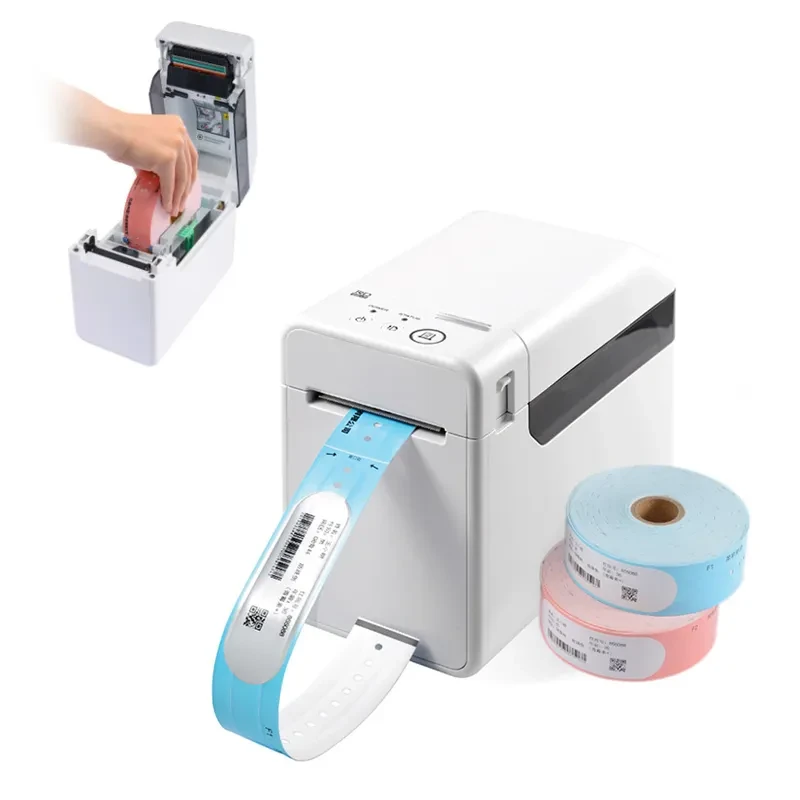
Reducing that frequency is not a matter of exhortation. It is a matter of engineering the wristband for durability and readability, engineering the workflow for bedside accessibility, and engineering the escalation path so that replacement and resolution are faster than bypass. The most dangerous workflow is the workaround, and the most effective way to eliminate it is to make the intended workflow the one that actually works when the nurse is standing at the bedside with a medication in hand and a patient waiting.
A note on terminology for readers seeking further information: This article discusses wristband scanning failure, BCMA workaround, barcode medication administration, manual MRN entry, nursing bypass behavior, patient identification, wristband unreadable, wristband missing, chewed wristband, soaked wristband, lost wristband, contact isolation, medication cart, bedside scanning, point-of-care scanning, barcode scanner, scanner failure, wireless connectivity, patient ID barcode, surrogate barcode, duplicate wristband, wrong-patient error, medication error, adverse drug event, Joint Commission, National Patient Safety Goal, two patient identifiers, patient safety, workaround, omitted step, process deviation, compliance failure, scanning compliance, patient scanning rate, medication scanning rate, failure mode, risk factor, isolation precautions, wristband replacement, wristband durability, wristband readability, barcode placement, wristband material, thermal-printed wristband, laser-printed wristband, silicone wristband, disposable wristband, tamper-evident wristband, bedside verification, electronic medication administration record, eMAR, medication pass, high-alert medication, independent double check, root cause, and workflow design.
Continue Reading
Have Questions About Wristbands?
Our team is ready to help you find the perfect wristband solution for your needs. Contact us directly on WhatsApp for quick responses.
Contact on WhatsApp