
Patient Locker and Wristband Integration: A Wasted Touchpoint in the Admission Experience
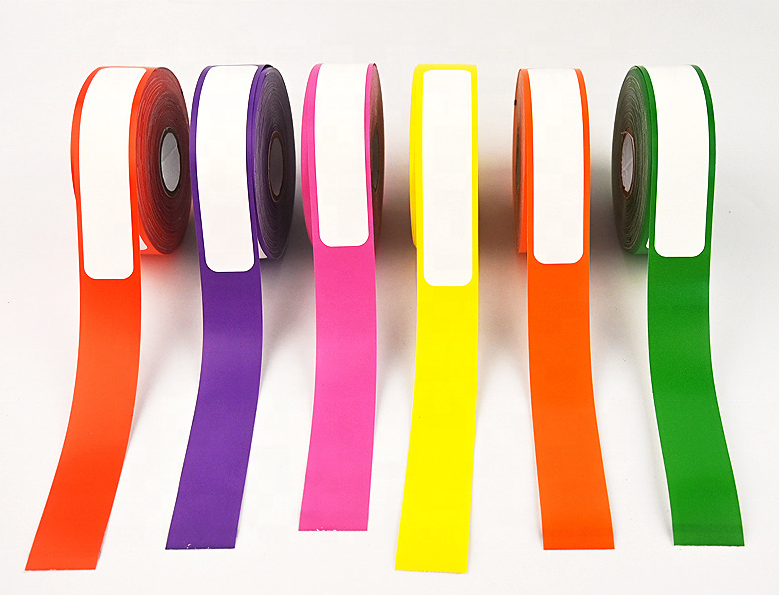
Admission is a sequence of small indignities. The patient arrives with a bag. They are asked to surrender their clothes, their phone, their wallet, their keys. These items are placed in a plastic bag with a handwritten label, or a locker with a key that will be lost by the second day. The wristband goes on the arm. The belongings go somewhere else. The two never speak to each other.
This separation is not a clinical necessity. It is a design failure. The same wristband that identifies the patient could, with the right infrastructure, also control access to their belongings. It could open the locker that holds their glasses, their hearing aids, their phone charger, the book they brought to pass the time. It could expire the access automatically at discharge, eliminating the scavenger hunt for keys and the disputes over missing items. It could, in short, treat the patient's belongings as part of the patient's episode of care rather than as a separate logistical problem.
Few hospitals do this. The wristband and the locker remain disconnected systems, managed by different departments, purchased from different vendors, and integrated only by the adhesive tape of a handwritten label. The result is a touchpoint that generates friction, consumes nursing time, and creates a small but persistent source of patient anxiety at the exact moment when the patient is already vulnerable.
The Belongings Problem Is a Nursing Problem
Hospitals have policies for patient valuables. They are usually sensible on paper. The patient should keep their belongings with them if possible. If not, family should take valuables home. If neither is possible, the hospital will store items in a locked cabinet and document the transaction.
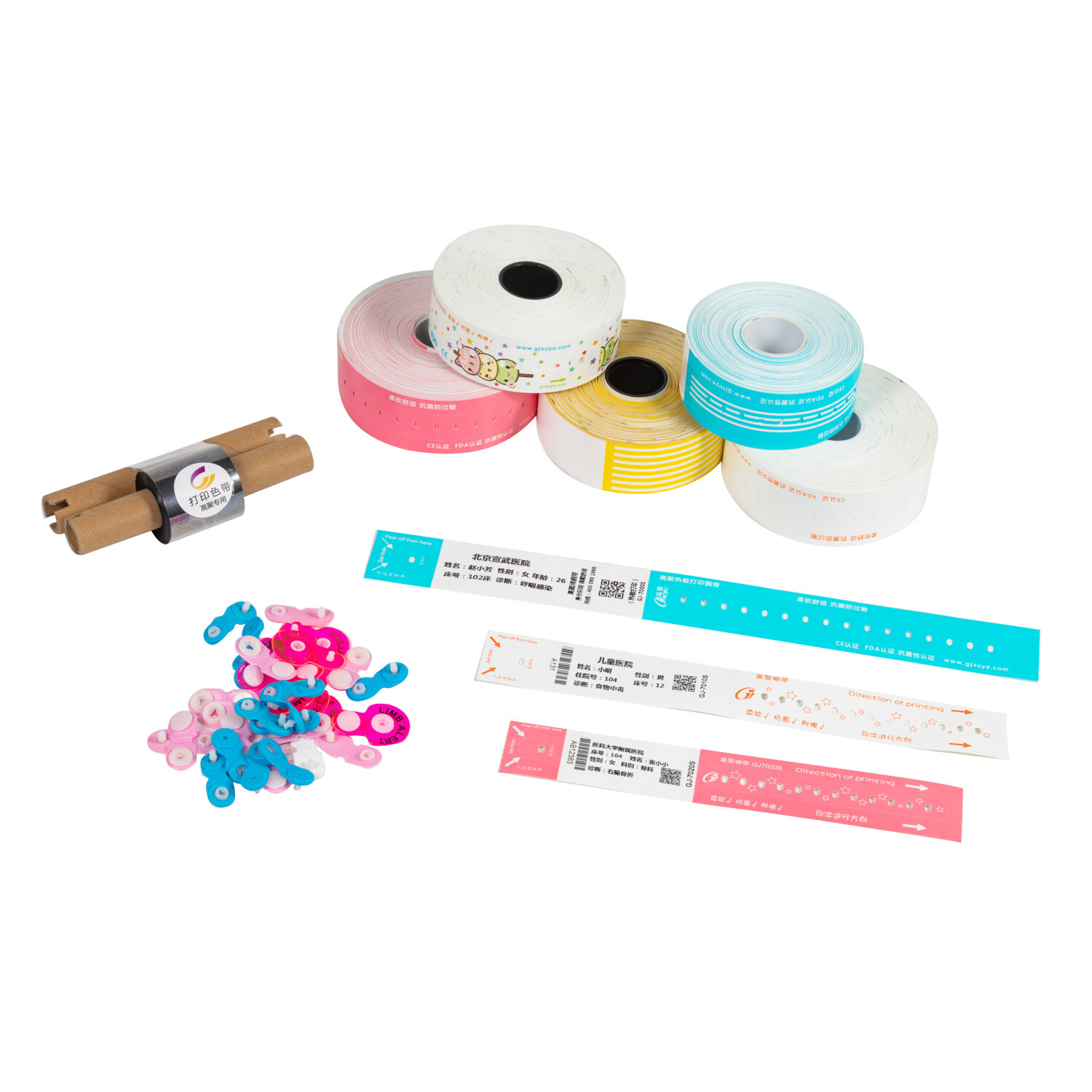
The gap between policy and practice is where the friction lives. A patient admitted through the emergency department at 2 a.m. has no family present. A patient transferred from a nursing home arrives with a plastic bag of personal effects and no clear inventory. A patient undergoing surgery is separated from their glasses, their dentures, their hearing aids—items that are essential to their dignity and function but are not classified as "valuables" in any policy that generates a locked cabinet and a signed form.
Swedish hospital guidance on patient belongings acknowledges the scope of the problem. The primary principle is that patients manage their own belongings. When they cannot, the hospital must store them securely, document what was stored, and ensure traceability. The guidance specifies that belongings should be stored in a lockable cabinet on the unit, and that the unit manager is responsible for ensuring the handling is traceable.
What the guidance does not specify is how the patient accesses those belongings during their stay. A locked cabinet with a key held at the nurse station means the patient must ask a nurse every time they need their phone, their book, or a clean pair of socks. The nurse must find the key, unlock the cabinet, retrieve the item, and lock it again. This is a small task repeated dozens of times per shift across a ward. It is also a task that competes with clinical priorities and is therefore frequently deferred, improvised, or resented.
What the Wristband Could Do: One Credential, From Bedside Verification to Locker Access
The technical capability to link a patient wristband to a locker already exists. It is not experimental. It is not theoretical. It is a documented feature of RFID wristband systems currently marketed to healthcare facilities.
IdenPro, a manufacturer of RFID patient identification bands, states directly that its wristbands can be used for "access to patient lockers" alongside identification and patient management.
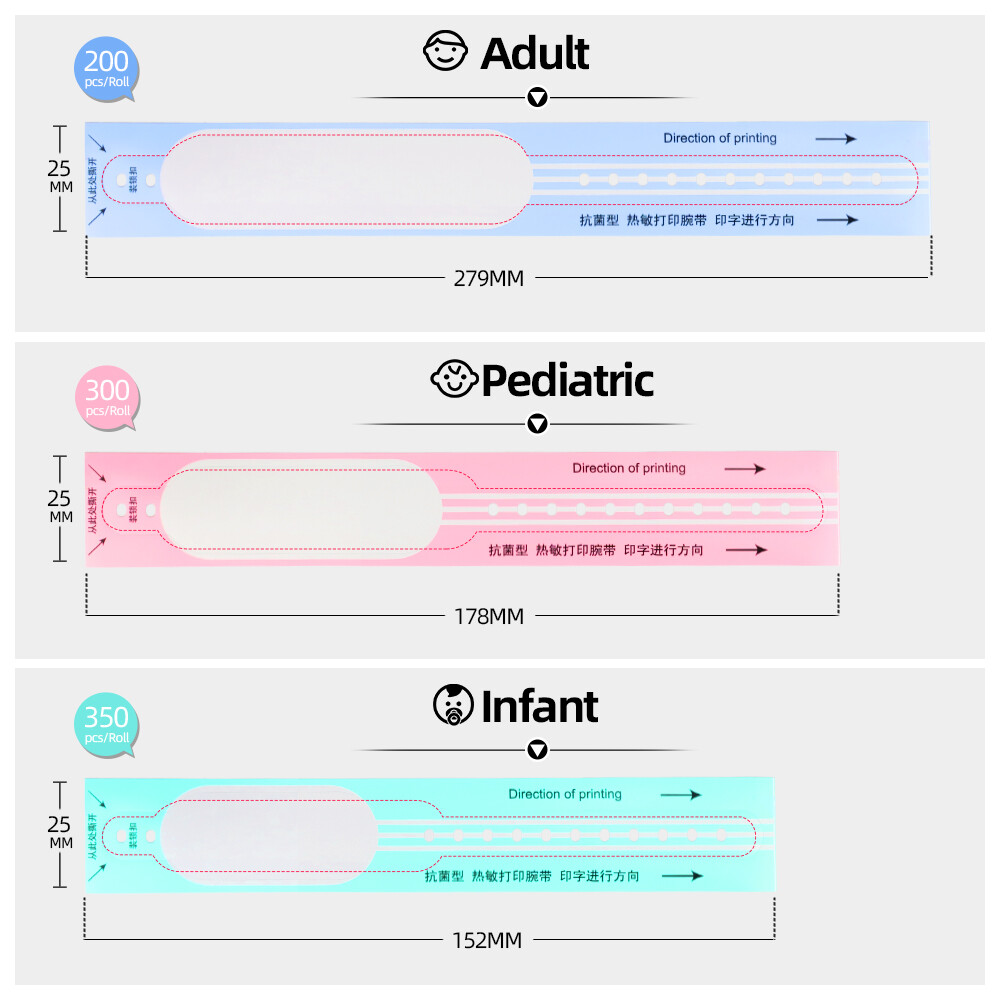
The credential also has to work across the whole patient population, not just the average adult: the standard 279 mm adult format, the shorter pediatric and infant bands, the extended-length wristbands stocked as bariatric patient wristbands, and the ankle bands applied when wrist access is unavailable. A locker credential that only reads one band size is a locker credential that fails a predictable share of admissions.
A 2026 industry overview of RFID hospital wristbands lists patient locker access as one of seven established use cases beyond simple identification, noting that the band can be linked to a temporary credential that opens the correct locker for the length of stay, reduces disputes, limits unauthorized access, and makes discharge less chaotic because the access expires automatically.
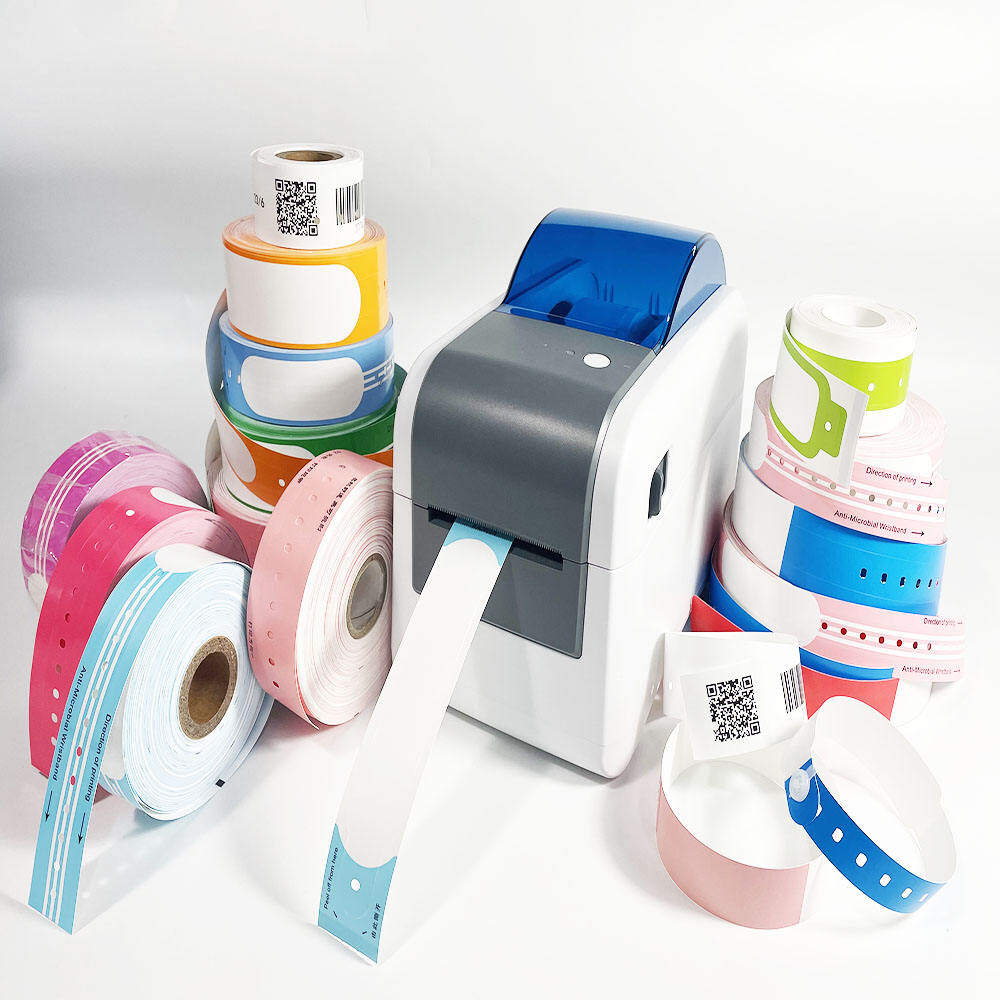
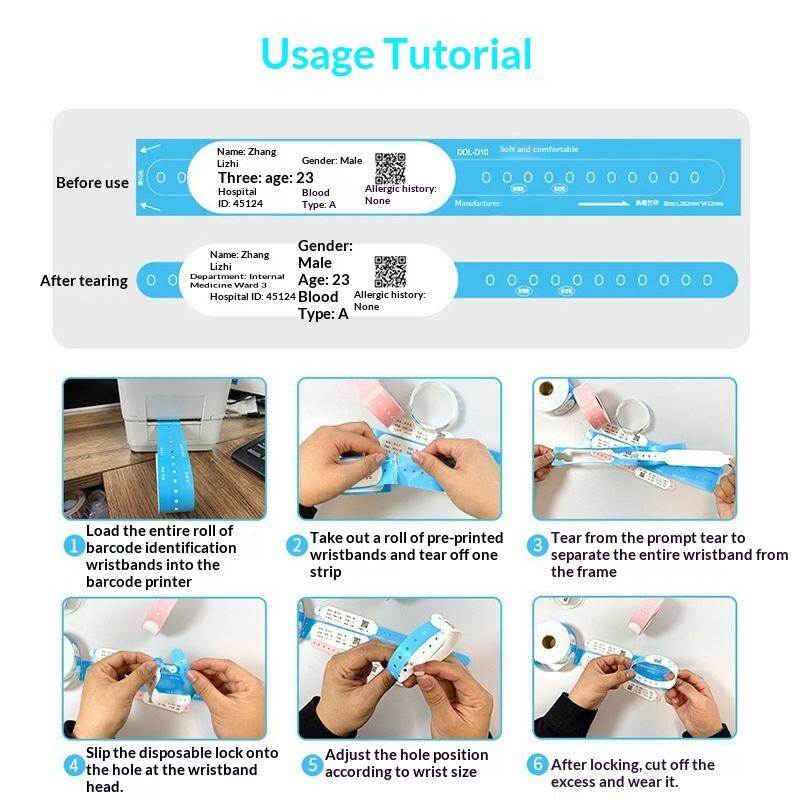
The architecture is straightforward. The wristband carries a unique identifier, either printed as a barcode or encoded in an RFID chip. The locker is fitted with an electronic lock that reads that identifier. When the patient is admitted, the wristband is associated with a specific locker in the hospital's access management system. When the patient presents the wristband to the locker reader, the door opens. When the patient is discharged, the association is severed and the locker becomes available for the next patient.
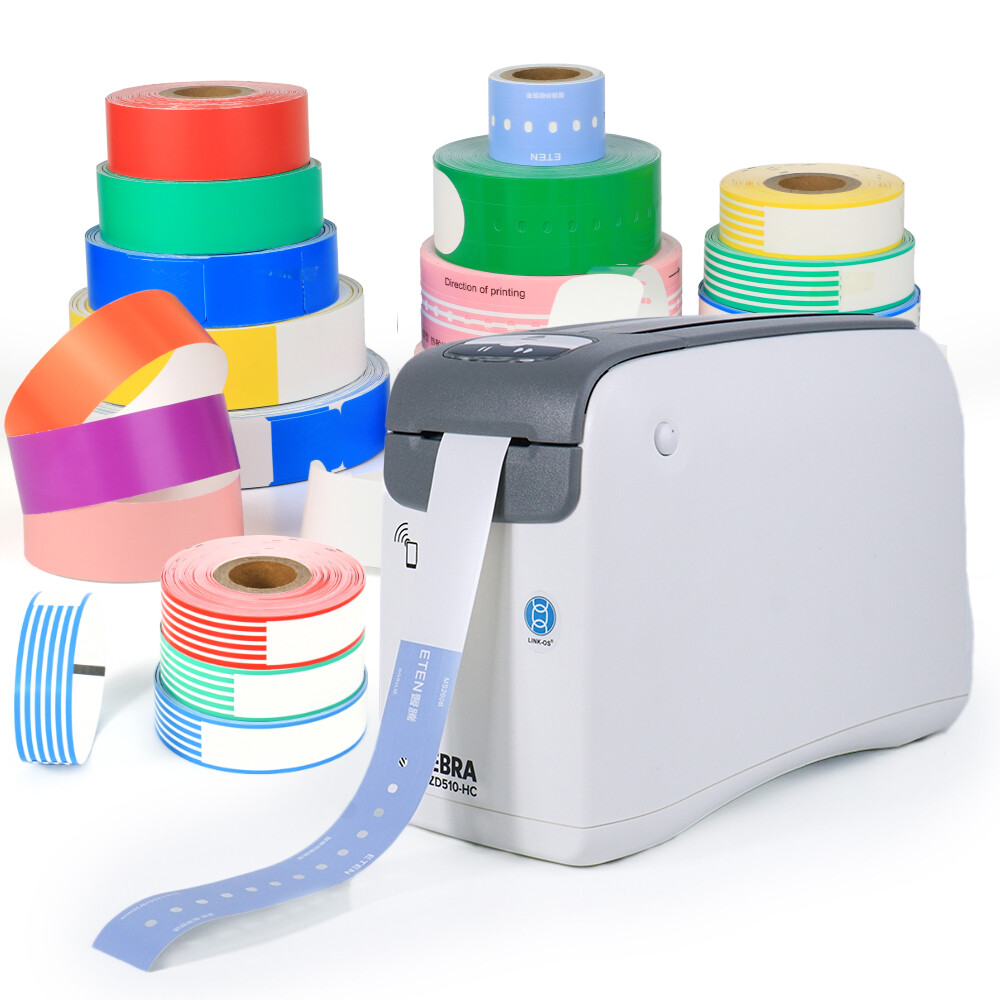
Kimaldi, an access control vendor, describes a healthcare deployment in which a single RFID card or wristband serves multiple functions: entering the facility, opening the staff locker, and clocking in. The company notes that the wristband option is particularly useful because "the user can pass the access control by bringing the wristband close to the reader, even if his hands are full." The same logic applies to patients. A post-surgical patient with an IV pole and a walker does not have a free hand for a key. A wristband that opens the locker is not a convenience. It is an accessibility feature.
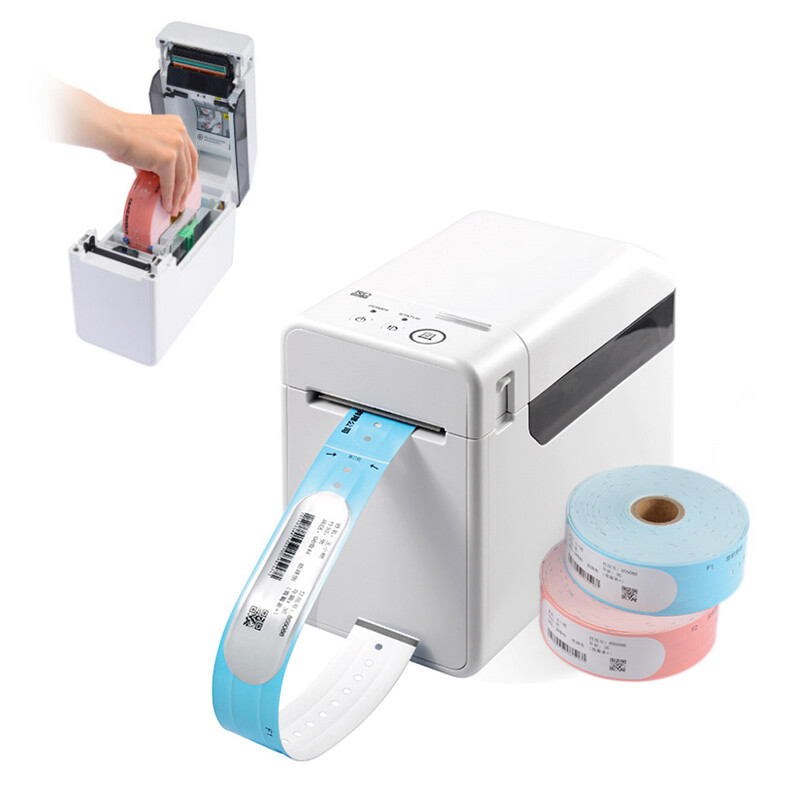
The Discharge Day Problem
The most tangible benefit of wristband-locker integration may be the least discussed: discharge.
Discharge is a logistical bottleneck. The patient is medically cleared. The paperwork is prepared. The prescriptions are written. And then someone must find the belongings. The key is in a drawer. The cabinet is locked. The nurse who stored the items is off shift. The patient is sitting in a wheelchair in the hallway, waiting for a bag that was packed three days ago.
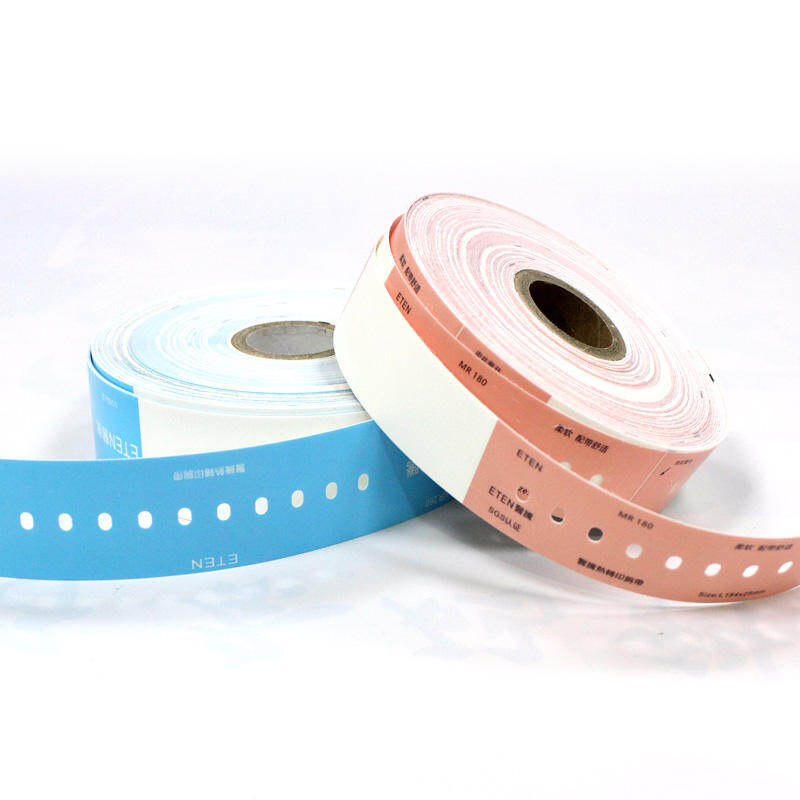
A wristband-controlled locker eliminates this sequence. The access credential is on the patient's arm. The locker opens when the patient approaches it. The belongings are retrieved in the time it takes to walk to the cabinet. The access expires at discharge, so there is no key to return and no ambiguity about whether the locker is empty.
A 2024 report on perioperative experience improvement at Mayo Clinic identified "belongings management" as one of the pain points addressed through human-centered design. The project's interventions included automation pilots and improved belongings management as part of a broader effort to reduce anxiety and streamline workflows. The report does not describe a wristband-locker integration specifically, but it confirms that belongings management is recognized as a patient experience issue worthy of systematic intervention, not merely an administrative afterthought.
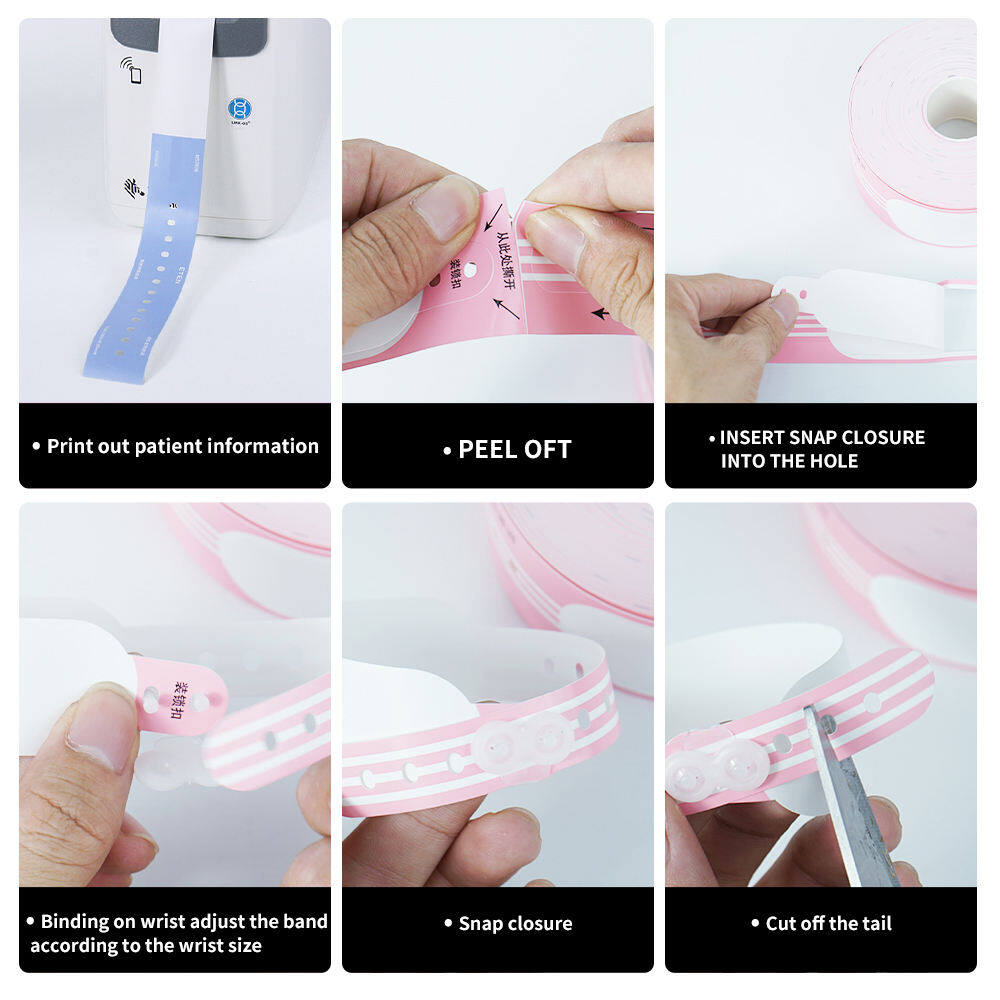
The patient experience literature is clear that admission and discharge are the moments when patients are most sensitive to logistical friction. A patient who spends their last hour in the hospital waiting for someone to find the key to their locker remembers that hour. A patient who walks to a locker, opens it with the band on their wrist, and leaves with their bag remembers a departure that felt, for once, like it was designed for them rather than around them.
Why It Rarely Happens
The barriers to wristband-locker integration are not technical. They are organizational.
Procurement silos. Wristbands are purchased by materials management or nursing supply. Lockers are purchased by facilities or security. Access control systems are purchased by IT or security. These departments rarely coordinate on a shared identifier architecture. The wristband vendor and the locker vendor may not have a relationship. The integration is technically feasible but commercially inconvenient.
The "not my problem" problem. The nurse who cannot find the locker key is not the person who chose the locker system. The patient who waits for their belongings at discharge is not the person who signed the wristband contract. The friction is distributed across roles in a way that makes it invisible to any single decision-maker.
The RFID hesitation. Some hospitals remain cautious about RFID wristbands due to privacy concerns, cost, or a lack of familiarity. A barcode-only wristband can still be used for locker access, but it requires the patient to physically scan the band at the locker reader, which is less seamless than RFID proximity reading. The hospitals that have adopted RFID for other purposes—night rounds, medication verification, elopement prevention—have already crossed the threshold that makes locker integration a marginal addition rather than a new infrastructure investment.
The low perceived value. Belongings management is not a clinical safety issue in the way that medication errors or wrong-patient procedures are. It does not generate incident reports. It does not appear on dashboards the way patient identification accuracy metrics do, and it never surfaces in the identification-compliance audits that CAP Q-Probes style surveillance programs run on bedside verification. It is a comfort issue, an experience issue, a dignity issue. These are real, but they compete poorly against bleeding and falls in the hierarchy of hospital priorities.
A Small Integration With Disproportionate Return: Patient Identification Accuracy Beyond the Bedside
The case for linking wristbands to patient lockers is not that it will save lives. It is that it will remove a recurring source of friction from the patient experience and the nursing workflow, at a cost that is marginal for hospitals that have already invested in RFID identification infrastructure.
The components are already available. The wristbands exist. The electronic locks exist. The access management software exists. The only missing element is the decision to treat the wristband as a credential that extends beyond clinical identification into the mundane logistics of the patient's stay.
A hospital that makes this decision would need to address the same questions that any access control system raises. Who can grant locker access? What happens if a wristband is removed or lost? How is the locker cleared after discharge? How is the patient informed that their wristband opens their locker? These are solvable problems, and the vendors who already supply the wristbands have an incentive to help solve them.
The alternative is to continue with the current system: a plastic bag, a handwritten label, a key at the nurse station, a patient waiting in the hallway for someone to find it. The wristband is already on their arm. It could open the door. It just isn't asked to.
A note on terminology for readers seeking further information: This article discusses patient identification wristbands, hospital wristbands, RFID wristbands, medical ID bands, and patient ID bracelets in healthcare settings. Related terms include patient locker access control, patient belonging management, RFID access control healthcare, admission experience touchpoints, discharge workflow, electronic locker locks, and patient identification errors.
Continue Reading
Have Questions About Wristbands?
Our team is ready to help you find the perfect wristband solution for your needs. Contact us directly on WhatsApp for quick responses.
Contact on WhatsApp