
The Wristband-Label-Tube Loop in Blood Collection: Where Does It Break Most Easily?
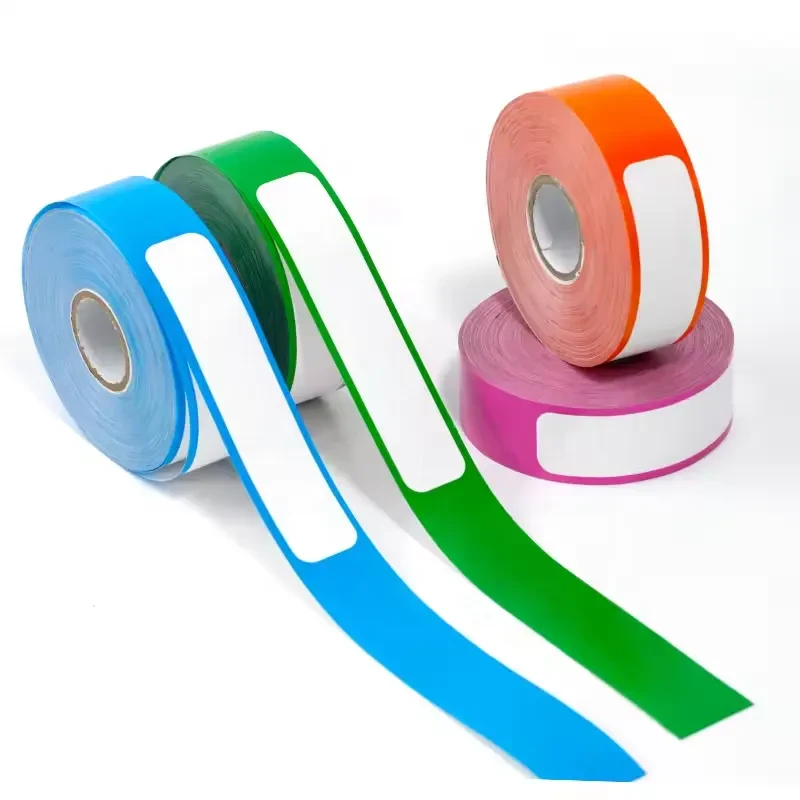
Blood collection looks simple from the outside: identify the patient, draw the blood, label the tube, send it to the lab. In practice, this three-point chain—wristband, label, tube—is one of the most fragile sequences in clinical care. When it breaks, the consequences range from a delayed diagnosis to a fatal transfusion reaction. The question worth asking is not whether the loop can break, but where it breaks most often, and why the weakest link is rarely the technology itself.
The Anatomy of a Closed Loop
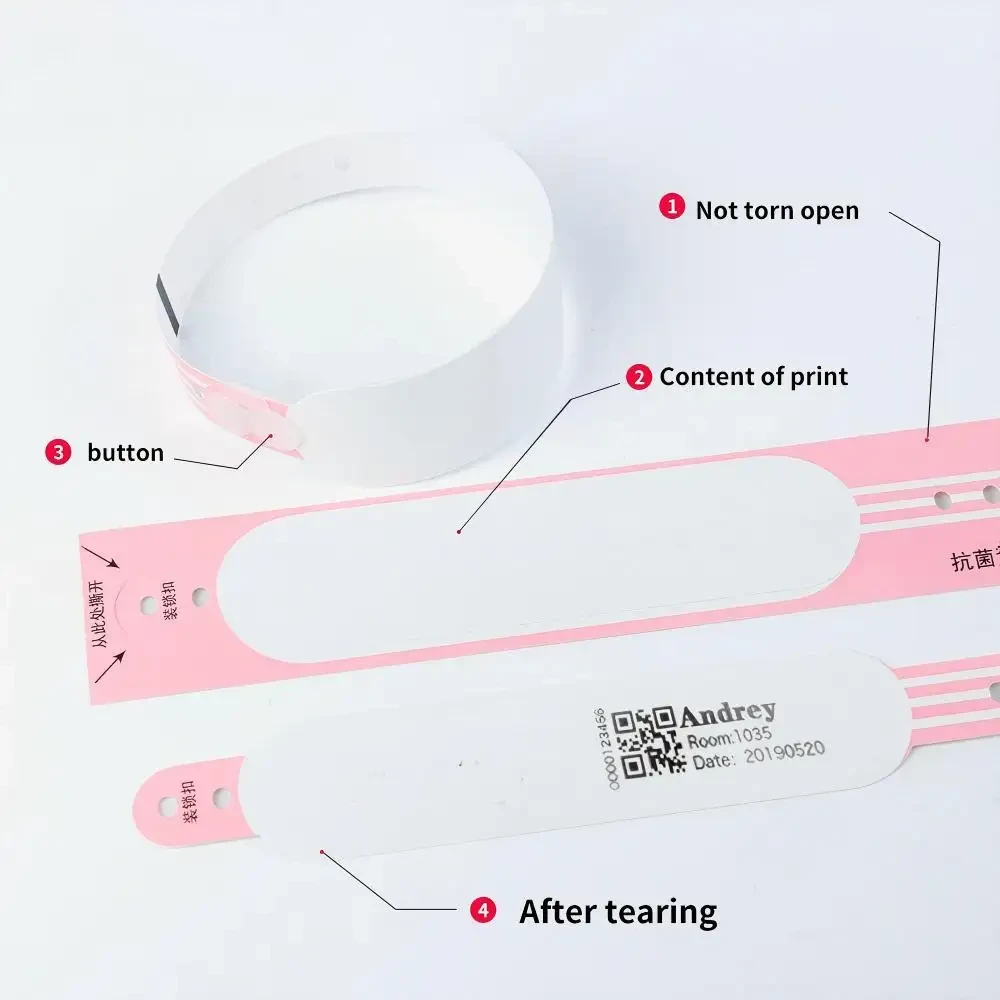
The wristband-label-tube loop is a positive patient identification system. A barcode on the patient's wristband is scanned at the bedside. That scan triggers the generation of a specimen label carrying the same unique identifier. The label is applied to the tube immediately after venipuncture, at the patient's side, without the phlebotomist leaving to print or fetch anything. When the loop closes properly, the tube in the rack carries a label that is provably tied to the arm from which the blood was drawn.
The logic is elegant. The execution is where things fall apart.
Where the Break Happens Most Often: The Human Step Between Scan and Stick
Studies consistently point to the same vulnerability: the moment when the phlebotomist transitions from verifying the wristband to actually labeling the tube. This is not a technology failure. It is a workflow failure, a timing failure, and sometimes a simple failure of attention under pressure.
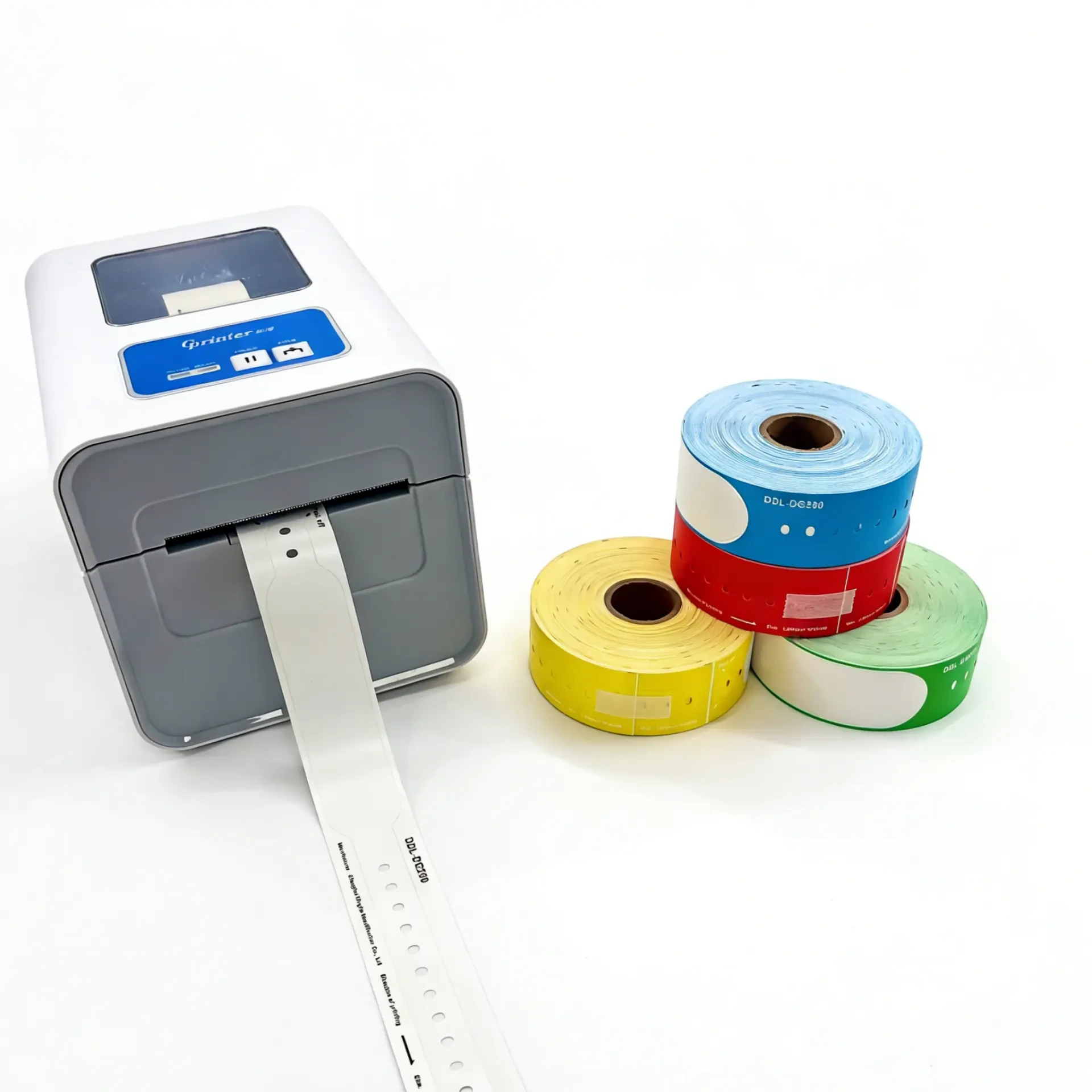
A large emergency department study illustrates the scale of the problem and the potential for improvement. Before implementing an electronic ordering system paired with barcode wristband verification and barcode specimen labeling, the ED recorded 3,007 specimen errors out of 724,465 collections—a rate of 0.42%. After implementation, errors dropped to 379 out of 334,039, or 0.11%. That is a 74% relative reduction. The intervention worked. But the subanalysis revealed something critical: the majority of errors that continued to occur happened when the barcode system could not be used, such as for blood bank or surgical pathology specimens, forcing staff back to manual labeling.
The break, in other words, clusters where the loop is incomplete.
The Pre-Analytical Gap: Why Labels and Wristbands Drift Apart
The Clinical and Laboratory Standards Institute guidelines identify accurate patient identification and tube labeling as the most vulnerable steps in blood sampling. A European survey across twelve countries found compliance with these guidelines to be "unacceptably low". The problem is not ignorance of the standard. It is the gap between the standard and the reality of a busy ward at 2 a.m.
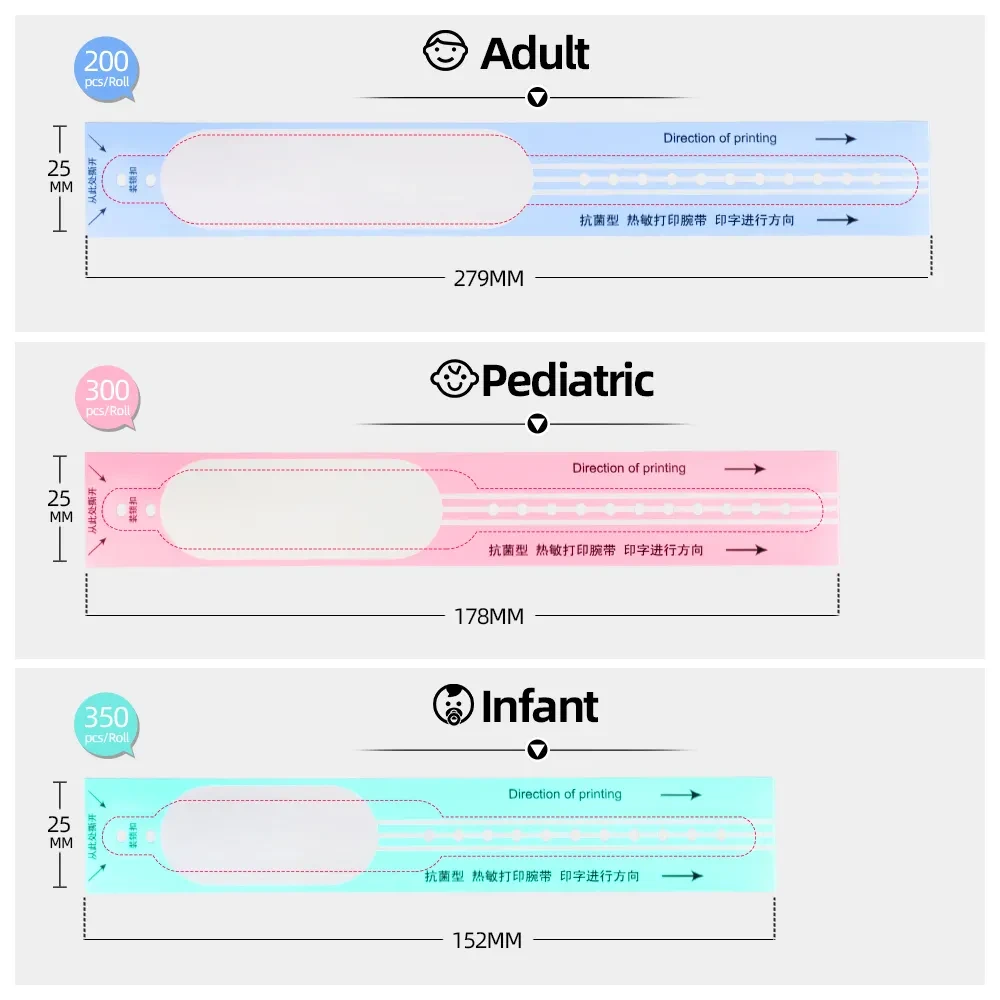
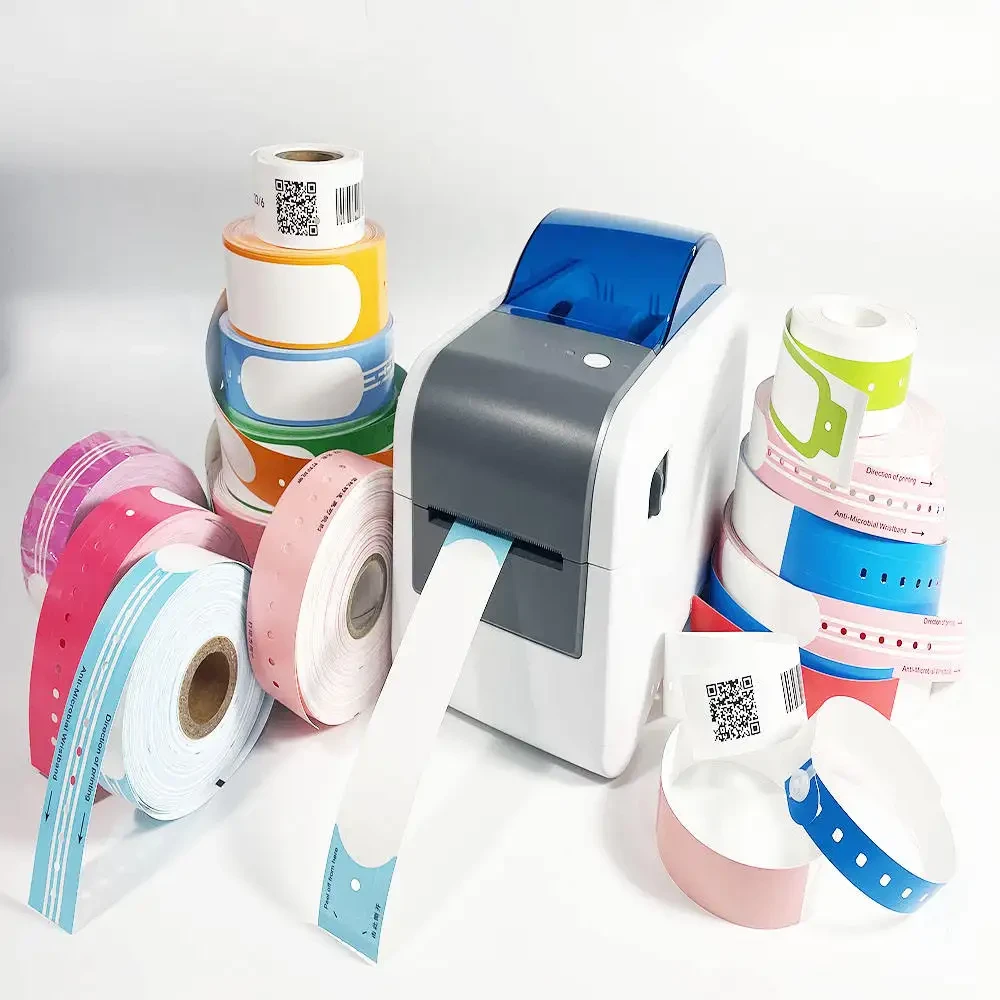
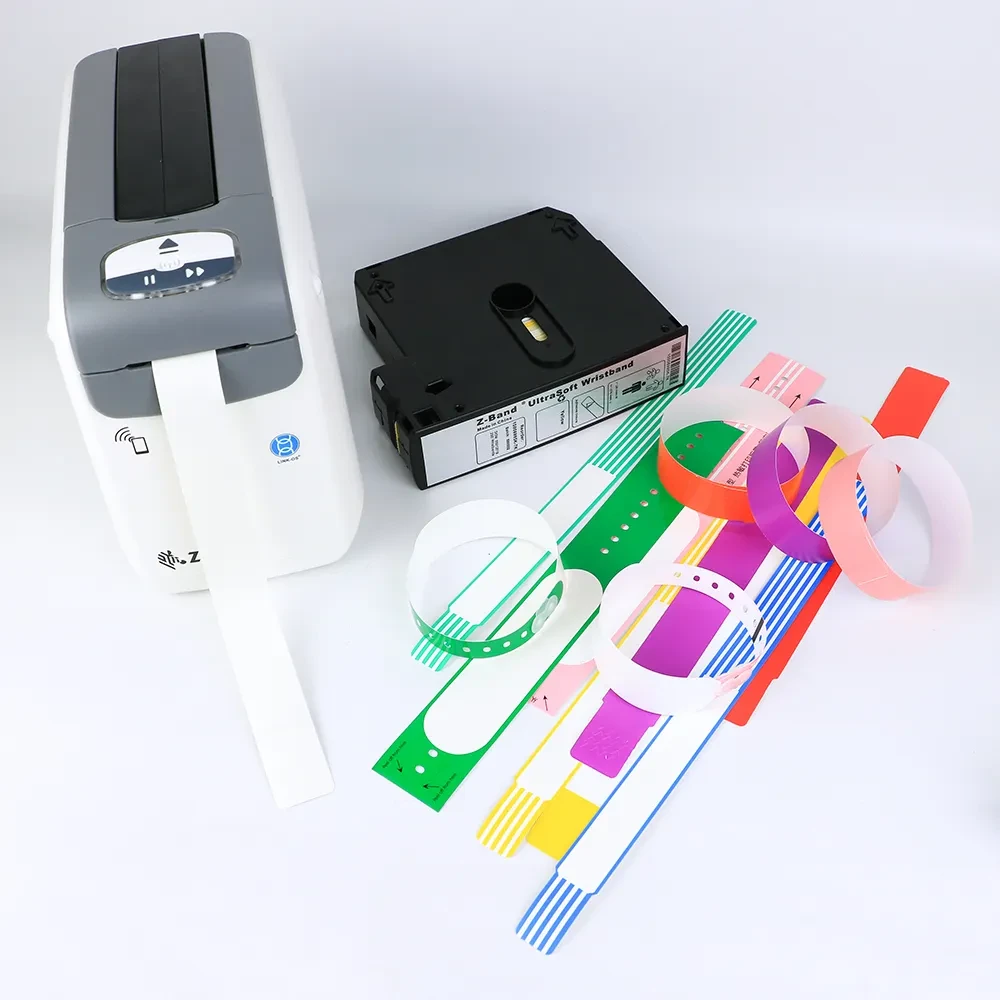
The credential also has to work across the whole patient population, not just the average adult: the standard 279 mm adult format, the shorter pediatric and infant bands, the extended-length wristbands stocked as bariatric patient wristbands, and the ankle bands applied when wrist access is unavailable. A labeling credential that only reads one band size is a labeling credential that fails a predictable share of admissions.
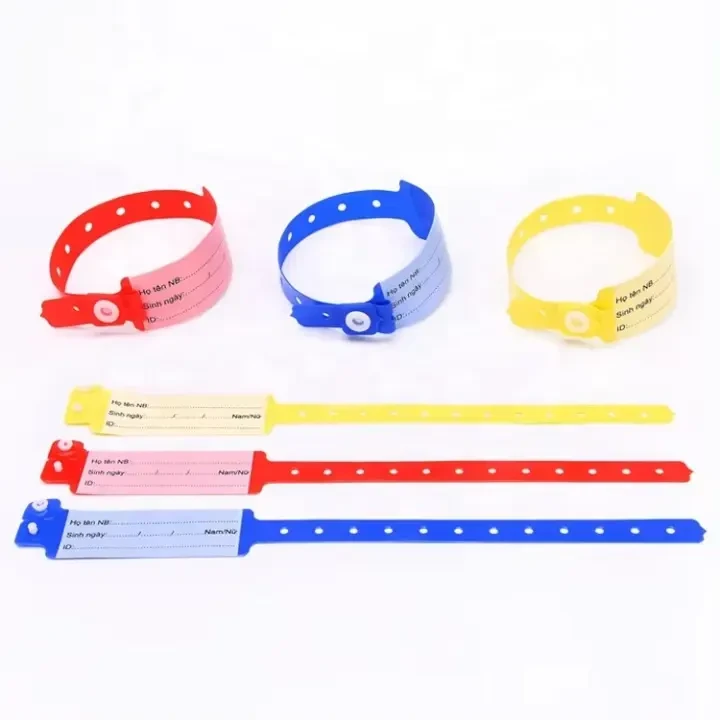
A 2024 study from a tertiary care hospital in a lower-middle-income country analyzed wrong blood in tube events and found a rate of 4.8 per 10,000 blood requests. The rate was higher for urgent requests (5.2 per 10,000) and highest during the night shift, between 8 p.m. and 2 a.m. The root causes were deviations from standard operating procedures, with contributions from both human and organizational factors. The wristband was likely correct. The tube was likely drawn from the right patient. But the labeling step—the bridge between them—failed when staffing was thin and time was short.
This is the pattern that repeats across settings: the loop does not break because the barcode is unreadable or the wristband fell off. It breaks because the person holding the tube is rushed, interrupted, or working around a system that does not fit the moment.
The Persistent Problem of Wrong Blood in Tube
Wrong blood in tube (WBIT) is the most dangerous manifestation of a broken loop. It means the blood in the tube does not belong to the patient named on the label. A UK national audit found a WBIT incidence of 1 in 5,882 samples in 2022, a 45% increase compared to 1 in 8,547 in 2012. The audit also found that sites using only electronic sample labeling had a 46.9% lower rejection rate than sites using only hand-labeling—but they still reported WBIT events. Electronic systems reduce the frequency of breaks. They do not eliminate them.
Why? Because the electronic system depends on a human deciding to use it correctly. A study at one institution found that mandating two witnesses to patient ID and bedside labeling reduced WBIT events from 11 in 2006 to 5 in 2007, but the problem persisted into 2008 and 2009. Adding a second independent sample requirement for untyped patients likely to be transfused helped, but did not fully solve it. Each layer of protection catches some errors. None catches all of them.
What the Barcode Actually Fixes
It is worth being precise about what the wristband-label-tube loop does well, because understanding its strengths clarifies where its limits lie.
Barcode-based positive patient identification significantly reduces mislabeled and unlabeled specimens. In one inpatient phlebotomy study, labeling errors fell from 5.45 per 10,000 before implementation to 3.2 per 10,000 afterward. More importantly, the system eliminated a workflow step that required manual preprinting of labels, a step that carried potential labeling errors in roughly one quarter of blood draws. After implementation, a higher percentage of patients reported having their wristband checked before phlebotomy.
The loop works best when it removes opportunities for error rather than adding steps. Preprinted labels are a classic failure point: they are generated away from the bedside, which means the label exists before the patient is verified. The barcode-at-bedside model reverses this: verification happens first, and the label is created only after the wristband scan confirms identity. The label cannot exist without the patient having been scanned.
The Weakest Link Is the Transition, Not the Tool
If there is a single answer to the question posed in the title, it is this: the loop breaks most easily at the point where the digital verification ends and the physical labeling begins. The wristband scan is fast and objective. The tube is inert. The human hand that moves the label from printer to tube is where variability enters.
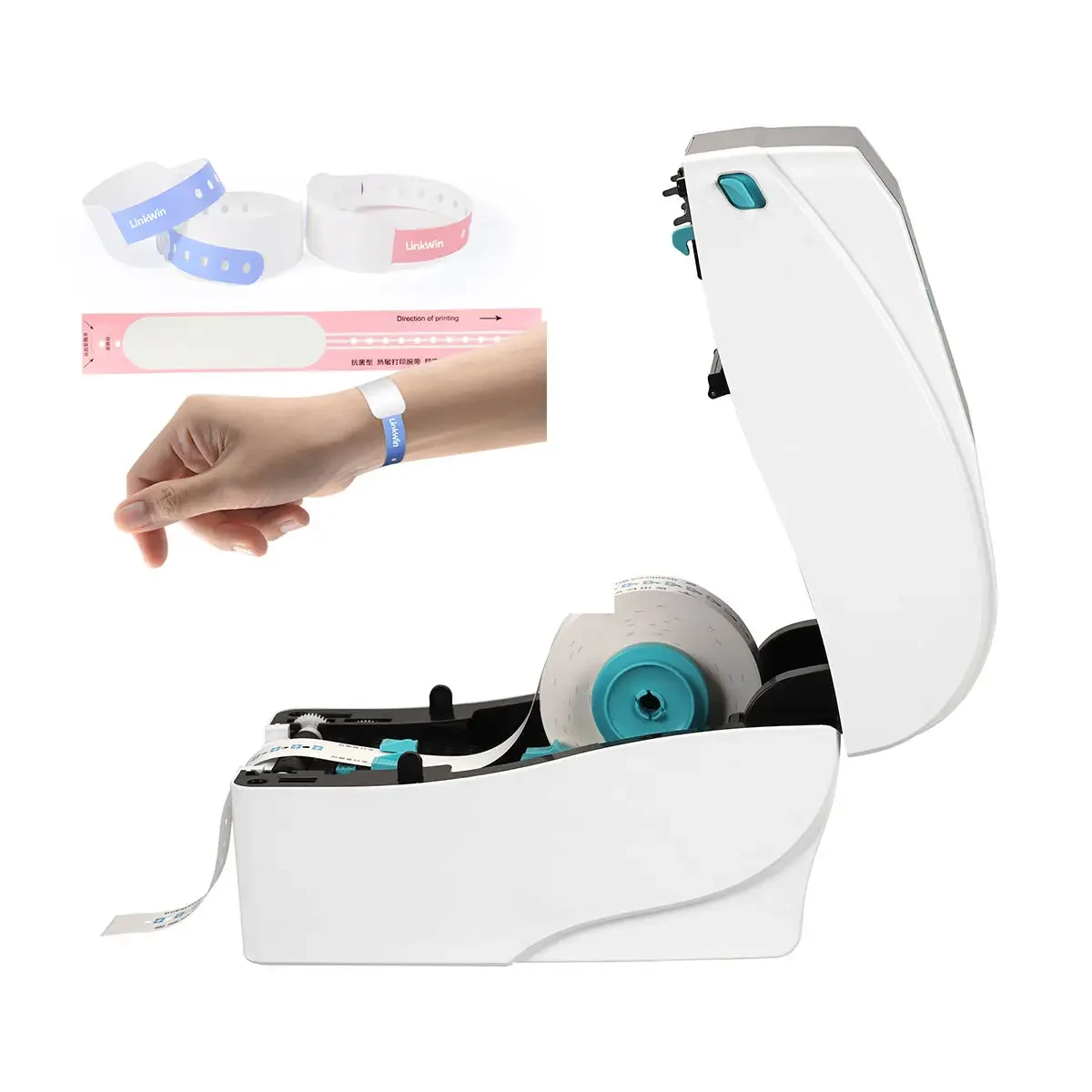
This is not an argument against the technology. It is an argument for designing the human step so that it has no room to fail. Labeling at the bedside, immediately after venipuncture, without leaving the patient's side, is the operational rule that closes the gap. The moment the phlebotomist walks away to label the tube, the loop has already opened. The tube and the wristband are no longer in the same physical space, and the label is no longer anchored to a verified identity.
The wristband, the label, and the tube are three points of a chain. The barcode connects the first two. The third connection—the one made by hand, under time pressure, in a room with a patient waiting—is the one that requires the most deliberate design. Technology can flag a mismatch. It cannot stop a tired person from labeling the wrong tube. That part of the loop is closed only by procedure, training, and the discipline of never breaking the physical proximity between patient and specimen.
Practical Implications for Collection Workflow: Closing the Loop and Protecting Patient Identification Accuracy
For anyone responsible for phlebotomy operations or specimen labeling protocols, the evidence points toward a few concrete priorities.
First, treat the bedside labeling rule as non-negotiable. The label must be generated and applied while the phlebotomist is still with the patient. Any workflow that allows labels to be printed elsewhere and applied later reintroduces the preprinting failure mode that barcode systems were designed to eliminate.
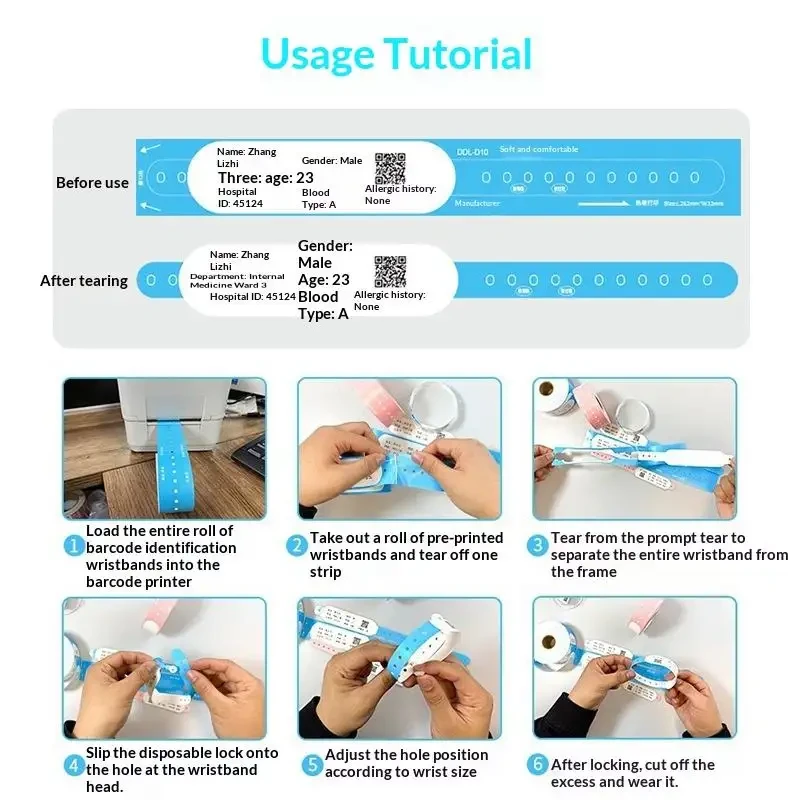
Second, watch the exceptions. The continued errors in the ED study clustered around specimens that could not use the barcode system. Blood bank specimens, surgical pathology, and any workflow that falls outside the standard loop need separate, equally rigorous safeguards, not a fallback to handwriting.
Third, recognize that human factors are not an excuse. They are the design constraint. The night-shift WBIT peak, the urgent-request vulnerability, the interruptions that pull a phlebotomist away from the bedside—these are predictable features of clinical work. A labeling system that only functions under calm conditions is not a closed loop. It is a loop with a gap that opens under load.
The wristband-label-tube loop is one of the most studied and most improved safety systems in laboratory medicine. It has driven specimen error rates down by double-digit percentages in hospital after hospital. But the question of where it breaks most easily has a stubbornly human answer. The break happens in the space between a scan and a sticker, in the seconds when a person decides whether to follow the procedure or take a shortcut. Closing that gap is not a technology problem. It is a problem of respect for the small, repetitive acts that make large safety systems work—and the same identification-compliance indicators that CAP Q-Probes style surveillance programs track when they audit whether staff actually verify identity at the bedside.
A note on terminology for readers seeking further information: This article discusses patient identification wristbands, hospital wristbands, medical ID bands, RFID wristbands, and patient ID bracelets in healthcare settings. Related terms include wristband label tube loop, barcode specimen labeling, wrong blood in tube, pre-analytical errors, bedside labeling, patient identification accuracy, and phlebotomy workflow.
Continue Reading
Have Questions About Wristbands?
Our team is ready to help you find the perfect wristband solution for your needs. Contact us directly on WhatsApp for quick responses.
Contact on WhatsApp