
What Happens When a Patient Wristband Is Applied Too Tight? Signs, Risks, and Fixes
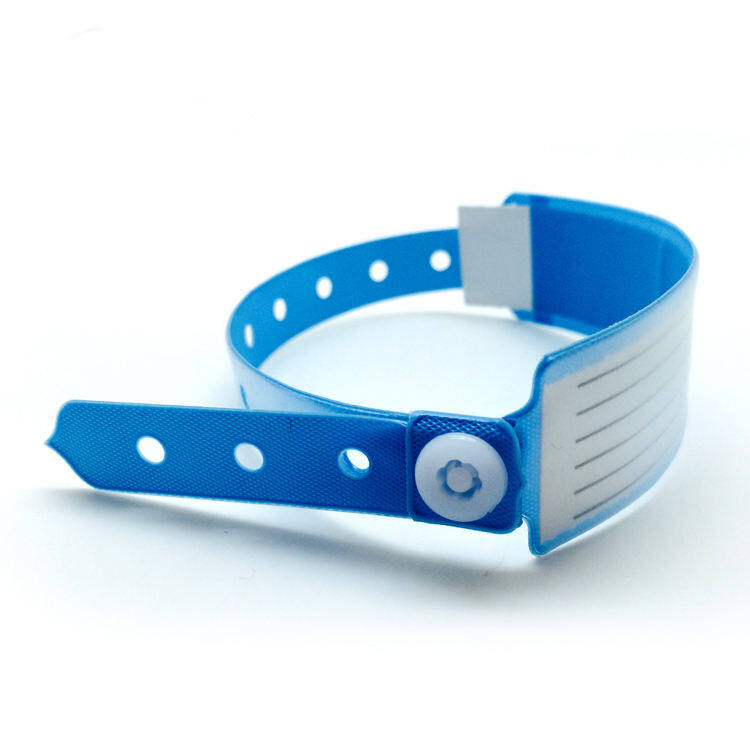
Patient identification is the cornerstone of safe healthcare delivery. Among the various tools used to ensure accurate patient identification, the medical wristband stands as one of the most critical. This simple yet essential device carries vital information — patient name, medical record number, date of birth, and other pertinent details — that healthcare providers rely upon for clinical decision-making. However, when a patient wristband is applied incorrectly, particularly when it is too tight, the consequences can range from mild discomfort to severe neurovascular compromise.
Understanding the proper application of patient identification bands is not merely a matter of protocol compliance; it is a fundamental patient safety imperative. The significance of correct wristband tension cannot be overstated, as an improperly applied band can transform a safety tool into a source of harm. This article examines the clinical implications of excessively tight wristbands, the physiological mechanisms underlying potential complications, recognizable warning signs, and evidence-based solutions for prevention and correction.
The Anatomy of Proper Wristband Application
Understanding the Correct Tightness
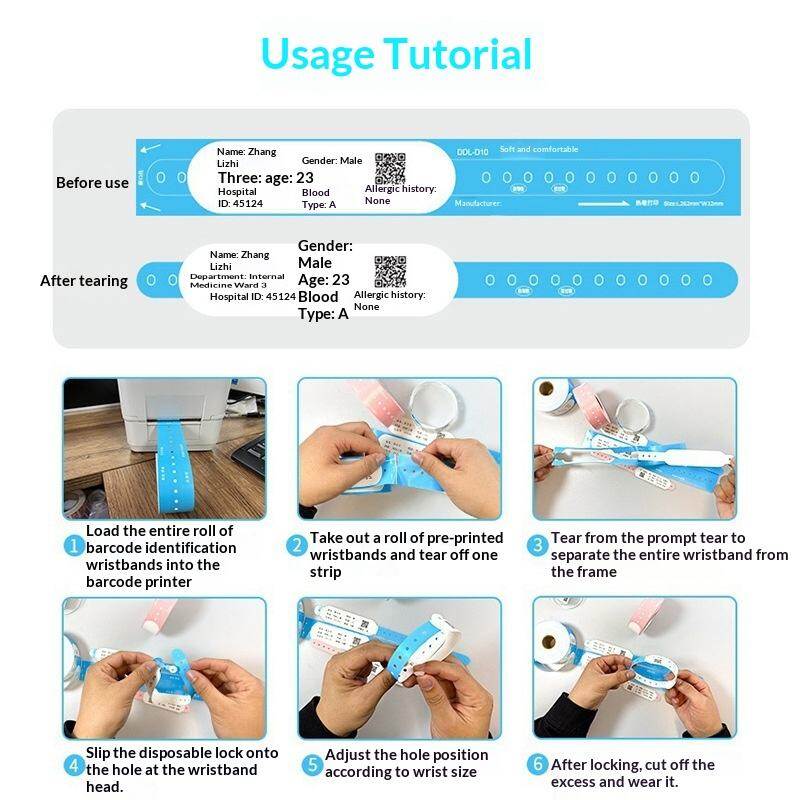
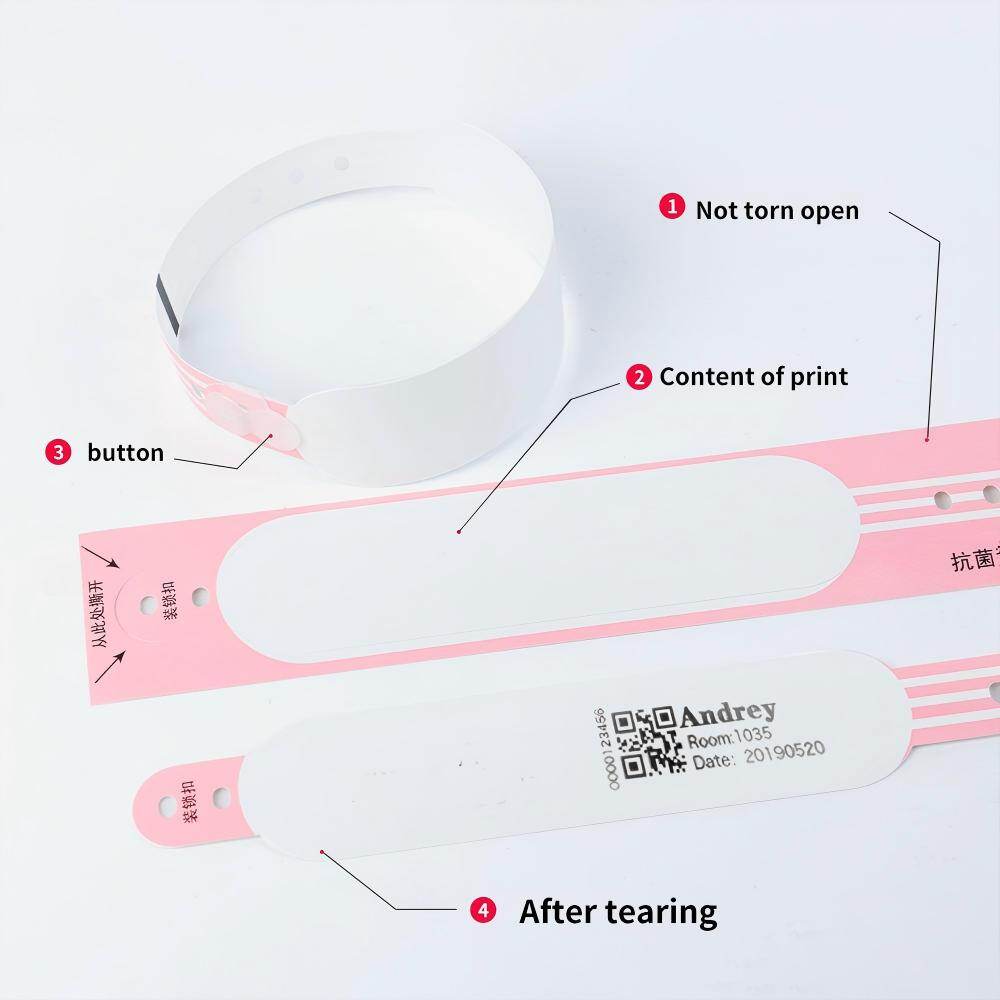
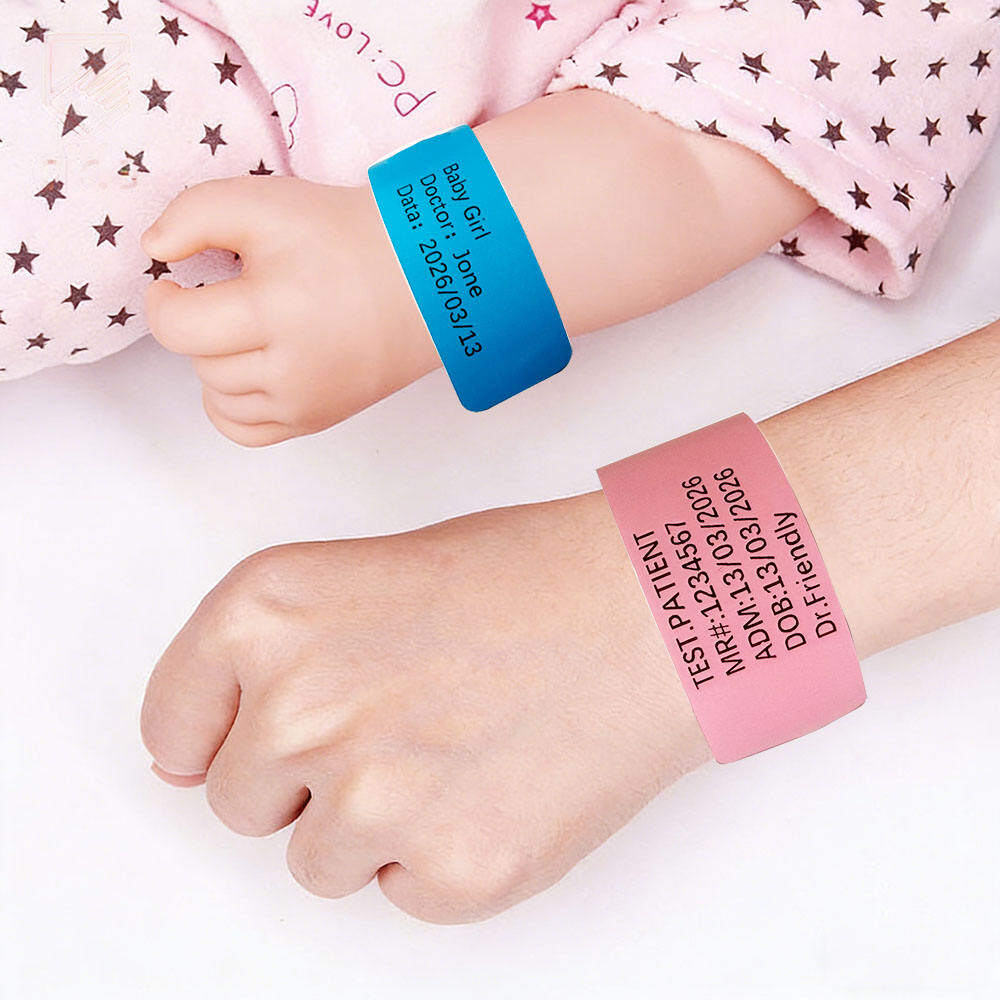
The application of a patient identification band requires precision and attention to anatomical considerations. Clinical guidelines consistently recommend that a wristband should be snug enough to prevent accidental rotation or removal, yet loose enough to allow adequate circulation. The universally accepted standard for proper wristband tension is the ability to slide one to two fingers comfortably between the band and the patient's skin.
This two-finger rule serves as a practical, easily implementable guideline that healthcare providers can apply consistently across various patient populations. When a wristband is properly applied, it maintains its position without creating pressure points that could compromise underlying tissues. The band should rest comfortably against the skin without causing indentation or visible marks that persist after the band is removed.
Anatomical Considerations for Wristband Placement
The wrist contains several critical structures that are vulnerable to compression injury. The radial artery, ulnar artery, median nerve, ulnar nerve, and various tendons traverse this relatively compact anatomical region. When external pressure is applied circumferentially, as occurs with a tight wristband, these structures become susceptible to compression and subsequent dysfunction.
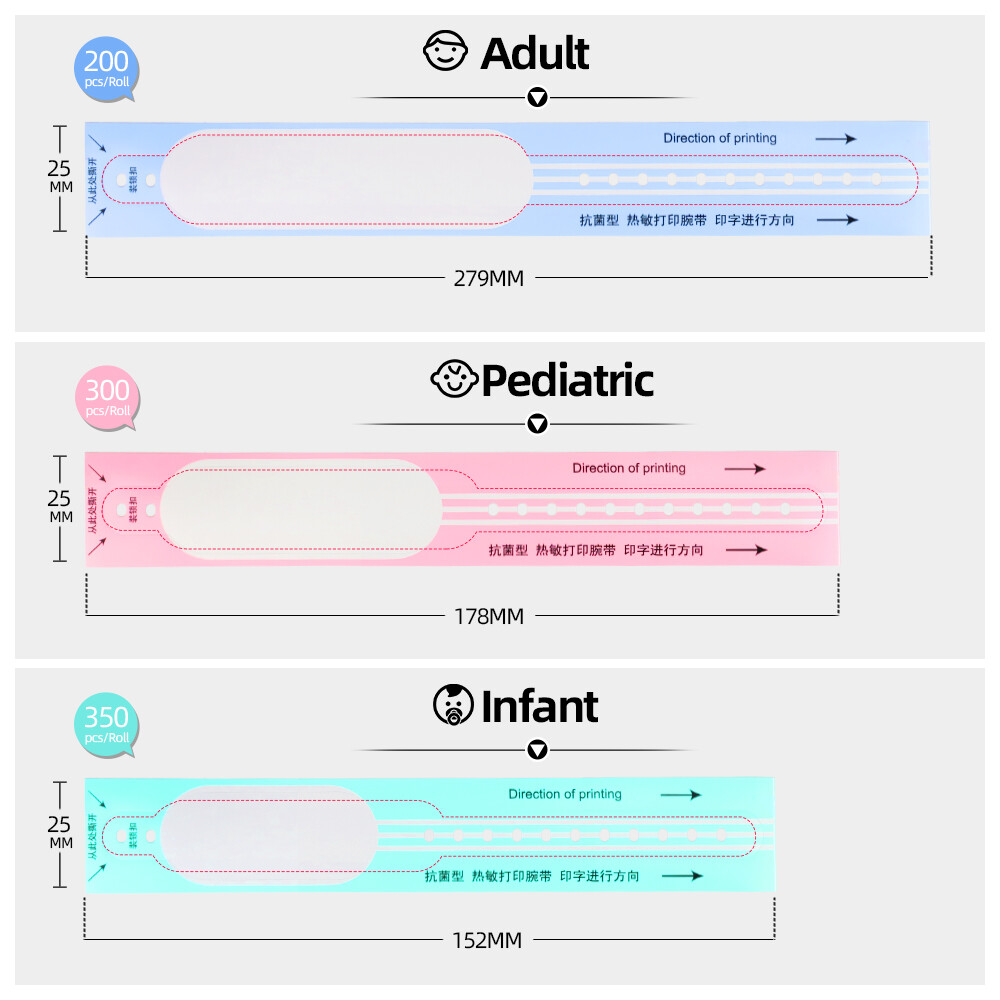
Healthcare providers must also consider individual patient factors that may affect proper wristband sizing and application. Patients with edema, whether from heart failure, renal disease, or other causes, present unique challenges. Similarly, pediatric patients with their smaller anatomy and patients with cognitive impairments who may not be able to communicate discomfort require particular attention during wristband application.
Pathophysiology of Wristband-Related Compression
Mechanisms of Neurovascular Compromise
When a patient identification band is applied too tightly, it creates a circumferential constriction that disrupts normal physiological processes. The initial consequence is venous compression, which impairs blood outflow from the affected extremity. This venous stasis leads to increased capillary hydrostatic pressure and subsequent edema formation.
As the constriction persists, the accumulating edema further tightens the already compromised space beneath the band. This creates a vicious cycle wherein swelling exacerbates the constriction, which in turn promotes additional swelling. Eventually, arterial inflow may also become compromised, leading to tissue ischemia and potential necrosis.
The neurological consequences of excessive wristband tightness follow a similar progressive pattern. Initial nerve compression may cause paresthesia — tingling or numbness — in the distribution of affected nerves. With continued compression, patients may experience reduced sensation, motor weakness, and eventually complete loss of function in severe cases. The superficial radial nerve is particularly vulnerable to compression injuries in this region, as documented in clinical literature describing neurapraxia from tight wristbands.
The Rubber Band Syndrome: A Cautionary Model
While patient identification bands differ from rubber bands in material and intended use, the pathophysiology of rubber band syndrome provides valuable insights into the consequences of chronic constriction. This condition, well-documented in pediatric literature, occurs when constricting bands remain in place for extended periods, gradually embedding into soft tissues.
In rubber band syndrome, the constricting object initially causes mild discomfort and subtle skin indentation. Over time, the pressure leads to progressive tissue penetration, with the band eventually becoming invisible as it burrows beneath the skin surface. The insidious nature of this process means that significant damage may occur before symptoms become apparent.
The documented consequences of rubber band syndrome include tendon involvement, neurovascular compromise, and in severe cases, compartment syndrome requiring surgical intervention. While patient wristbands are designed for external application and regular assessment, the underlying principle remains relevant: sustained circumferential pressure can cause progressive tissue damage.
Clinical Signs of an Overly Tight Wristband
Early Recognition Indicators
Healthcare providers should be vigilant for signs indicating that a patient wristband is too tight. Early recognition is crucial to prevent progression to more serious complications. The following signs warrant immediate attention:
- Skin changes: the most readily observable indicator of excessive tightness is skin appearance beneath and around the wristband. Initial redness may progress to pallor or cyanosis as circulation becomes compromised. Persistent indentation marks after band removal indicate that pressure has exceeded acceptable limits.
- Temperature changes: the affected extremity may feel cooler to touch compared to the contralateral limb, reflecting reduced arterial perfusion. This temperature differential is an important clinical sign that should prompt immediate assessment.
- Swelling: edema distal to the wristband, including the hand and fingers, suggests venous congestion from impaired outflow. Progressive swelling that worsens despite elevation indicates significant circulatory compromise.
Progressive Symptom Development
As compression continues, patients may report or exhibit:
- Paresthesia: tingling, numbness, or pins and needles sensations in the hand and fingers indicate nerve compression. Patients may describe these symptoms as their hand falling asleep.
- Pain: discomfort that progresses from mild pressure sensation to significant pain signals advancing tissue compromise. Pain may be described as burning, aching, or sharp in character.
- Motor weakness: difficulty with fine motor tasks or grip strength reduction suggests motor nerve involvement. In severe cases, patients may be unable to move their fingers.
- Skin breakdown: in prolonged cases of excessive tightness, skin integrity may be compromised, leading to ulceration or necrosis at pressure points. Any evidence of skin breakdown beneath a wristband requires immediate intervention.
Risk Factors and Special Populations
Patient-Specific Considerations
Certain patient populations face elevated risks when wristbands are applied too tightly:
- Pediatric patients: children have smaller anatomical structures and thinner skin, making them more susceptible to compression injuries. Additionally, pediatric patients may be unable to articulate discomfort, delaying recognition of problems. Infants and toddlers are at particular risk because their rapid growth can cause a properly sized band to become too tight over time.
- Patients with edema: pre-existing swelling from any cause reduces the space available beneath a wristband and accelerates the progression of compression-related complications.
- Cognitive impairment: patients with dementia, delirium, or other cognitive conditions may not report symptoms or may attempt to remove bands, potentially causing additional injury.
- Coagulopathy: patients with bleeding disorders or those receiving anticoagulation therapy may experience more severe consequences from even minor compression injuries.
Clinical Settings with Elevated Risk
Certain healthcare environments present unique challenges for wristband management:
- Intensive care units: critically ill patients often have significant edema and may require multiple devices attached to their extremities, increasing the risk of compression injuries.
- Emergency departments: high patient volumes and acuity may lead to rushed wristband application without proper attention to tightness.
- Surgical settings: intraoperative positioning and post-operative swelling can transform a properly applied wristband into a tight one.
Consequences of Unaddressed Tight Wristbands
Neurovascular Complications
The most concerning consequences of excessively tight patient wristbands involve neurovascular compromise. As documented in clinical literature, prolonged constriction can lead to:
- Ischemia: reduced arterial blood flow results in tissue hypoxia and potential infarction. The hand and fingers are particularly vulnerable due to their distance from the wristband and their high metabolic demands.
- Nerve damage: compression neuropathy can progress from reversible neurapraxia to irreversible axonotmesis or neurotmesis if pressure is not relieved promptly. The median, ulnar, and radial nerves may all be affected depending on the location and severity of compression.
- Compartment syndrome: in severe cases, increased pressure within the fascial compartments of the forearm can lead to acute compartment syndrome, a surgical emergency requiring immediate fasciotomy to prevent permanent disability.
Systemic Consequences
The local effects of a tight wristband can have broader systemic implications:
- Infection risk: compromised tissue integrity and reduced local immune function create favorable conditions for bacterial proliferation. Skin breakdown beneath a tight band can serve as a portal for infection.
- Increased length of stay: complications from tight wristbands may require additional diagnostic studies, interventions, and extended hospitalization, increasing healthcare costs and patient burden.
- Patient harm events: in the most severe cases, wristband-related complications may result in permanent disability or, in extreme circumstances, loss of limb.
Best Practices for Prevention
Assessment and Monitoring Protocols
Preventing wristband-related complications begins with systematic assessment and monitoring:
- Initial application assessment: before securing any patient identification band, healthcare providers should verify that the band is appropriately sized for the patient. The band should be placed on the wrist without excessive manipulation and should permit the two-finger check described in clinical guidelines.
- Regular reassessment: wristbands should be checked at regular intervals throughout the patient's stay. The frequency of assessment should increase with patient acuity and risk factors. At minimum, wristband tightness should be verified at every shift change and whenever patient care activities bring attention to the affected extremity.
- Documentation: assessment findings, including wristband condition and any concerns about tightness, should be documented in the patient record. This documentation creates accountability and provides a basis for continuity of care.

Patient and Family Education
Engaging patients and families as partners in safety is essential:
- Teaching points: patients and families should be educated about the purpose of the wristband, the importance of not tampering with it, and the signs that indicate it may be too tight. They should be encouraged to report any discomfort, numbness, or color changes in the affected extremity immediately.
- Empowerment: patients should be reassured that reporting concerns about their wristband will be taken seriously and addressed promptly. This empowers patients to serve as additional monitors for potential problems.
Institutional Policies and Training
Healthcare organizations should establish and maintain clear policies regarding wristband application and management:
- Standardized procedures: evidence-based protocols for wristband application, assessment, and replacement should be developed and implemented consistently across all clinical areas.
- Staff training: all healthcare personnel responsible for applying or assessing wristbands should receive initial and ongoing training on proper technique, warning signs of complications, and appropriate interventions.
- Quality monitoring: institutions should track wristband-related complications and use this data to identify improvement opportunities and evaluate the effectiveness of prevention strategies.
Correction and Management of Tight Wristbands
Immediate Interventions
When an overly tight wristband is identified, prompt action is required:
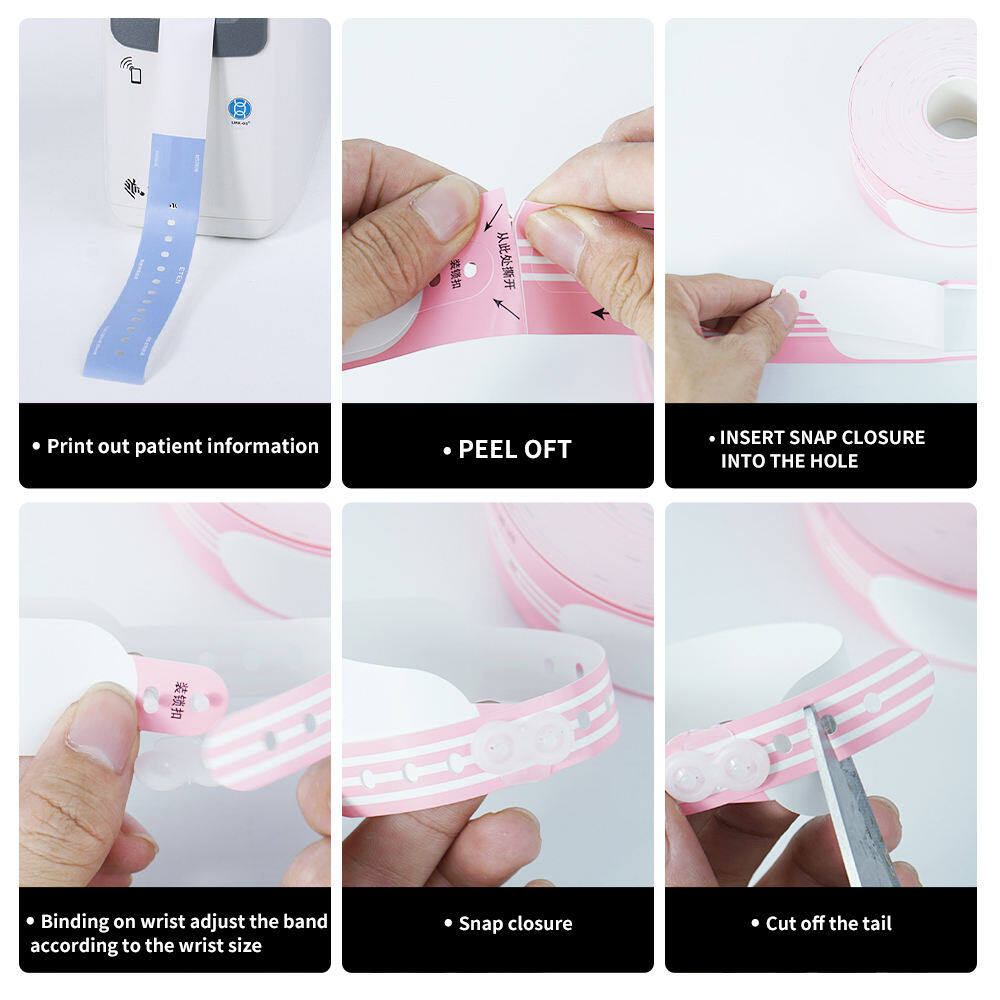
- Band replacement: the tight band should be removed and replaced with a properly sized alternative. Simply loosening an existing band may not be sufficient, as the material may have deformed or the closure mechanism may have been compromised.
- Assessment of affected extremity: after removing the tight band, the affected extremity should be thoroughly assessed for signs of neurovascular compromise. Skin condition, sensation, motor function, and circulation should all be evaluated and documented.
- Elevation: if edema is present, elevating the affected extremity can help reduce swelling and improve circulation.
Escalation Protocols
In cases where significant neurovascular compromise is suspected, escalation is warranted:
- Physician notification: the treating physician should be notified of any signs suggesting serious compression injury, including absent pulses, significant motor weakness, or progressive swelling.
- Specialty consultation: for severe cases, consultation with vascular surgery, plastic surgery, or hand surgery may be necessary. Early involvement of specialists can prevent progression to irreversible damage.
- Diagnostic imaging: in cases of suspected deep tissue involvement or retained foreign bodies, imaging studies such as ultrasound or MRI may be indicated. The constriction sign on plain radiographs has been described as a pathognomonic finding in cases of chronic constriction.
The Broader Context: Patient Safety and Identification
The Importance of Accurate Patient Identification
The proper application of patient identification bands serves a purpose far beyond regulatory compliance. Accurate patient identification is fundamental to preventing medical errors, including medication errors, transfusion reactions, and wrong-site procedures. The Joint Commission and other accrediting bodies consistently emphasize the importance of reliable patient identification systems.
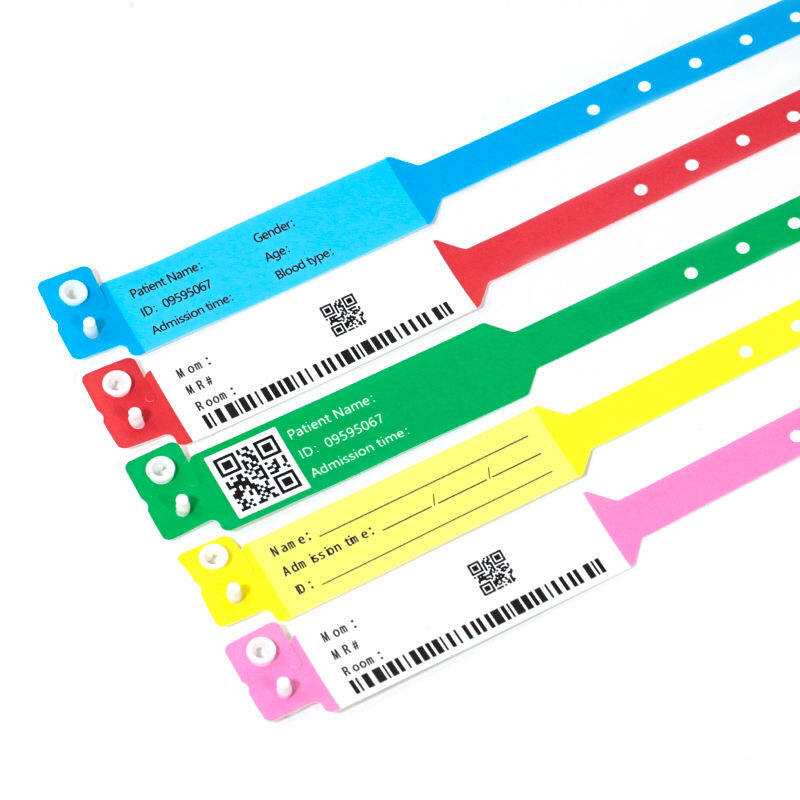
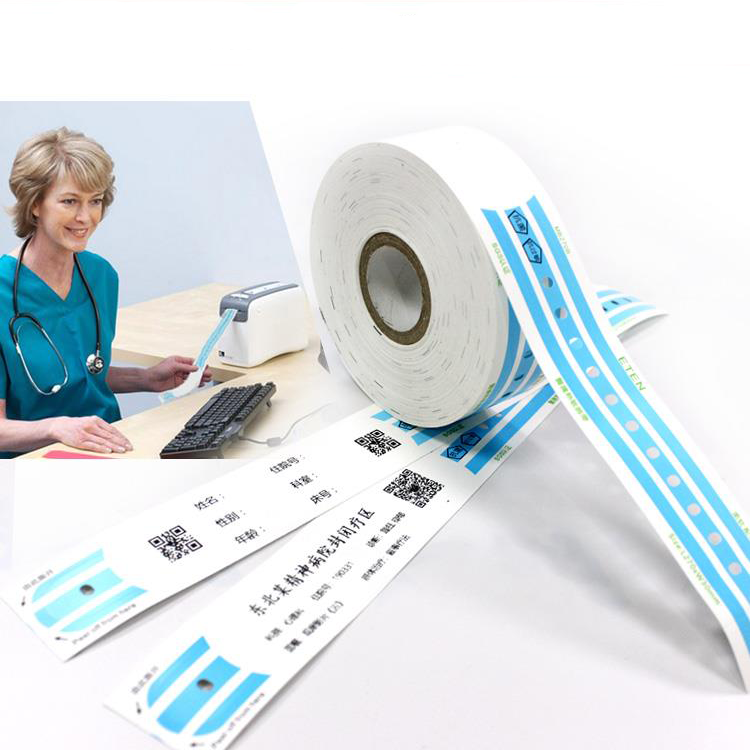
Recent guidance from the Patient Identification Safety Assurance Factors for EHR Resilience (SAFER) Guide reinforces the critical role of wristbands in patient safety. The updated recommendations strengthen support for displaying patient photographs and using electronic patient identification, including barcoding and radiofrequency identification on patient wristbands.
Balancing Security with Safety
The challenge in wristband management lies in balancing the need for secure, tamper-resistant identification with the imperative to avoid patient harm from excessive tightness. Modern wristband designs incorporate features that address both concerns:
- Tamper-evident closures: materials that shred or show visible damage when removed provide security without requiring excessive tightness.
- Soft, breathable materials: advanced materials enhance patient comfort and reduce the risk of skin irritation, allowing bands to be worn for extended periods without adverse effects.
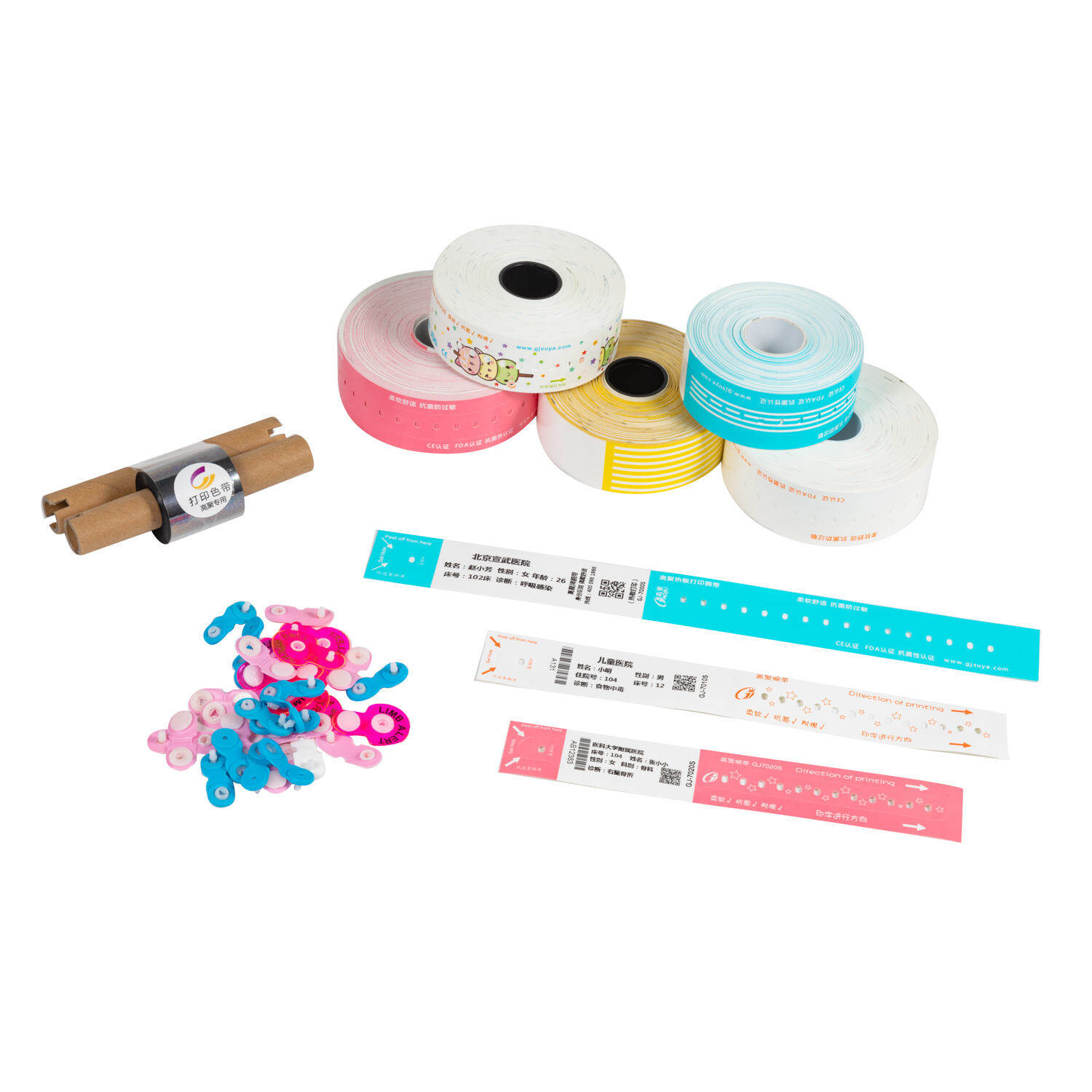
- Standardized sizing: clear sizing guidelines for different patient populations help ensure that bands are appropriately matched to patient anatomy.
Conclusion
The question of what happens when a patient wristband is applied too tight has significant implications for patient safety and clinical outcomes. From the initial discomfort of excessive pressure to the potentially catastrophic consequences of neurovascular compromise, the risks associated with improper wristband tension demand serious attention from all healthcare providers.
The evidence is clear: wristbands must be applied with sufficient looseness to accommodate normal circulation while maintaining security. The two-finger rule provides a simple, practical guideline that can prevent most complications when consistently applied. Regular assessment, patient education, and prompt intervention when problems are identified form the foundation of safe wristband management.
For healthcare organizations, investing in proper training, standardized protocols, and quality monitoring systems is essential. The cost of prevention is minimal compared to the human and financial costs of wristband-related complications. Every healthcare provider who applies a patient identification band has the responsibility to ensure that this simple act does not become a source of harm.
In the broader context of patient safety, wristband management exemplifies the principle that even routine tasks require careful attention and evidence-based practice. When we apply a wristband correctly, we not only ensure accurate patient identification but also demonstrate our commitment to preventing all forms of preventable harm. The patient who wears a properly applied wristband is protected not only from misidentification but also from the insidious dangers of compression injury — a dual protection that defines excellence in patient care.
Continue Reading
Have Questions About Wristbands?
Our team is ready to help you find the perfect wristband solution for your needs. Contact us directly on WhatsApp for quick responses.
Contact on WhatsApp