
Wristband Placement on Patients with Edema, Burns, or Amputations
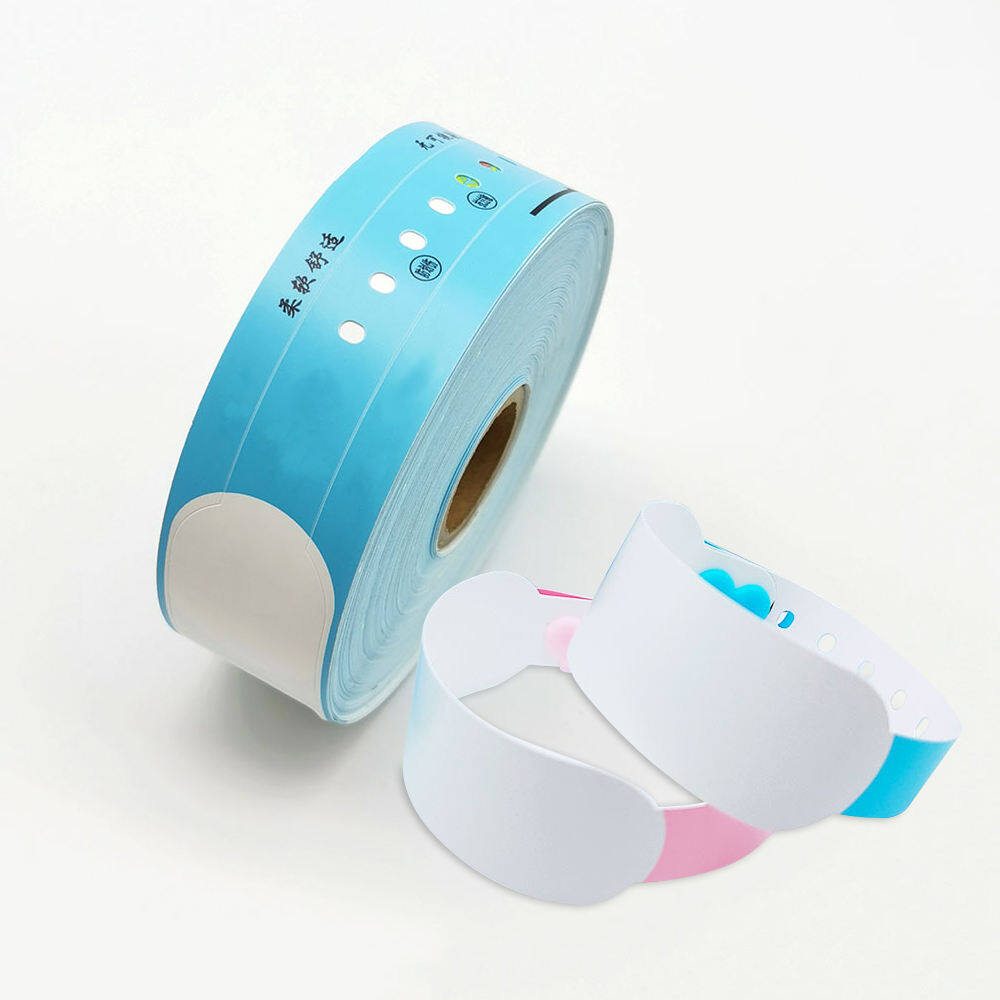
Patient identification is a fundamental safety requirement in every healthcare setting, and the medical wristband remains the most widely used tool for maintaining accurate patient identification throughout the care continuum. However, standard wristband application protocols assume relatively normal anatomy and tissue condition — assumptions that do not hold true for every patient. Individuals with edema, burn injuries, or limb amputations present unique challenges that require modified approaches to patient identification band placement.
These special populations are particularly vulnerable to identification errors and to complications arising from improperly applied wristbands. Swollen tissues can transform a properly fitted band into a constricting device. Burn injuries compromise skin integrity and create risks for infection and further tissue damage. Amputations eliminate the conventional wrist or ankle placement sites entirely, forcing healthcare providers to identify alternative locations and methods.
This article examines the clinical considerations, practical techniques, and safety protocols for placing patient wristbands on individuals with these three challenging conditions. The goal is to equip healthcare providers, medical wristband manufacturers, and healthcare facility administrators with the knowledge needed to ensure accurate patient identification without causing additional harm to already compromised patients.
The Critical Role of Patient Identification in Special Populations
Why Accurate Identification Matters Even More
For patients with edema, burns, or amputations, the consequences of misidentification can be especially severe. These patients often require complex, time-sensitive interventions — fluid resuscitation, burn care, surgical debridement, or prosthetic evaluation — where errors carry heightened risk. A patient with extensive burns may be unable to speak or may have altered mental status, making the identification band the primary reliable source of identity verification.
Clinical guidelines consistently emphasize that patient identification bands must remain attached and legible throughout the patient's stay. The Joint Commission's National Patient Safety Goals require the use of at least two patient identifiers when providing care, and the wristband typically serves as one of these identifiers. When standard placement sites are unavailable or compromised, healthcare providers must find alternative solutions rather than simply omitting the identification band.
The Risk of Abandoning Identification
When healthcare teams encounter difficulty applying a patient identification band, there is sometimes a temptation to delay or skip the task. This creates a dangerous gap in patient safety. Patients without wristbands are at elevated risk for medication errors, blood transfusion errors, wrong-site procedures, and other preventable adverse events. For vulnerable populations who may be unable to advocate for themselves, this risk is magnified.
Wristband Placement in Patients with Edema
Understanding the Challenge
Edema — abnormal accumulation of fluid in interstitial tissues — presents one of the most common challenges to proper wristband placement. Edema may result from numerous conditions including heart failure, renal disease, liver dysfunction, lymphatic obstruction, venous insufficiency, inflammation, or prolonged immobility. The swelling can develop gradually or rapidly, meaning that a wristband applied correctly at admission may become dangerously tight within hours.
The fundamental problem is that edema reduces the available space between the wristband and underlying tissues. As swelling increases, the band effectively becomes tighter without any change in its actual circumference. This dynamic process requires ongoing reassessment rather than one-time application.
Assessment Considerations
Before applying a patient identification band to an edematous extremity, healthcare providers should assess several factors:
- Degree of swelling: measuring the circumference of the affected limb provides an objective baseline that can be tracked over time. Comparing the affected and unaffected extremities helps quantify asymmetry.
- Skin condition: edematous skin is often taut, shiny, and fragile. It may be more susceptible to breakdown from pressure or friction. Any existing skin compromise should be noted and avoided.
- Pitting vs. non-pitting: pitting edema, where finger pressure leaves an indentation, responds differently to compression than non-pitting edema. This distinction may influence band selection and placement.
- Underlying cause: understanding whether edema is expected to resolve, remain stable, or worsen helps guide monitoring frequency.
Practical Placement Techniques
Several strategies can help ensure safe and effective patient wristband placement in edematous patients:
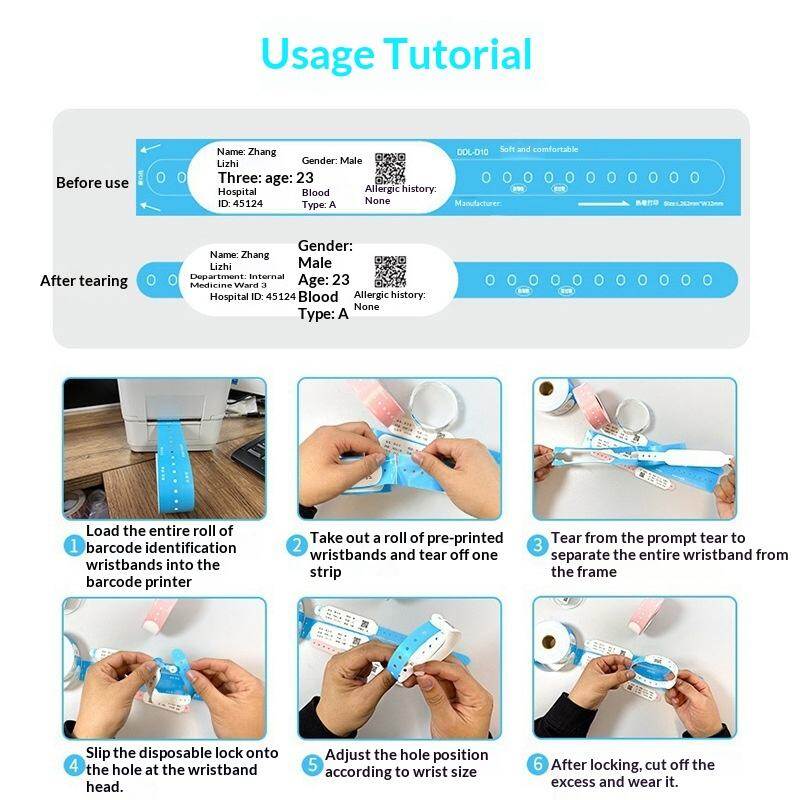
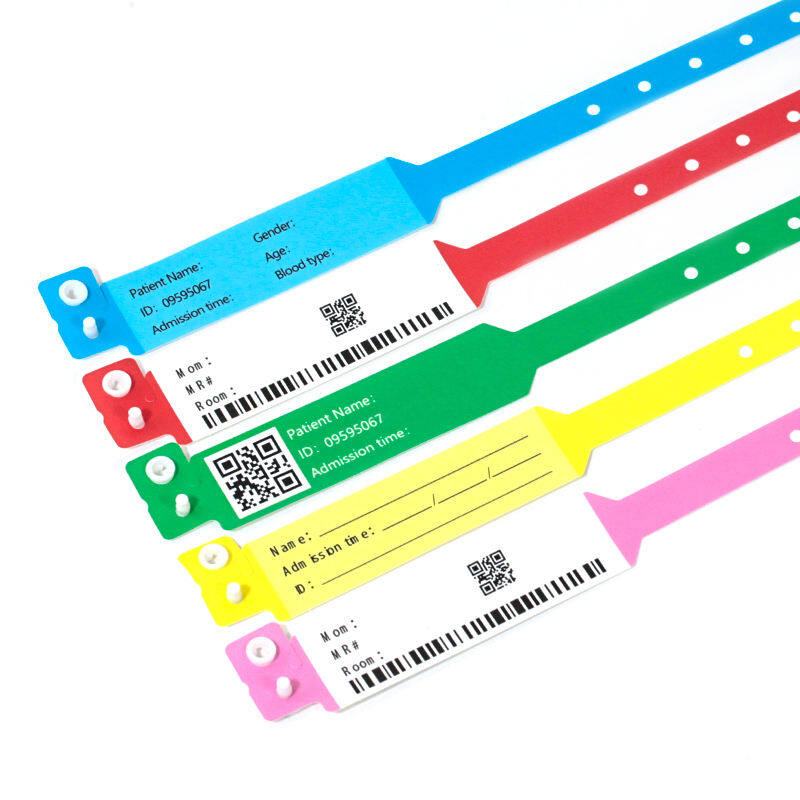
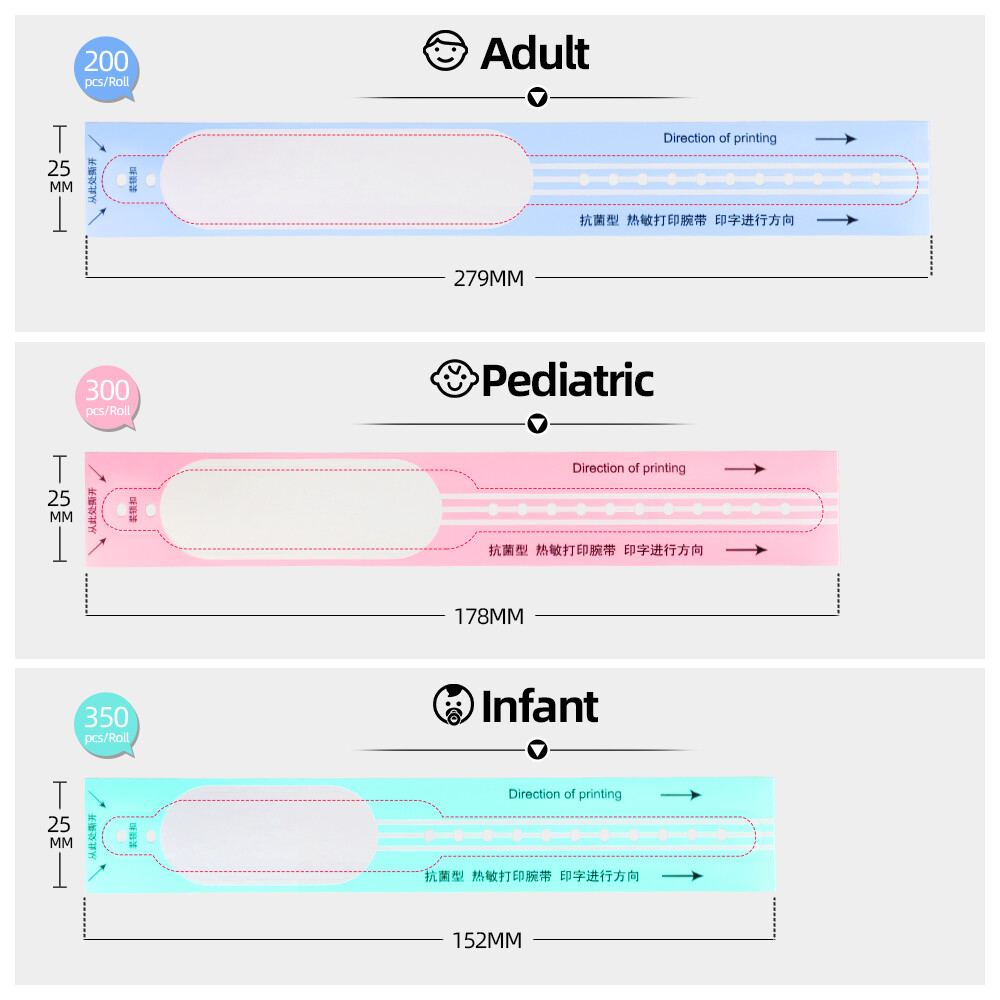
- Use adjustable or extendable bands: many modern medical wristbands feature adjustable closures that can accommodate changing limb circumference. These are preferable to fixed-length bands in patients with edema. Some manufacturers offer bands specifically designed for bariatric or edematous patients.
- Select alternative sites: when wrist placement is problematic, consider the ankle, forearm, or upper arm, depending on the pattern of swelling. The goal is to find a location where the band can be secured without excessive pressure.
- Apply before peak swelling: if possible, apply the wristband early in the patient's course, before edema reaches its maximum. This may allow use of a standard band before the need for specialized alternatives becomes apparent.
- Avoid overlying bony prominences: in edematous patients, bony landmarks may be obscured, but pressure over underlying bone can still cause tissue damage. Palpate carefully to identify areas to avoid.
- Consider soft, wide bands: narrow bands concentrate pressure over a smaller area, increasing the risk of skin breakdown and neurovascular compromise. Wider, softer bands distribute pressure more evenly.
Monitoring and Reassessment
Edematous patients require frequent wristband reassessment. The following practices support safe monitoring:
- Scheduled checks: verify wristband tension at least once per shift, and more frequently during periods of rapid fluid shifts.
- Documentation of limb circumference: tracking measurements over time provides early warning of progressive swelling.
- Patient feedback: even patients with altered mental status may exhibit signs of discomfort such as restlessness or attempts to remove the band. These behaviors warrant investigation.
- Signs of compromise: monitor for skin indentation, discoloration, coolness, decreased capillary refill, or complaints of numbness and tingling. Any of these findings should prompt immediate band replacement.
Wristband Placement in Patients with Burns
Unique Challenges of Burn Injuries
Burn injuries present a distinct set of challenges for patient identification band placement. Burned skin is compromised in multiple ways: the protective barrier is destroyed, underlying tissues may be exposed, and the risk of infection is elevated. Applying a patient wristband over burned tissue can cause additional pain, introduce pathogens, and interfere with wound assessment and care.
Additionally, burn patients often develop significant edema in the hours and days following injury. This edema may affect both burned and unburned areas. The combination of fragile or absent skin and progressive swelling makes wristband management particularly complex.
Selecting Appropriate Placement Sites
The guiding principle for burn patients is to avoid placing identification bands on or immediately adjacent to burned tissue. Options include:
- Unaffected extremities: if any limb has intact skin, this is the preferred site. Even if the patient has burns on multiple extremities, there is often at least one area of spared skin that can accommodate a band.
- Non-burned areas of burned limbs: partial-thickness burns may spare certain areas. However, placement near burn margins should be avoided to prevent contamination and further tissue damage.
- Alternative anatomical sites: in extensive burns, options may include the forehead (using specialized bands), the ear (with caution), or the umbilicus area. Each alternative site has specific considerations and risks.
- Medical alert documentation: when no suitable site exists for a traditional wristband, healthcare providers must document this clearly and implement alternative identification procedures, such as verbal verification with two staff members and prominent chart flagging.
Special Considerations for Burn Care
- Timing of application: apply identification bands as early as possible after burn injury, before edema becomes severe. Early application also ensures that the patient can be correctly identified during initial resuscitation and assessment.
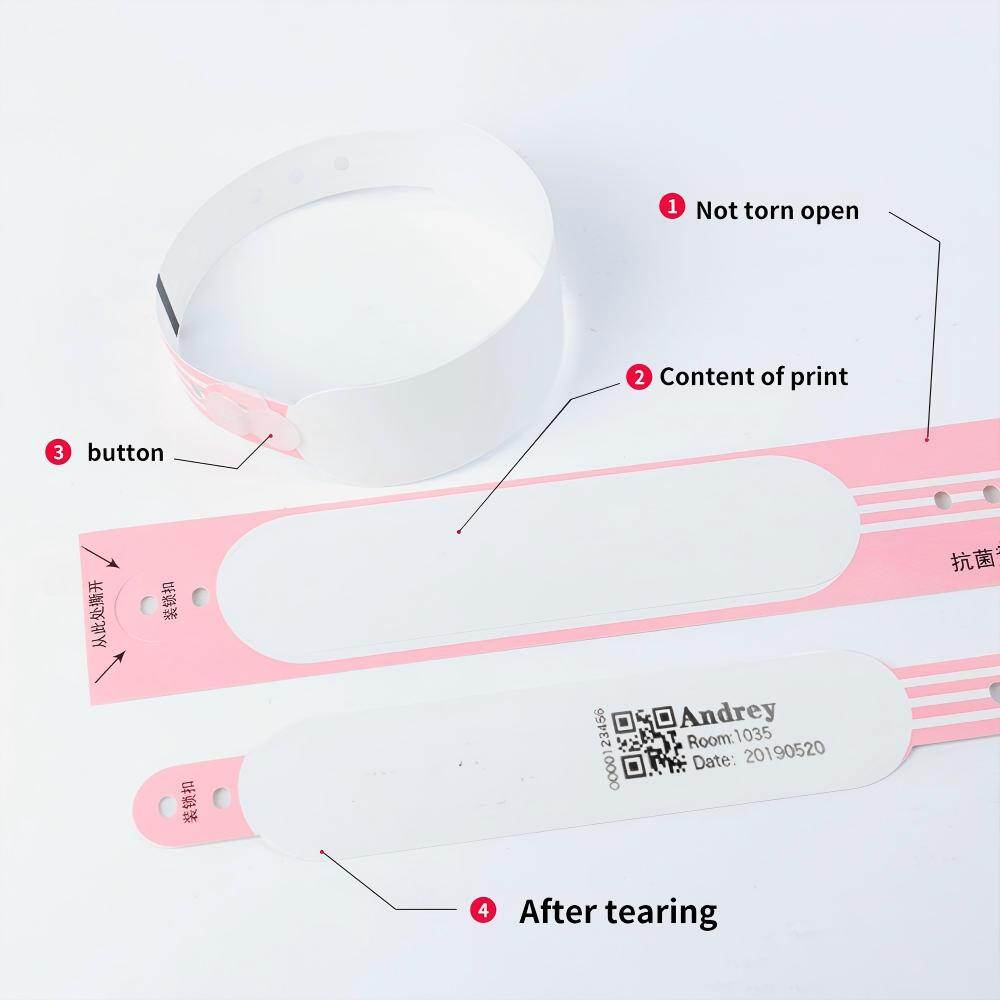
- Securing without adhesives: standard adhesive-backed bands may not adhere to burned or moist skin. Alternative securing methods, such as clip closures or specially designed bands, may be necessary. Adhesives can also cause additional skin trauma when removed.
- Infection control: any band applied near burn wounds should be considered a potential source of contamination. Regular assessment and replacement as needed help minimize this risk.
- Coordination with wound care: wristband placement should be coordinated with burn wound care to avoid interference with dressings, topical agents, or debridement procedures.
Managing Edema in Burn Patients
Burn patients frequently develop substantial edema, sometimes within hours of injury. This requires proactive management:
- Frequent reassessment: because edema can progress rapidly in burn patients, wristband tension should be checked at least every four hours during the acute phase, and more frequently if changes are noted.
- Anticipatory sizing: when applying bands to burn patients, consider using the largest appropriate size or an adjustable band to accommodate expected swelling.
- Elevation and positioning: while not directly related to wristband placement, limb elevation can help manage edema and reduce the risk of band-related complications.
Wristband Placement in Patients with Amputations
When Conventional Sites Are Unavailable
Amputation — whether surgical or traumatic — eliminates the standard wrist or ankle placement sites. Upper extremity amputations may involve the hand, forearm, or upper arm. Lower extremity amputations may involve the foot, lower leg, or above the knee. In each case, healthcare providers must identify alternative locations for patient identification bands.
The challenge is compounded when amputations are bilateral or when the remaining limbs are compromised by edema, burns, or other conditions. In these situations, creative solutions and clear documentation become essential.
Available Alternative Sites
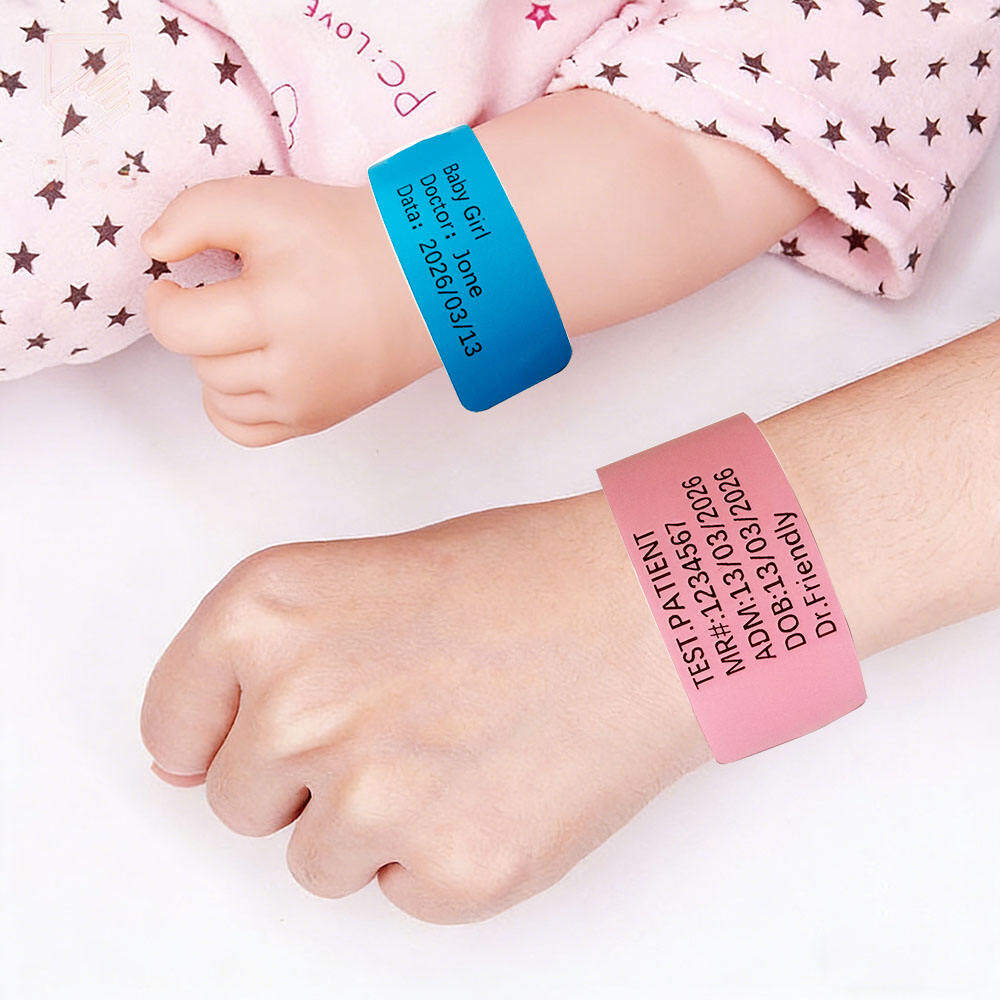
- Remaining extremities: if one upper extremity remains intact, the wrist or forearm can serve as the placement site. Similarly, a remaining lower extremity can accommodate an ankle or calf band.
- Upper arm: for patients with below-elbow amputations, the upper arm on the affected side may be usable. The band should be placed proximal to the amputation site, away from the surgical incision or wound.
- Thigh or calf: for patients with below-knee amputations, the thigh on the affected side may be an option. Care should be taken to avoid the surgical site and any residual limb shaping garments.
- Torso or chest: in rare cases where no limb is suitable, identification bands designed for torso placement may be used. These require careful securing to prevent migration.
- Medical alert systems: some facilities use alternative identification methods such as identification cards attached to bed rails or clothing for patients who cannot wear traditional bands.
Special Considerations for Amputees
- Prosthetic considerations: patients who use prosthetics may have specific needs regarding band placement. Bands should not interfere with prosthetic fit or function. In some cases, the prosthetic itself may have identification information attached.
- Phantom limb sensation: patients may experience phantom sensations in the amputated limb. While this does not directly affect band placement, it may influence patient comfort and cooperation.
- Surgical incisions: avoid placing bands over or near surgical incisions or healing amputation sites. These areas are vulnerable to infection and mechanical disruption.
- Documentation of placement: clearly document the location of the identification band, especially when it is placed in a non-standard location. This ensures that all healthcare providers know where to look for identification information.
- Patient education: educate patients and families about the importance of the identification band and the reason for its non-standard placement. This helps prevent accidental removal and ensures cooperation with monitoring.
Best Practices for Special Populations
Assessment Before Application
A thorough assessment before wristband application prevents many problems:
- Skin integrity: evaluate the condition of potential placement sites. Avoid areas with compromised skin, rashes, wounds, or infections.
- Circulation: assess baseline circulation in the extremity. Document any pre-existing deficits that might complicate later evaluation.
- Limb circumference: measure and record the circumference of potential placement sites. This provides a baseline for tracking changes.
- Patient factors: consider the patient's cognitive status, ability to cooperate, and any allergies or sensitivities to band materials.
Selecting the Right Band
Different clinical situations call for different types of patient wristbands:
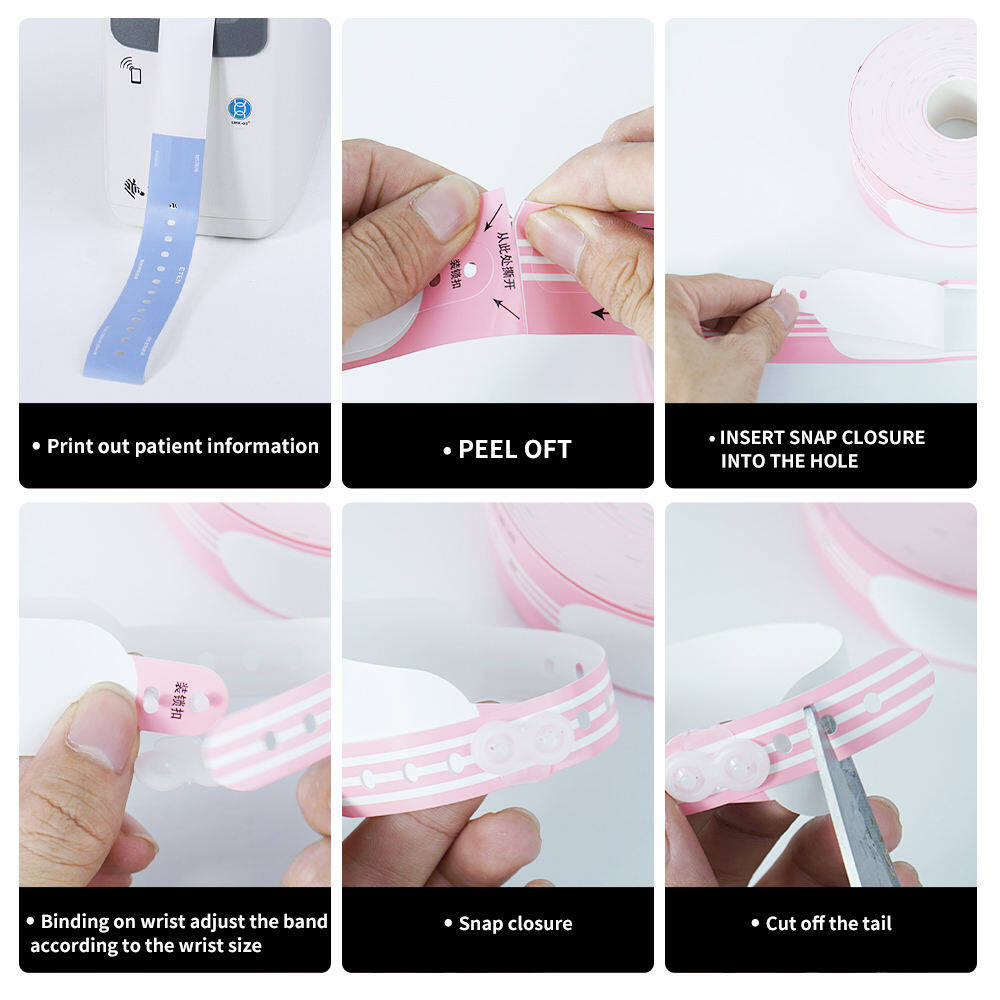
- Adjustable bands: for patients with edema or expected swelling, adjustable bands allow tension to be modified without removing the band.
- Soft, flexible materials: patients with fragile skin benefit from soft, pliable materials that conform to body contours without causing pressure points.
- Wide bands: wider bands distribute pressure over a larger area and are preferable when skin integrity is compromised.
- Specialty bands: some manufacturers offer bands designed specifically for patients with burns, edema, or limb differences. These may include features such as non-adhesive closures, extended lengths, or specialized materials.
Monitoring and Reassessment Protocols
Ongoing monitoring is essential for special populations:
- Frequency: assess wristband condition and tension at least once per shift. Increase frequency during periods of rapid fluid shifts, after dressing changes, or when the patient's condition changes.
- Documentation: record assessment findings, including the condition of the skin beneath the band, the tension of the band, and any changes in the placement site.
- Communication: ensure that all members of the healthcare team are aware of non-standard band placement and any special monitoring requirements. This is particularly important during handoffs between shifts or departments.
Patient and Family Education
Educating patients and families about wristband care is especially important for special populations:
- Purpose: explain why the wristband is important for safe care.
- Placement rationale: explain why the band may be placed in an unusual location. This reduces anxiety and prevents accidental removal.
- Monitoring role: teach patients and families to observe the band and report any signs of excessive tightness, skin irritation, or displacement.
- Reporting concerns: encourage patients and families to speak up if they notice any problems with the wristband. Their observations are a valuable safety net.
Conclusion
Placing patient wristbands on individuals with edema, burns, or amputations requires clinical judgment, creativity, and a commitment to patient safety. Standard application protocols provide a foundation, but these special populations require modified approaches that account for compromised tissue, altered anatomy, and dynamic changes in limb condition.
For healthcare providers, the key takeaways are straightforward: assess thoroughly before applying, select appropriate bands, monitor frequently, and intervene promptly when problems arise. For medical wristband manufacturers, these special populations highlight the need for products that accommodate diverse patient needs — adjustable closures, soft materials, extended lengths, and specialty designs.
For healthcare facilities, ensuring safe identification of vulnerable patients requires clear policies, ongoing staff education, and a culture that prioritizes patient safety over convenience. When a patient cannot wear a standard wristband in the standard location, the solution is not to abandon identification but to find alternative methods that maintain safety while respecting the patient's condition.
Accurate patient identification is not optional — it is a fundamental right of every patient and a core responsibility of every healthcare provider. With thoughtful adaptation of standard practices, even the most challenging patients can be safely identified and protected throughout their care journey.
Continue Reading
Have Questions About Wristbands?
Our team is ready to help you find the perfect wristband solution for your needs. Contact us directly on WhatsApp for quick responses.
Contact on WhatsApp