
When the Wristband Becomes a "USB Drive": A New Approach to Surgical Specimen Traceability and Pathology Chain Closed-Loop Management
Introduction: The Critical Gap in the Surgical Journey
In the high-stakes environment of the operating room, the patient identification wristband serves as the ultimate guardian of patient identity — a final checkpoint ensuring that the right patient undergoes the right procedure. But when that procedure involves the removal of tissue, a new and equally critical challenge emerges: ensuring that the excised specimen remains inextricably linked to the patient from whom it came.
The surgical specimen journey is fraught with vulnerability. A tissue sample removed in the operating room must travel through multiple hands and departments — from the surgical field to the pathology laboratory, from grossing station to embedding center, from microtome to staining station, and finally to the pathologist's microscope. At each transfer point, the potential for mislabeling, mismatching, or loss exists. The consequences of such errors are catastrophic: misdiagnosis, unnecessary repeat surgeries, inappropriate treatment, and devastating legal liability.
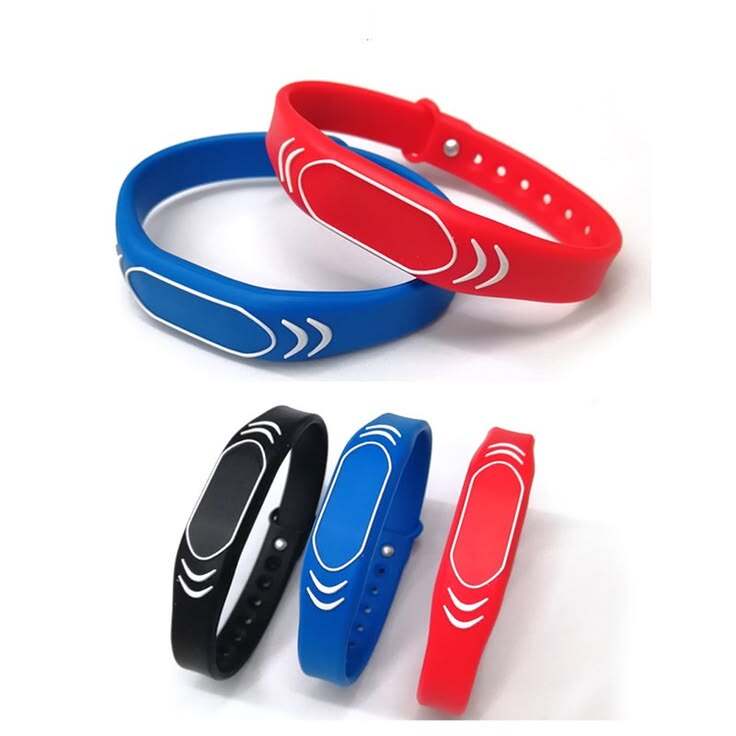
Enter the concept of the wristband as an electronic key — a secure digital identifier that, through near field communication (NFC) or radio frequency identification (RFID) technology, can instantaneously bind the patient to their surgical specimens. This article explores how modern wristband technology, combined with sophisticated specimen management systems, is transforming the pathology chain from a series of manual, error-prone steps into a closed-loop digital ecosystem — ensuring that every specimen tells the truth about its origin.
The Traditional Model: A System Built on Paper and Trust
The Vulnerabilities of Manual Processing
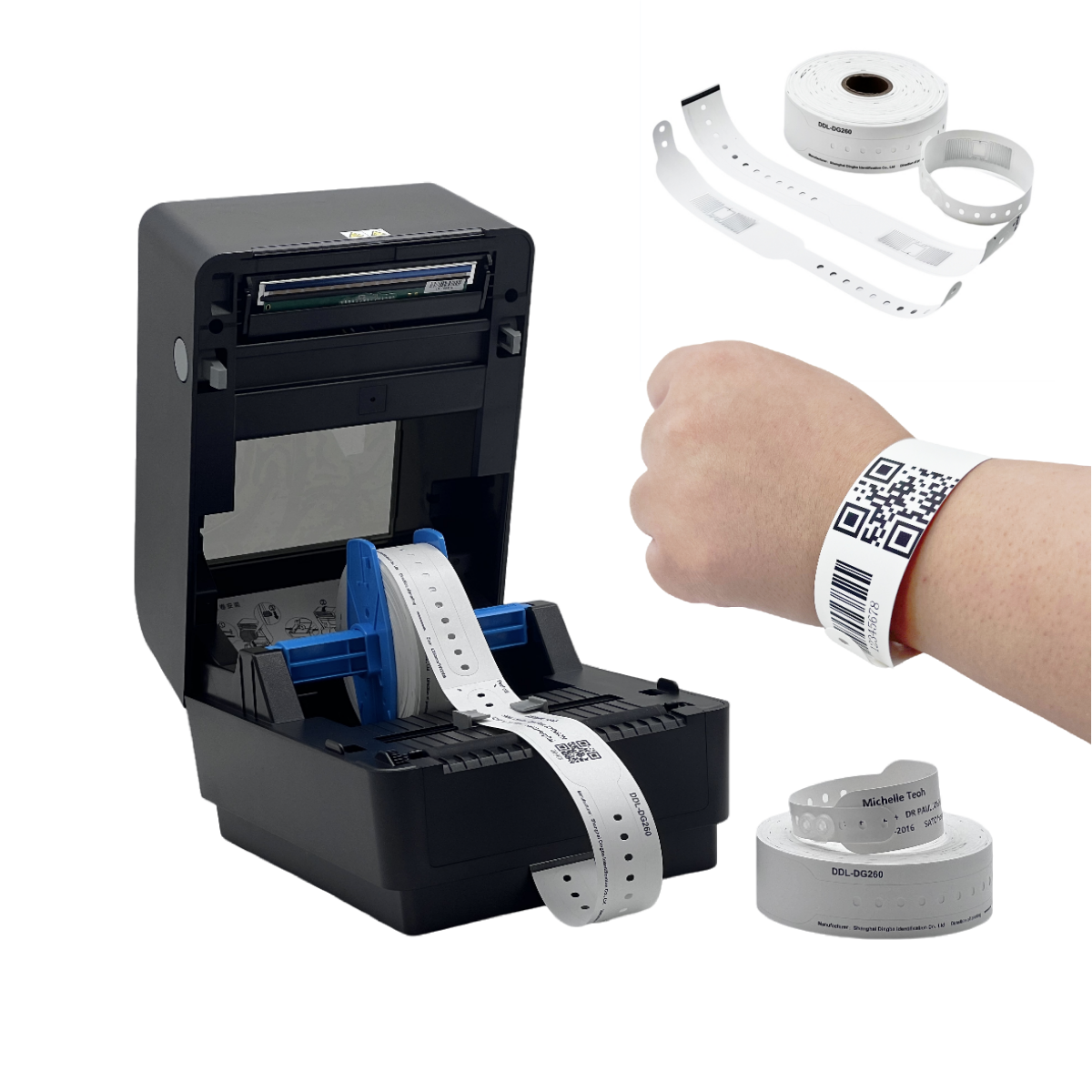
For decades, surgical specimen management relied on a fundamentally manual process. Surgeons dictated specimen descriptions to circulating nurses, who handwritten labels for specimen containers. Pathology requisition forms were completed on paper, transcribed by hand, and sent to the laboratory alongside the specimens.
This system, while functional, was riddled with vulnerabilities. A study at United Christian Hospital in Hong Kong documented that before implementing a barcode-based pathology specimen system, 28 specimen incidents related to misspelling, handwriting errors, incorrect ordering, and unclear label content were recorded in a single year. These errors occurred despite the best intentions of skilled professionals — simply because manual processes are inherently prone to human error.
The traditional model also created significant inefficiencies. At United Christian Hospital, pathology colleagues required an average of 5 minutes per patient for manual data entry. This represents not only a waste of valuable time but also an opportunity for transcription errors to be introduced.
The Wristband as the Foundation
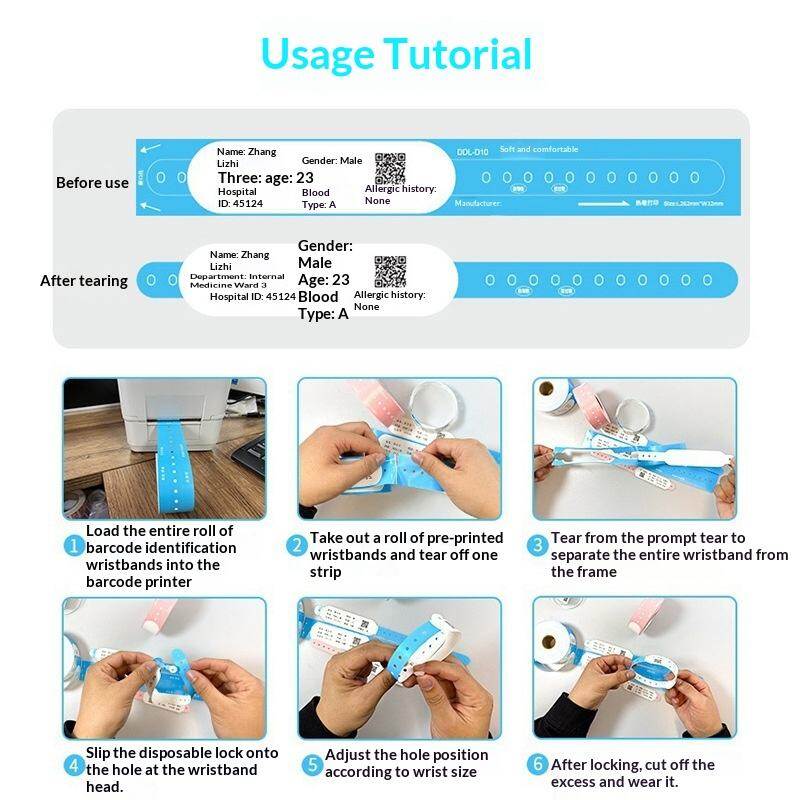
The patient wristband, in the traditional model, plays a role only at the beginning of this journey. It is scanned or read to confirm patient identity before the specimen is collected. But once the specimen leaves the operating room, the chain of custody relies on paper labels and manual documentation — a chain that can be broken at any link.

The Paradigm Shift: The Wristband as Electronic Key
NFC and RFID Technology in Specimen Management
Near field communication (NFC) and radio frequency identification (RFID) technologies offer a transformative alternative. These technologies enable contactless, secure data transfer between a patient's wristband and specimen containers, essentially creating a digital handshake that binds patient and specimen with cryptographic certainty.
In an RFID-based specimen management system, the patient is first identified through their wristband — which contains a unique identifier. When a specimen is collected, the clinician places the specimen container on an RFID-enabled station. The system reads the patient's wristband, retrieves the patient's electronic health record, and programs the specimen container's RFID tag with all necessary identification and order information. This includes:
- Patient name and medical record number
- Date and time of collection
- Surgical site and specimen type
- Ordering physician information
- Required laboratory tests
The specimen container, now bound to the patient, carries its own digital record of identity throughout its journey through the pathology laboratory.
The Hands-Free Binding Process
The NFC tap-to-bind concept is elegantly simple. A clinician holds an NFC-enabled wristband near a specimen container equipped with an NFC tag. The system instantly reads the patient identifier, retrieves the surgical order, and writes the necessary information to the specimen tag — all in a fraction of a second. This eliminates manual data entry at the point of collection and ensures that the specimen is correctly labeled before it leaves the surgical field.
This process represents a fundamental shift from label the specimen after collection to bind the specimen to the patient at collection. The distinction is critical: when binding occurs at collection, the chain of custody is established from the very first moment. When labeling occurs after collection, there is always a window — however brief — during which the specimen exists without positive identification.
Beyond Identification: The Chain of Custody
The RFID specimen management system creates a complete digital chain of custody, tracking specimens at every step of their journey. As the specimen moves from the operating room to the pathology laboratory, from grossing to embedding, from sectioning to staining, and finally to the pathologist's review, each step is logged and timestamped.
In the laboratory, receiving staff present the specimen containers to an RFID reader. The system automatically verifies that all expected specimens for a given case are present and that no specimens from different patients have been mixed. If a container from a different patient is inadvertently included, the system immediately alerts the staff.
This automated verification represents a quantum leap beyond visual inspection. Even with the best intentions, human staff cannot reliably detect a single mislabeled specimen among dozens. The RFID system performs this verification consistently and without fatigue.
Evidence from Practice: The Barcode Pathology Specimen System
A Case Study in Error Reduction
The implementation of a barcode-based pathology specimen system at United Christian Hospital provides compelling evidence of the benefits of automated specimen management. The system works as follows:
- The surgeon enters investigation orders and prints a requisition form
- The nurse identifies the patient and scans the form against the patient's wristband
- When matched, barcode labels with patient identification and laboratory order information are generated
- These labels are applied to specimen containers
The results were dramatic. Post-implementation, there were zero specimen incidents in the following year — a reduction from 28 incidents to none. The mean time required for data entry by pathology colleagues dropped from 5 minutes to just 4 seconds per patient.
Staff Perspectives on the System
Survey responses from staff at United Christian Hospital highlighted the perceived benefits:
- Nurses rated the system highly for ensuring accurate patient and specimen identification (mean score 4.1 out of 5)
- Pathologists strongly agreed the system helped them identify pathology specimens correctly (mean 4.6) and improved work efficiency (mean 4.8)
- Doctors agreed the system ensures correct investigation ordering (mean 4.3)
All respondents felt the system was satisfactory (mean 3.9) and innovative (mean 3.6).
While this system used barcodes rather than RFID/NFC, the principle is identical: the patient's wristband serves as the source of truth for specimen identification. The move to RFID/NFC technology simply replaces barcode scanning with contactless reading, eliminating the need for line-of-sight scanning and further reducing the potential for user error.
The Closed-Loop Ecosystem: From Wristband to Pathology Report
Digital Integration Across the Continuum
The ideal specimen management system integrates patient identification, specimen tracking, and pathology reporting into a seamless digital ecosystem. This closed-loop approach ensures that the information originating from the patient's wristband follows the specimen through every stage of processing and ultimately informs the final pathology report.
At each step in the pathology workflow, the specimen's RFID tag is read, and the specimen management system is updated:
- Collection: specimen is bound to patient via wristband scan
- Grossing: cassette receives RFID tag linked to specimen
- Embedding: tissue processor reads cassette tag to determine processing parameters
- Microtomy: microtome reads cassette tag to link slides to patient
- Staining: slide labels are encoded to match specimen tags
- Pathologist review: slides are scanned to ensure correct patient association
- Archiving: location of archived specimens is recorded for future retrieval
At each transfer point, the system verifies that all specimens for a case are present and that no mixing has occurred. If a specimen is misplaced or misrouted, the digital trail enables rapid location and recovery.
Automated Alerts and Workflow Optimization
The digital ecosystem enables proactive management of specimen processing. When specimens are collected, the system can automatically alert the pathology laboratory that specimens are on the way, allowing the lab to prepare for receipt. If specimens are not received within an expected timeframe, the system can trigger alerts, helping to prevent lost specimens from going unnoticed.
In some implementations, the system can even reroute specimens to alternative laboratories based on capacity and urgency.
Beyond the USB Drive Metaphor
The metaphor of the wristband as a USB drive captures the essential function: a small, portable device that carries digital information from one system to another. But the wristband is more than a data carrier; it is the authentication token that enables secure access to the patient's entire digital health record.
When the wristband is tapped against a specimen container, the system is not simply copying a name from one device to another; it is retrieving the complete electronic order set, verifying the patient's identity, and creating a permanent digital link between patient and specimen that persists throughout the entire laboratory workflow.

Implementation Considerations and Challenges
Infrastructure Requirements
Implementing an RFID/NFC specimen management system requires substantial investment in infrastructure:
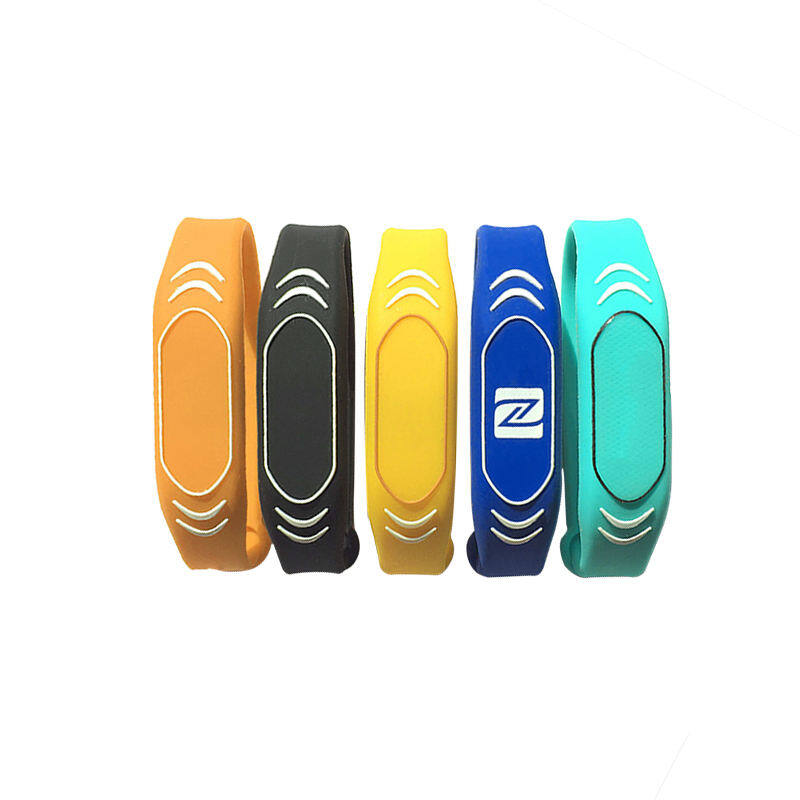
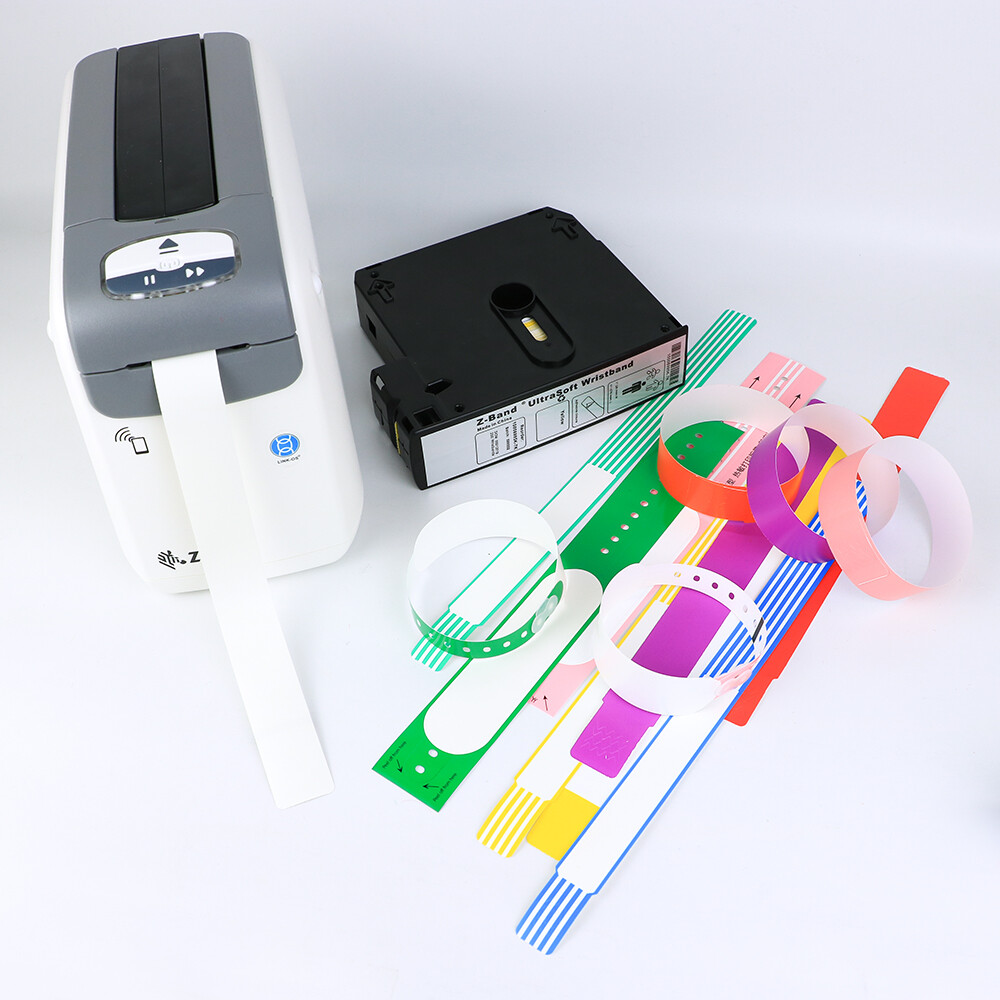
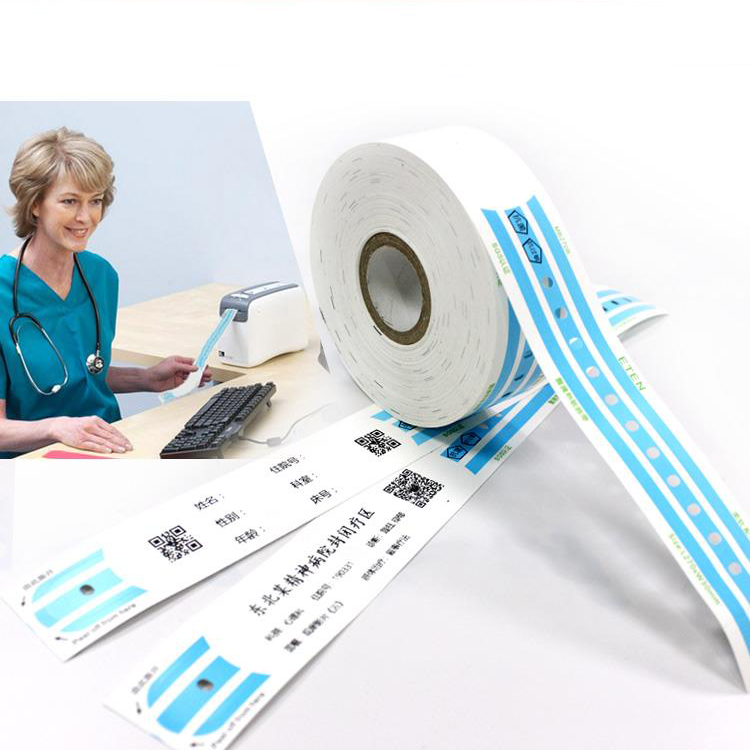
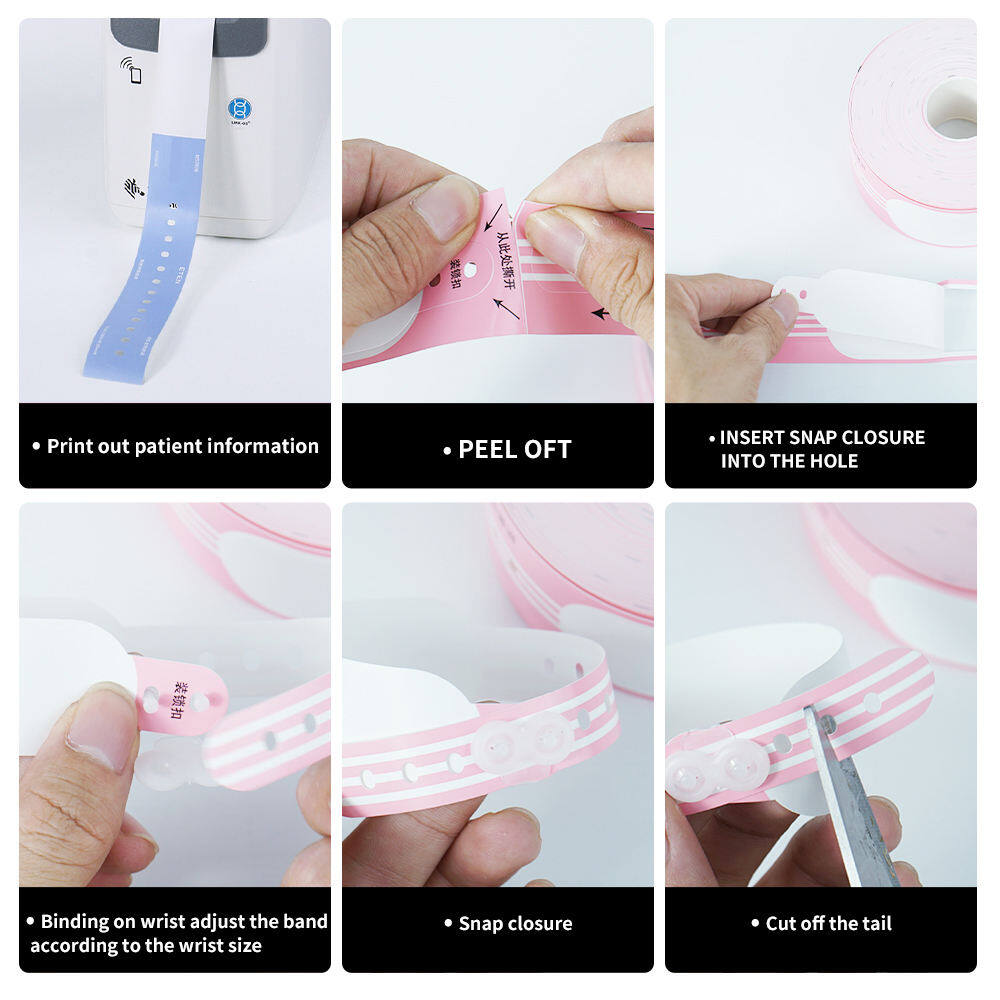
- RFID/NFC-enabled wristbands: wristbands must include RFID or NFC chips capable of storing or providing access to patient identification data. Commercial medical wristbands now offer IP67 waterproofing, tamper-evident closures, and integration with hospital management systems.
- RFID stations: specimen collection areas, grossing stations, embedding centers, microtomes, and pathology laboratories must be equipped with RFID readers.
- Specimen management system: a centralized software platform must track specimens throughout their lifecycle, integrating with the electronic health record and laboratory information systems.
- Integration with existing systems: the specimen management system must interface with patient administration systems, operating room scheduling systems, and pathology laboratory information systems.
Privacy and Security Considerations
The use of RFID/NFC technology in patient identification raises legitimate privacy concerns. The potential for unauthorized access to patient information must be addressed through robust security protocols:
- Encryption: all data transmitted between wristbands, readers, and systems must be encrypted
- Authentication: only authorized personnel and devices should be able to read patient identifiers
- Data minimization: wristbands should contain only essential identifiers, with detailed information retrieved from secured backend systems
Research has explored anonymous authentication mechanisms for RFID-based medical systems to protect patient privacy while ensuring that only authorized healthcare providers can access patient information.
Standardization and Interoperability
For RFID/NFC specimen management to achieve widespread adoption, industry standards are essential. The UK's National Health Service has embraced GS1 standards for patient identification, using GS1 DataMatrix codes containing the NHS number and patient administration system identifiers. The Scan4Safety initiative, a Department of Health eProcurement strategy, promotes the use of GS1 and PEPPOL standards for tracking patients, products, and specimens throughout the healthcare system.
While RFID/NFC offers advantages over barcodes — including contactless reading and the ability to store more information directly on the tag — the need for interoperability requires that systems be designed to work with established standards.
Future Directions: The Intelligent Specimen
Smart Specimen Containers
The evolution of specimen management points toward truly intelligent specimen containers — containers that not only carry identification information but also track environmental conditions during transport. Emerging technologies include:
- Temperature monitoring: RFID tags with temperature sensors can record whether specimens have been maintained at appropriate temperatures during transport
- Chain of custody recording: the digital record of each handling event is stored on the tag itself, not just in the central database
- Real-time location tracking: Wi-Fi or Bluetooth-enabled tags can provide real-time location updates as specimens move through the facility
Research is exploring integrated specimen collection and transport solutions that ensure specimens are optimized for subsequent analysis, using cold packing methods and digital tracking to monitor conditions that may affect processing.
Prehospital Specimen Collection
The potential of wristband-based specimen management extends beyond the hospital. In prehospital settings — ambulances, disaster scenes, or remote clinics — portable RFID systems could enable specimen collection and binding at the point of care, ensuring that specimens are correctly identified before transport to the hospital.
Integration with Artificial Intelligence
The digital specimen data generated by RFID systems provides a rich dataset for artificial intelligence applications. AI could be used to:
- Predict which specimens require urgent processing
- Optimize batch processing in the laboratory
- Detect patterns in specimen handling that may indicate quality issues
- Provide decision support for pathologists based on complete patient history
Conclusion: The Wristband as the Foundation of Surgical Safety
The patient identification wristband has long served as the foundation of patient safety in the operating room. But in the context of surgical specimen management, its role has been surprisingly limited — a checkpoint at the beginning of a journey that then relies on manual processes and paper records.
The vision of the wristband as an electronic key — a secure digital identifier that binds patient to specimen through NFC or RFID technology — represents a fundamental transformation. The specimen that carries a digital record of its origin, verified at each step of its journey through the pathology laboratory, is no longer vulnerable to the errors that have plagued surgical pathology for generations.
The evidence from implementations demonstrates that automated specimen management systems dramatically reduce errors and improve efficiency. At United Christian Hospital, the barcode-based system eliminated specimen incidents entirely and reduced data entry time from 5 minutes to 4 seconds. The move to RFID/NFC technology promises even greater improvements: faster, more convenient binding; more comprehensive tracking; and the potential for real-time monitoring of specimen conditions.
The cost of implementation is not trivial. But when weighed against the consequences of a single mislabeled specimen — a wrong diagnosis, an unnecessary repeat surgery, a patient harmed by inappropriate treatment — the investment is clearly justified. The wristband, once a simple identifier, becomes a guardian of truth throughout the surgical specimen's journey, ensuring that every diagnosis is based on the right tissue from the right patient.
The future of specimen management lies in the fully connected ecosystem: wristbands that carry digital keys, specimen containers that track their own journey, and intelligent systems that ensure every patient receives the diagnosis they deserve. The journey from wristband to pathology report is a journey of trust. Modern technology ensures that trust is never misplaced.
This article is intended for informational and educational purposes only. Healthcare organizations should consult with pathology and IT professionals for guidance on implementing specimen management systems.
Continue Reading
Have Questions About Wristbands?
Our team is ready to help you find the perfect wristband solution for your needs. Contact us directly on WhatsApp for quick responses.
Contact on WhatsApp