
Patients Have the Right to Read Their Own Wristband: From Institutional Check to Shared Responsibility
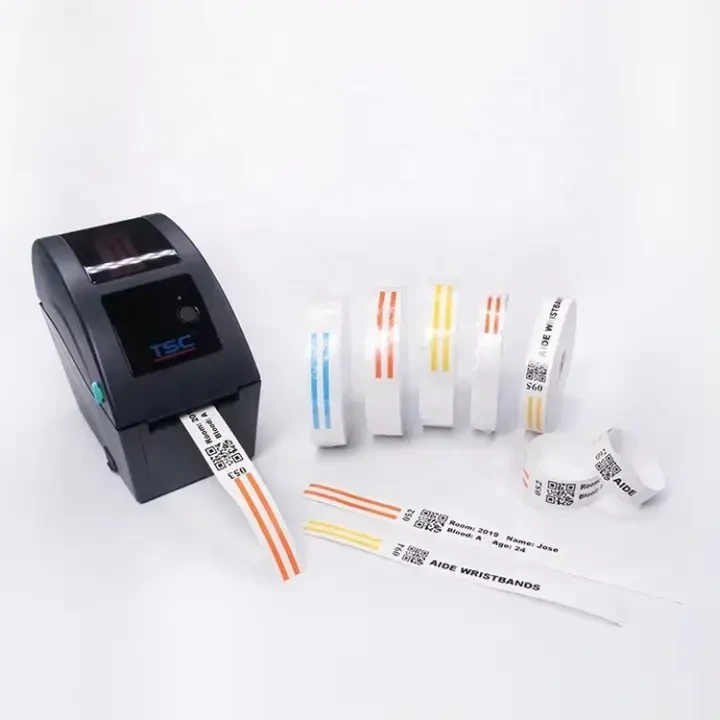
A hospital wristband is a small strip of material. Yet it carries a disproportionate weight in the safety of every admission, every medication round, every blood draw, and every procedure. For decades, the wristband has been treated primarily as an institutional tool—applied by staff, scanned by staff, interpreted by staff. The patient wearing it has often been positioned as the object of verification rather than a participant in it. That framing is not only incomplete; it is a missed safety opportunity. The central argument of this article is straightforward: patients have the right to read their own wristband, to question what it says, and to be recognised as active partners in identification verification. Moving from institutional check to shared responsibility is not a concession to patient empowerment rhetoric. It is a practical, evidence-supported shift that addresses persistent weaknesses in wristband compliance and patient identification accuracy.
The Persistent Gap Between Protocol and Practice
Patient identification errors remain a stubborn problem despite decades of standard-setting. Large-scale audits of wristband identification have reported median total error rates around 2.2%, with absent wristbands accounting for nearly half of all errors, followed by wristbands with incomplete data, erroneous data, illegible data, and—most concerning—patients wearing another patient's identifying information. More recent audit data indicate that on any given day, roughly one in ten patients may be without appropriate identification, and wristband compliance has ranged from 88% to 93% in some settings, falling short of the ideal 100%. The reasons for wristband removal are revealing: bands fall off, become damaged or illegible, or are removed by patients themselves due to discomfort, confusion, or simple choice.
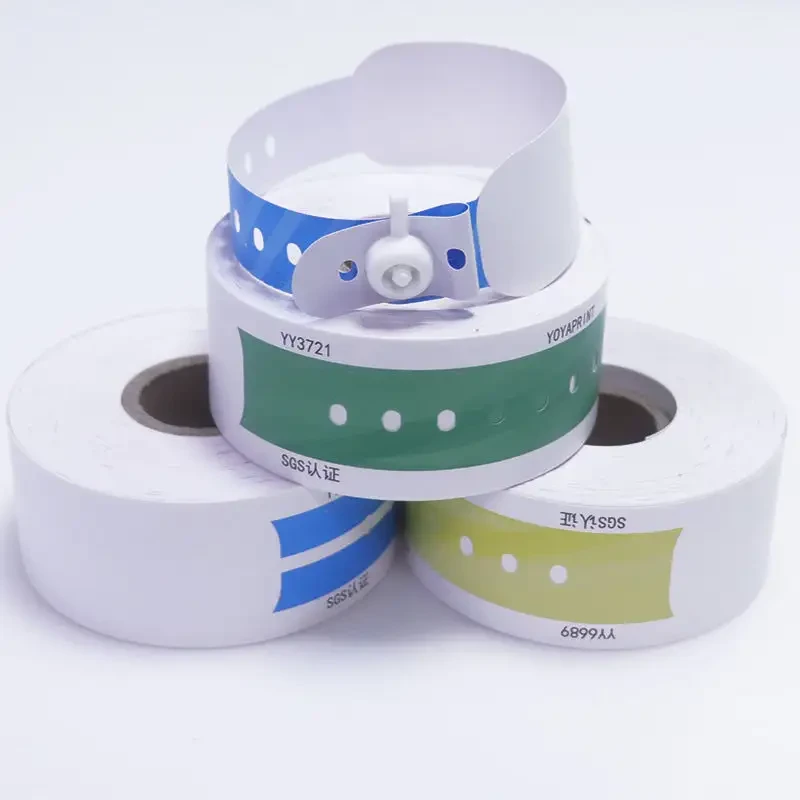
These figures point to a structural weakness in the conventional model. When wristband verification is framed solely as an institutional obligation—something that staff do to patients—the patient's own knowledge, attention, and agency are left outside the safety system. A patient who does not understand why the band matters is less likely to notice when it is missing, faded, or carries an incorrect date of birth. A patient who has never been invited to read the information on their own wristband is less equipped to serve as a final human check before a medication is administered or a procedure begins. The same patient identification accuracy indicators that CAP Q-Probes style surveillance programs track at the bedside are, in effect, measuring a system that has left one of its most available verification resources unused.
The Wristband Is Not Institutional Property
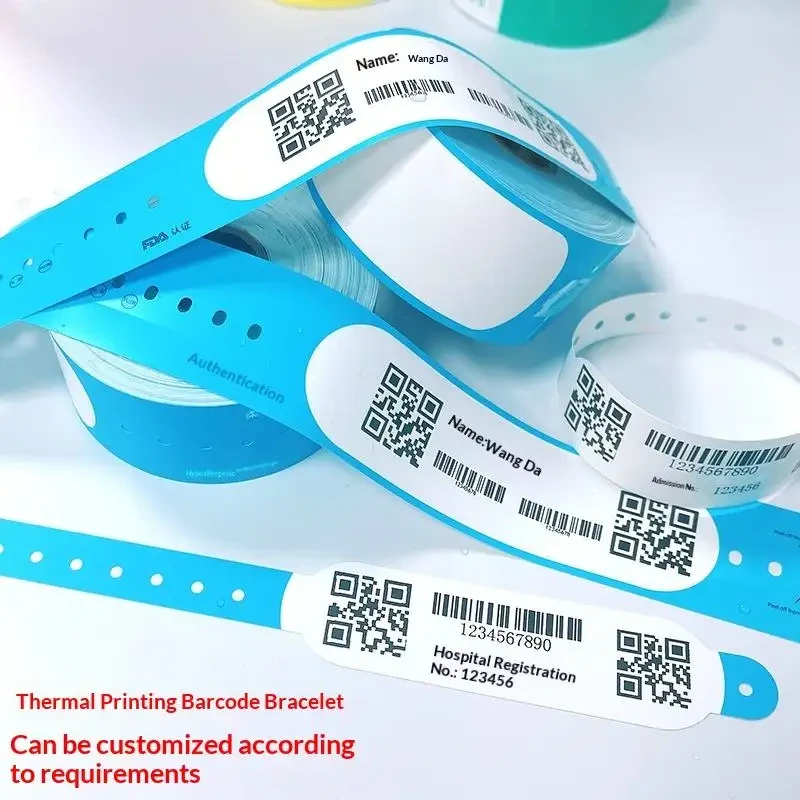
The first conceptual shift required is to recognise that the wristband is not merely hospital equipment. It is a portable, patient-worn summary of identity—typically containing full name, date of birth, medical record number, and sometimes allergy or risk alerts. In most policies, the band is applied after verification of at least two identifiers, and the patient is expected to wear it throughout the episode of care. Yet the information on that band belongs to the patient. It describes the patient. It is checked against the patient. It is therefore neither reasonable nor safe to treat the patient as a passive recipient of a verification process that concerns their own identity.
Patient identification standards built around at least two identifiers—most commonly full name and date of birth—inherently depend on information the patient can provide and confirm. When a clinician asks a patient to state their name and date of birth, the patient is already participating in verification, whether or not the system explicitly acknowledges it. The question is whether that participation is invited, structured, and respected, or treated as a formality to be rushed through. Recognising the patient's right to read their own wristband formalises what good practice already implies: the patient is a legitimate source of identity confirmation, not merely the subject of it.
Evidence Supports Patient Participation in Wristband Verification
The concern sometimes raised about patient participation is that it may be unwelcome, impractical, or unreliable. The evidence does not support that concern. A cross-sectional study of patients and healthcare professionals found that both groups viewed patient involvement in transfusion-related checking behaviours favourably, and that the behaviour perceived as most acceptable was patients helping to prevent errors or omissions relating to their hospital identification wristband. Neither prior transfusion experience nor professional role changed attitudes toward patient participation, suggesting that the disposition to collaborate is not confined to a particular subgroup of patients or staff.
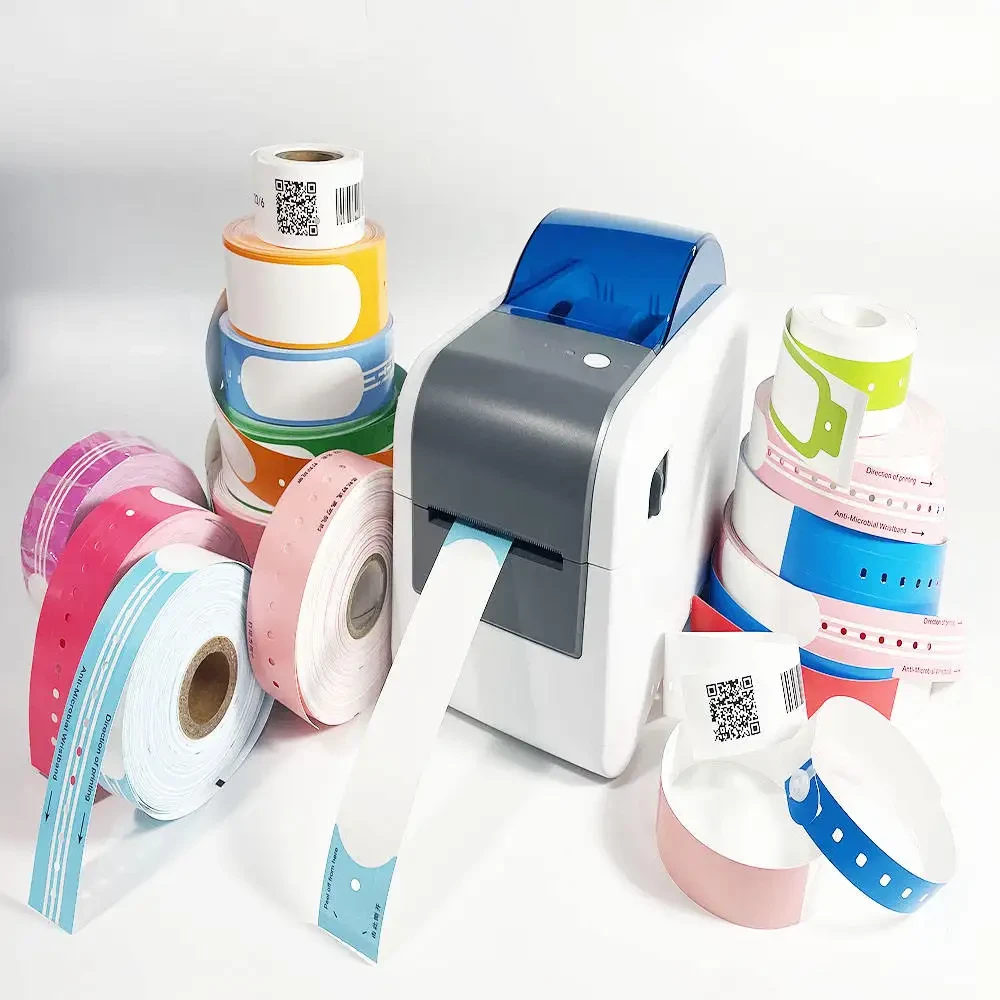
Qualitative work comparing nurse and consumer perspectives reached a similar conclusion: there were marked similarities between the two groups regarding safe patient identification, and while technical aids such as wristbands and photographs were considered important, they were not seen as replacements for the nurse–patient encounter. In other words, the wristband and the conversation around it are complementary, not competing.
More direct evidence comes from verification protocols that explicitly required patients to state their identity and then compared that statement with the ID bracelet, operating room schedule, and medical record. Over successive implementation periods, compliance with checking patient identity improved from 63% to 81%, and complete compliance rose from 10% to 38%. The authors attributed part of the improvement to increased use of wristbands upon admission and the use of multiple verification sources—but the mechanism depended on the patient's verbal contribution. The patient was not a passive data point; the patient was an active verification node.
"Read-Back" as a Safety Standard, Not a Courtesy
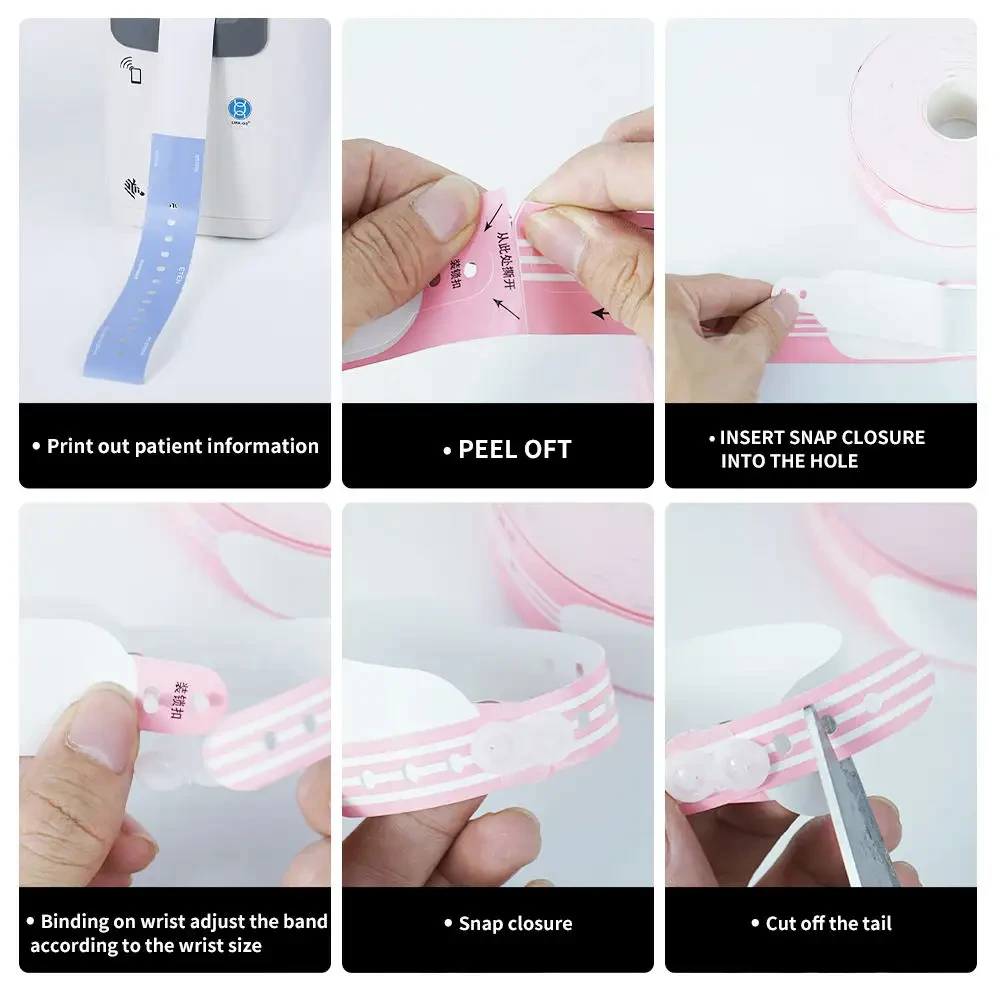
Some policies already hint at the principle, even if they do not develop it fully. One institutional procedure specifies that before an identity wristband is placed on the patient's wrist, the patient should be asked to read back the information written on the wristband and confirm its correctness. This is a small but significant step. It transforms the application of a wristband from a one-way act of labelling into a two-way confirmation. It also establishes a norm: the patient is expected to look at the band, understand what it says, and speak up if something is wrong.
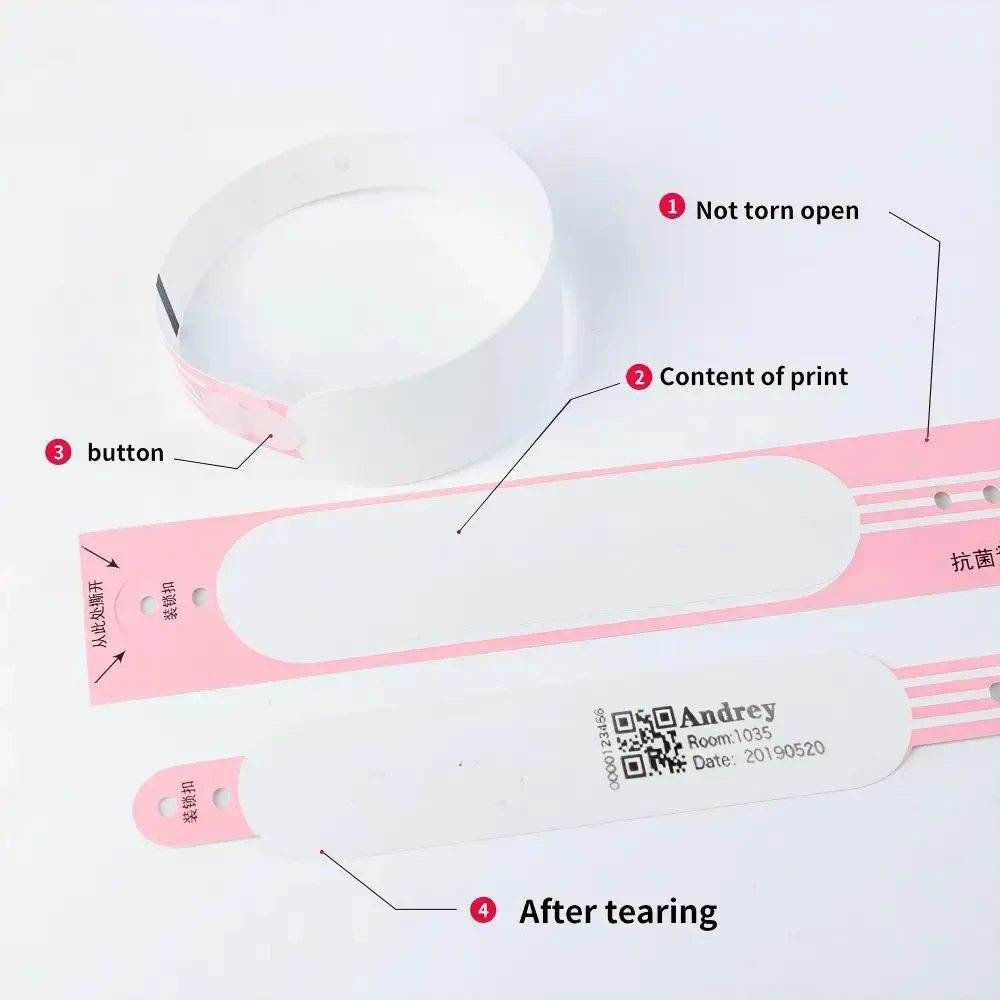
Yet in many settings, this read-back is treated as a one-time admission ritual rather than an ongoing right and responsibility. The patient may be asked to confirm the band at insertion but is rarely encouraged to re-read it later, to check its legibility, or to request a replacement when the print fades or the band becomes uncomfortable. The result is a predictable pattern in which wristbands degrade, are removed, or go missing—and no one notices until a clinician attempts to scan or read them during a critical moment. Audit data show that for patients without a wristband, the most common duration without one exceeded 24 hours, and patients themselves were the most likely individuals to remove the band. If patients understood the band as their safety tool—something they have a right to read, check, and safeguard—the calculus around removal and replacement could shift.
Shared Responsibility Does Not Dilute Accountability
A common misunderstanding is that inviting patients to participate in wristband patient confirmation somehow reduces staff accountability. The opposite is true. Patient participation adds a layer of verification; it does not remove the professional obligation to verify. As one national policy explicitly states, the patient's wearing of a wristband "does not remove responsibility of staff for checking the patient's identity by other means". Shared responsibility means that both parties have distinct roles: the clinician remains accountable for performing the check, and the patient is empowered to notice, question, and confirm. The two roles reinforce rather than substitute for one another.
This distinction matters in practice. If a nurse scans a barcode on a wristband and the scan matches the medication order, the digital system has performed a check. But if the wristband itself contains an error—a transposed date of birth, a misspelled name, or another patient's identifier—the scan may confirm the wrong identity with false confidence. A patient who has been invited to read their own band and knows what it should say provides a qualitative check that no scanner can replicate. The patient can say, "That date is wrong," or "That is not my name." That moment of patient-initiated correction is a safety event prevented.
Technology Should Embed, Not Erase, the Patient's Role
The growth of barcode scanning, PDA-based medication administration, and closed-loop identification systems has undoubtedly improved identification accuracy in many organisations. When used well, scanning the wristband alongside the medication barcode creates a strong technical barrier against wrong-patient administration. But technology can also inadvertently reinforce the institutional model if it treats the wristband as merely a machine-readable tag and the patient as a silent background condition. A scanner confirms that a band and a medication match; it does not confirm that the band is on the correct patient, that the information is current, or that the patient agrees with what it says.
The most robust implementations pair technical verification with patient engagement. At one mental health organisation, a patient engagement strategy was used to understand patients' preferences for identification methods before and during medication administration. Patients and staff then developed educational resources, including brochures and posters, to help patients understand the importance of patient identification during care delivery. The results were notable: medication administration scanning rates were sustained above 95%, and staff-reported medication errors decreased from 36 to 12 when comparing six months before and after the interventions. The increase in detected patient identification errors through scanning represented potential errors prevented—but the engagement work helped create the conditions in which scanning could function as intended.
This example illustrates a broader principle. Technology should not be deployed as a substitute for the nurse–patient encounter around identity. It should be embedded within a workflow in which the patient is explicitly invited to participate: "I am going to scan your wristband now. While I do, can you tell me your full name and date of birth, and check that the band matches?" That single sentence turns a technical act into a shared responsibility moment. It also normalises the patient's right to read and question the band.
Barriers to Patient Participation—and How to Address Them
If the case for patient participation is strong, why is it not universal? Several barriers recur in the literature and in practice. The first is lack of patient information. A study in a Joint Commission International-accredited training hospital found that lack of information among patients about the importance of patient wristbands was one of the weakest points in the identification process, alongside staff uncertainty about when, where, and by whom wristbands should be applied and verified. Patients cannot be expected to read, question, and safeguard a band whose purpose has never been explained to them.
The second barrier is cultural. Staff may worry that asking patients to check their own band will be perceived as shifting responsibility or as a sign of incompetence. Patients may worry that questioning a clinician's check will be seen as distrustful or disruptive. These concerns are best addressed not through exhortation but through scripting, training, and visible leadership endorsement. Policies that define the responsibility of the HCA/receptionist in confirming the patient details and applying the wristband and the responsibility of registered staff in matching patients to their care provide a foundation, but they must be accompanied by explicit permission for patients to participate.
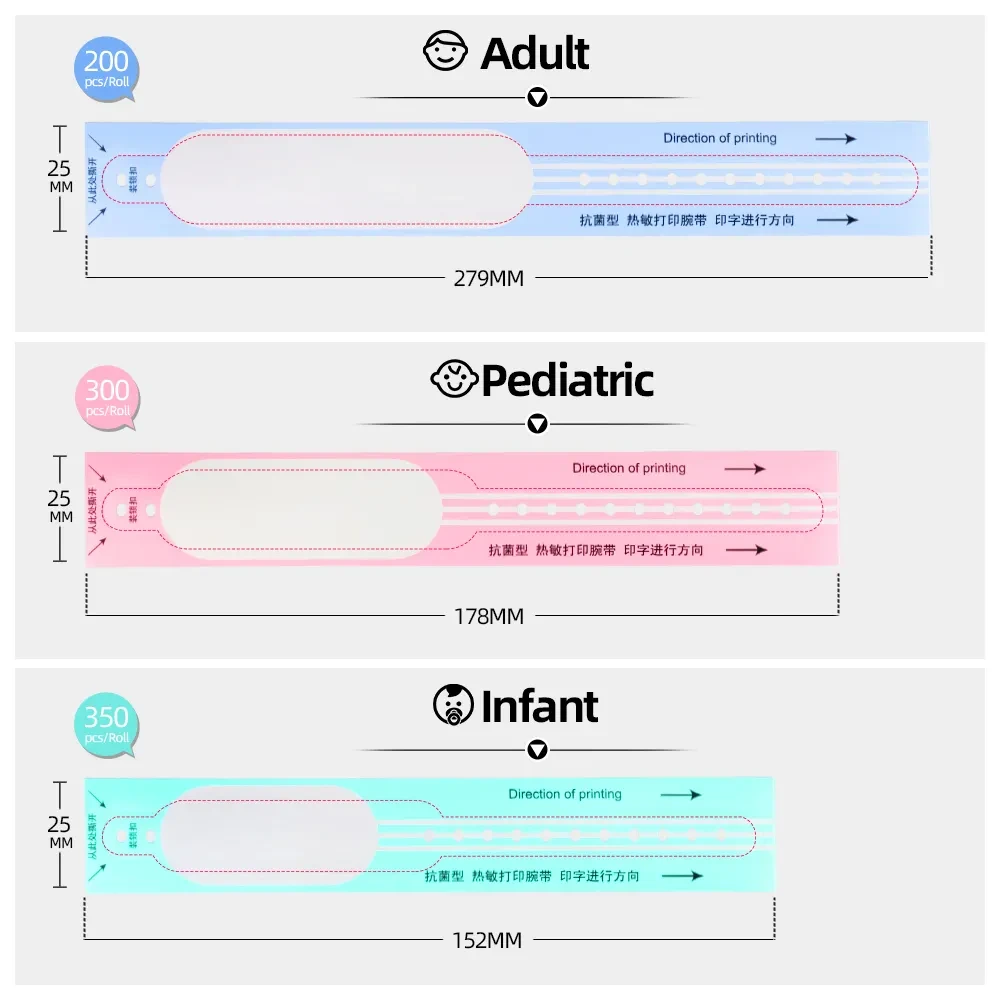
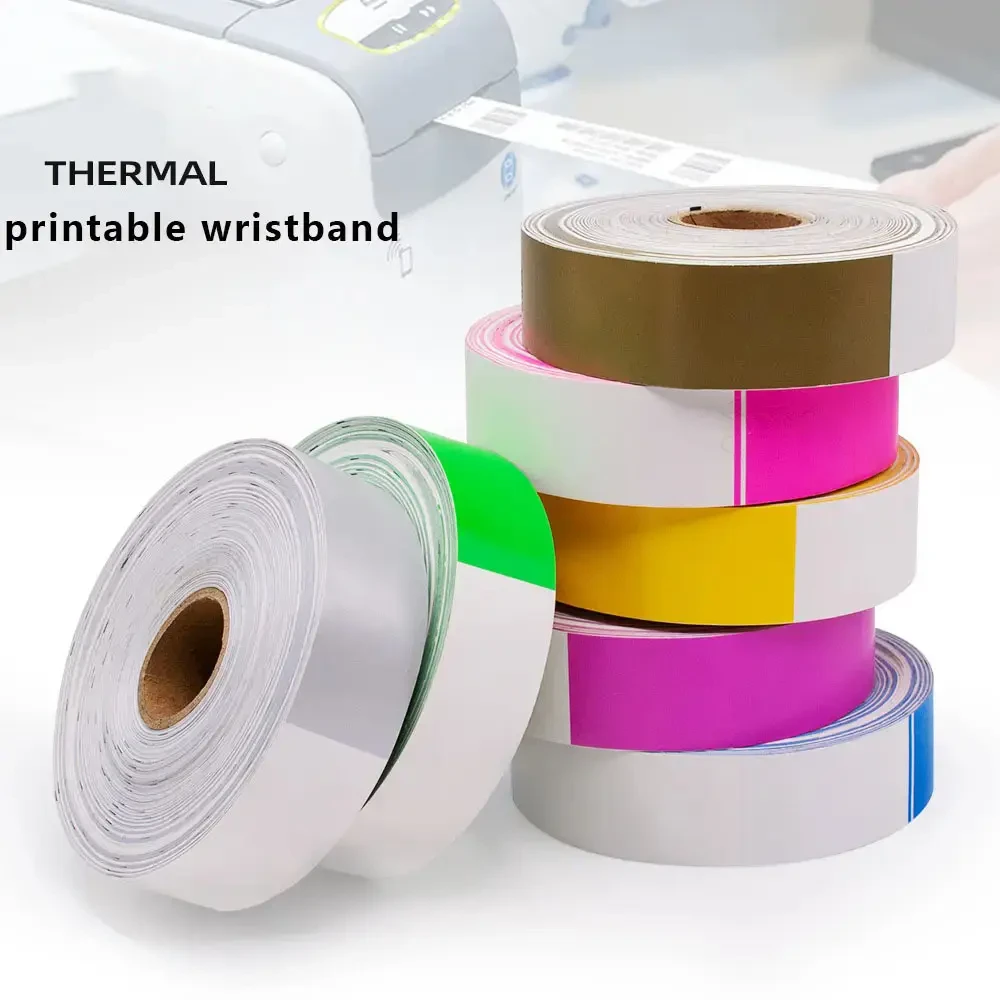
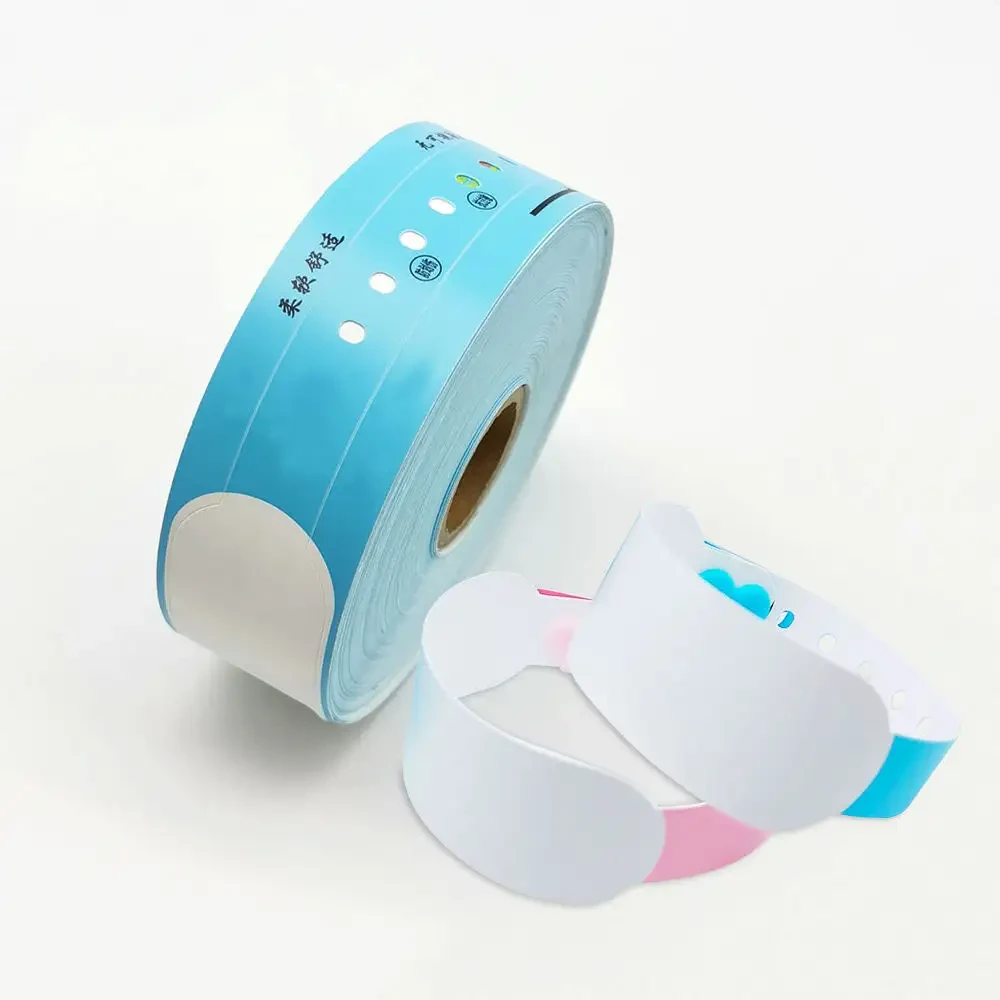
The third barrier is practical: wristbands that fade, become illegible, irritate the skin, or fall off undermine the credibility of any instruction to "read your band." Audit findings of unsuitable wristbands—faded or illegible data, incorrect patient information, physical wearing problems—are a reminder that patient participation depends on a product that is actually readable and wearable, whether the band is a standard adult format, one of the extended-length wristbands ordered as bariatric patient wristbands, or one of the ankle bands applied when wrist access is unavailable. Investment in durable printing, comfortable materials, and clear fonts is not a cosmetic concern; it is a precondition for treating the patient as a verification partner.
From Institutional Check to a Culture of Co-Verification
The shift from institutional check to shared responsibility is ultimately a cultural shift. It requires moving away from a model in which identification is something done to the patient and toward a model in which identity is confirmed with the patient. Several practical implications follow.
At admission, the patient should be told, in plain language, what the wristband contains, why it matters, and what to do if it becomes damaged, illegible, or uncomfortable. The read-back of the band's information should be routine, not exceptional. The patient should be given explicit permission to request a replacement at any time.
At every clinical encounter, the clinician should continue to perform the professional check—asking the patient to state name and date of birth, comparing the statement to the wristband and the record—while also inviting the patient to look at the band and confirm that the details match. The phrasing matters: "Please check your band and tell me if anything looks wrong" is an invitation to co-verify; "I'm just going to check your band" is a missed opportunity.
In technology design and workflow, scanning should be accompanied by a verbal or visual patient confirmation step rather than replacing it. The bedside wristband verification process should be designed so that the patient can see the screen or hear the confirmation, and so that the patient's objection can interrupt the workflow before an error reaches the patient.
In education, patient-facing materials should explain the band's purpose and the patient's role in checking it. Staff training should include the rationale for patient participation, not just the procedural steps of band application. The evidence that both patients and professionals view patient involvement in wristband-related error prevention favourably provides a strong foundation for this education.
In policy, the language should explicitly recognise the patient's right to read their own wristband and to request correction or replacement. This is not a radical addition; it is a clarification of what safe identification already requires. The two patient identifiers standard—full name and date of birth—is meaningless if the patient is not invited to supply, confirm, and, where necessary, challenge those identifiers.
Conclusion: The Wristband as a Shared Safety Instrument
The wristband is often described as a patient's "identity," but it is more accurate to describe it as a shared safety instrument. It is applied by staff, worn by the patient, read by staff, and—if the system is working as it should—read by the patient too.
The evidence is clear that wristband errors and absent wristbands remain common enough to cause concern, that patients are willing to participate in verification, and that participation can improve compliance and outcomes when it is structured and supported. Treating the patient as a passive recipient of identification checks wastes a human verification resource that is present at every bedside.
Patients have the right to read their own wristband. They have the right to know what it says, to notice when it is wrong, and to ask for it to be corrected. Recognising that right does not diminish professional accountability; it strengthens the overall system by adding a layer of verification that only the patient can provide. The move from institutional check to shared responsibility is not a softening of standards. It is a maturation of them.
Continue Reading
Have Questions About Wristbands?
Our team is ready to help you find the perfect wristband solution for your needs. Contact us directly on WhatsApp for quick responses.
Contact on WhatsApp