
The Wristband as the Anchor for Implant Traceability: From Operating Room to Recall Notification
A recall notice arrives at a hospital's risk management office at 4:47 p.m. on a Friday. A manufacturer has identified a manufacturing anomaly in a specific lot of orthopedic screws distributed over the previous eighteen months. The question is simple, and terrifying: Which patients received those screws?
In a paper-based system, the answer may take days or weeks to assemble. Patient records must be pulled, operative notes read line by line, lot numbers cross-referenced with inventory logs, and clinicians consulted to fill in gaps. By the time a list of names is compiled, the recall window has widened, anxiety has spread, and the hospital's ability to act promptly has eroded.
In a system anchored by the patient identification wristband, the answer emerges in minutes. This is not a hypothetical improvement. It is a documented, measurable transformation in patient safety, and it begins with a deceptively simple act: scanning a barcode on a wristband before an implant is opened.
The Traceability Gap That Wristbands Close
Implant traceability has traditionally lived in two disconnected worlds. On one side, manufacturers track devices from production to distribution. On the other, hospitals document what was used in a patient's procedure. The link between the two—the precise, verifiable connection between a specific device and a specific person—has historically been the weakest point in the chain.
This gap is not abstract. National inquiries into metal-on-metal hip implants, breast implants, and vaginal mesh have repeatedly highlighted the consequences of inadequate device tracking. When safety concerns emerge, hospitals relying on paper records struggle to identify affected patients quickly, delaying recall responses and leaving patients exposed to known risks. In the United States, the FDA's Global Unique Device Identification Database (GUDID) was created precisely to enable tracking from manufacturer to point of use, but the database only fulfills its promise when hospitals capture the unique device identifier (UDI) at the patient level.
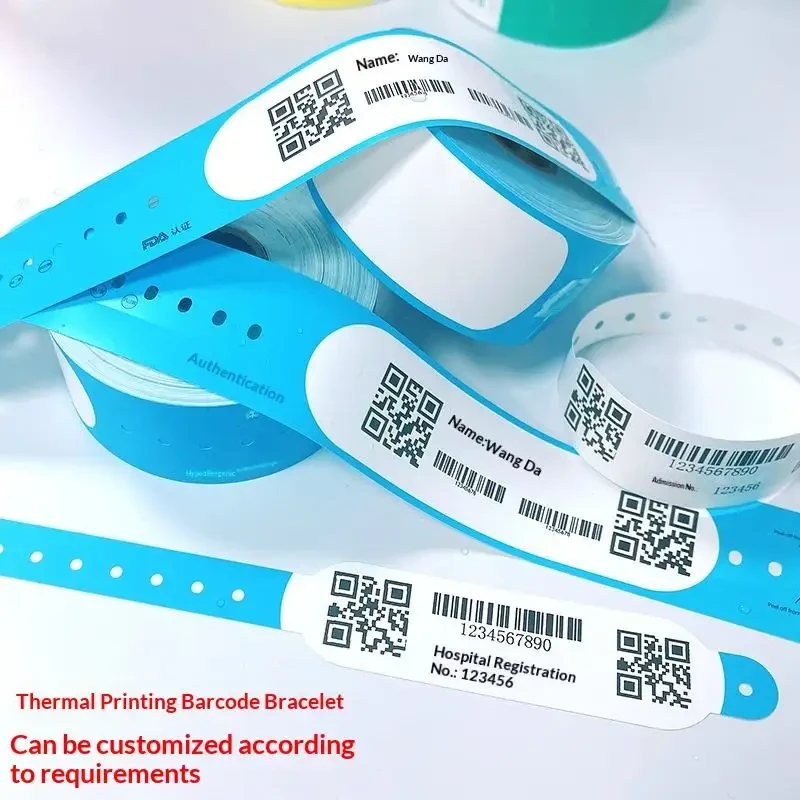
The wristband is the physical and informational anchor that closes this loop. When a GS1-compliant barcode on the wristband is scanned alongside the UDI on the implant packaging, the resulting digital record creates an unbreakable link: this patient received this device, from this lot, at this time, in this location. That single data relationship is the foundation upon which every subsequent recall response is built—and the same identifier that protects patient identification accuracy at the bedside becomes the index that makes rapid recall matching possible.
Inside the Operating Room: Where the Anchor Is Set
The credibility of any recall response is determined in the operating theatre, long before a recall is ever issued. Scan4Safety, the NHS programme built on GS1 standards, demonstrates how the patient wristband functions as the starting point for a chain of point-of-care scanning that captures every relevant input to a procedure.
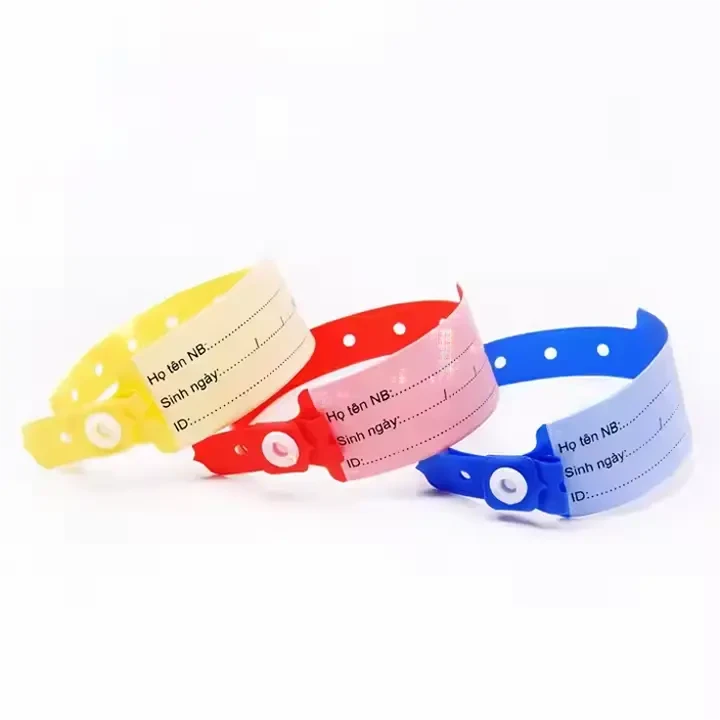
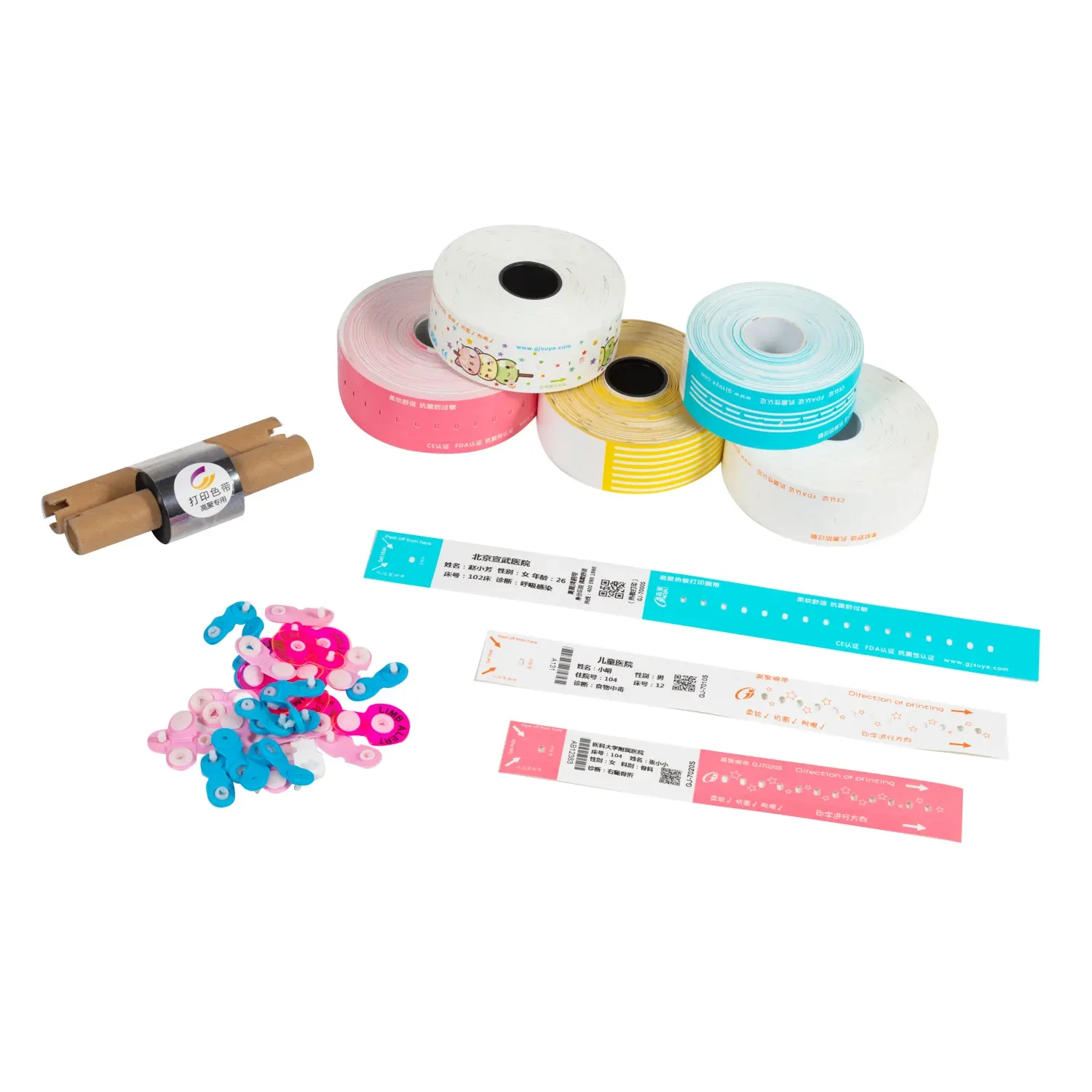
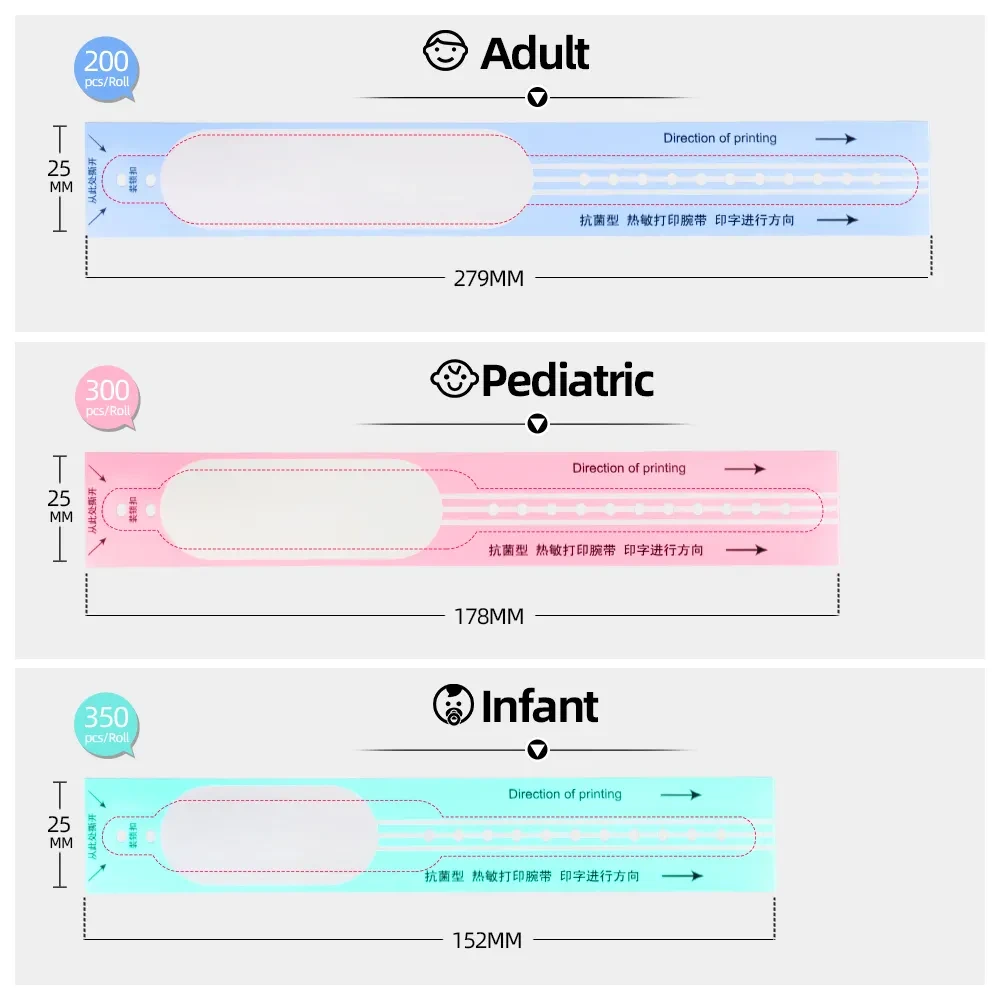
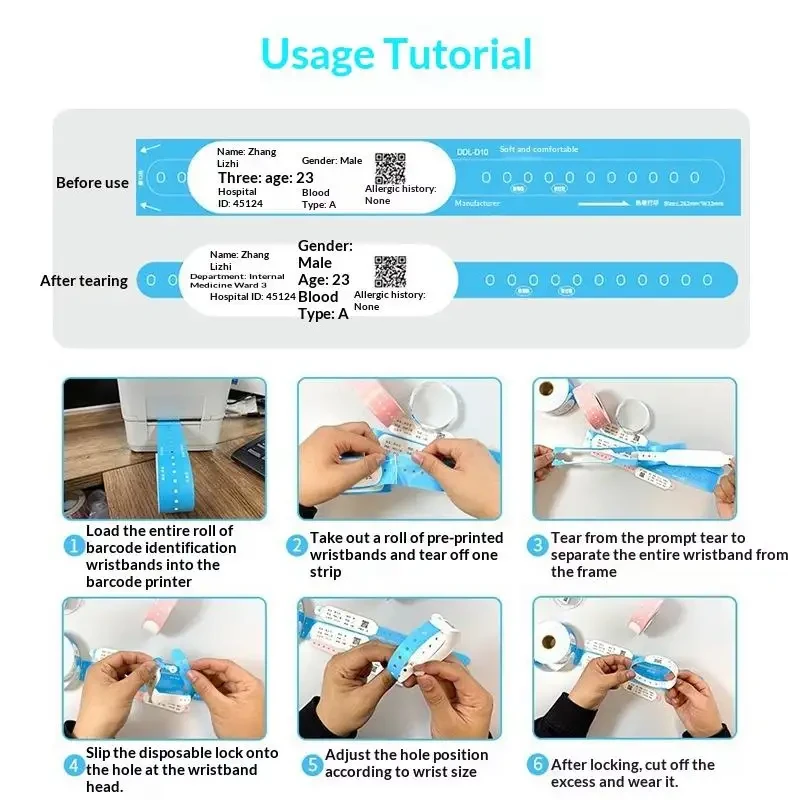
Before the first incision, the patient's DCB1077-compliant wristband is scanned. This confirms identity, but it also does something more consequential for traceability: it establishes the patient record to which every subsequent scan will be attached. As implants and consumables are opened, their GS1 barcodes—containing the UDI, lot number, and expiry date—are scanned into the same record. Staff and location identifiers may also be captured, producing a complete digital account of the procedure that replaces manual transcription and its attendant errors. The wristband must be readable across the whole patient population: the standard adult format, the shorter pediatric and infant bands, the extended-length wristbands stocked as bariatric patient wristbands, and the ankle bands applied when wrist access is unavailable.
The data produced at this moment serves two distinct purposes. The first is immediate clinical safety. Scanning an implant before use can trigger real-time alerts if the product is expired, subject to a product recall or field safety notice, mismatched for laterality, or incompatible with other components. In this sense, the wristband-anchored workflow prevents the use of a problematic device before harm can occur.
The second purpose is latent until a recall is issued. The digital record created by scanning the wristband and the implant becomes the searchable index that makes rapid patient matching possible. Without it, a recall triggers a manual forensic exercise. With it, a recall triggers a query.
The evidence for this operational shift is not theoretical. Salisbury NHS Foundation Trust, one of the original Scan4Safety demonstrator sites, achieved 93% of its implantable devices accurately tracked to a patient through point-of-use scanning in orthopaedic theatres and cardiology. Hywel Dda University Health Board similarly captured full lists of implants and consumables used on patients via wristband scanning, creating a digital trail that did not previously exist.
The Recall Response: From Weeks to Minutes
The value of the wristband anchor becomes most visible when a manufacturer recall or field safety notice is issued. The question shifts from "Can we find the patients?" to "How quickly can we reach them?"
Leeds Teaching Hospitals NHS Trust provided a stark illustration of the difference. In February 2023, the trust received notification of a recall affecting a batch of intraocular lenses. Using the digital records created through Scan4Safety, the team identified 500 patients who had received a lens from the affected batch—including their names, dates of birth, and the date and time of surgery—in 40 minutes. Those patients were then reviewed in outpatient appointments over the following six weeks.
The contrast with manual methods is difficult to overstate. In the same trust's demonstrator pilot, a traditional product recall for just 10 items was projected to take 8 hours to search by hand. A recall of the scale of the lens incident could have taken weeks to complete manually—weeks during which patients would remain unaware of their exposure.
The wristband is the reason this speed is possible. Without a reliable patient identifier linked to the device record at the point of implantation, the recall team has no index to query. The wristband provides that index. It transforms the patient from an entry in a paper file into a uniquely addressable node in a searchable data structure. When a recall query is run, the system returns not a folder of operative notes, but a list of identifiable individuals with contact details and procedure dates attached.
The Standards and Technologies That Make the Anchor Work
The wristband's role as a traceability anchor depends on a confluence of standards and material technologies that are easy to overlook until they fail.
On the standards side, GS1 provides the common language. The GS1 barcode on the wristband typically encodes a GSRN (Global Service Relation Number) or equivalent patient identifier, while the implant label carries a GTIN and production identifiers such as lot and serial numbers. The FDA's UDI system requires that devices carry a device identifier (DI) and production identifier (PI) in both human-readable and AIDC (automatic identification and data capture) formats, enabling the same barcode to be read by the same scanner infrastructure used for wristbands. In the European Union, the MDR goes further by requiring an implant card to be provided with implantable devices, containing the UDI in AIDC format and blank fields for the patient name, implantation date, and healthcare institution. The implant card and the wristband are complementary artefacts: the card gives the patient a portable record; the wristband-anchored digital record gives the hospital a searchable one.
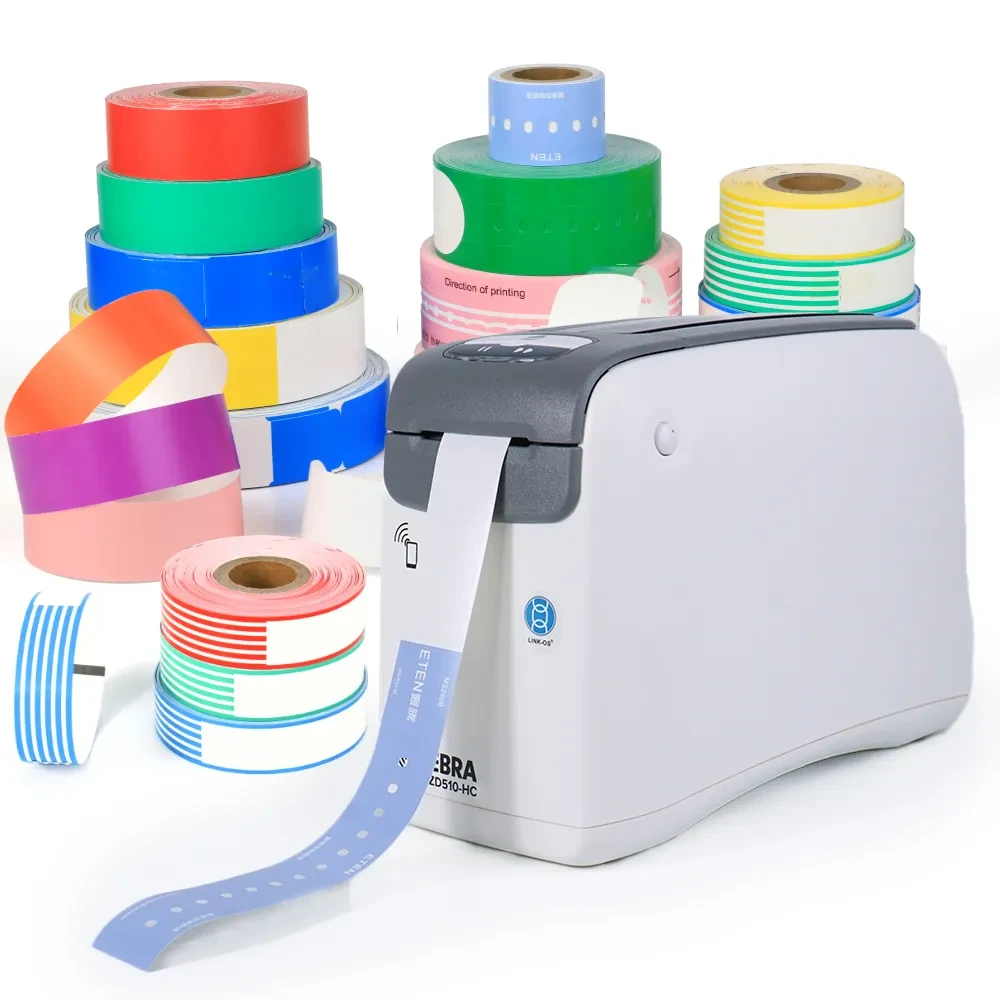
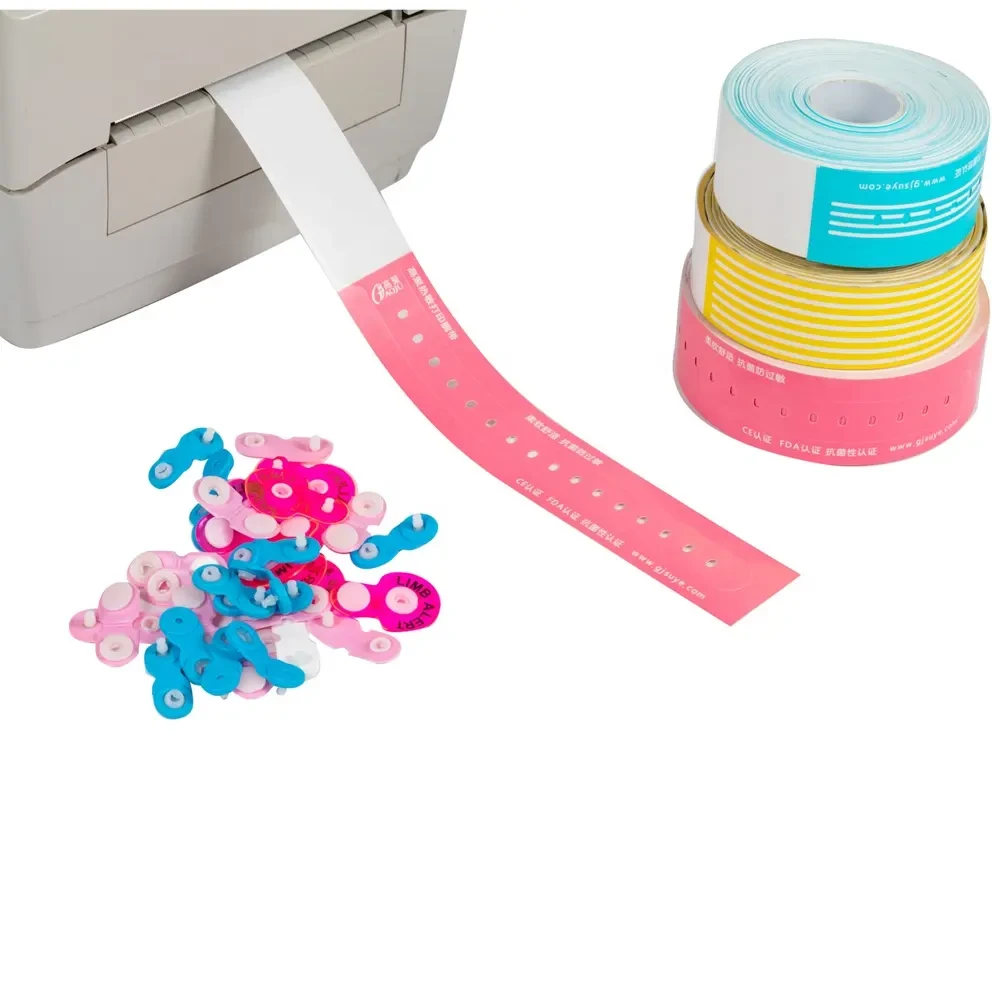
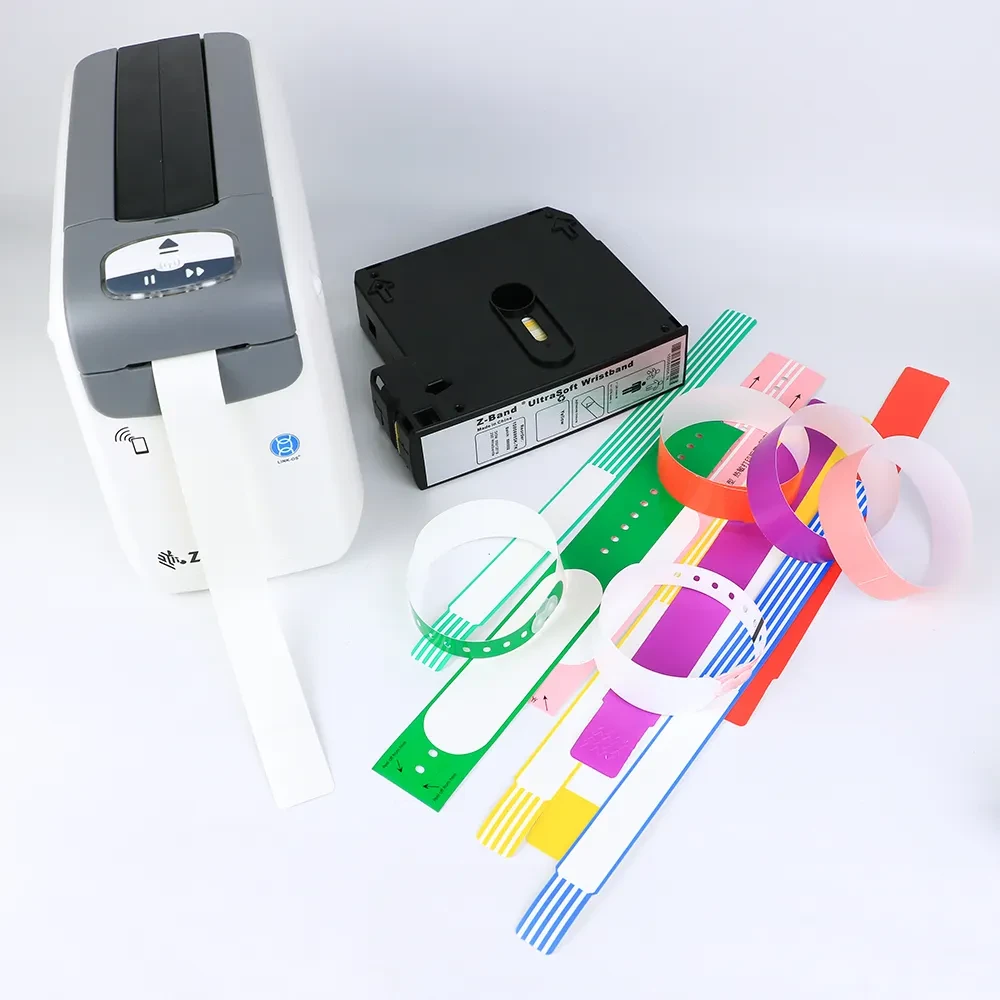
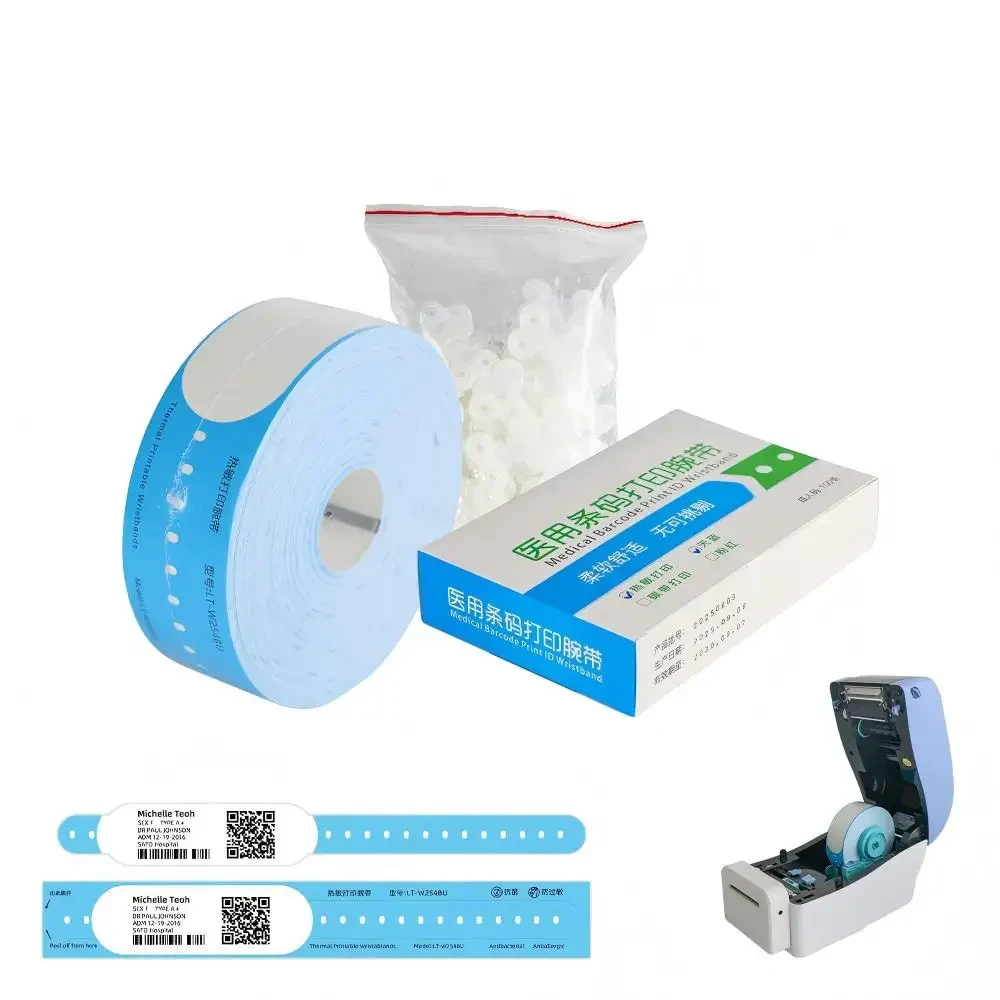
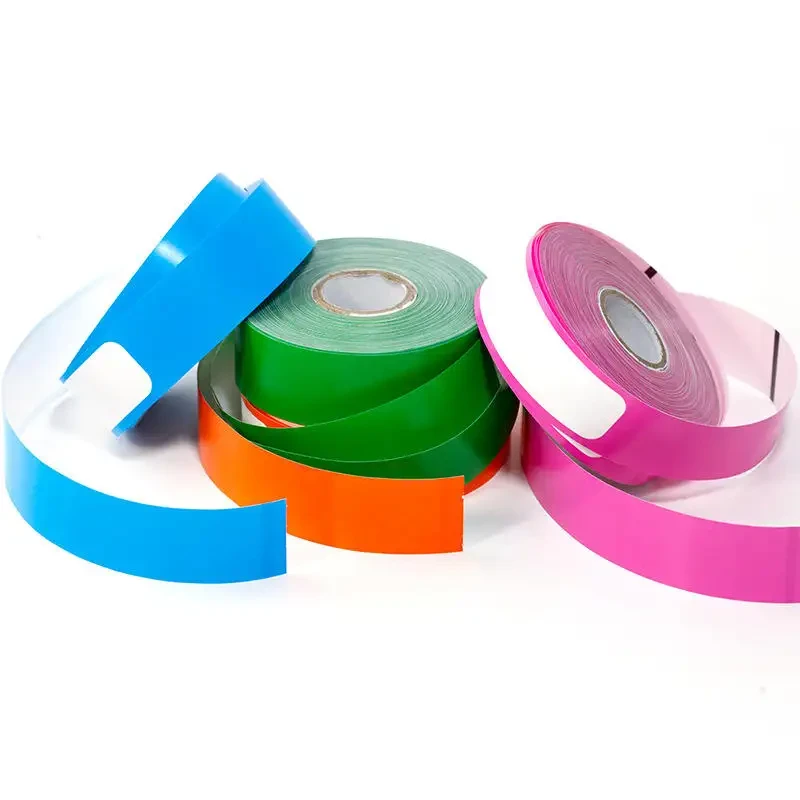
On the material side, the wristband must survive the clinical environment long enough to be scanned when it matters. A wristband that fails to scan at the point of care does not merely inconvenience staff; it creates a break in the traceability chain that may not be discovered until a recall exposes it. Manufacturers engineer wristbands with self-laminating seals, antimicrobial coatings, and resistance to hand sanitizers, moisture, and abrasion to preserve barcode readability across a patient's stay. Zebra, for instance, reports that its direct thermal wristbands are tested to withstand over 1,000 abrasion cycles and total immersion in water, because the first-scan readability of a narrow barcode is not a cosmetic feature but a safety requirement. When a nurse scans a wristband before an implant is recorded, that scan is the traceability event. A faded or unreadable barcode is a missing link.
Regulatory Momentum and the Shift from Optional to Expected
The wristband-anchored model is moving from best practice to regulatory expectation. In the United States, the Medical Device Recall Improvement Act of 2025 reflects legislative attention to the recall process, including provisions related to UDI information and patient notification. The FDA's GUDID already provides the device-side infrastructure for identifying affected products, but its effectiveness in recall depends on hospital-side capture at the patient level. The 21 CFR 821 device tracking requirements for certain Class II and III devices similarly presume that manufacturers and healthcare providers can identify the current location of tracked devices and, where applicable, the patients possessing them.
In Europe, MDR Article 18 and the implant card requirement establish a patient-facing traceability document, while the broader UDI system under the MDR pushes device identification toward the same AIDC standards that make wristband scanning interoperable. Australia's TGA has been progressively implementing a UDI system, with priority given to high-risk implantable devices, explicitly linking the system to faster identification of devices in the event of an adverse event, safety alert, or recall.
The direction of travel is consistent across jurisdictions: device identification is becoming standardized, digitized, and expected to be captured at the point of use. The wristband is the point at which that expectation becomes operationally real. A UDI on a package is a data element; a UDI linked to a scanned wristband is an actionable patient-safety record.
The Human Layer: Workflows, Workarounds, and Design
No discussion of wristband-anchored traceability is complete without acknowledging that the system is operated by people under pressure. The technology does not eliminate the need for careful workflow design; it raises the stakes of getting that design right.
Research on barcode medication administration has shown that scanning workarounds are common when wristbands are damaged, scanners are slow, or the scan step is perceived as interfering with clinical urgency. A wristband removed from the patient and taped to a bed rail, or a barcode scanned from a printed label rather than the wristband itself, defeats the traceability chain at its most critical juncture. These are not failures of the wristband as a concept; they are failures of implementation—a reminder that the anchor only holds if the workflow makes the correct action the easiest action, and the same identification-compliance indicators that CAP Q-Probes style surveillance programs track when they audit whether staff actually verify identity at the bedside apply with equal force to implant documentation.
The operating theatre presents particular challenges. Scanning must be integrated into the natural sequence of opening and preparing implants, not added as a separate documentation task after the fact. When scanning is designed as a point-of-decision safety check—verifying the right implant for the right patient before the package is opened—it aligns with the clinical imperative rather than competing with it. The time cost can be modest: one analysis of surgical supply documentation found that scanning reduces per-item documentation to approximately three seconds, while automating the capture of lot and expiry data that would otherwise require manual entry. Larger workflow studies have reported reductions in implant and material documentation time of 65% and 50%, respectively, alongside annual savings of hundreds of hours in operating room documentation.
The lesson is that the wristband's traceability function is inseparable from its usability. A wristband that is comfortable, durable, and consistently scannable supports the workflow. A wristband that irritates the skin, fades after sanitizer exposure, or produces a "could not be identified" error invites the very workarounds that erode the traceability record.
What the Wristband Represents
At a practical level, the patient wristband is a strip of material bearing a barcode. At a systems level, it is the physical manifestation of a commitment: that every implant can be traced to a person, and every person can be found when an implant requires attention.
The Leeds example—500 patients identified in 40 minutes—is often cited as a demonstration of scanning speed. But the speed is downstream of something more fundamental. Those 500 patients were findable because, at the moment of each implantation, a wristband was scanned and an implant barcode was scanned, and the two were recorded together. That record was not created retrospectively. It was not reconstructed from memory or paper. It was captured at the point of care, when the patient and the product were in the same place at the same time.
Recall notification is the moment when the value of that record becomes undeniable. But the record itself is built every day, in every procedure, through the ordinary discipline of scanning the wristband before the implant. The wristband does not merely identify the patient in the moment. It anchors the patient to the device, the device to the lot, and the lot to the recall—transforming a manufacturer's notice into a list of names, and a potential crisis into a managed clinical response.
A note on terminology for readers seeking further information: This article discusses patient identification wristbands, hospital wristbands, medical ID bands, RFID wristbands, and patient ID bracelets in healthcare settings. Related terms include implant traceability, UDI wristband, recall response, GS1 barcode wristband, Scan4Safety, patient identification accuracy, and device tracking.
Continue Reading
Have Questions About Wristbands?
Our team is ready to help you find the perfect wristband solution for your needs. Contact us directly on WhatsApp for quick responses.
Contact on WhatsApp