
The Three Minutes That Decide Life and Death: How Emergency Triage Wristbands Combat "Hidden Criticality"
Introduction: The Silent Time Bomb in the Waiting Room
Every emergency department operates under a fundamental tension: the sickest patients do not always look the sickest. A young woman with abdominal pain may be developing septic shock while her vital signs remain deceptively stable. An elderly man categorized as "non-urgent" may be experiencing a silent myocardial infarction. In the chaotic environment of an overcrowded ED waiting room, these patients become invisible — hidden behind a green or yellow triage tag that signals stability to every clinician who glances their way.
This phenomenon, known as hidden criticality, represents one of the most dangerous gaps in emergency medicine. It occurs when a patient's initial triage assessment fails to capture the trajectory of their deterioration, leaving them stranded in lower-priority queues while their condition silently worsens. Studies have shown that up to 30% of patients initially triaged as non-urgent experience clinical deterioration during their ED wait, and a significant subset of adverse events in emergency departments are directly attributable to triage misclassification.
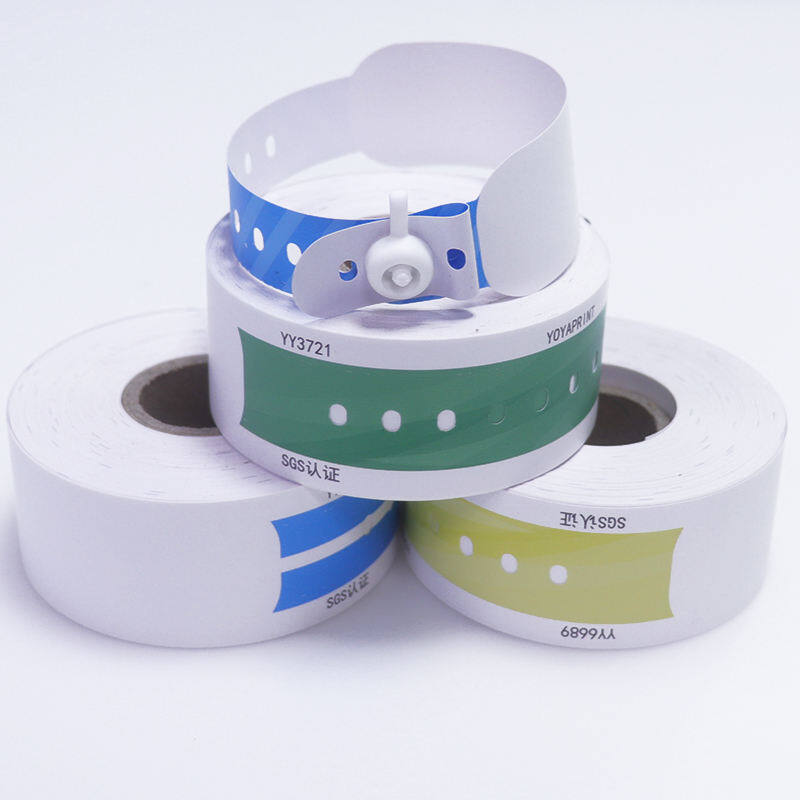
The emergency triage wristband — a simple, color-coded band applied at the point of first contact — serves as both a communication tool and a safety net against this invisible danger. When properly integrated into a dynamic reassessment protocol, the wristband transforms from a static label into a living signal that pulls priority diagnostics, triggers escalation pathways, and ensures that no patient remains trapped behind a misleading color. This article examines how modern triage wristband systems work, where they fail, and how they can be optimized to catch the patients who need help most but show it least.
The Architecture of Triage: Four Levels, Five Levels, and the Colors That Save Lives
The Evolution of Triage Systems
Emergency triage has evolved from its military origins — where battlefield surgeons sorted casualties by survivability — into sophisticated clinical decision-making frameworks used in civilian hospitals worldwide. Modern ED triage systems generally fall into two categories: four-level and five-level models.
The four-level system, still widely used in many countries, classifies patients into:
- Level I (Critical/Red) — immediate resuscitation required; patient is brought directly to the resuscitation bay
- Level II (Emergency/Yellow) — requires evaluation and treatment within 10 minutes; serious but not immediately life-threatening
- Level III (Urgent/Green) — should be seen within 1–2 hours; stable but requires timely intervention
- Level IV (Non-urgent/No Color) — can safely wait up to 4 hours; minor complaints with low risk of deterioration
The five-level Emergency Severity Index (ESI), developed in the United States and now adopted internationally, adds granularity by incorporating resource utilization predictions alongside acuity. ESI Level 1 corresponds to immediate life-saving intervention, while ESI Level 5 represents patients who require no diagnostic testing or therapeutic intervention beyond simple prescriptions. The additional level helps distinguish between patients who are truly non-urgent and those who may appear stable but require significant resources to rule out serious pathology.
The Color-Coded Wristband as a "Visual Headline"
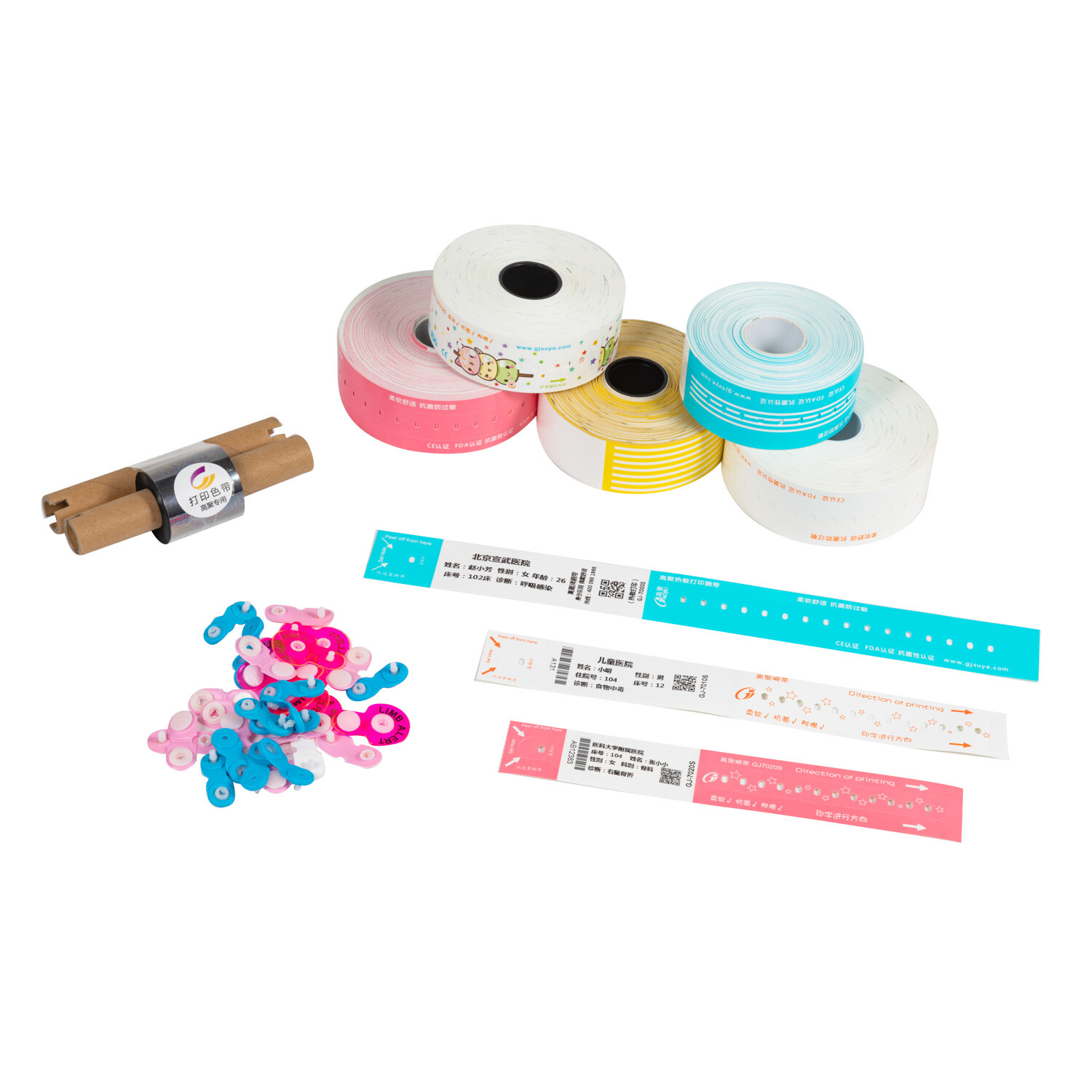
Regardless of which triage scale a hospital adopts, the color-coded wristband serves a consistent function: it translates a complex clinical assessment into an instantly recognizable visual signal. In a department where nurses manage 15–20 patients simultaneously, physicians rotate through multiple assignments, and ancillary staff process dozens of orders per hour, the wristband acts as a persistent, wearable headline that communicates urgency without requiring anyone to open a chart.
The wristband fulfills five critical functions:
- Priority Communication — The color instantly conveys acuity level to any caregiver who encounters the patient, from the phlebotomist drawing labs to the radiology technician performing imaging. No verbal handoff is needed; the wristband speaks for itself.
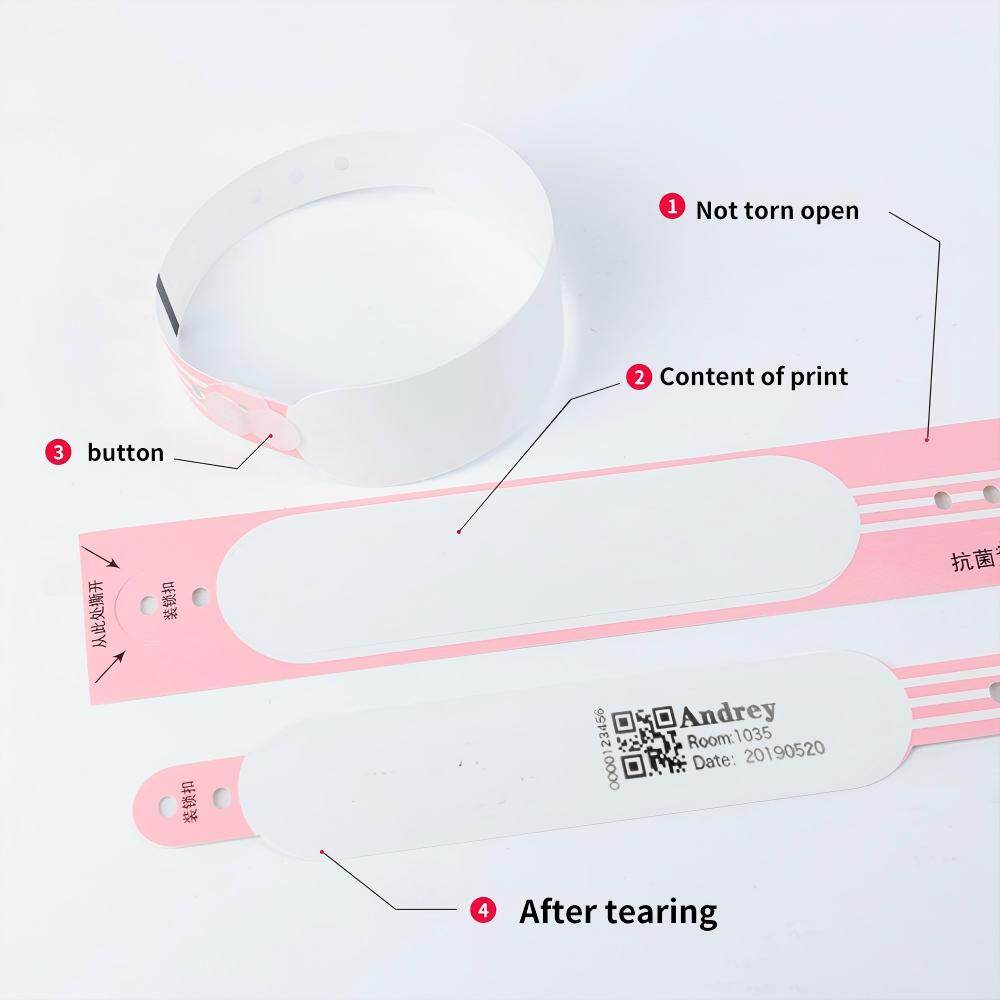
- Dynamic Reassessment Trigger — When combined with structured reassessment protocols, the wristband color becomes a checkpoint. A patient wearing green who develops new symptoms triggers a formal re-evaluation, and if warranted, a physical wristband change from green to yellow or red. This tangible act of re-banding reinforces the clinical decision and alerts the entire team.
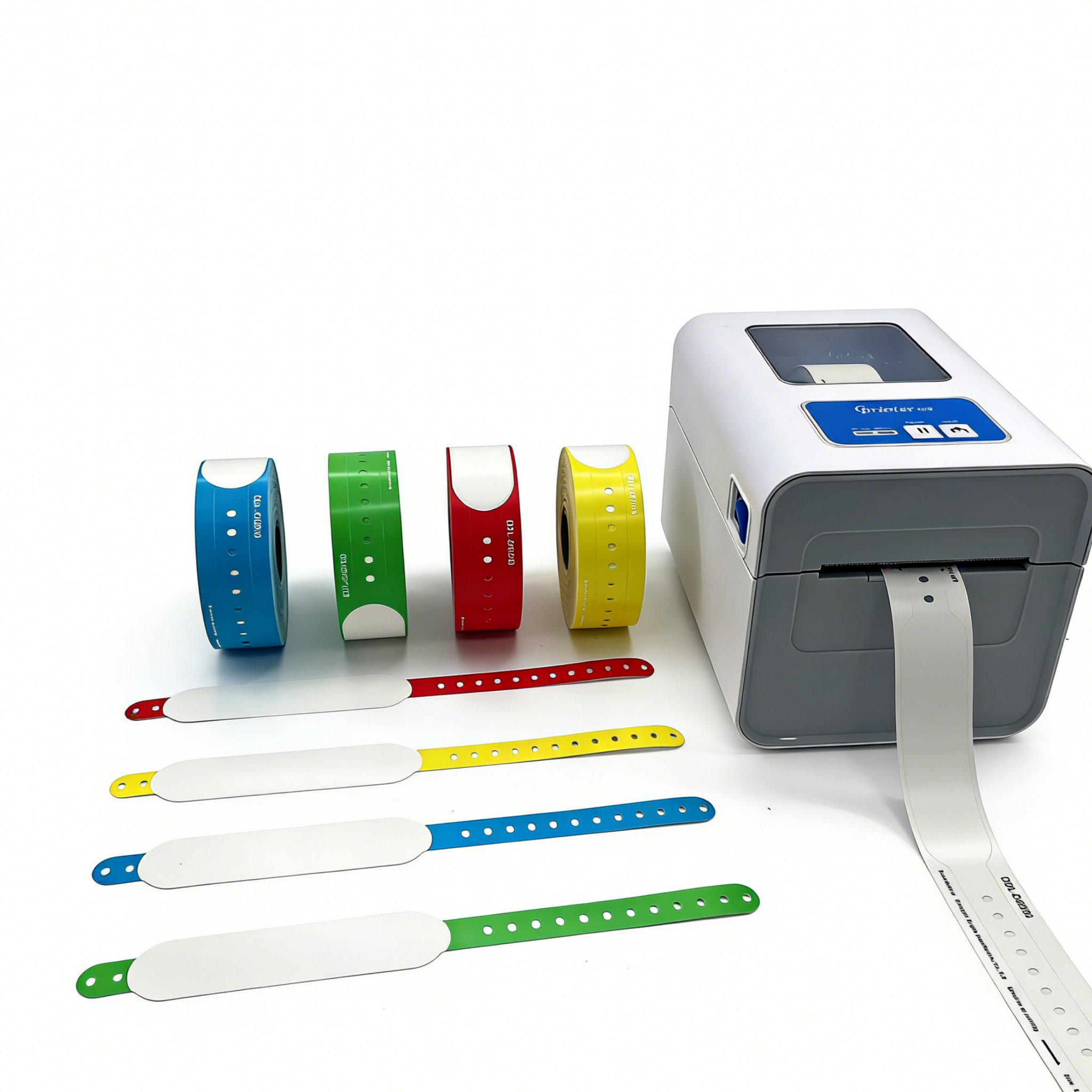
- Workflow Integration — Modern wristband systems integrate with electronic health records and barcode scanning. When a nurse scans a red wristband, the EHR can automatically flag the patient for priority lab processing, expedited imaging, or immediate physician notification. The wristband becomes the physical anchor for digital prioritization workflows.
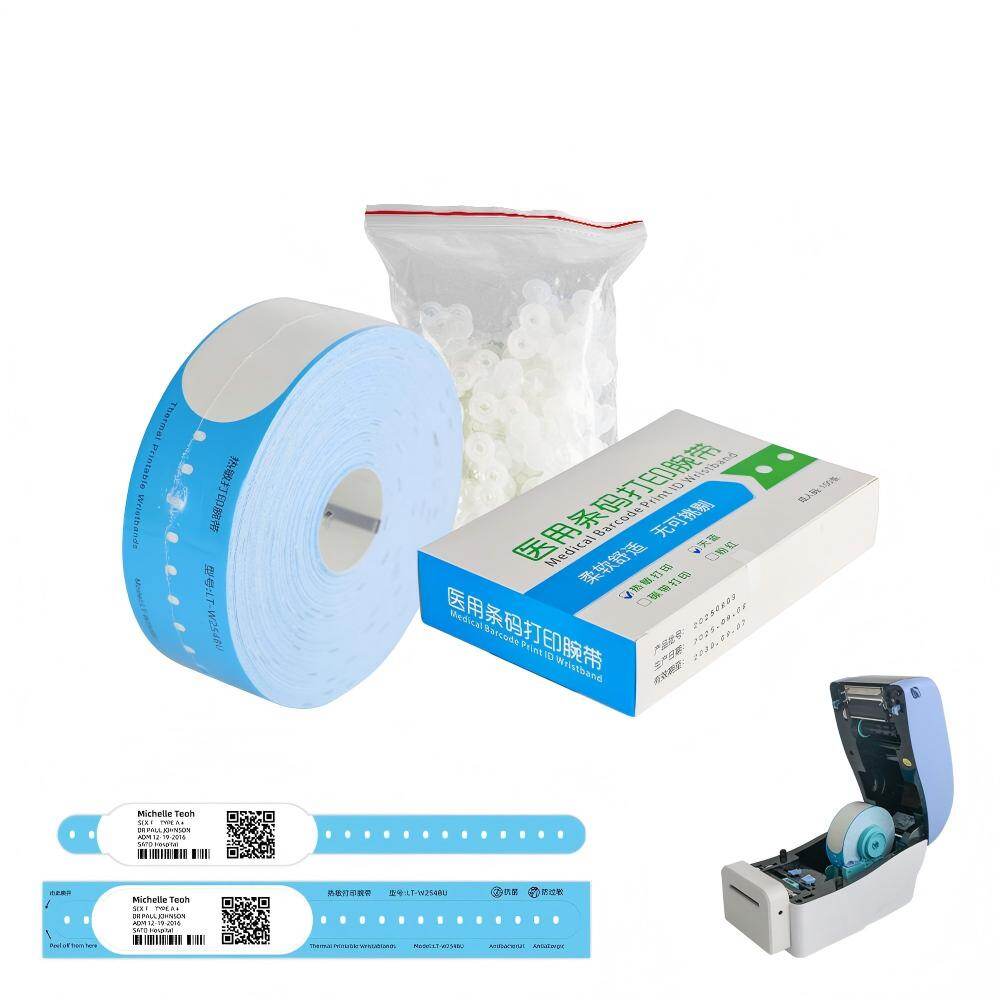
- Electronic Health Record Integration — Barcode and QR-code printed wristbands link directly to the patient's electronic record. Scanning the wristband at any point of care retrieves the full clinical picture — allergies, current medications, pending orders, and triage history — reducing transcription errors and ensuring that the color signal is always backed by comprehensive data.
- Mass Casualty Utility — In disaster scenarios where hundreds of patients arrive simultaneously, color-coded wristbands enable rapid sorting and tracking when electronic systems may be overwhelmed or unavailable. The simplicity of the color system scales from routine operations to crisis response without requiring retraining.
The Hong Kong Model: Five-Level Triage in Practice
Hong Kong's Accident & Emergency departments employ a well-established five-level triage system that pairs color-coded wristbands with structured clinical pathways. Patients are classified upon arrival into one of five categories:
- Critical (Red) — requires immediate resuscitation; zero wait time, direct to resuscitation bay
- Emergency (Orange) — requires treatment within 15 minutes; life-threatening conditions with active deterioration
- Urgent (Yellow) — requires treatment within 30 minutes; potentially serious conditions requiring prompt evaluation
- Semi-urgent (Green) — requires treatment within 60 minutes; stable conditions with moderate discomfort
- Non-urgent (Blue) — can wait up to 120 minutes; minor complaints suitable for primary care management
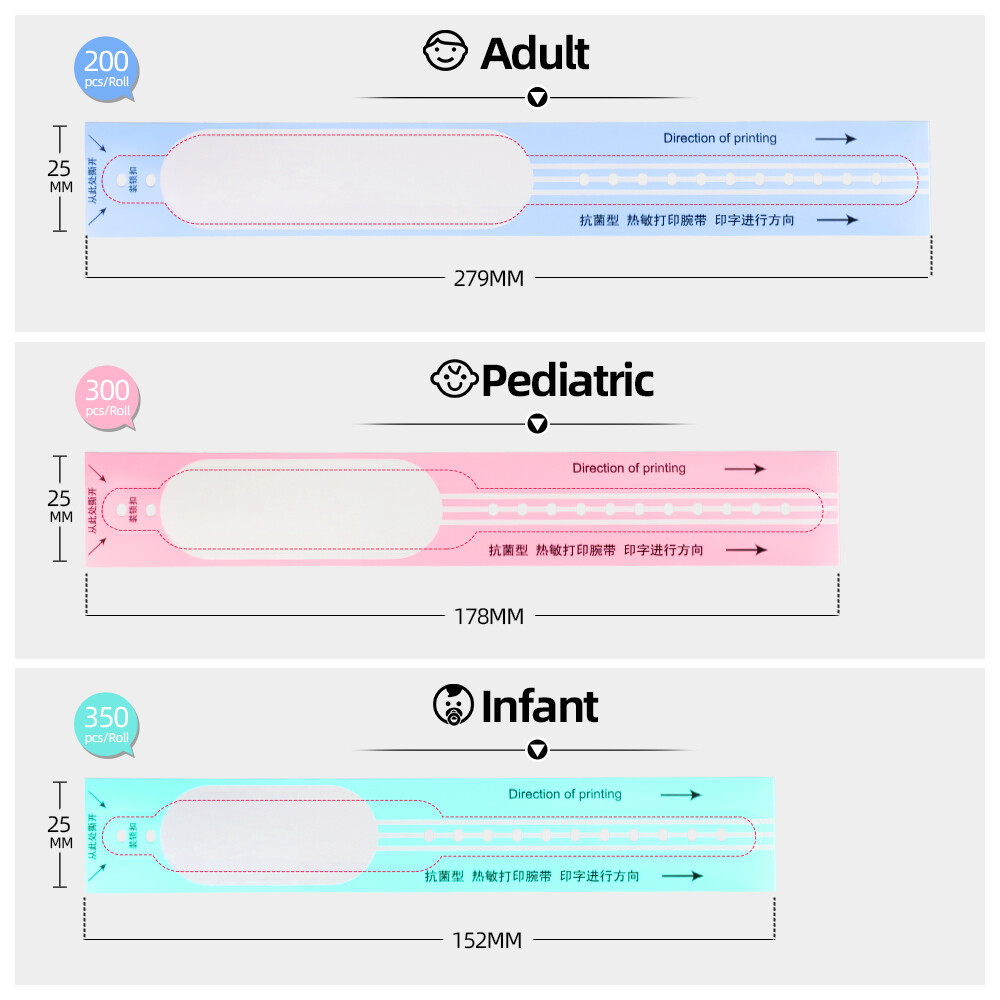
Under this framework, an identification wristband is prepared for every A&E patient and worn continuously until discharge. The wristband displays the patient's name, identification number, triage category color, and date of attendance. Nursing guidelines mandate that the wristband be verified at every handoff and whenever the patient moves between care areas, ensuring continuity of the triage signal throughout the ED stay.
The Hong Kong model also specifies explicit escalation criteria: any patient whose vital signs cross predefined thresholds, whose mental status changes, or who reports worsening symptoms must be re-triaged within 15 minutes regardless of original category. This mandatory reassessment window closes the gap between initial classification and evolving clinical reality.
Dynamic Reassessment: The Green-to-Red Transformation
The true power of the triage wristband lies not in its initial application but in its capacity for change. Static triage — assigning a color once and never revisiting it — is precisely what enables hidden criticality. Dynamic reassessment protocols mandate that every patient in the waiting room be re-evaluated at regular intervals, typically every 30–60 minutes for green-tagged patients and every 15–30 minutes for yellow-tagged patients.
Research on early warning score systems demonstrates that structured reassessment achieves a 74% prediction success rate for identifying patients who will deteriorate within the next four hours. When combined with color-coded wristband escalation, the predictive value increases because the visual signal prompts action even when numerical scores alone might be overlooked during busy shifts.
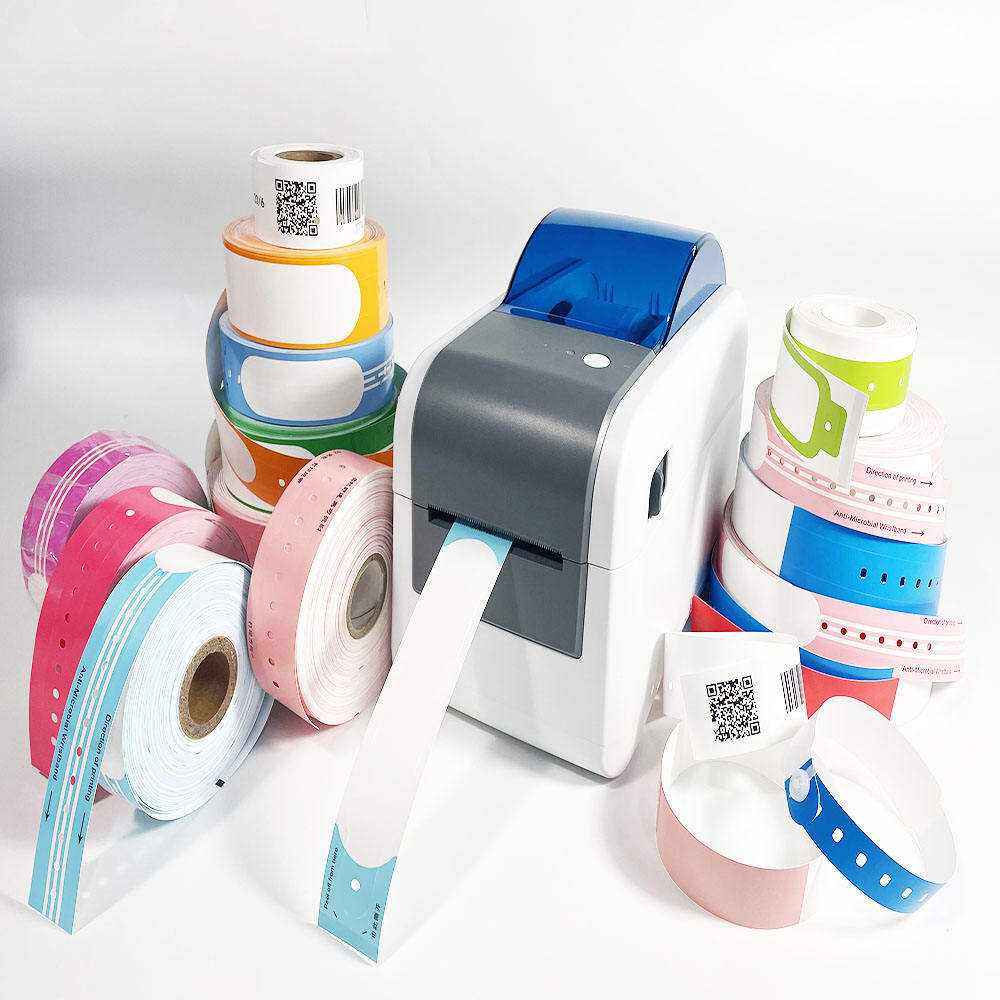
During reassessment, the triage nurse evaluates vital sign trends, symptom progression, mental status changes, and patient or family reports of worsening condition. If any parameter crosses a predefined threshold, the patient is re-triaged and the wristband is physically changed. A green-band patient whose modified early warning score rises to orange triggers intermediate escalation; a further rise to red mandates immediate physician review and resuscitation-team standby. This act of re-banding serves multiple purposes: it updates the visual signal for all caregivers, it documents the clinical decision in real time, and it creates a psychological commitment to the new priority level that reduces the likelihood of backsliding into complacency.
The "Green-to-Red" Escalation in Action
Clinical Scenarios of Hidden Deterioration
To understand why dynamic reassessment and wristband escalation matter, consider three common clinical scenarios where hidden criticality manifests:
Case 1: The Atypical Sepsis Presentation
A 68-year-old woman presents with generalized weakness and mild confusion. Her initial vital signs show a temperature of 37.2°C, heart rate of 88 bpm, and blood pressure of 118/72 mmHg. She is triaged as Level III (green) and given a green wristband. Over the next 90 minutes in the waiting room, her lactate rises, her mental status subtly declines, and her systolic blood pressure drops to 95 mmHg. Without structured reassessment, she might remain green until she codes. With a 30-minute reassessment protocol, the triage nurse identifies the trend, escalates her to yellow, then red within two cycles, and initiates sepsis bundle interventions before irreversible organ damage occurs.
Case 2: The Overlooked Cardiac Event
A 45-year-old man complains of indigestion and shoulder discomfort. His ECG at triage shows nonspecific ST changes, and his troponin is pending. He receives a yellow wristband and is placed in the waiting area. Forty-five minutes later, he reports increasing diaphoresis and nausea. A reassessment reveals new ST depression in inferior leads. The wristband is changed to red, he is moved to a monitored bed, and cardiac catheterization is activated. The wristband escalation triggered a cascade of prioritized actions that would not have occurred if he had remained yellow.
Case 3: The Quiet Deterioration
A 22-year-old college student arrives with abdominal pain and vomiting, attributed to gastroenteritis. She is triaged green and appears comfortable between episodes of nausea. Two hours pass. During reassessment, the nurse notes that her pain has localized to the right lower quadrant, her temperature has risen to 38.4°C, and she now exhibits guarding on palpation. The wristband is escalated to yellow, surgical consultation is requested, and imaging is prioritized. Appendicitis is confirmed, and she avoids perforation because the reassessment protocol caught the evolution of her presentation.
The Role of the Triage Nurse
The triage nurse is the linchpin of the entire system. No algorithm, wristband color, or electronic alert can substitute for clinical judgment honed by experience and supported by structured protocols. The triage nurse must possess the ability to recognize subtle signs of deterioration that do not fit textbook presentations, the confidence to escalate a patient despite pushback from overloaded teams, and the discipline to document and communicate every reassessment finding.
Hong Kong Hospital Authority nursing guidelines emphasize that the triage nurse bears primary responsibility for maintaining the integrity of the wristband system: "The triage nurse shall ensure that each patient's identification wristband accurately reflects the current triage category and shall perform documented reassessment at intervals no greater than those specified by the patient's acuity level." This regulatory language transforms wristband maintenance from a best practice into a professional obligation.
Effective triage nursing requires dedicated time and protected attention. When triage nurses are pulled into other duties — covering breaks, answering phones, managing admissions — reassessment intervals slip, and hidden criticality thrives in the gaps. Hospitals that treat triage as a dedicated, uninterrupted role consistently demonstrate lower rates of triage-related adverse events and shorter times to definitive care for deteriorating patients.
The Ancillary Department Pull: How Wristbands Drive System-Wide Prioritization
The Diagnostic Bottleneck
One of the most insidious consequences of hidden criticality is diagnostic delay. Even when a physician suspects a serious condition, the patient remains subject to the same queue-based processing as every other order in the system. Labs are batched by collection time, imaging is scheduled by order entry timestamp, and consultations are queued by request order. A red wristband entering this pipeline should function as a circuit breaker — pulling the patient out of chronological sequence and into priority processing.
However, this pull mechanism only works if ancillary departments recognize and honor the wristband signal. In many hospitals, the disconnect between ED triage colors and laboratory or radiology prioritization remains a critical gap. A patient may wear a red wristband in the ED while their stat CT scan sits in the radiology queue behind routine outpatient studies because the imaging department has no visibility into the ED triage system.
The Priority Imaging Protocol
Hospitals that successfully combat hidden criticality implement formal priority imaging protocols tied directly to wristband color. When a patient with a red wristband requires imaging, the order is flagged in the radiology information system, the technologist receives an audible or visual alert, and the study is inserted at the front of the queue. Yellow wristband patients receive secondary priority, processed after red but before routine green and non-urgent studies.
Suzhou Municipal Hospital's emergency department policy explicitly codifies this linkage: "Patients bearing red-category identification wristbands shall receive priority imaging within 15 minutes of order placement; yellow-category wristband patients shall receive imaging within 30 minutes. Radiology dispatch systems must integrate ED triage color signals to enforce automated queue reprioritization." This policy language transforms the wristband from a passive identifier into an operational mandate with measurable compliance targets.
This protocol extends beyond imaging to laboratory services, pharmacy dispensing, and specialty consultations. The wristband color becomes a universal language that transcends departmental silos, ensuring that urgency recognized at triage is honored at every downstream touchpoint. Barcode-integrated wristband systems automate much of this signaling: when a phlebotomist scans a red wristband, the LIS automatically flags the specimen for priority processing and notifies the ordering physician when results are available.
The "Life Wristband" in Prehospital Care
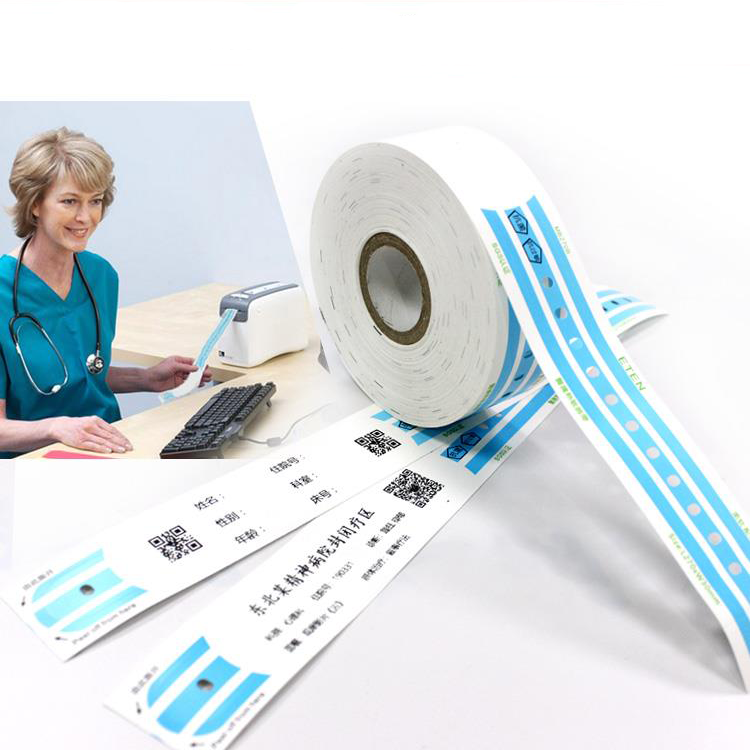
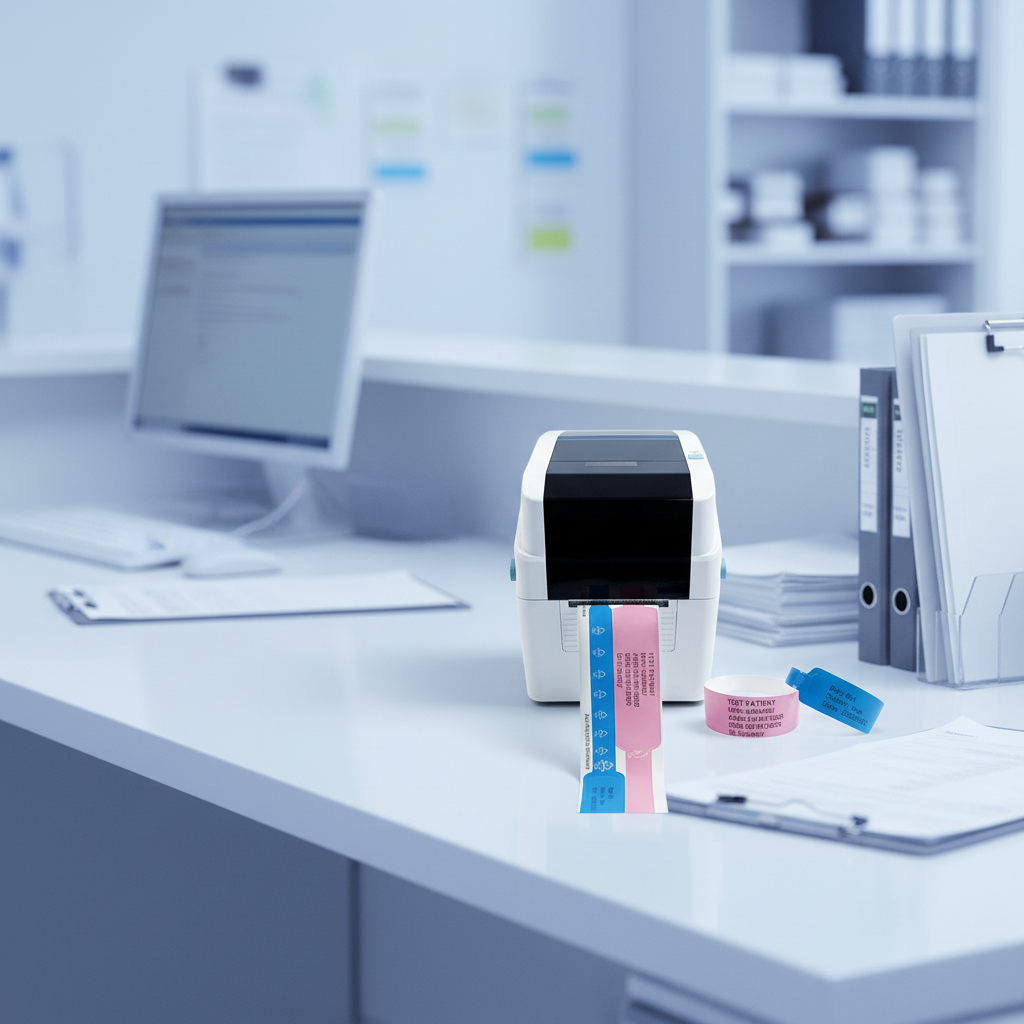
The concept of the triage wristband has expanded beyond the hospital walls. Huzhou, Zhejiang Province, pioneered the "Life Wristband" (生命腕带) program, which applies a color-coded identification wristband to patients at the moment of ambulance boarding rather than upon hospital arrival. The wristband carries the patient's basic information, prehospital vital signs, chief complaint, and preliminary acuity assessment, all printed in thermal format with a barcode linked to the ambulance electronic record.
When the ambulance arrives at the receiving hospital, the ED triage nurse scans the wristband and the prehospital data flows directly into the hospital information system. The patient is effectively "admitted upon boarding," eliminating the information gap that traditionally exists between prehospital and in-hospital care. For critically ill patients, the wristband color assigned in the ambulance triggers the same priority pathways inside the hospital, ensuring continuity of urgency signaling from street to resuscitation bay.
The Wristband as the "Pull Signal"
The concept of the wristband as a pull signal borrows from lean manufacturing principles, where downstream demand pulls work through the system rather than upstream supply pushing it. In the ED context, the red wristband represents demand — a patient whose condition demands immediate resources. Every department that encounters this wristband should feel the pull: labs prioritize, imaging accelerates, consultants respond faster, and beds are allocated preferentially.
This pull system only functions when three conditions are met: the wristband color is accurate and current (requiring dynamic reassessment), ancillary departments have agreed to honor the signal (requiring interdepartmental agreements and training), and the electronic infrastructure supports automated prioritization (requiring integration between the EHR, LIS, RIS, and pharmacy systems). When any of these conditions fails, the wristband degrades from a pull signal to a mere decoration, and hidden criticality returns.
Challenges and Limitations
False Assurances and Complacency
Perhaps the greatest risk of any color-coded triage system is the false sense of security it can create. A green wristband does not mean "safe"; it means "currently assessed as lower acuity." When staff internalize the color as a definitive statement rather than a snapshot in time, they stop looking at the patient and start looking at the wristband. This cognitive shortcut is exactly what allows hidden criticality to persist.
Combatting complacency requires cultural reinforcement alongside technical protocols. Regular case reviews highlighting missed deterioration events, simulation training that emphasizes reassessment over initial categorization, and leadership messaging that frames the wristband as a starting point rather than a conclusion all help maintain vigilance. The wristband is a tool, not a diagnosis.
Staff and Resource Constraints
Dynamic reassessment requires staffing. In an era of chronic nursing shortages and ED overcrowding, mandating 30-minute reassessment intervals for every waiting room patient may be mathematically impossible. When triage nurses are responsible for 40+ patients in the waiting area, even the most well-designed protocol collapses under volume.
Solutions include tiered reassessment models where higher-risk green patients (elderly, immunocompromised, presenting with chest pain or abdominal pain) receive more frequent checks, technology-assisted monitoring through wearable vital sign devices that alert staff to concerning trends, and dedicated reassessment roles staffed by experienced nurses or advanced practice providers whose sole responsibility is waiting room surveillance.
Communication Across Settings
Triage wristbands are primarily an ED tool, but patients move through multiple care settings during their hospital journey. When a patient is admitted from the ED to an inpatient unit, transferred to ICU, or sent to an observation area, the wristband color may lose its meaning if receiving units do not share the same color conventions or reassessment protocols.
Standardizing wristband color meanings across the entire hospital — not just the ED — and ensuring that handoff communication explicitly addresses triage history and reassessment findings helps bridge this gap. Some institutions have adopted hospital-wide color standards aligned with national recommendations, reducing ambiguity and ensuring continuity of the safety signal beyond the ED doors.
Future Directions: Smart Triage and Continuous Monitoring
The Wearable Revolution
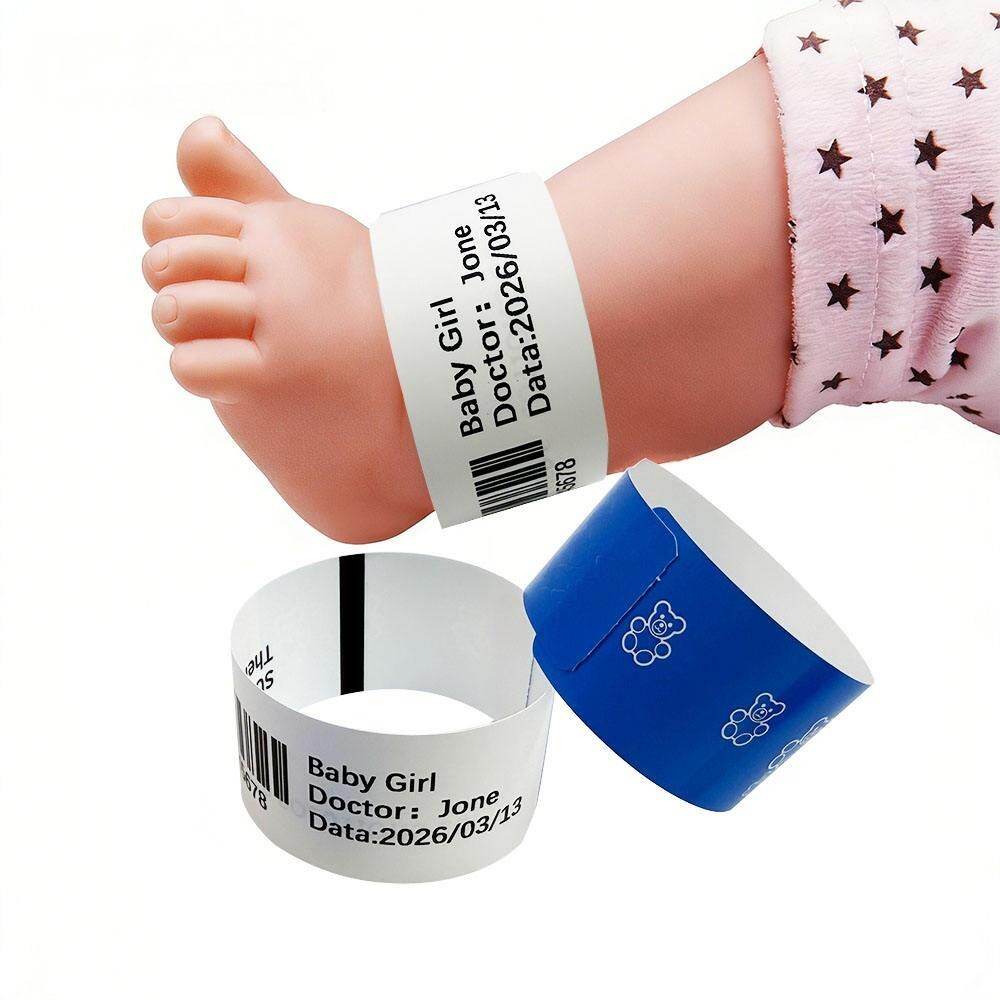
The next generation of triage wristbands will likely incorporate continuous physiological monitoring capabilities. Prototype smart wristbands already exist that measure heart rate, respiratory rate, oxygen saturation, skin temperature, and even electrodermal activity in real time. When integrated with early warning score algorithms, these devices can detect deterioration before it becomes clinically apparent, triggering automated alerts to the triage nurse and suggesting wristband escalation before human observation would catch the change.
The challenge lies in balancing sensitivity with specificity. Over-alerting leads to alarm fatigue, which recreates the same complacency problem that static wristbands create. Successful implementation will require intelligent algorithms tuned to the ED population, seamless integration with existing triage workflows, and robust validation studies demonstrating improved outcomes rather than merely increased data volume.
Integration with ED Workflow
Smart wristbands will achieve their full potential only when deeply integrated into ED operational workflows. Imagine a system where a waiting room patient's smart wristband detects rising heart rate and falling oxygen saturation, automatically updates the patient's early warning score in the EHR, sends a prioritized alert to the triage nurse's mobile device, pre-populates a reassessment documentation template, and suggests appropriate escalation actions based on institutional protocols. The nurse confirms the escalation, the wristband display changes color electronically, and downstream departments receive automated priority notifications.
The Chinese Expert Consensus on Emergency Information System Construction outlines the architectural requirements for such integration: "Emergency department information systems shall support real-time bidirectional data exchange with prehospital emergency platforms, wearable monitoring devices, and ancillary department systems to enable closed-loop patient tracking from first medical contact through disposition." This consensus document provides the regulatory foundation for connecting wristband signals to the broader digital ecosystem of the modern ED.
This vision is technologically feasible today. The barriers are organizational: interoperability standards, procurement cycles, staff training, and the inevitable resistance to changing established workflows. Hospitals that invest in bridging these barriers will transform the triage wristband from a passive identifier into an active participant in patient safety, closing the gap between initial assessment and ongoing surveillance that currently allows hidden criticality to thrive.
Conclusion: The Wristband as the Keystone of Emergency Safety
As a senior triage nurse at Tianjin First Central Hospital observed: "The wristband is the last thing we put on the patient and the first thing we check when something feels wrong. It is not just plastic and ink — it is our promise that we will keep watching." This sentiment captures the essence of what makes the triage wristband effective: it externalizes the commitment to vigilance in a form that every member of the care team can see, touch, and act upon.
The Chinese Expert Consensus on Emergency Information System Construction reinforces this principle at the systemic level, recommending that every emergency department implement standardized patient identification and triage signaling as foundational infrastructure for quality improvement, adverse event reporting, and inter-hospital benchmarking. The wristband is no longer merely a clinical tool; it is a data-generating artifact that feeds the learning health system and drives continuous refinement of triage accuracy.
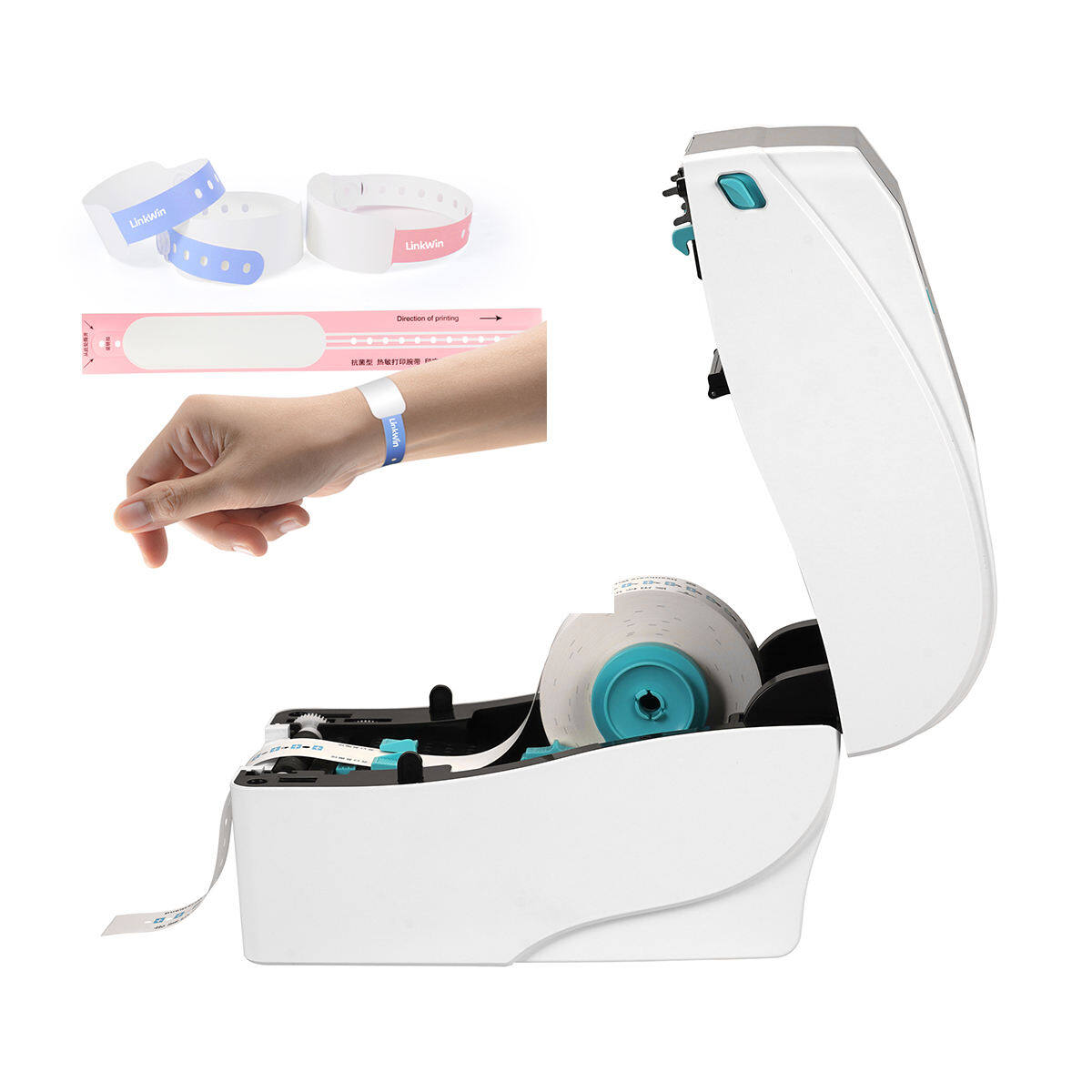
The emergency triage wristband is deceptively simple. A strip of colored material, printed with patient information and secured around a wrist, it carries no inherent intelligence and performs no autonomous function. Yet within the complex adaptive system of an emergency department, this simple artifact serves as the keystone of a safety architecture that prevents the most vulnerable patients from disappearing into the cracks of an overwhelmed system.
Hidden criticality will never be eliminated entirely. Human physiology is too variable, disease presentations too protean, and ED environments too chaotic for any single intervention to guarantee perfect detection. But the combination of accurate initial triage, disciplined dynamic reassessment, physical wristband escalation, and system-wide priority signaling creates layers of defense that dramatically reduce the probability of missing a deteriorating patient.
The three minutes that decide life and death are not always the dramatic moments of resuscitation. Often, they are the quiet minutes of reassessment — the nurse who notices a subtle change, the decision to swap a green band for a yellow one, the phone call to radiology requesting priority imaging. These moments, multiplied across thousands of patient encounters, define the safety culture of an emergency department. The wristband does not make these moments happen, but it makes them visible, communicable, and actionable.
This article is intended for informational and educational purposes only. Healthcare organizations should consult with emergency medicine and patient safety experts for guidance on implementing triage wristband systems.
Continue Reading
Have Questions About Wristbands?
Our team is ready to help you find the perfect wristband solution for your needs. Contact us directly on WhatsApp for quick responses.
Contact on WhatsApp