
Why Do Patient Wristbands Suffer from Poor Print Quality and Fading Upon Alcohol Testing?
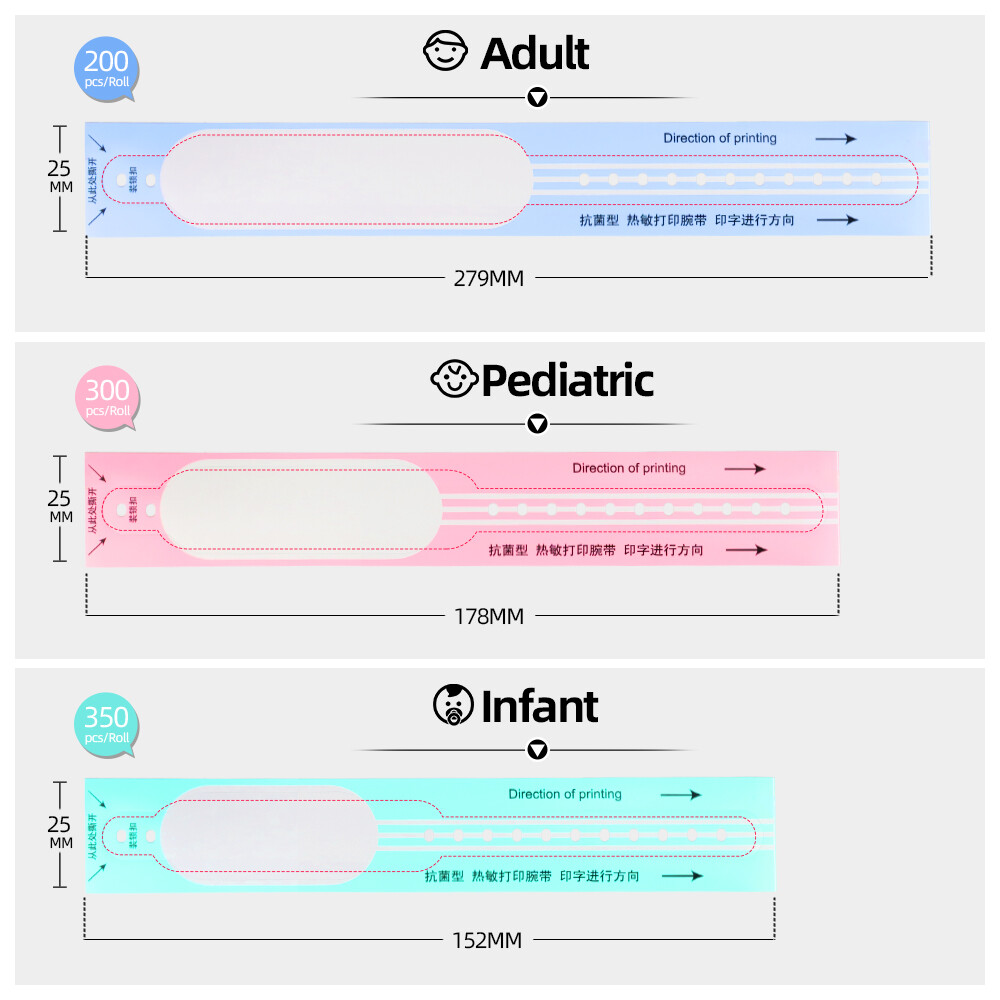
Observed Phenomena: Unclear Printing and Alcohol-Induced Smudging
In hospital settings, the patient wristband serves as the last line of defense for patient identification. However, a common complaint among frontline nursing staff is that printed patient information often appears blurred, barcodes become unscannable, or the print fades rapidly upon contact with 70% isopropyl alcohol swabs.
Two common yet critical failure modes are frequently reported:
- Poor Print Quality (Poor Print Density & Scannability): Printed text shows broken strokes, rough edges, or overall low optical density. Barcodes or QR codes display black block fusion or white line fragmentation (known as voiding), rendering them unreadable by barcode scanners. This directly compromises barcode readability and workflow efficiency.
- Poor Alcohol Resistance (Chemical Instability): Healthcare workers routinely disinfect hands and wristband surfaces using 75% medical alcohol. In susceptible wristbands, the toner or ribbon layer dissolves and peels off almost immediately upon contact. Patient names and medical record numbers become illegible, undermining patient identification reliability.
These two problems often co-occur, strongly indicating a fundamental mismatch among the wristband substrate, consumables, and the underlying printing technology.
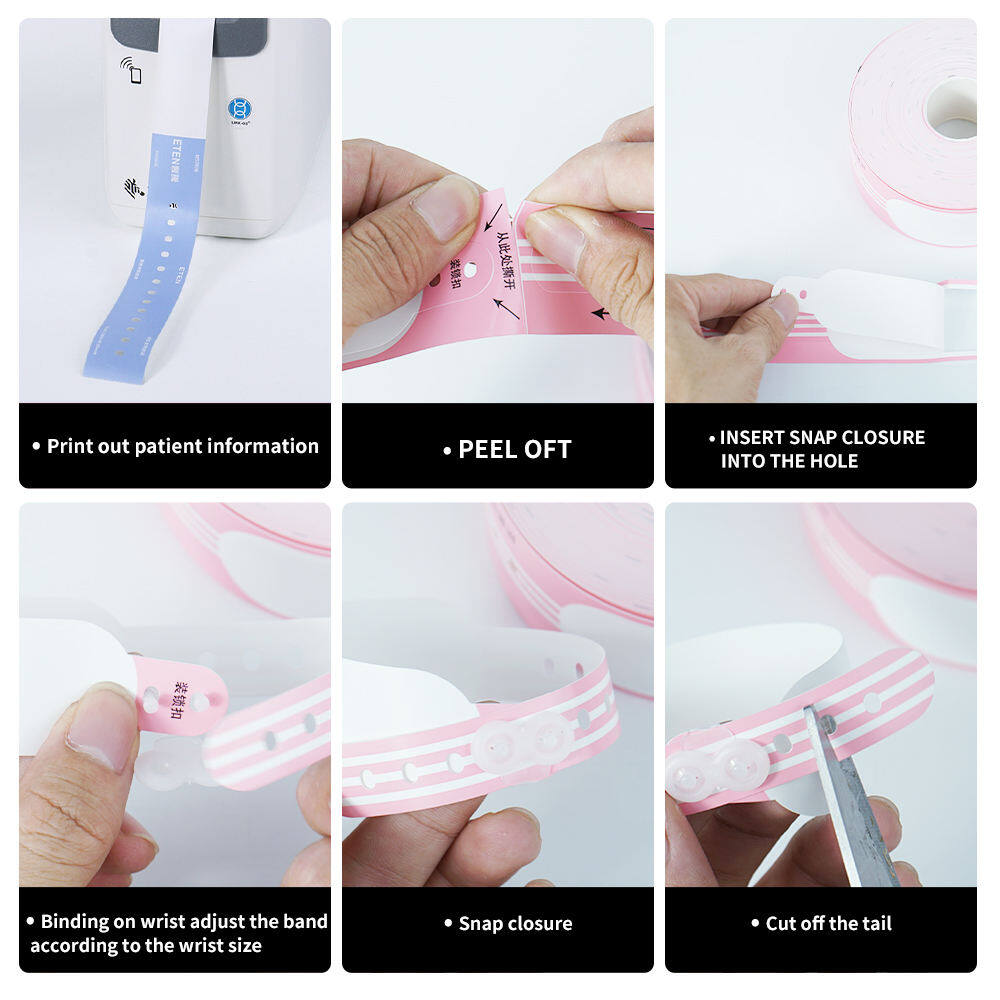
Mechanisms: Thermal Direct vs. Thermal Transfer – Identifying the Primary Cause
Two printing principles dominate the healthcare industry:
Direct Thermal Printing (Thermal Direct)
This method uses chemically coated thermal paper that darkens when heated. While the printers are simple and require no ribbons, the thermal coating is highly sensitive to alcohol, oils, sweat, UV light, and high temperatures. Alcohol acts as a strong solvent, destroying the color-forming leuco dye structure and causing rapid fading. This is the single most common reason for alcohol-induced fading in low-cost wristbands.
Thermal Transfer Printing
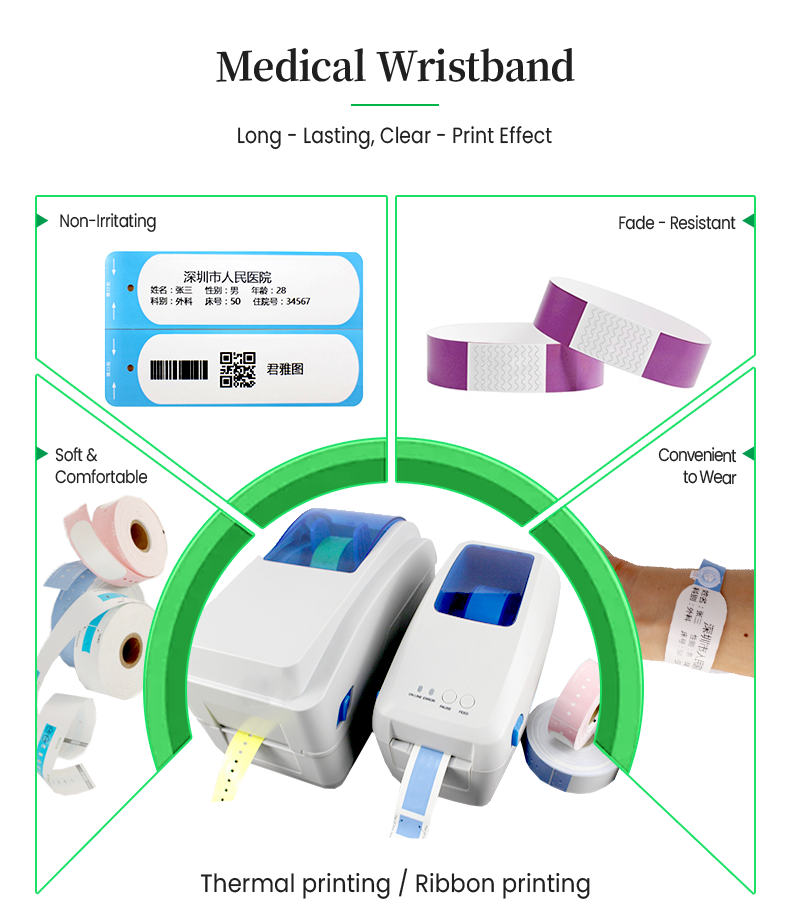
This process uses a print head to melt and transfer ink from a ribbon (wax, wax/resin, or pure resin) onto the wristband surface. In theory, thermal transfer offers superior scratch and solvent resistance—but only if the ribbon chemistry is correctly matched to the wristband material.
Many hospitals, driven by cost or convenience, simply use direct thermal wristbands with direct thermal printers. These are inherently vulnerable to alcohol. When alcohol dissolves the thermal layer, the print vanishes—exactly the failure pattern seen in clinical practice.
Poor print quality, on the other hand, points to deeper compatibility issues.
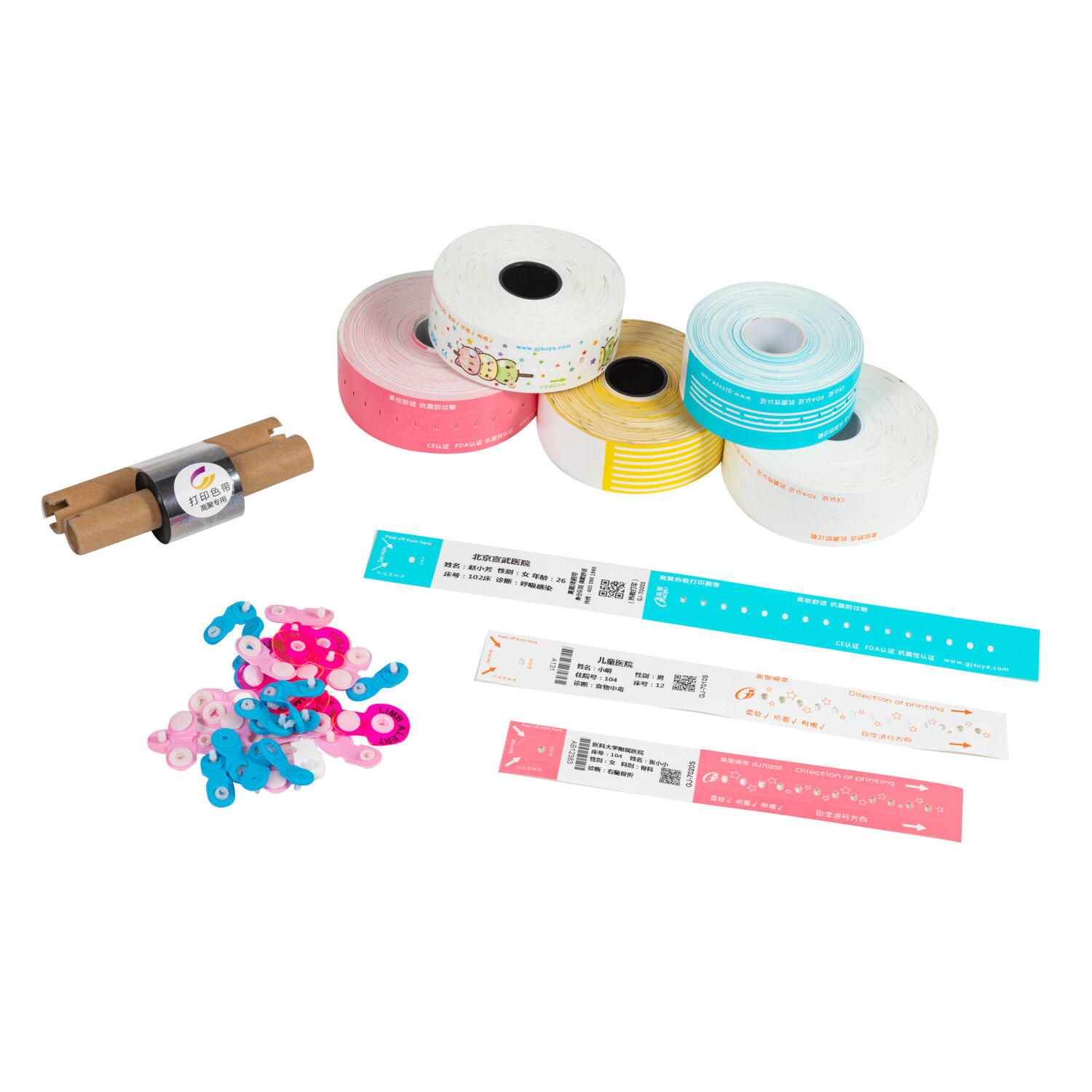
Root Cause Analysis: Why Is Print Quality Poor and Adhesion Weak?
3.1 Incompatibility Between Wristband Substrate and Printing Technology
Common patient wristband materials include synthetic paper (polypropylene/polyethylene composites), PET (polyester), and PVC-coated paper.
Thermal transfer printing requires specialized resin ribbons to achieve durable adhesion on such low-surface-energy, smooth synthetic materials. If wax ribbons or direct thermal paper are mistakenly used, the ink layer remains poorly bonded, sitting on the surface rather than fusing into the substrate. Such prints wipe off easily with alcohol or even simple friction.
Low-cost wristbands often have extremely low surface energy (similar to plastic sheets), making proper ink wetting impossible without resin-based ribbons.
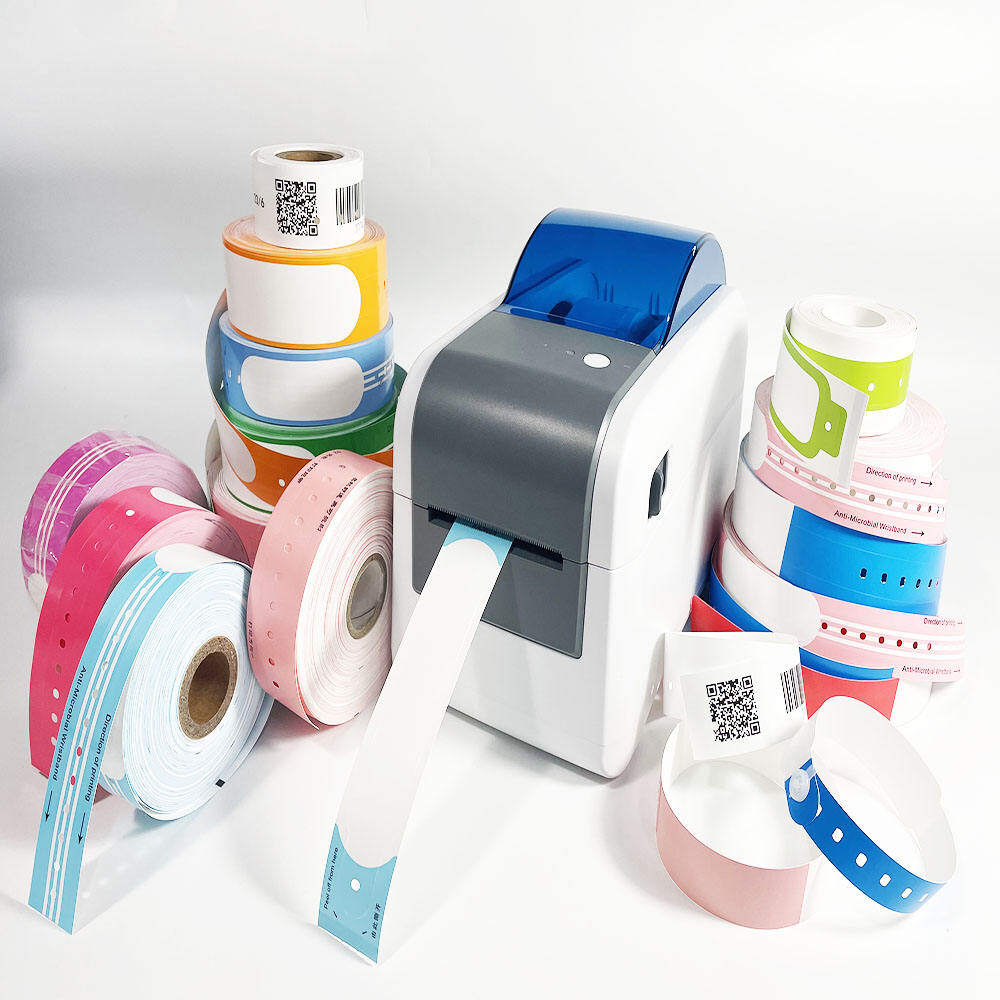
3.2 Improper Printer Parameter Settings
Key settings—print darkness (temperature) and print speed—directly influence transfer quality.
- Temperature too low → Toner does not fully melt → weak adhesion and low optical density.
- Speed too high → Insufficient contact time between ribbon and wristband → low transfer efficiency, producing white lines or missing dots (simulating dead printhead pixels).
- Uneven printhead pressure → One side of the print is sharp while the other is faint.
Clinical nurses often lack the permission or technical knowledge to adjust these parameters. When default settings do not match a specific wristband batch, print quality degrades immediately.
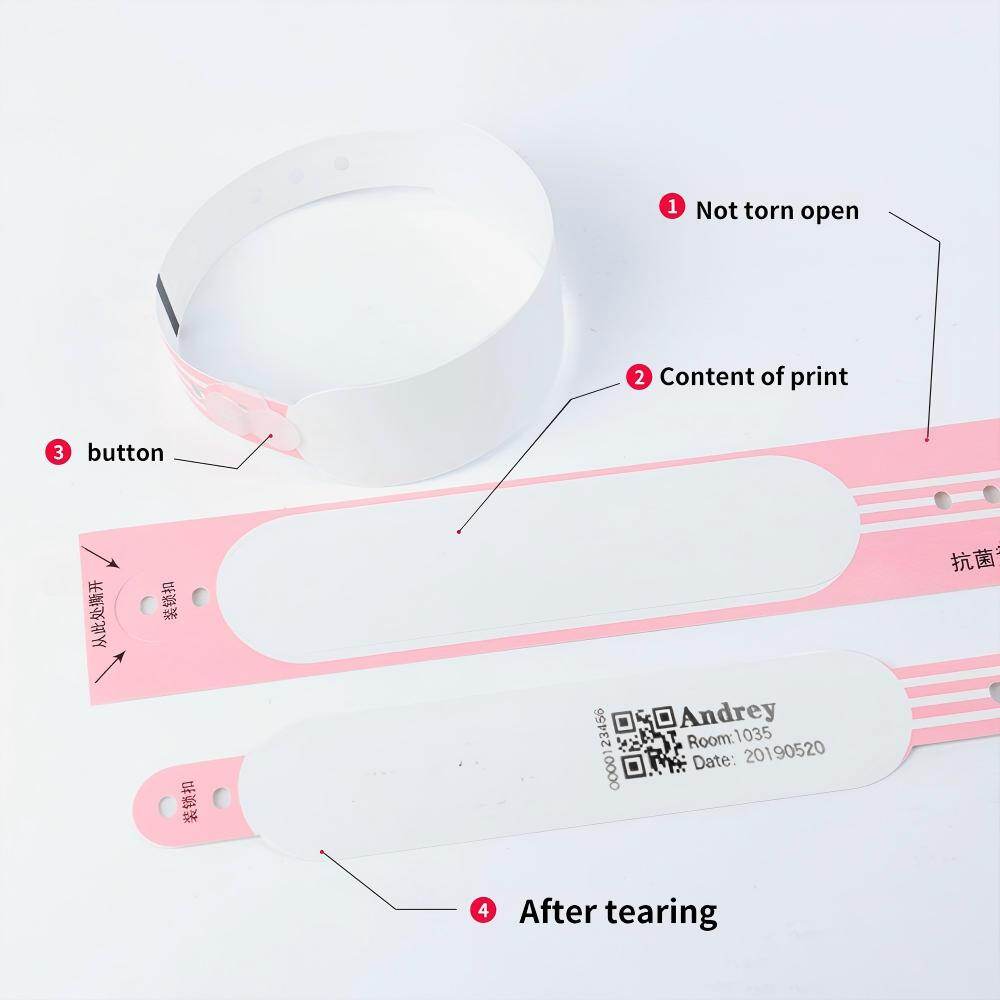
3.3 Surface Contamination or Aging of Wristbands
Contamination: If wristbands are stored with static-attracted dust, or if staff touch the print area with bare fingers before printing (transferring skin oils), the ink or toner cannot adhere uniformly.
Aging: Direct thermal wristbands stored in high-temperature or humid environments degrade prematurely, resulting in low contrast and mottled printing.
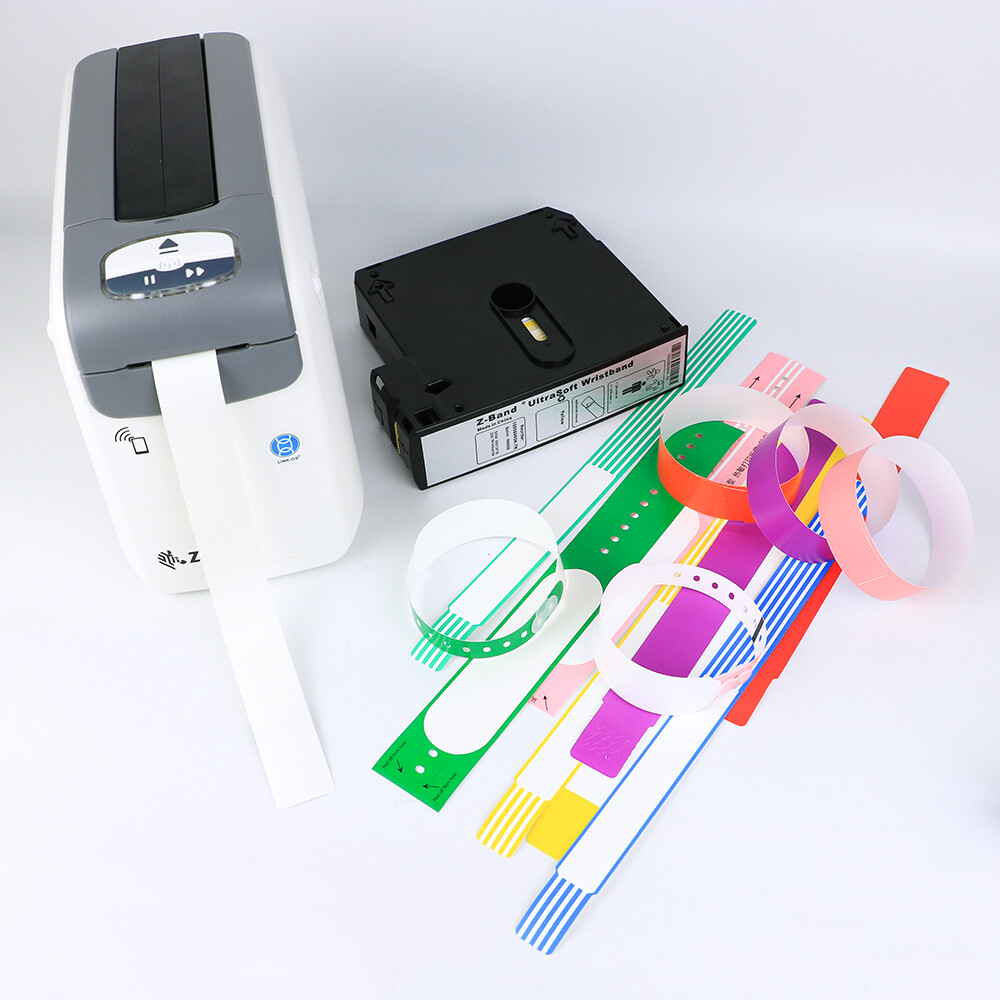
3.4 Wrong Ribbon-Wristband Pairing (The "Black and White Mismatch")
For thermal transfer wristbands, ribbon type is critical:
- Wax ribbon → Suitable only for uncoated paper. Poor scratch resistance; dissolves immediately upon alcohol contact.
- Wax/resin (mixed) ribbon → Moderate solvent resistance, but still insufficient for repeated alcohol disinfection.
- Resin ribbon → Excellent resistance to alcohol, abrasion, and high temperatures. This is the correct choice for medical patient wristbands.
In practice, many suppliers offer low-cost wax or low-grade mixed ribbons to win bids. The print may look acceptable initially but fails catastrophically under alcohol testing.

Rapid Verification: How to Distinguish Wristband vs. Printer Problems?
Three quick bedside tests can identify the root cause:
- Nail Scratch Test: Immediately after printing, scratch the printed area firmly with a fingernail. If it scratches off easily → poor adhesion (likely wrong ribbon type or insufficient print temperature).
- Alcohol Swab Test: Wipe the printed area five times with a 75% isopropyl alcohol swab. If the print smudges or disappears → poor alcohol resistance (direct thermal paper or wax ribbon).
- Barcode Readability Over Time: Scan the barcode immediately after printing, then again after the wristband has been worn for 2 hours. If the second scan fails → either the wristband material has deformed due to sweat/skin temperature, or the initial print contrast was marginal.
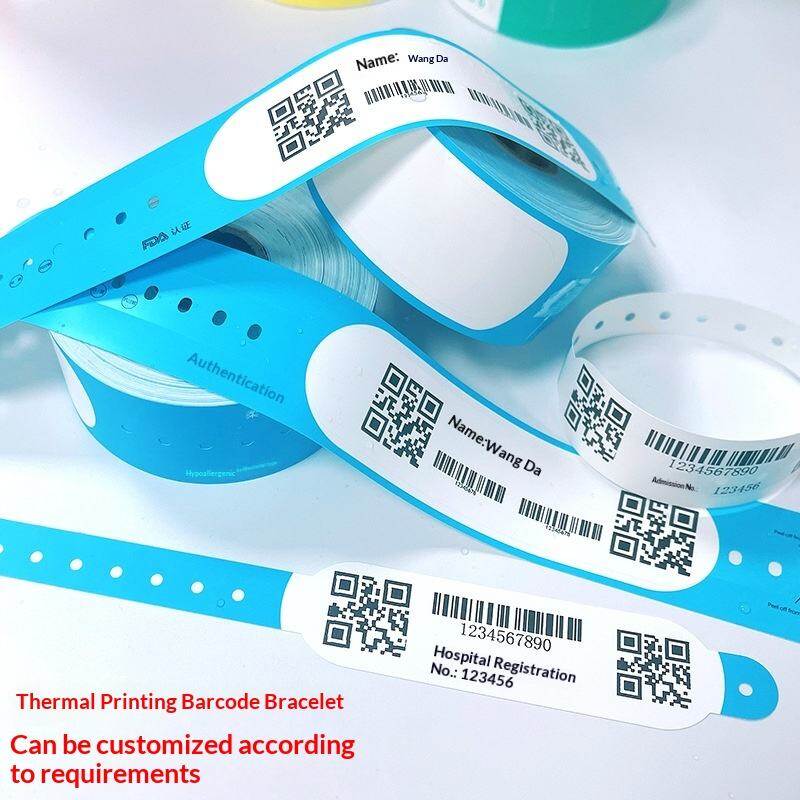
Comprehensive Countermeasures: How to Achieve Durable, Alcohol-Resistant Patient Wristbands
For Hospital Procurement & Supply Chain Managers
- Specify and purchase "alcohol-resistant thermal transfer wristbands + compatible resin ribbons" as a matched system. Do not source wristbands and ribbons separately through different vendors.
- Reject "universal" wristbands that lack certified performance. Require alcohol resistance test reports and recommended printer parameter sheets from suppliers.
- Restrict direct thermal wristbands to very short-term use (e.g., intraoperative periods <4 hours). Do not use them for patients with hospital stays longer than one day.
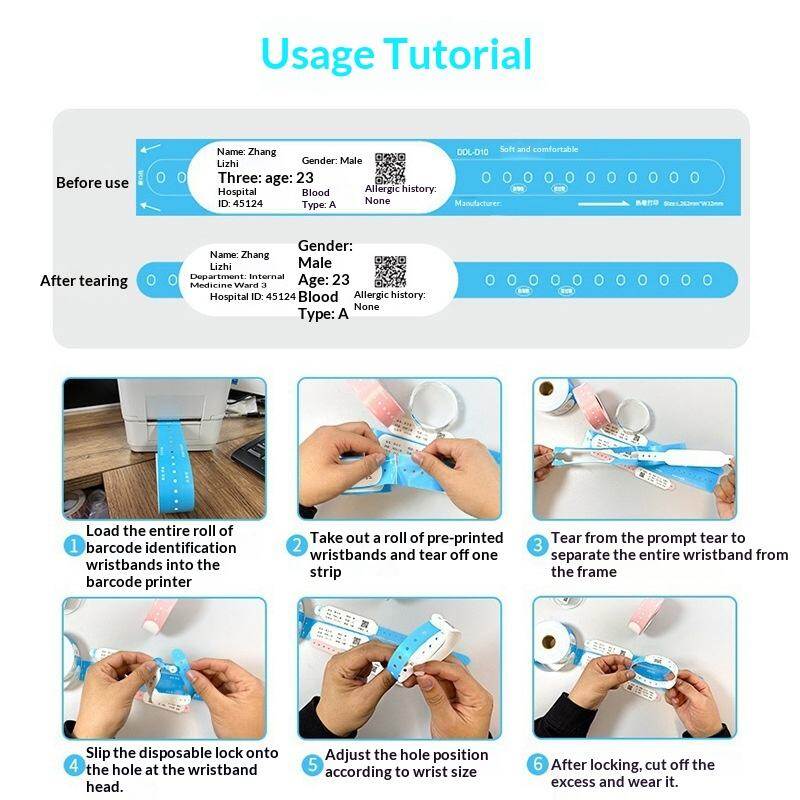
For IT & Clinical Engineering Departments
- For each approved wristband model, establish a fixed, validated printer driver configuration (temperature, speed, density). Lock or standardize these settings to prevent unauthorized changes by nursing staff.
- Implement regular printhead cleaning schedules and inspect for damaged printhead elements (which cause white line voids).
For Clinical Nursing Staff
- Before printing, avoid touching the designated print area of the wristband.
- Do not clean wristbands with alcohol wipes. If surface cleaning is necessary, use mild soap and water.
- If a specific batch of wristbands consistently shows poor print quality, immediately suspend use and notify procurement for batch replacement and investigation.
Conclusion: The Small Wristband as a Mirror of Systemic Integration Gaps
Poor print quality and alcohol-induced fading of patient wristbands are never caused by a single factor. Instead, they reflect systemic disconnects across four domains: consumable selection, understanding of printing technologies, adaptation to the clinical use environment, and operator procedures.
The fundamental solution remains straightforward:
- Discontinue the use of direct thermal wristbands for multi-day inpatient stays.
- Adopt resin-based thermal transfer printing.
- Strictly follow vendor-provided printer parameters.
- Mandate "no fading after 5 alcohol wipes" as a non-negotiable acceptance criterion.
A wristband that does not fade, and a barcode that consistently scans, are not merely matters of efficiency. They are essential, physical guarantees of patient safety and reliable patient identification in modern healthcare.
Keywords Relevant to Your Search About Patient ID Wristband Print Quality
Patient wristband, medical wristband, thermal transfer printing, direct thermal printing, resin ribbon, wax ribbon, alcohol resistant wristband, barcode scanning accuracy, print adhesion, printer settings, printhead temperature, print speed, surface contamination, wristband material, PET wristband, vinyl wristband, synthetic paper, nail scratch test, alcohol swab test, barcode readability, hospital procurement, clinical engineering, nursing protocol, patient identification, patient safety, JCI standard, HIPAA compliance, medical device quality, healthcare supply chain, wristband durability, chemical resistance, print longevity, thermal print compatibility, medical grade materials.
Continue Reading
Have Questions About Wristbands?
Our team is ready to help you find the perfect wristband solution for your needs. Contact us directly on WhatsApp for quick responses.
Contact on WhatsApp