
When the Wristband Becomes a Digital Token: From Passive Identifier to Active Workflow Trigger
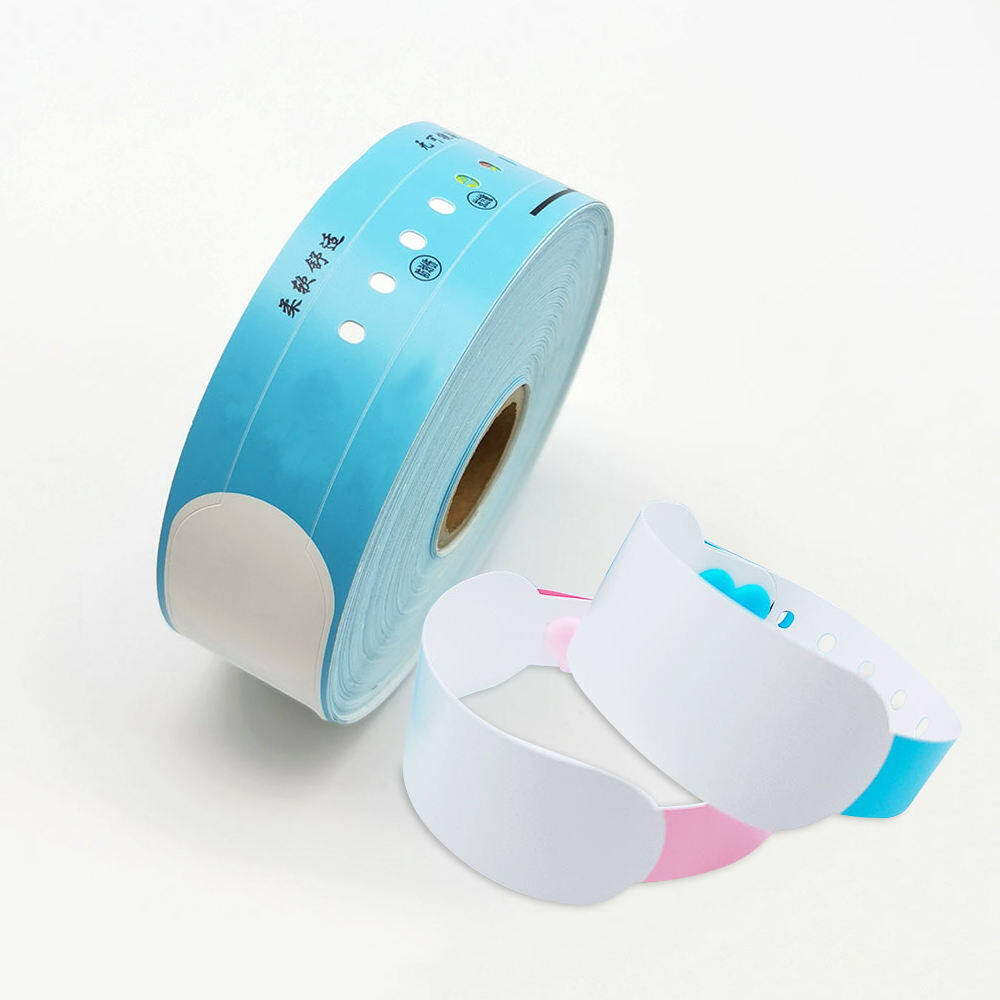
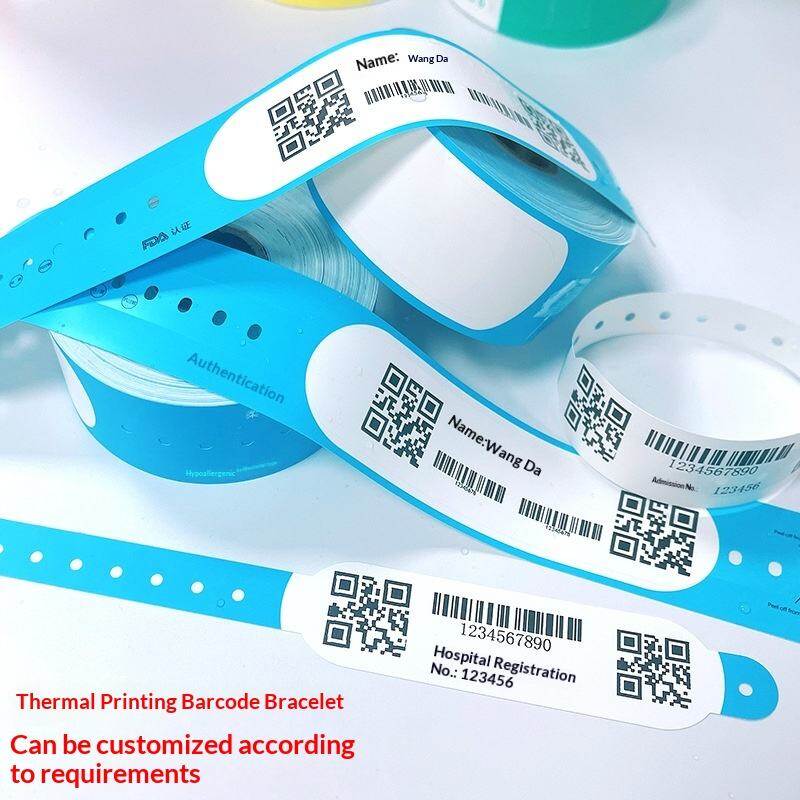
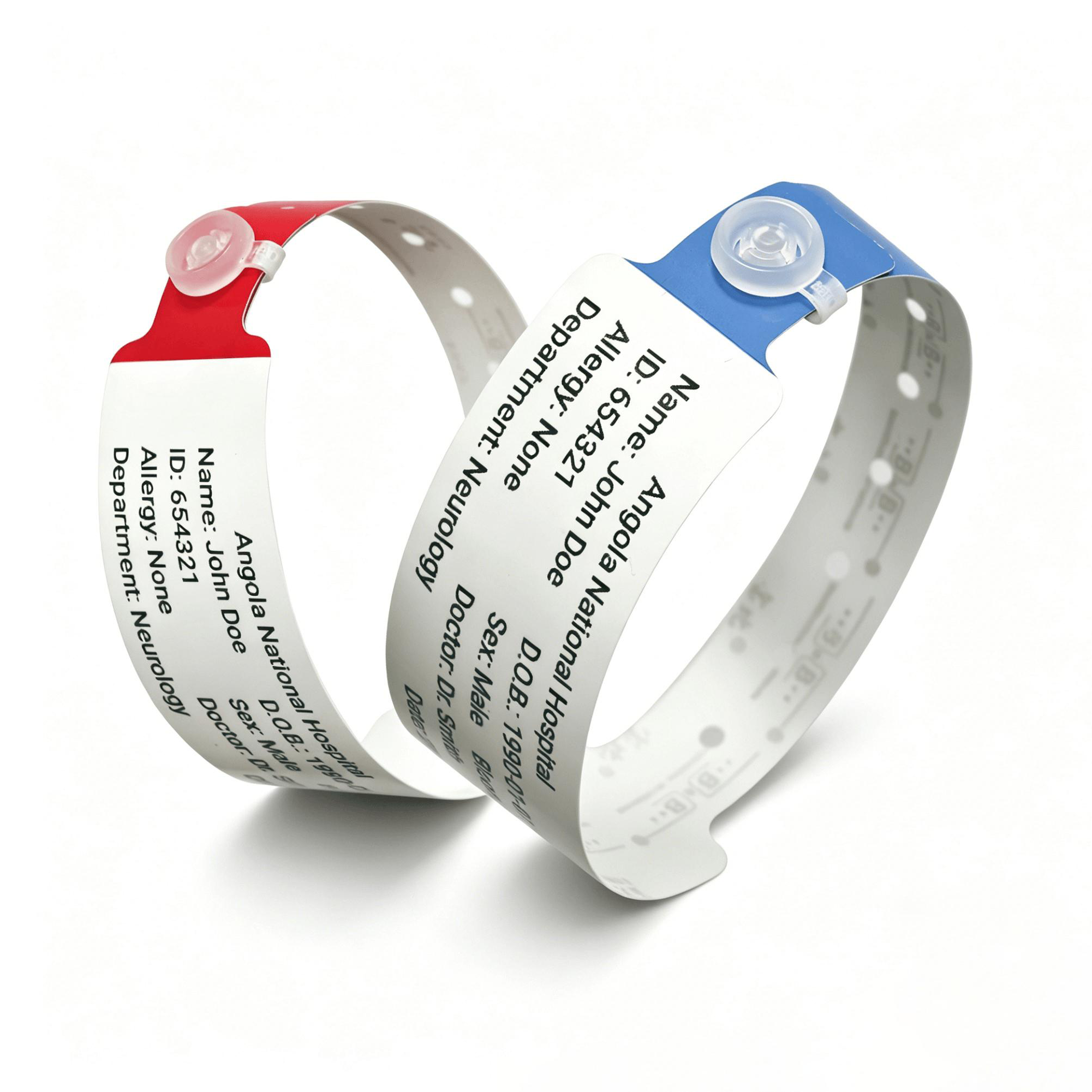
Most hospitals still treat the patient wristband as a label. It carries a name, a date of birth, a medical record number, and a barcode. A nurse scans it before medication administration. A phlebotomist checks it before drawing blood. The scan confirms identity. The confirmation is logged. The workflow moves on.
This is a passive role. The wristband is checked, but it does not check anything. It is read, but it does not initiate. It confirms, but it does not control.
That model is changing. Across a small but growing number of healthcare systems, the wristband is being reengineered as something closer to a digital token—a unique, machine-readable credential that does not merely answer the question “who is this patient?” but actively triggers downstream actions, unlocks physical resources, enforces compliance rules, and closes workflow loops that currently depend on human diligence. The shift is technical, but its implications are operational and cultural. A wristband that triggers actions is a wristband that changes what nurses do, what pharmacists control, and what administrators can measure.
The Technical Foundation: Why RFID and NFC Changed the Calculus
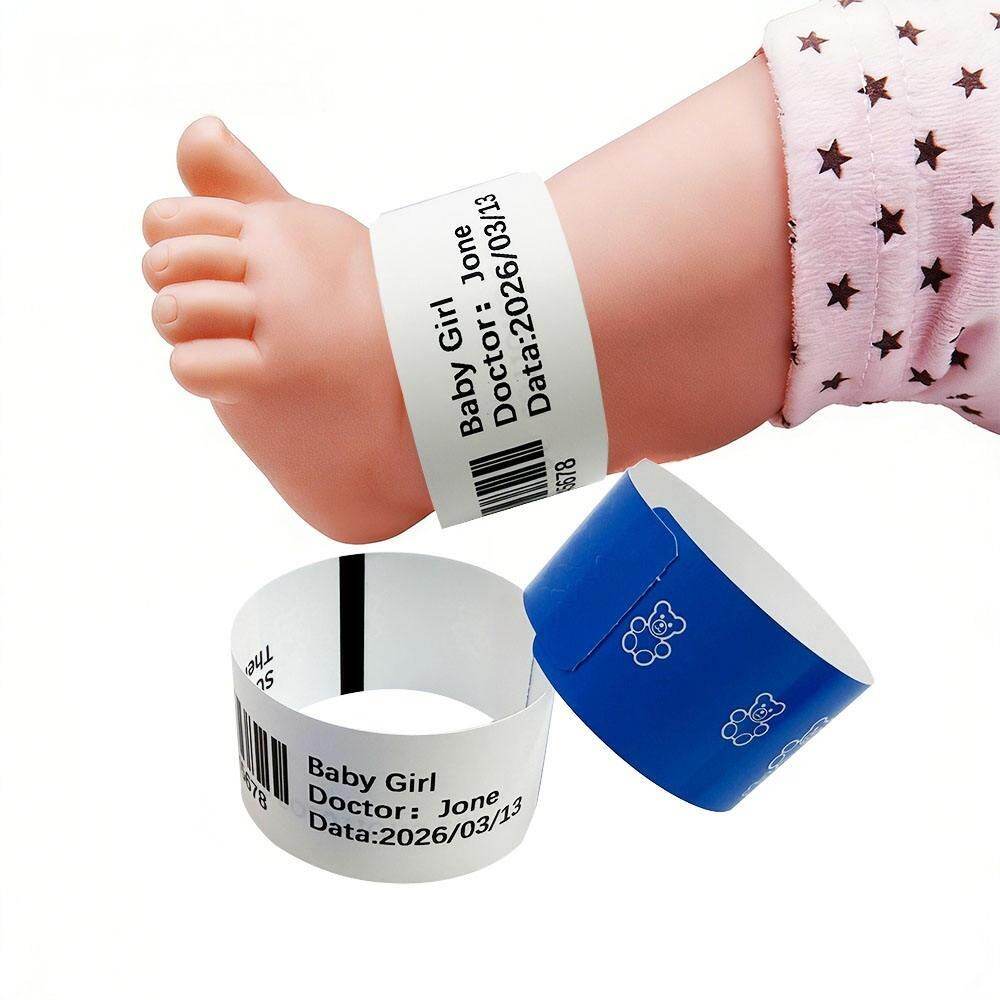
The passive wristband relies on barcodes. Barcodes work. They are cheap, ubiquitous, and well understood. But they have a physical limitation that becomes decisive when the wristband is asked to do more than confirm identity: a barcode must be seen to be read.
At the bedside, seeing is not always easy. A wristband may be twisted under a sleeve, smeared with hand sanitizer, curled at the edge, or printed on a substrate that has absorbed moisture and warped. A study of bedside medication safety systems noted that reading a warped-shape barcode on a patient wristband, or one that is not at the expected location, is “quite complicated at a bedside”. The same research team turned to RFID specifically because of its “contactless” and “hidden-target-readable” properties—the tag can be read without line of sight, through fabric, without the nurse repositioning the patient’s arm or peeling back a blanket.
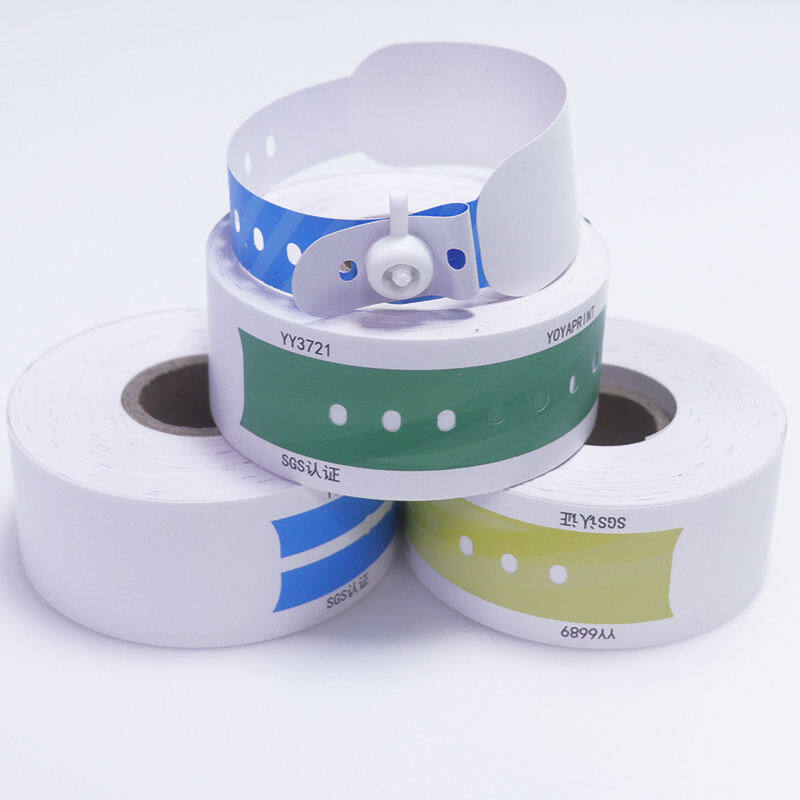
This technical shift is what makes the wristband-as-trigger feasible. A barcode requires deliberate action: position the scanner, find the code, get a good read. An RFID or NFC wristband can be read as a byproduct of proximity. That changes the design space. If the wristband can be read passively, without the nurse breaking stride, then the wristband can be integrated into workflows that currently have no identification step at all—or where the identification step is routinely skipped because it is too cumbersome.
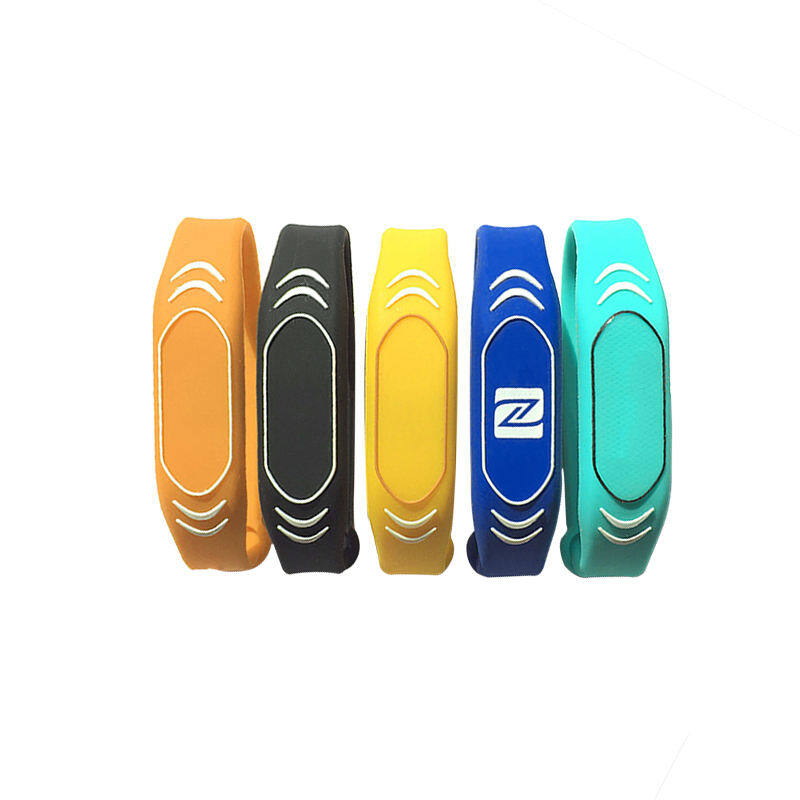
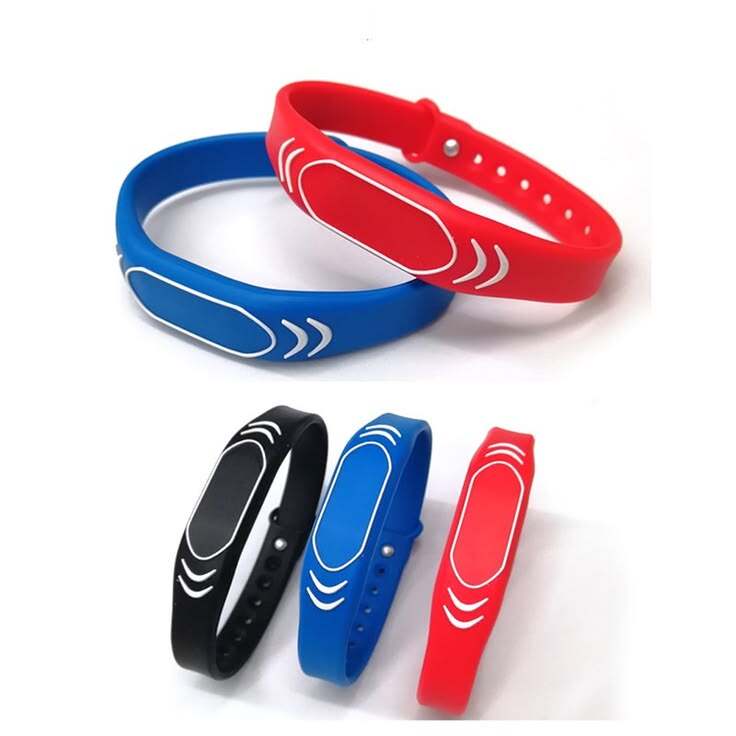
The security architecture literature has begun to address what this means for data flow. Research on NFC and RFID sensors in healthcare has examined how wristband data can serve as the entry point for medical data collection, with the tag-reader link secured against eavesdropping and the data shared with physicians through encrypted cloud architectures. The wristband, in this model, is not a database. It is a key. The identifier on the band unlocks access to data held elsewhere, and the access itself is logged, controlled, and auditable.
The Medication Cabinet That Knows Who Is Standing in Front of It
The most concrete example of the wristband-as-trigger comes from a patent filing for a secure medical cabinet designed for patient self-administration of medications.
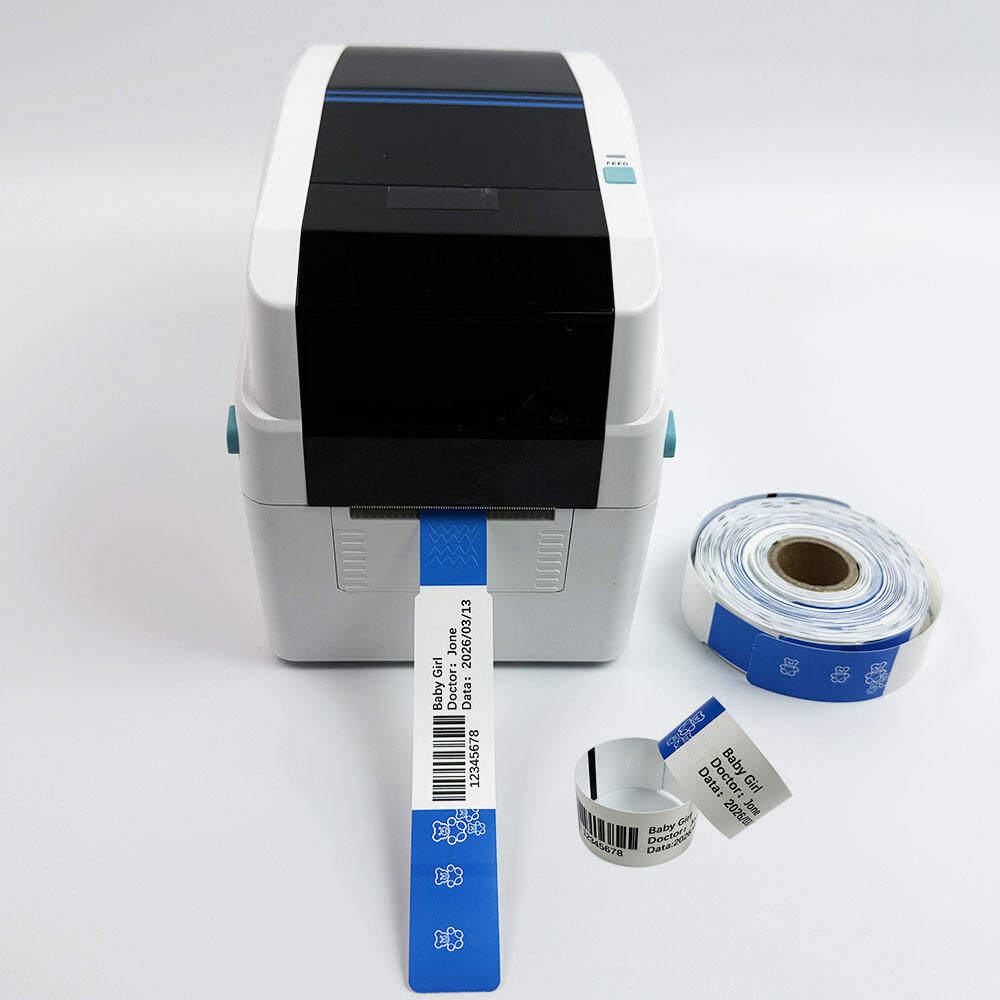
The problem the patent addresses is specific. Hospitals increasingly allow certain patients—those assessed as capable—to keep and administer their own drugs (PODs) while inpatient. But compliance is difficult to monitor. A nurse can supervise, but supervision consumes staff time and does not necessarily predict whether the patient will manage their medications correctly after discharge. The patent describes a system in which the patient’s wristband carries an electronically readable unique code. The cabinet is linked to a computer containing the patient’s medication schedule. At defined times, the computer sends a reminder. The patient presents their wristband to a scanner on the cabinet. The scanner reads the code, confirms it matches the patient assigned to that compartment, and releases the lock on the door containing that patient’s medications.
The implications extend beyond convenience. Because the wristband code is unique, other patients cannot access the compartment. Because every reminder and every access event is logged, the system generates a record of compliance that can inform discharge decisions. The wristband is no longer a passive label checked by a nurse. It is an active credential that the patient uses to unlock their own treatment.
A broader patent for an inpatient tracking and accountability system extends this logic further. The wristband described there integrates GPS, Bluetooth Low Energy, an RFID identification module, and an electromagnetic lock control module. The lock is engaged when the patient is admitted and released when the patient is discharged and fees are settled. The wristband communicates with a backend server that maintains an electronic fence, triggering alarms if the patient leaves a designated area. Whether or not this particular system is deployed in practice, it illustrates the trajectory: the wristband becomes the physical anchor for access control, location awareness, and administrative workflow, all mediated through the same identifier that once served only to confirm a name.
What the Evidence Says About Workflow Impact
The case for the wristband-as-trigger is not purely theoretical. Hospital implementations of RFID-enabled systems have produced measurable results, though the evidence base is smaller and older than the current wave of interest might suggest.
A case study of an RFID-enabled hospital information system at a hospital in Hong Kong reported that after a three-month pilot, the accuracy of procedures improved by at least 80%, and the time spent by nurses on handling manual records and paperwork decreased by 87%. The same study found that patient identification accuracy improved by 13.2% and that medical error and malpractice rates were reduced by 5.7%. These figures should be read with caution—the study is more than a decade old, and the hospital context is specific—but they point to a consistent finding: when the wristband becomes part of an automated data flow rather than a manual check, the administrative burden on nursing staff drops, and the accuracy of the underlying data improves.
A more recent framework for bedside electronic transfusion systems, published in 2025, reinforces the point from a safety perspective. The authors note that barcode matching of patient wristbands and blood units is now recommended as best practice for ensuring the right blood reaches the right patient, and they provide a checklist for implementation that addresses planning, stakeholder coordination, device integration, and compliance with national standards. The wristband, in this context, is already a trigger: the scan initiates a verification sequence that either permits or blocks the transfusion. The next step—extending that logic to medications, specimens, procedures, and access control—is a matter of integration rather than invention.
The Uncomfortable Question: What Happens When the Trigger Fails?
The wristband-as-trigger model introduces a new class of failure that the passive model did not have to confront. If the wristband is merely a label, a failed scan means a nurse falls back to manual verification. If the wristband is a trigger, a failed read means a cabinet does not open, a workflow stalls, and a patient waits while someone troubleshoots the technology.
The Hong Kong case study identified this tension explicitly. The limitations section lists electromagnetic interference from other wireless devices as a constraint, noting that it could potentially cause malfunction of medical equipment and fatal errors. It also notes that opaque materials—metal, liquid, sodium, graphite—can reduce the read range of RFID tags, and that much medical equipment contains metallic materials or fluids that affect performance. Perhaps most significantly, the study flags change management as a greater challenge than the technology itself: “Resistance from medical staff, especially physicians, would be a major inhibitor for a hospital to make changes”.
This is the central operational risk. A trigger that works reliably is a tool. A trigger that works intermittently is a source of friction that encourages the very workarounds it was designed to eliminate. If a nurse learns that the medication cabinet sometimes fails to read the wristband on the first try, and that the workaround is to override the lock manually, then the security benefit of the wristband-triggered cabinet evaporates. The system has not eliminated the workaround. It has added a step before the workaround.
The Design Principle: The Wristband Should Hold the Key, Not the Data
One of the most important architectural decisions in the wristband-as-trigger model concerns what the wristband actually carries.
A 2017 paper describing an NFC wristband system for patient identification makes the principle explicit. The wristband “will not be used to store any sensitive patient data.” The only data stored on the band is an identifier assigned by the server, generated through a process that combines the physical identifier of the wristband with the patient record number. The identifier is written securely. When a clinician brings a mobile device close to the wristband, the device reads the identifier and uses it to access the patient record from the server, subject to permissions managed by the intermediate server and keys managed by a separate private key generator.
This is the correct architecture for a trigger. The wristband is a capability token, not a portable medical record. It proves that the person wearing it has been assigned a particular identity, and it unlocks access to data held elsewhere. If the wristband is lost, the token can be revoked. If the wristband is cloned—a theoretical risk with any wireless technology—the clone still requires authentication against the server. The data remains under institutional control.
The alternative architecture—storing patient name, allergies, and medication history on the band itself—creates a different set of problems. It makes the wristband a privacy liability if lost. It makes updates difficult when clinical information changes. And it conflates the credential with the data it unlocks, which is exactly the conflation that security architecture should avoid.
What This Means for the People Who Wear the Band
The shift from passive identifier to active trigger changes the patient’s relationship with the wristband as well.
In the passive model, the wristband is something done to the patient. It is applied, checked, and removed. The patient may be aware of it, may be annoyed by it, may remove it if it becomes uncomfortable. But its function is entirely mediated by staff.
In the trigger model, the wristband becomes something the patient uses. The medication cabinet patent describes a patient presenting their wristband to a scanner to access their own drugs. The tracking system patent describes the wristband controlling a lock that is released only when the patient’s bill is settled. These are small changes in isolation, but together they reposition the wristband as an interface between the patient and the hospital’s systems, not merely a tag that staff read.
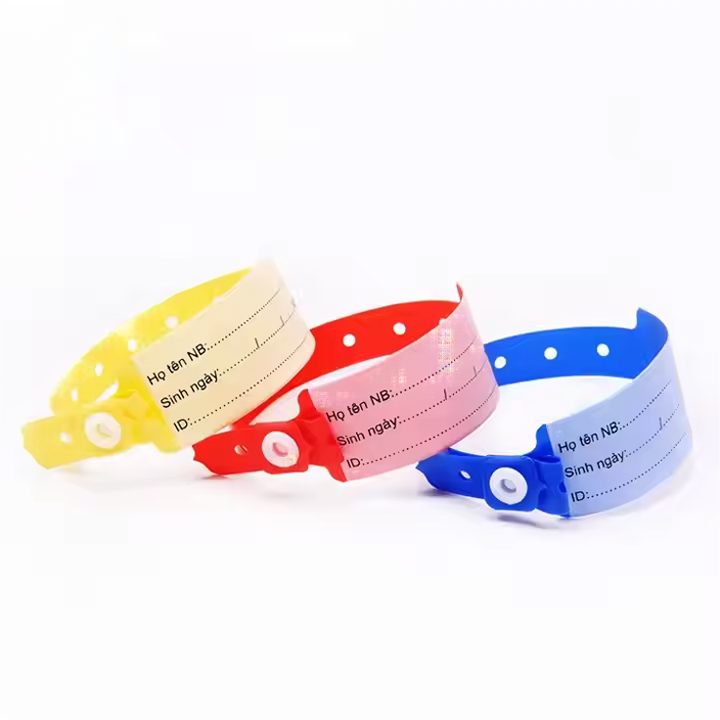
That repositioning carries a responsibility. A wristband that unlocks a patient’s own medication compartment must be reliable, comfortable enough that the patient does not remove it, and legible enough that the patient understands what it is for—whether it is a standard adult band, one of the extended-length wristbands ordered as bariatric patient wristbands, or one of the ankle bands applied when wrist access is unavailable. A wristband that triggers an alarm if the patient leaves a designated area raises questions about consent and autonomy that the passive model never had to answer. The technical capacity to make the wristband do more does not automatically resolve the ethical and operational questions that capacity creates.
The Trigger Is Only as Good as the Workflow It Replaces
The wristband-as-digital-token is not a product category. It is a design philosophy. It asks a simple question: if the wristband is already on the patient, already unique, already the anchor for identity verification, why should it not also trigger the actions that depend on that identity?
The answer, in most hospitals, is that the infrastructure to support those triggers has not been built. The medication cabinet cannot read the wristband because it was not designed to. The locker system does not recognize the wristband because it was installed before anyone thought to integrate it. The admission workflow does not program the wristband as an access credential because the person applying the band has no reason to think of it that way.
These are solvable problems. The evidence from RFID implementations, limited as it is, suggests that when the integration is done, the results are measurable: faster authentication, fewer manual steps, lower error rates, higher satisfaction—the same metrics CAP Q-Probes style surveillance programs track for identification compliance. But the evidence also suggests that the technology is rarely the bottleneck. Change management is. The willingness of nurses and physicians to trust a trigger, and the willingness of administrators to invest in the integration work, determine whether the wristband becomes a token or remains a label.
The wristband itself does not care. It will carry whatever code it is given. The question is what the hospital asks it to do.
A note on terminology for readers seeking further information: This article discusses patient identification wristbands, hospital wristbands, medical ID bands, RFID wristbands, NFC wristbands, and patient ID bracelets in healthcare settings. Related terms include wristband workflow triggers, patient wristband digital tokens, active patient identification, RFID patient tracking, barcode wristbands, medication administration verification, patient identification errors, wristband scanning compliance, and healthcare workflow automation.
Continue Reading
Have Questions About Wristbands?
Our team is ready to help you find the perfect wristband solution for your needs. Contact us directly on WhatsApp for quick responses.
Contact on WhatsApp