
Wristband Material Allergy: An Underestimated Source of Nursing Complaints
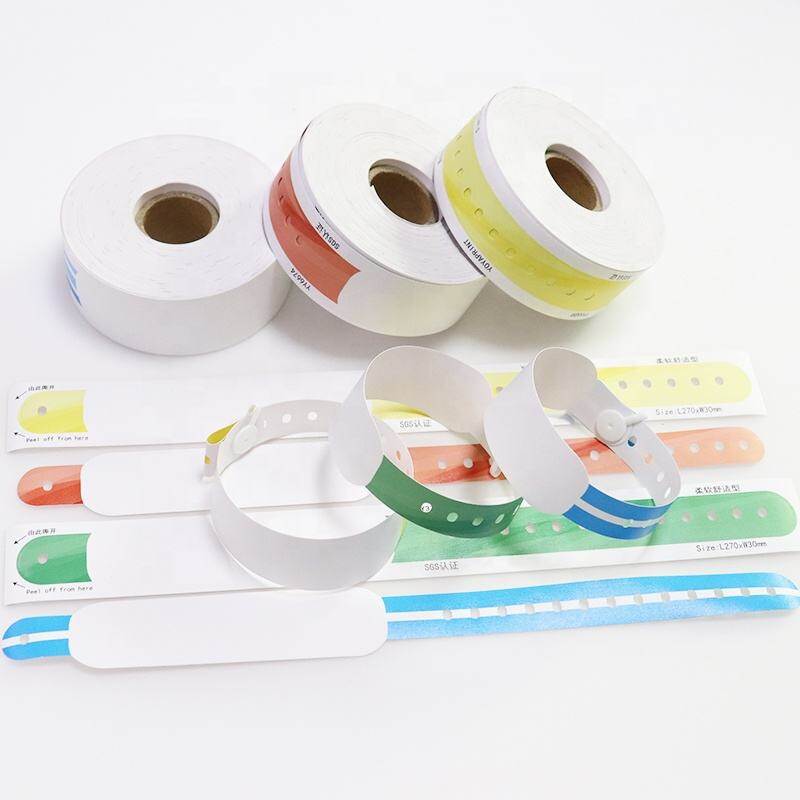
A patient complains that their wrist itches. The nurse inspects the band, sees nothing obviously wrong, and moves on. The complaint is logged as minor discomfort, a predictable consequence of wearing a plastic identification band for several days. The band stays on. The itch persists. By the time the skin beneath the band is red, swollen, and weeping, the patient has already endured days of avoidable irritation—and the band that was supposed to anchor their identity has become a source of distress that encourages them to remove it.
This sequence plays out in hospitals with a frequency that is difficult to quantify and easy to dismiss. Contact dermatitis from hospital wristbands is rarely reported as an adverse event. It does not appear on patient safety dashboards alongside medication errors and wrong-site procedures. Yet it is a real, documented, and immunologically confirmed phenomenon, with case reports identifying specific acrylate allergens in wristband adhesives and plastics as the culprits. For nursing staff, these reactions generate complaints that are frustrating precisely because they seem trivial to the system and deeply uncomfortable to the patient.
What the Dermatology Literature Actually Shows
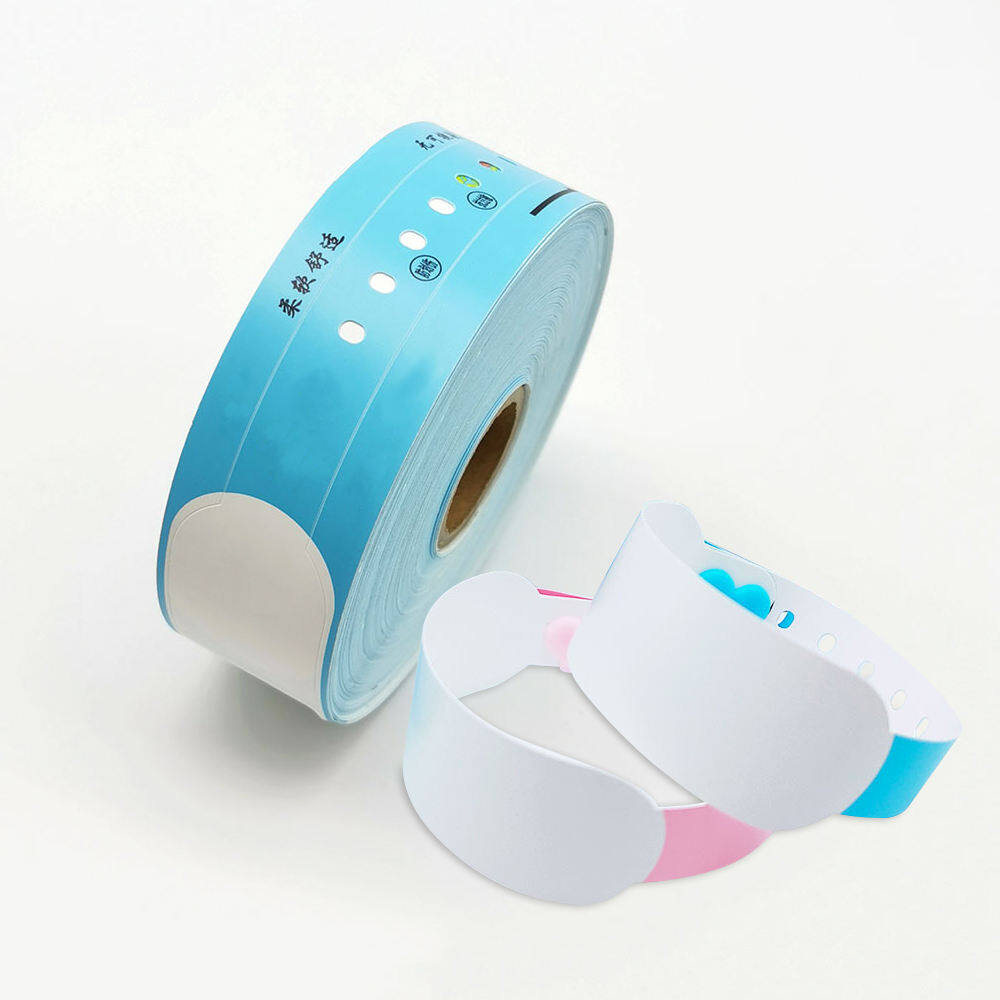
The evidence for wristband-induced allergic contact dermatitis is not anecdotal. It is published in peer-reviewed contact dermatitis journals and indexed in the National Library of Medicine.
The most detailed case report describes a patient who developed eczema on the wrist where a hospital wristband had been worn. Patch testing was performed with the wristband itself—adhesive rim, inside surface, and outside surface—as well as an extended series of acrylate allergens. The results were unequivocal: strong positive reactions to all three wristband components (adhesive rim +++, inside +++, outside ++), alongside multiple strong positive reactions to acrylates including ethyl acrylate, butyl acrylate, 2-hydroxyethyl acrylate, and 1,6-hexanediol diacrylate (1,6-HDDA). Chemical analysis of the wristband extract confirmed the presence of 1,6-HDDA and lauryl acrylate. The authors concluded that 1,6-HDDA was the culprit allergen responsible for the reaction.
A separate case report published in the Journal of Perioperative Practice described a 48-year-old woman who developed an intensely itchy area of erythema and edema extending from her left wrist to her fingers two hours after surgery. The cause was traced to a thermally-printed red plastic allergy alert bracelet. The rash resolved overnight after the bracelet was removed. The authors noted that they believed this to be the first documented case of allergy to a patient identification bracelet in the medical literature.
These are not isolated curiosities. Acrylates are well-established potent sensitizers used in medical adhesives, and the dermatology literature has documented allergic contact dermatitis from acrylates in ECG electrodes, surgical glues, insulin pumps, and glucose sensors. The wristband is simply another acrylate-containing medical device that sits in prolonged contact with skin. The difference is that the wristband is worn continuously for the entire duration of an inpatient stay, often through showering, sweating, and repeated handling.
Why Nursing Sees It First and Reports It Least
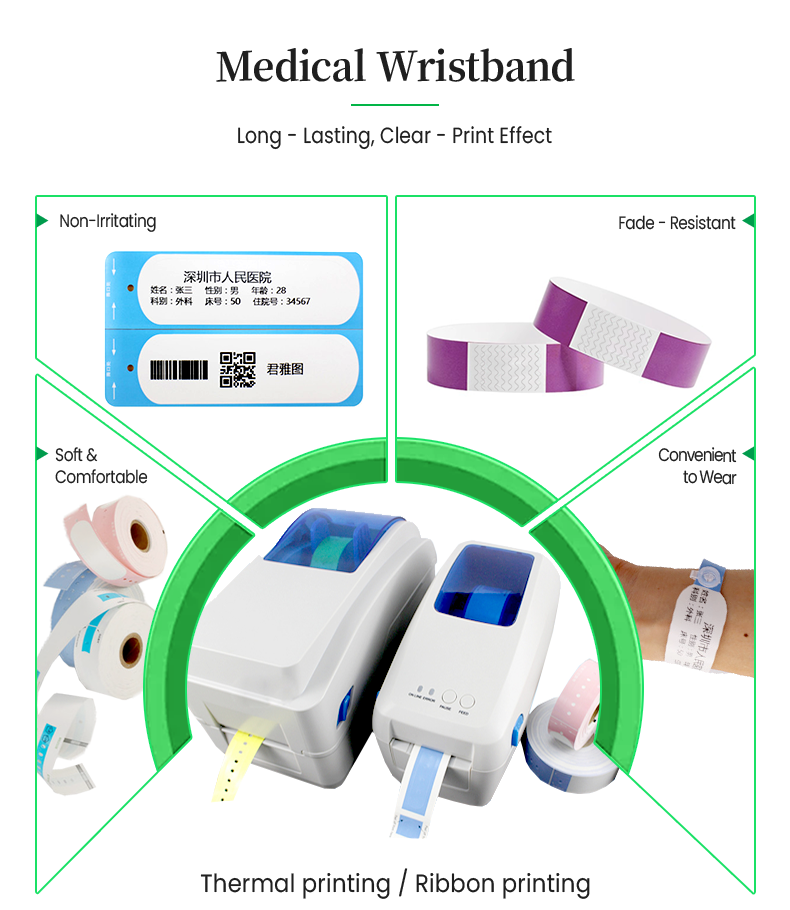
The clinical presentation of wristband contact dermatitis is deceptively mild at onset. Pruritus. Mild erythema. Perhaps a few papules confined to the area beneath the band. These are not dramatic findings. They do not trigger rapid response teams or incident reports. They trigger a complaint at shift change, a request for a different band, or a patient quietly scratching at their wrist until the skin breaks.
A Chinese nursing publication that surveyed clinical problems with patient identification bands listed skin allergy as one of the recognized issues alongside non-wear, poor nursing compliance with band checks, illegible handwriting, and low patient participation in identity verification. The fact that allergy appears in a clinical nursing journal rather than a dermatology journal is significant. It means the problem is visible at the bedside, in the workflow, in the daily friction of care—not just in the rarefied context of patch testing.
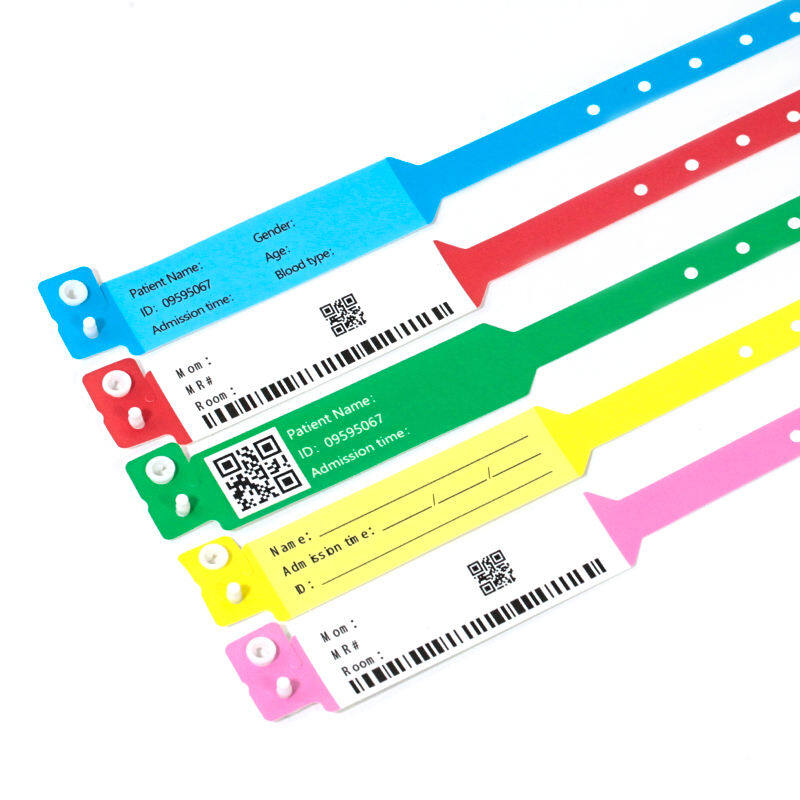
Hospitals have developed pragmatic workarounds. One Chinese hospital reported using a cotton elastic band with snap fasteners to hold the identification portion away from direct skin contact, with the option of applying medical cloth tape or silk tape to the back of the information component if the patient reacts to the nanomaterial surface. Another pediatric unit hand-braided red cord bracelets to hold the wristband, explicitly to avoid “large-area direct contact between the wristband and the child‘s skin causing allergies”. A hospital in Siping published guidance recommending that nurses assess skin condition before application, ask about allergy history, and for sensitive patients apply a transparent sterile dressing over the wristband surface to create a barrier.
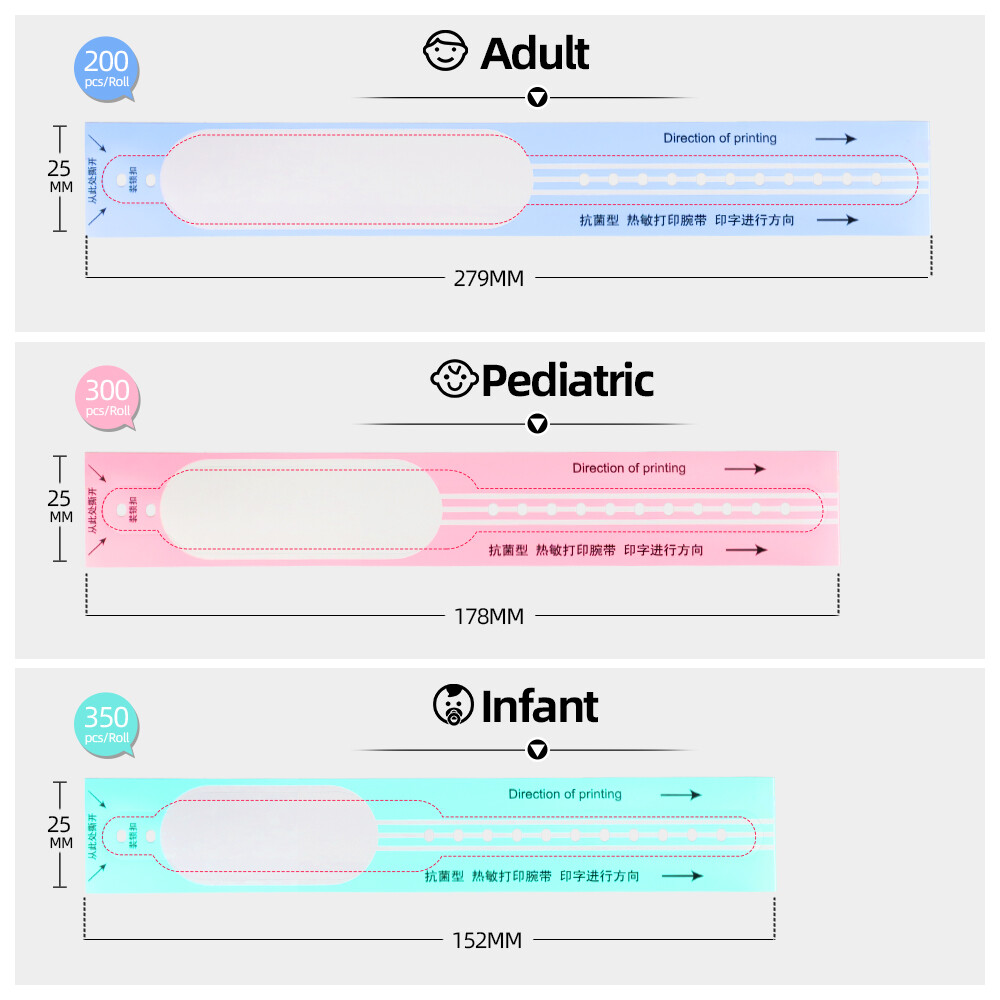
These adaptations are creative and patient-centered. They are also evidence that the standard product is failing a subset of patients, and that the failure is being managed at the bedside rather than addressed at the point of specification.
The Material Problem Is Not Simple
It would be convenient to blame a single material—plastic, adhesive, or ink—and specify an alternative. The reality is more complicated.
Adhesives are a primary suspect. The case report that identified 1,6-HDDA found strong reactions to the adhesive rim of the wristband, suggesting that the glue used to secure the band is a significant exposure route. Acrylates are common components of pressure-sensitive adhesives, and sensitization can occur even from a single exposure.
Plastic materials are another variable. A 1980 case series reported seven children with contact dermatitis from polyvinyl chloride identification bracelets, though patch testing with the bracelets was negative in the five cases tested, leading the authors to conclude the reactions were irritant rather than allergic. This distinction matters: irritant contact dermatitis from friction, moisture, or occlusion is different from immune-mediated allergy, and the management is different.
Printing and coatings introduce additional chemistry. The red allergy alert bracelet case involved a thermally-printed band, raising the possibility that the thermal coating or ink contributed to the reaction.
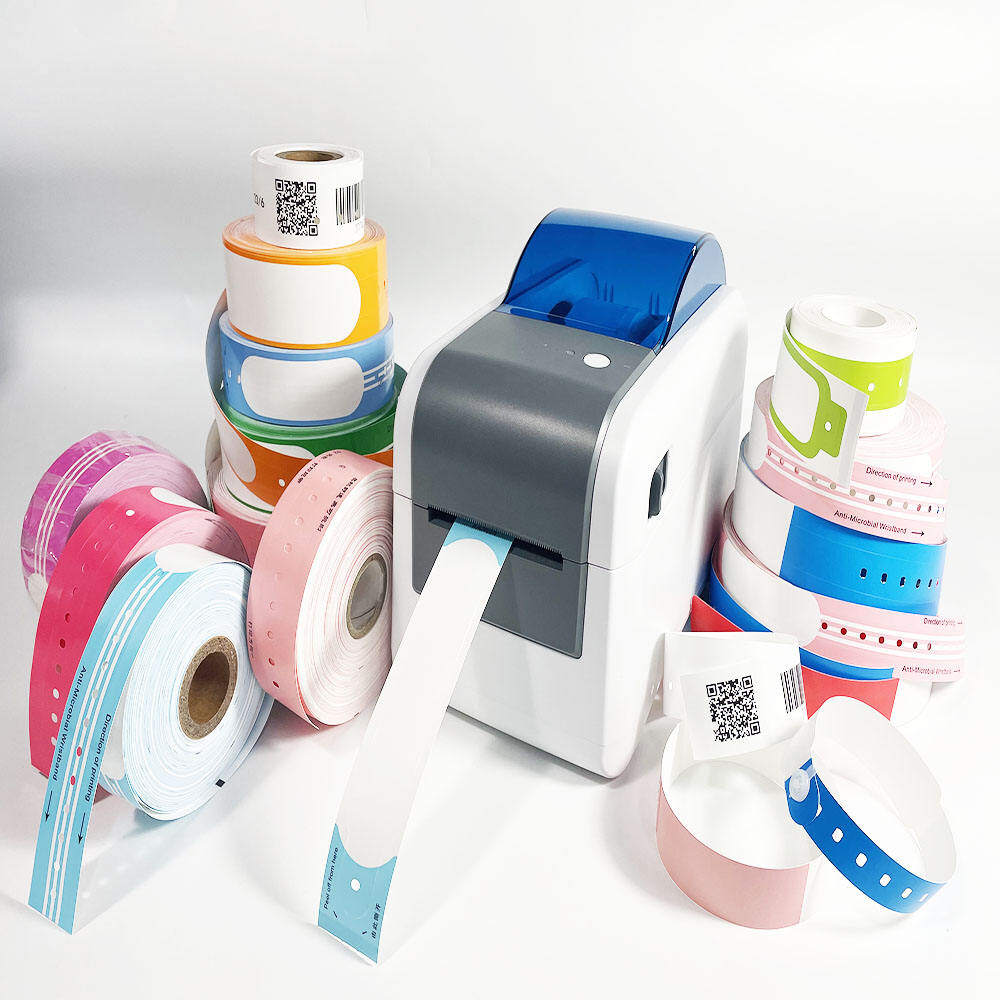
For procurement teams, this complexity is precisely the problem. The wristband is a composite product, and the allergen may be in the adhesive, the substrate, the printing, or some interaction between them. Changing suppliers without understanding the chemistry may simply substitute one sensitizer for another.
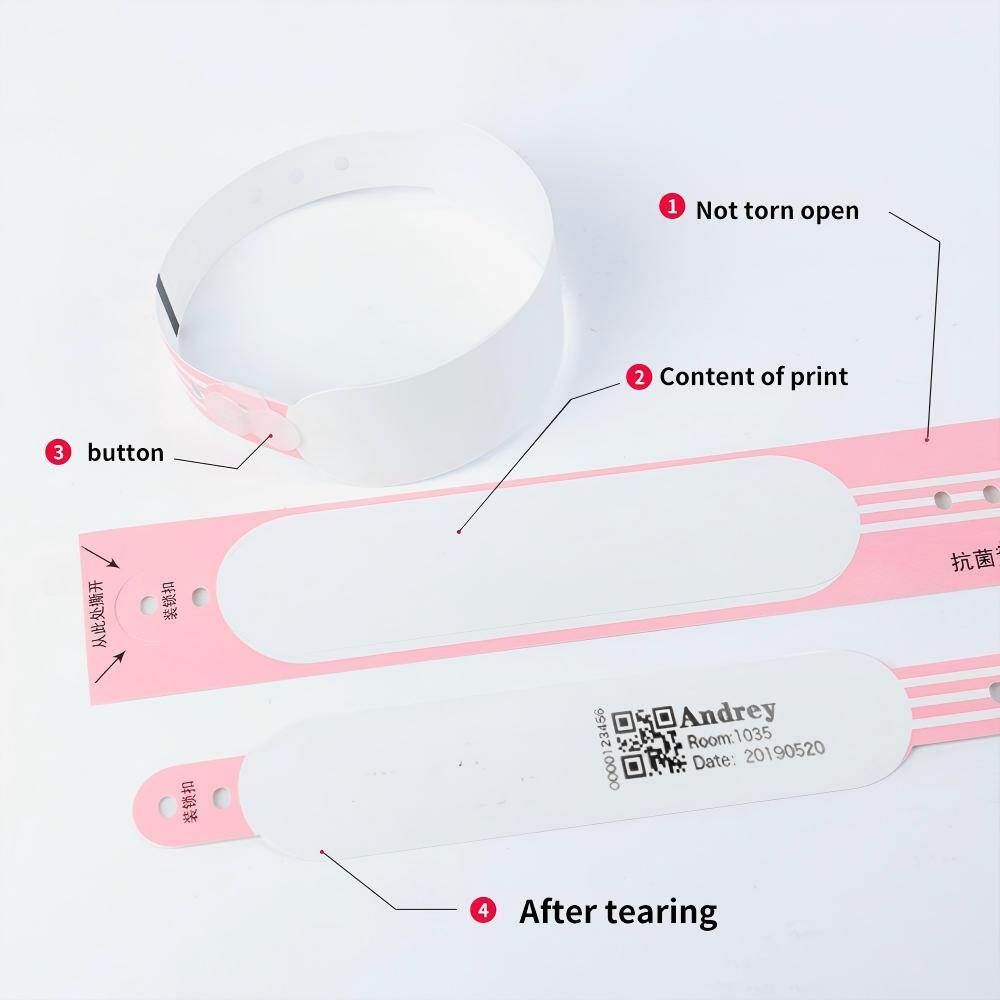
What Good Specification Looks Like
The Médecins Sans Frontières specification for identification bracelets provides a useful starting point. It requires the band to be non-allergenic, specifying soft vinyl or non-stretch polyester, latex-free, with no metal components and no sharp edges. These are baseline requirements. They address the most obvious risks—latex allergy, metal contact, mechanical irritation—but they do not guarantee that a band will be free of acrylate adhesives or other sensitizers.
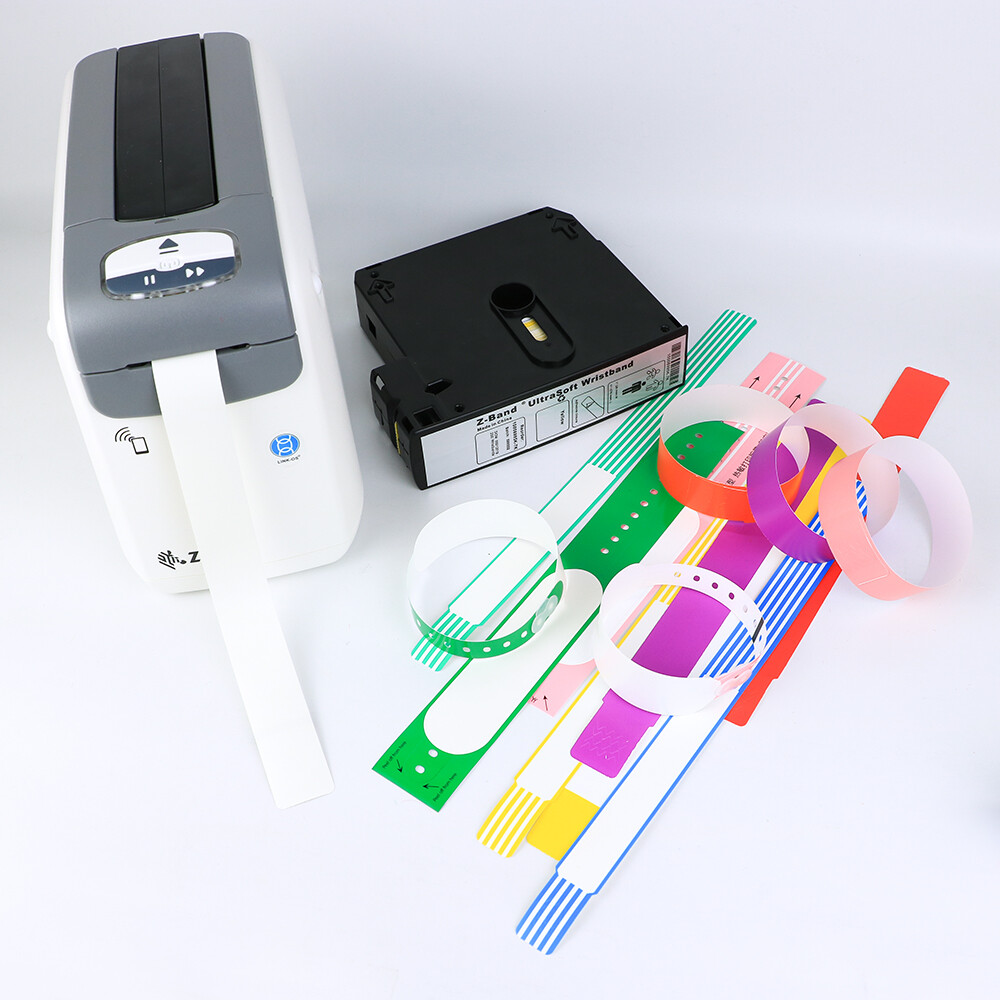
A more robust specification would ask suppliers to declare the adhesive chemistry used in closure mechanisms and any coatings applied to the skin-contact surface. It would distinguish between bands intended for short-duration use (where sensitization risk is lower) and bands intended for extended wear in inpatient settings (where cumulative exposure matters), including the extended-length wristbands ordered as bariatric patient wristbands and the ankle bands applied when wrist skin is already compromised. It would recognize that re-exposure increases risk, as the acrylate literature consistently demonstrates: initial exposure may produce no reaction, while subsequent exposures trigger dermatitis with increasing severity.
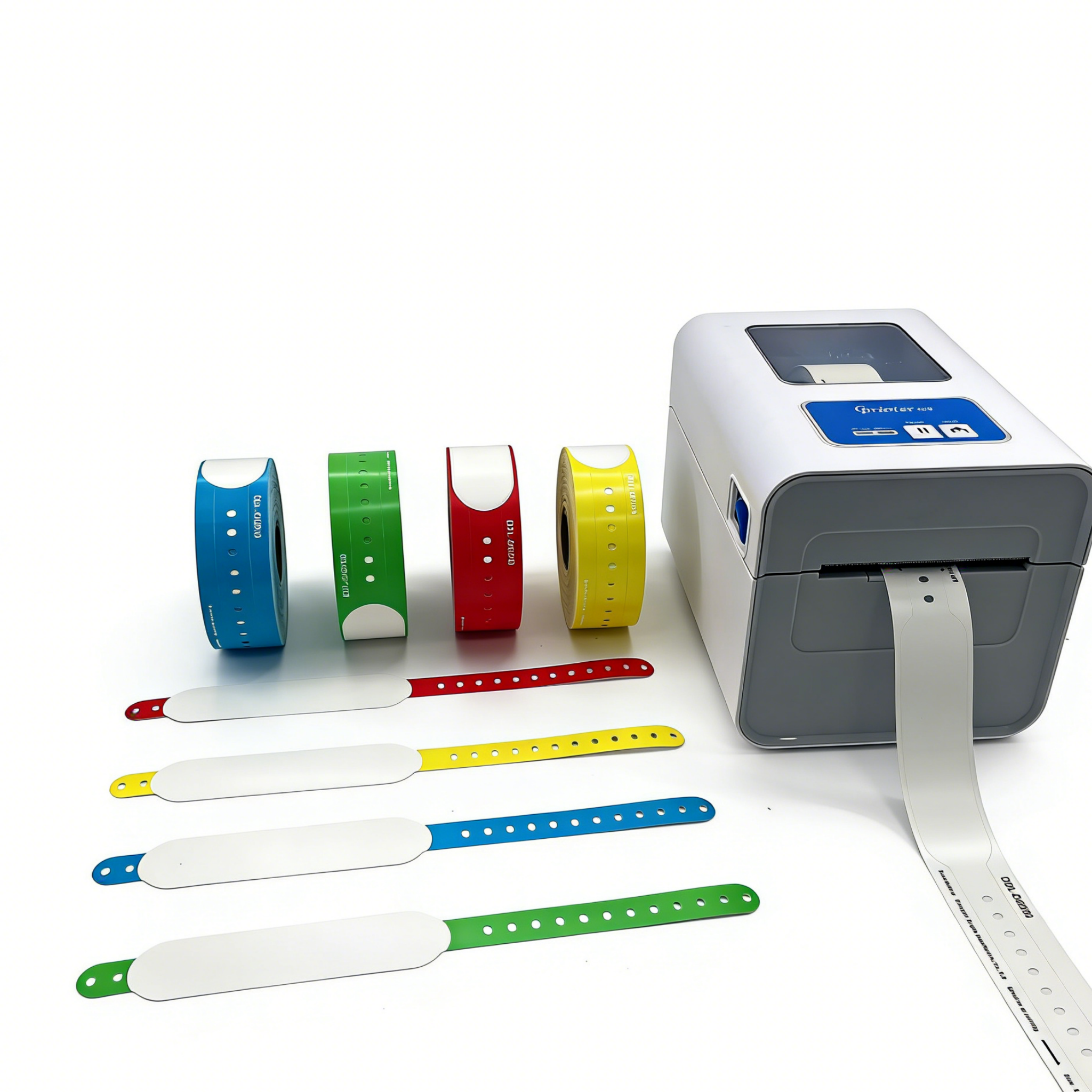
For nursing units dealing with a patient who has already reacted, the practical options are limited but real. Barrier methods—placing a dressing between the band and the skin, or using a fabric holder—can maintain identification while allowing the skin to heal. But these are compensations, not solutions. The better answer is to specify a band that does not cause the reaction in the first place.
The Complaint That Signals a System Problem
A patient who complains of an itchy wrist is not being difficult. They are reporting a real physiological response to a medical device that has been attached to their body without their consent and cannot be removed without nursing assistance. The complaint is a data point. It says that the band, for this patient, is not a neutral identifier. It is an active source of discomfort that undermines the therapeutic relationship and increases the likelihood that the patient will remove the band at the first opportunity—taking patient identification accuracy with it.
Nursing staff know this intuitively. They are the ones applying the band, checking the skin beneath it, listening to the complaint, and improvising solutions with tape and gauze and whatever is in the supply closet. What they often lack is a mechanism to feed that knowledge back into procurement—to say, collectively, that the standard band is not working for a meaningful minority of patients, and that the cost of managing the reaction exceeds the cost of a better-specified product. It is the same feedback discipline that CAP Q-Probes style surveillance programs apply to identification compliance, redirected at material safety.
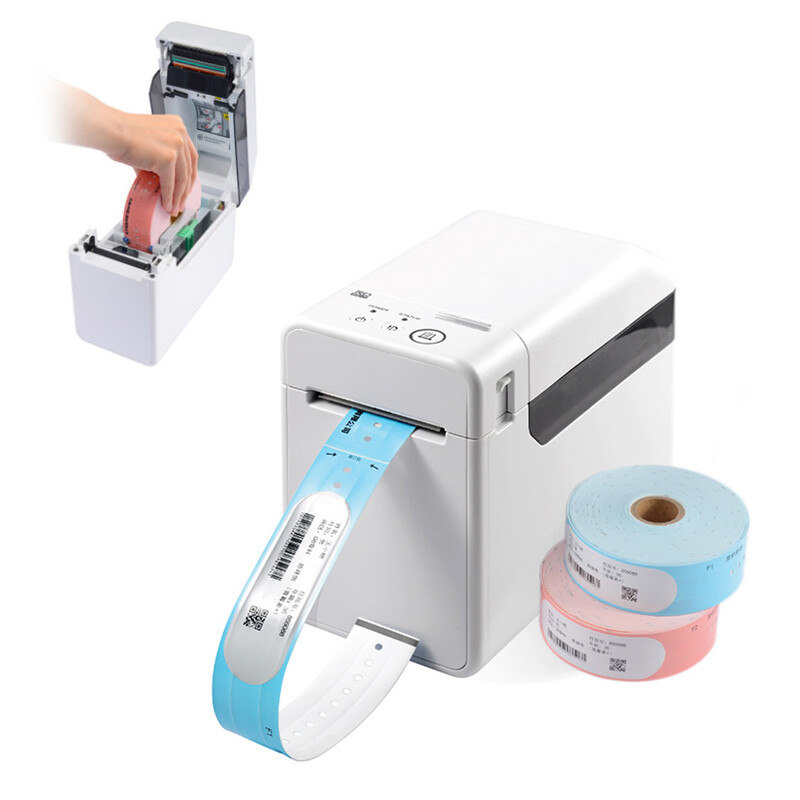
The wristband is a small piece of plastic. But it is worn against skin for days at a time, by patients who are already vulnerable, already uncomfortable, already dependent on the system to make good decisions on their behalf. A reaction that could have been prevented by better material specification is not a minor inconvenience. It is a failure of that obligation.
A note on terminology for readers seeking further information: This article discusses patient identification wristbands, hospital wristbands, medical ID bands, and patient ID bracelets in healthcare settings. Related terms include contact dermatitis wristband, hospital wristband allergy, acrylate allergy, adhesive sensitivity, patient identification band skin reaction, wristband material safety, and hypoallergenic wristband alternatives.
Continue Reading
Have Questions About Wristbands?
Our team is ready to help you find the perfect wristband solution for your needs. Contact us directly on WhatsApp for quick responses.
Contact on WhatsApp