
Blog
Industry insights, product guides, and company news from WeIDMed - your trusted wristband manufacturer.
Latest Articles
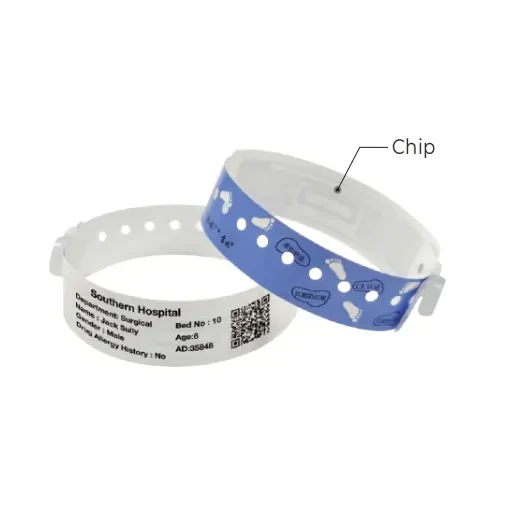
Long-Term Care vs Acute Care: Wristband Strategy Should Not Be One-Size-Fits-All
Acute care nurses scan wristbands during medication administration 53% of the time; long-term care nurses, 8%. The gap is not a training failure but a symptom of porting an acute care wristband strategy into a setting with different residents, durations and safety priorities. This article argues for a differentiated, long-term-care-specific wristband strategy built for patient identification accuracy over months of continuous wear.
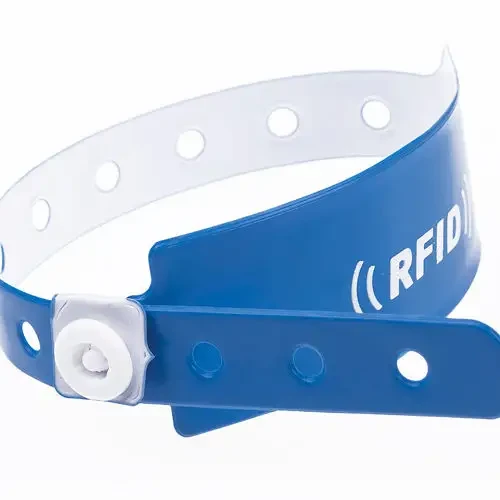
Wristbands in the Emergency Resuscitation Room: The Lowest Margin for Error in the Highest Acuity Setting
The resuscitation room is the highest-acuity setting with the lowest tolerance for identification failure, yet it is where the wristband is most likely to be missing, illegible, or skipped. This article examines why wristband identification collapses under resuscitation pressure and how to design both the band and the workflow for patient identification accuracy when seconds matter.
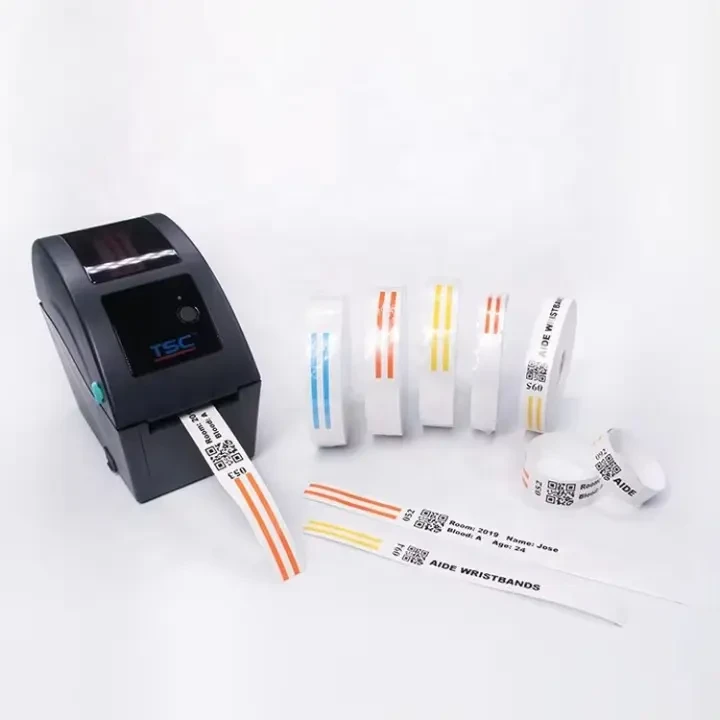
When the Wristband Is Wrong, Who Is Responsible? The Accountability Gap Between Procurement, Nursing, and IT
A patient identification wristband fails, and nobody is sure who owns that failure. Procurement buys it, nursing applies and works around it, IT receives the scan-failure signals. This article maps the structural accountability gap across procurement, nursing and IT, and proposes a shared accountability architecture that makes patient identification accuracy a monitored safety outcome rather than an orphaned commodity metric.

What Does a Nurse Do When Wristband Scanning Fails? The Most Dangerous Workflow Is the Workaround
Wristband scanning failures are routine, and so is the bypass. BCMA workarounds—manual MRN entry, surrogate barcodes, scanning away from the bedside, and skipping the patient scan—remove the machine-verified link between patient and medication. The fix is to design the wristband, workflow and escalation path so the safe action is the easy action, protecting patient identification accuracy at the bedside.
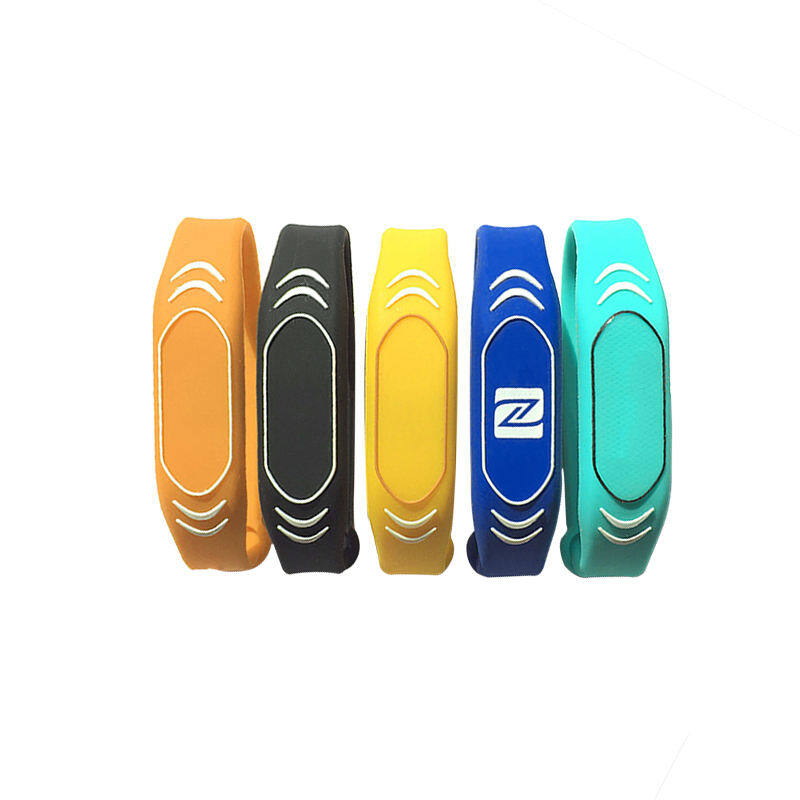
Data Minimization on Wristbands: Why Patient Names and Allergies Should Not Be Stored on the Chip
A wristband chip should be a lookup key, not a miniature medical record. Data minimization keeps patient names, allergies and diagnoses in the secured enterprise subsystem—reducing the attack surface of the tag–reader link, eliminating staleness and transcription failure modes, and simplifying HIPAA and GDPR defensibility while preserving patient identification accuracy.
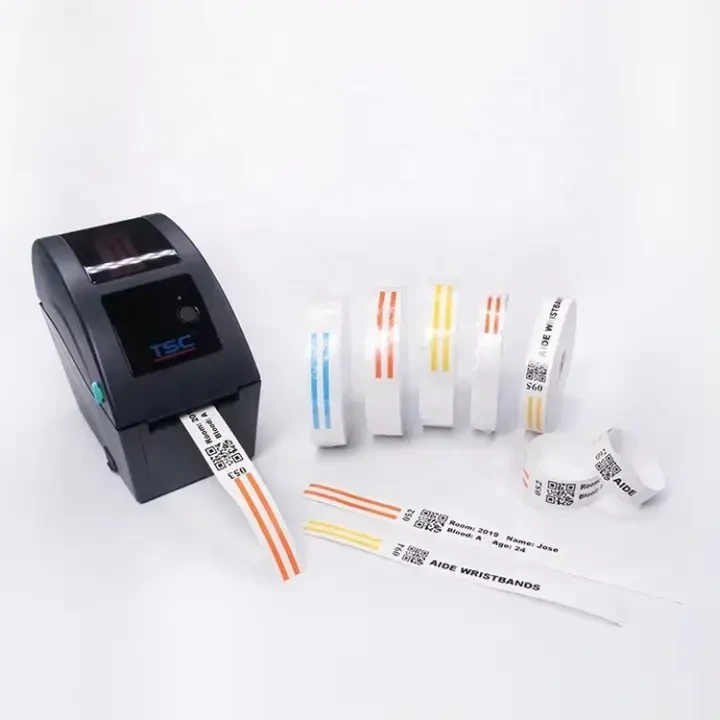
Patients Have the Right to Read Their Own Wristband: From Institutional Check to Shared Responsibility
Patient identification errors persist because wristband verification is treated as something done to patients rather than with them. Recognising the patient's right to read, question and safeguard their own wristband adds a human verification layer that scanning cannot replicate—strengthening patient identification accuracy across standard bands, extended-length wristbands, bariatric patient wristbands and ankle bands.
All Articles
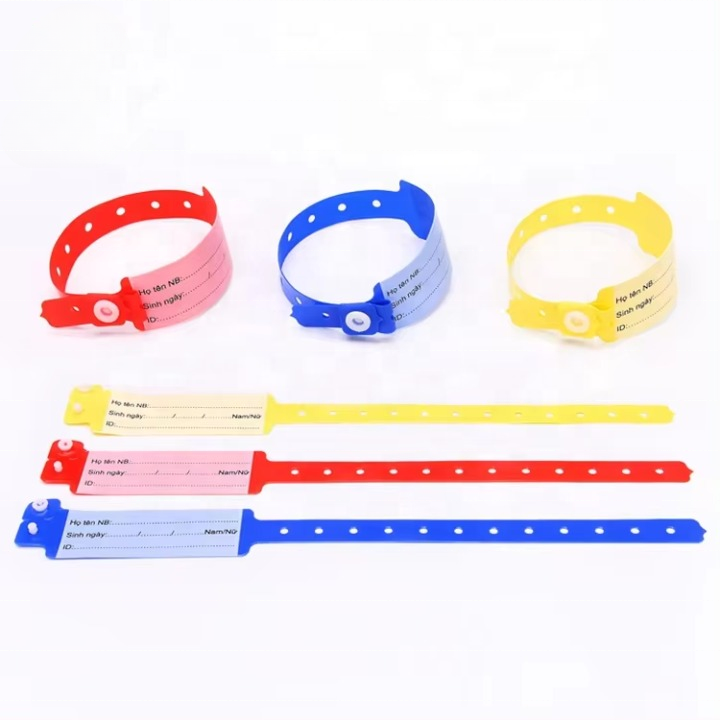
From Newborns to Geriatrics: Why Different Hospital Departments Need Customized Medical Patient Wristbands
Discover why hospitals need customized medical wristbands for different departments. From neonatal wristbands for newborns to geriatric patient wristbands, learn how age-specific patient identification wristbands improve safety, comfort, and workflow efficiency across hospital wards.
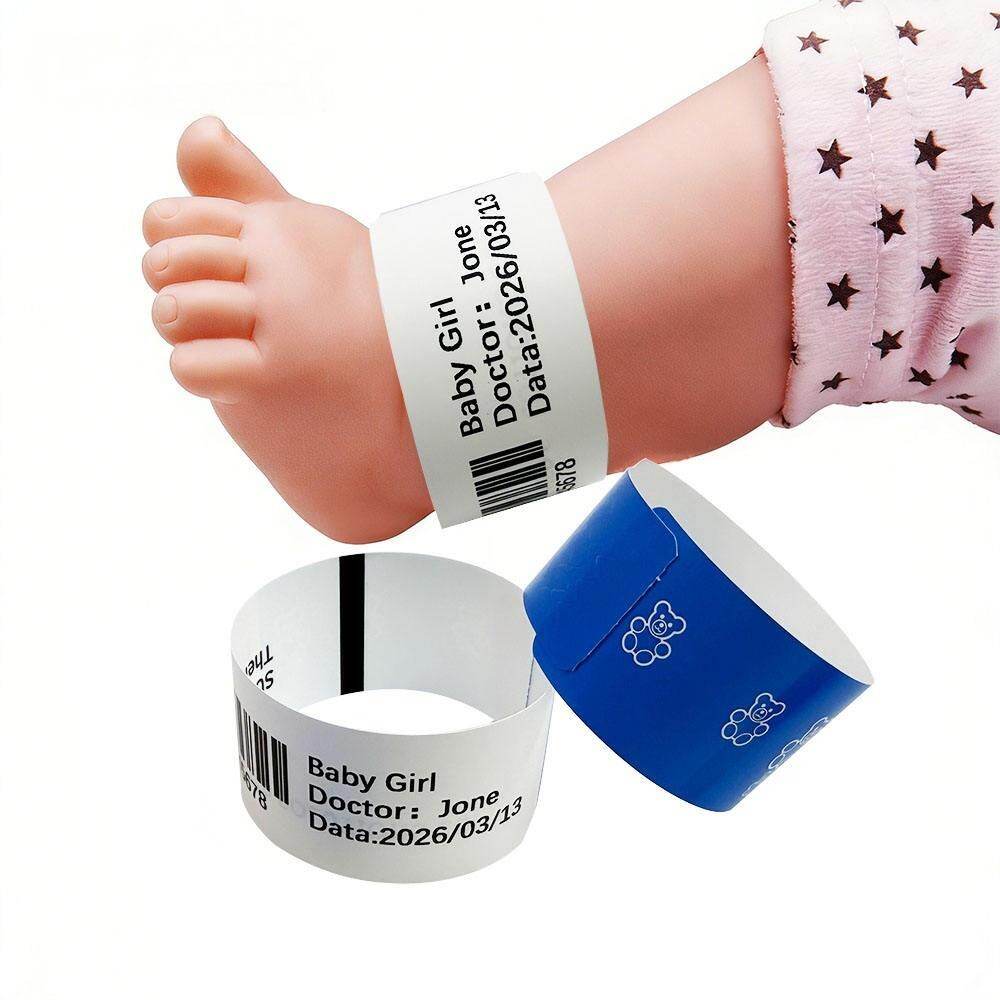
From Neonatal to Geriatric: Why Different Hospital Departments Require Custom-Sized Medical Wristbands
Discover why hospitals need custom-sized medical wristbands for neonatal, pediatric, and geriatric departments. Learn how proper patient identification wristband sizing improves safety, comfort, and compliance across every care setting.
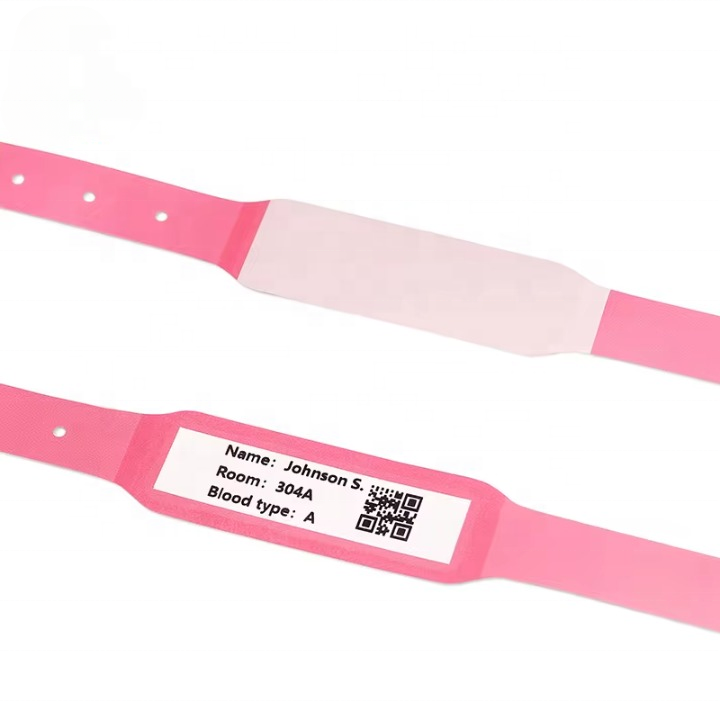
The 'Red, Yellow, Green' of the ER: Life-Priority Management Behind Color-Coded Medical Wristbands
How do emergency rooms decide who gets treated first? Discover the color-coded medical wristband system behind ER triage — red, yellow, green — and how it saves lives during mass casualty incidents and daily hospital operations.
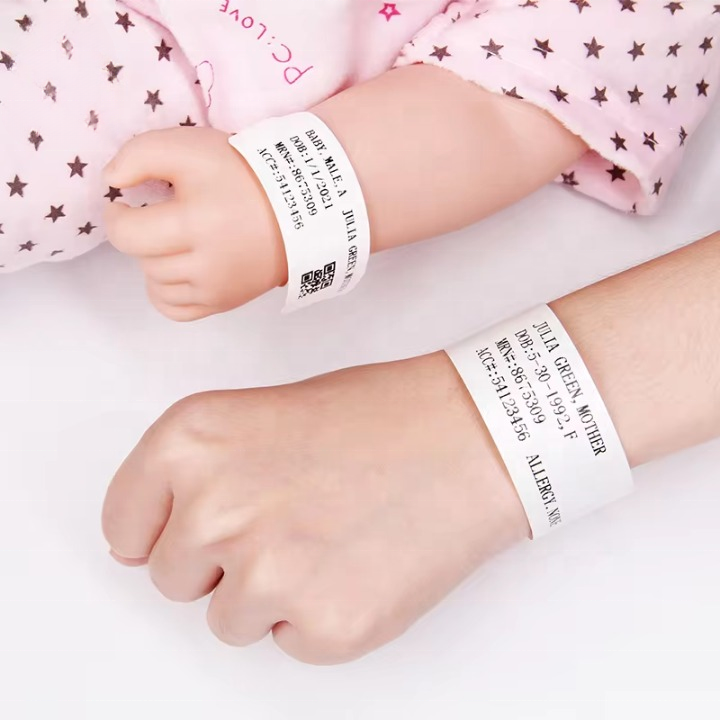
Ergonomics and Dermatology in Medical Wristbands: Engineering for Allergy-Free, Comfortable, and Secure Patient Identification
A comprehensive exploration of ergonomic design principles, biocompatibility testing standards (ISO 10993), dermatological safety certifications, and material selection criteria for medical wristbands that prioritize patient comfort and skin health.
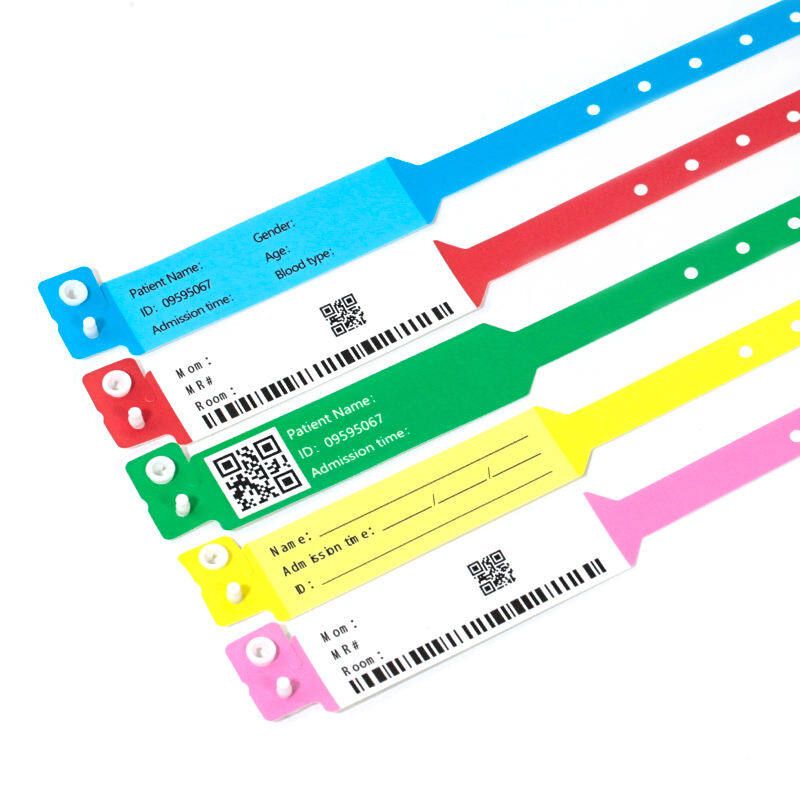
Scanning for 90 Days? How Medical Wristbands Resist Alcohol, Blood, and Stains
Comprehensive guide to medical wristband durability testing covering alcohol resistance, water immersion, abrasion resistance, material comparison between Tyvek and Thermal wristbands, and the clinical impact of using substandard wristbands in healthcare settings.
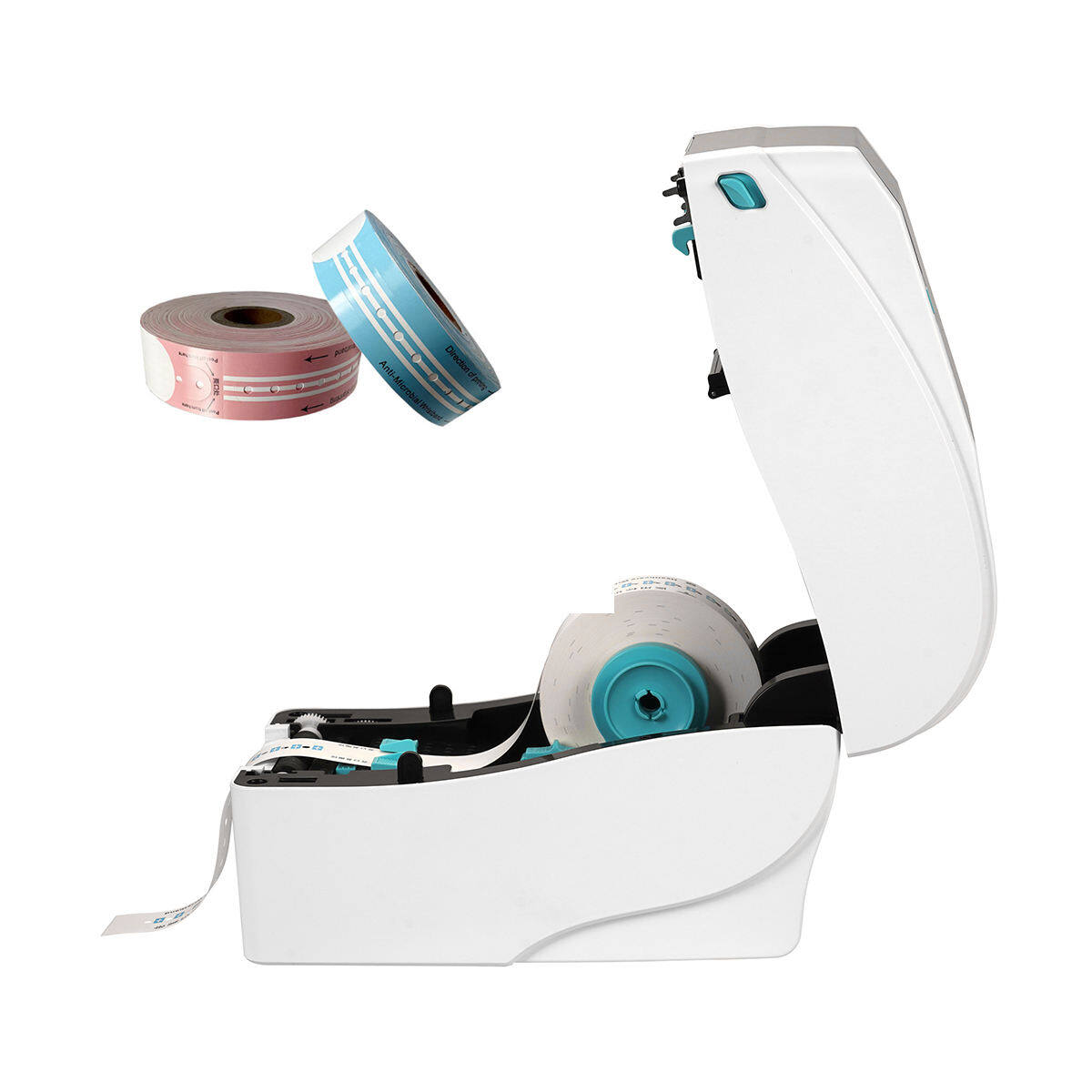
More Than Just an ID: How Medical Wristbands Become the "Last Line of Defense" for Patient Safety
Comprehensive guide exploring how modern barcode wristbands integrated with Hospital Information Systems serve as critical digital safeguards preventing medical errors in medication administration, blood transfusions, and surgical procedures.
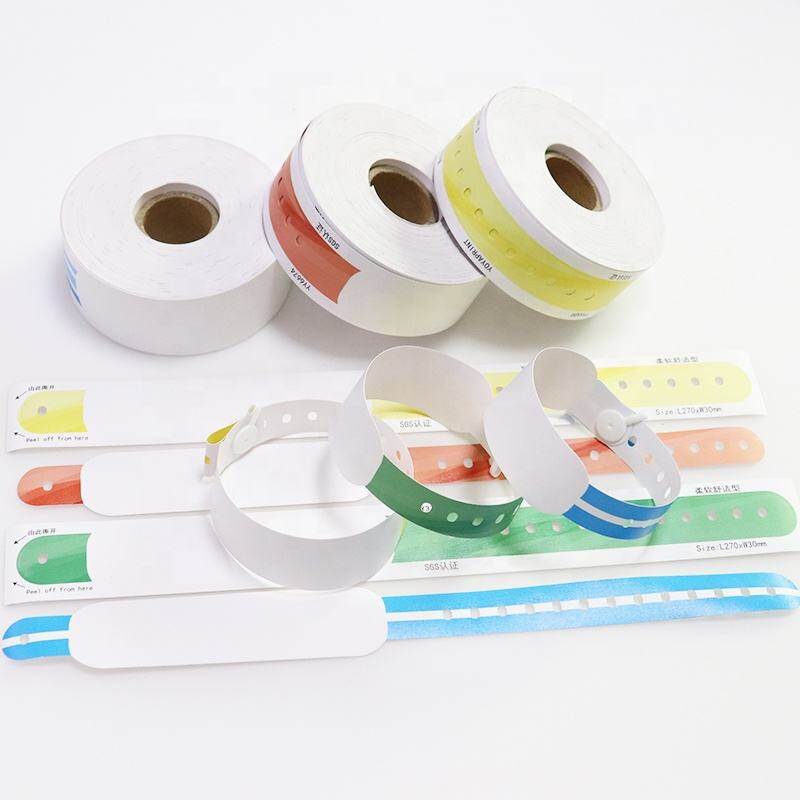
Thermal Transfer vs. Direct Thermal Printing: The Critical Choice for Medical Wristbands
Comprehensive analysis comparing thermal transfer and direct thermal printing technologies for medical wristbands, explaining why thermal transfer has become the gold standard for top-tier hospitals.
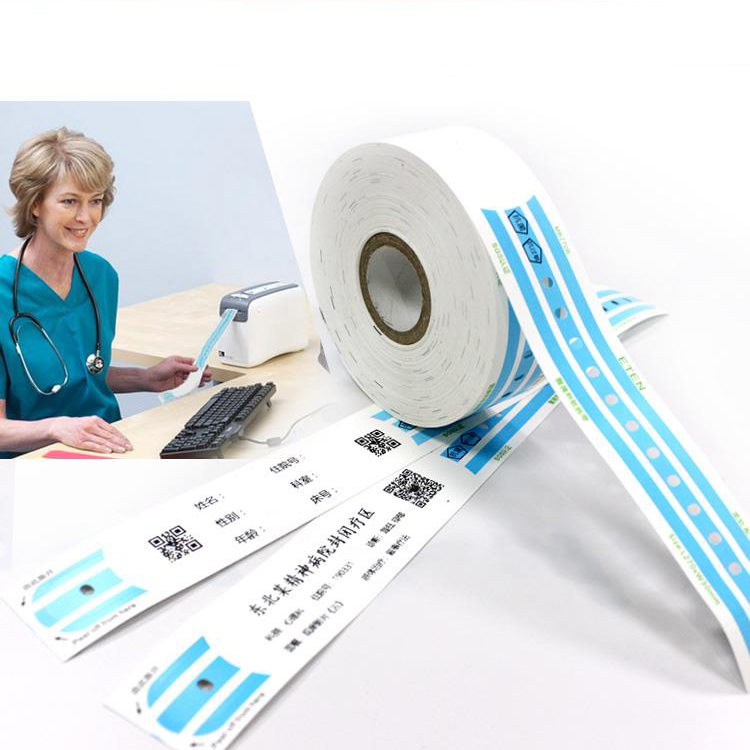
Why Hospitals Prefer Nano-Silicone Wristbands: Decoding the "Gold Material" Standard for Medical ID Bands
A comprehensive analysis of why nano-silicone has become the gold standard material for medical identification wristbands, based on actual hospital procurement requirements and clinical evidence.
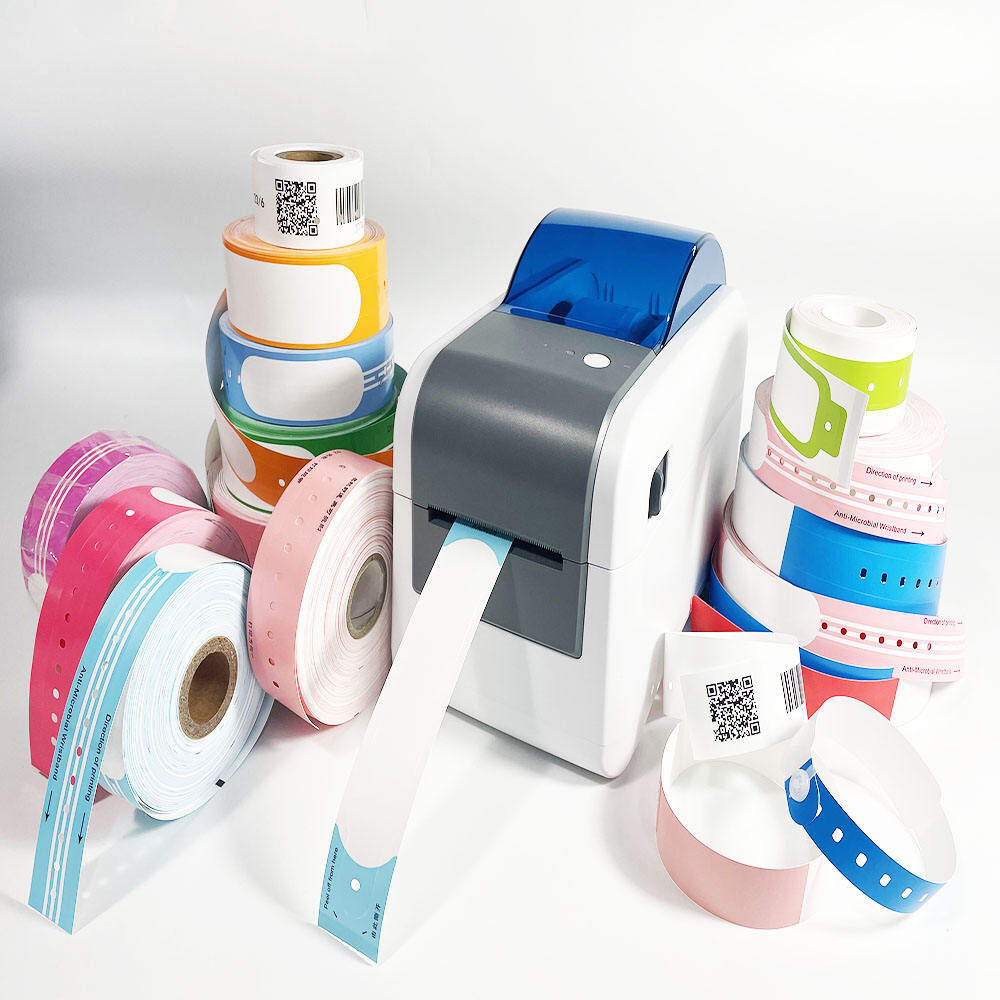
From Nano-Silicon to RFID Chips: The Evolutionary Journey and Future Trajectory of Medical Wristband Materials
Comprehensive guide tracing the material and technological progression of medical identification wristbands from early PVC and paper solutions to contemporary nano-silicone composites and RFID/NFC-enabled smart bands.
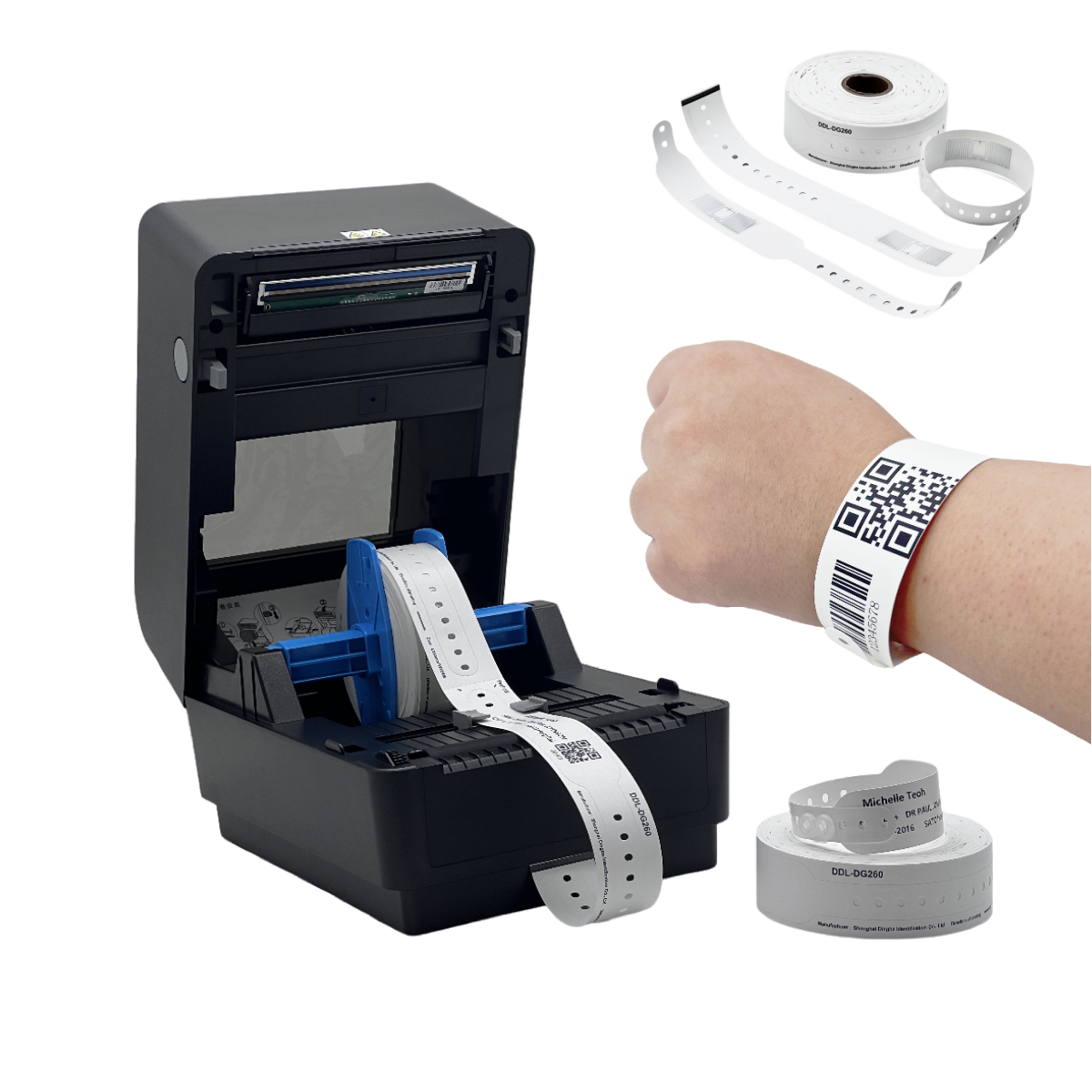
A Comprehensive Guide to Global Medical Patient Wristband Standards and Certification Requirements for Top Economies
Comprehensive guide covering medical wristband regulations, certification requirements, material specifications, and design preferences across the world's top 20 economies. Essential reading for manufacturers and exporters.