
Blog
Industry insights, product guides, and company news from WeIDMed - your trusted wristband manufacturer.
Latest Articles
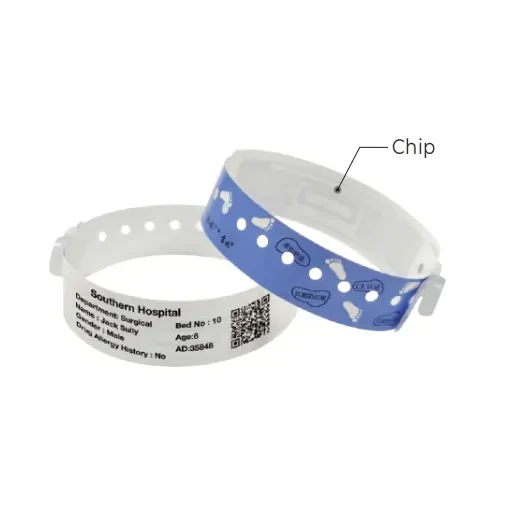
Long-Term Care vs Acute Care: Wristband Strategy Should Not Be One-Size-Fits-All
Acute care nurses scan wristbands during medication administration 53% of the time; long-term care nurses, 8%. The gap is not a training failure but a symptom of porting an acute care wristband strategy into a setting with different residents, durations and safety priorities. This article argues for a differentiated, long-term-care-specific wristband strategy built for patient identification accuracy over months of continuous wear.
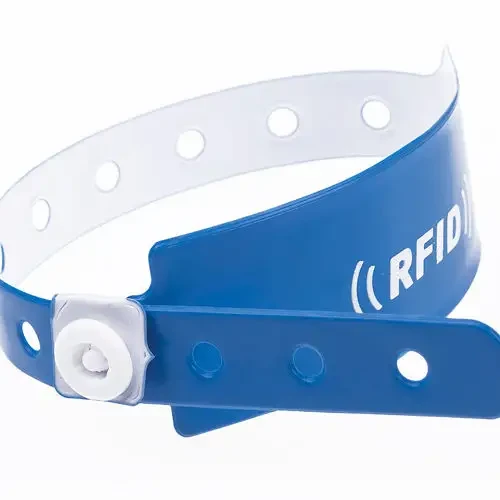
Wristbands in the Emergency Resuscitation Room: The Lowest Margin for Error in the Highest Acuity Setting
The resuscitation room is the highest-acuity setting with the lowest tolerance for identification failure, yet it is where the wristband is most likely to be missing, illegible, or skipped. This article examines why wristband identification collapses under resuscitation pressure and how to design both the band and the workflow for patient identification accuracy when seconds matter.
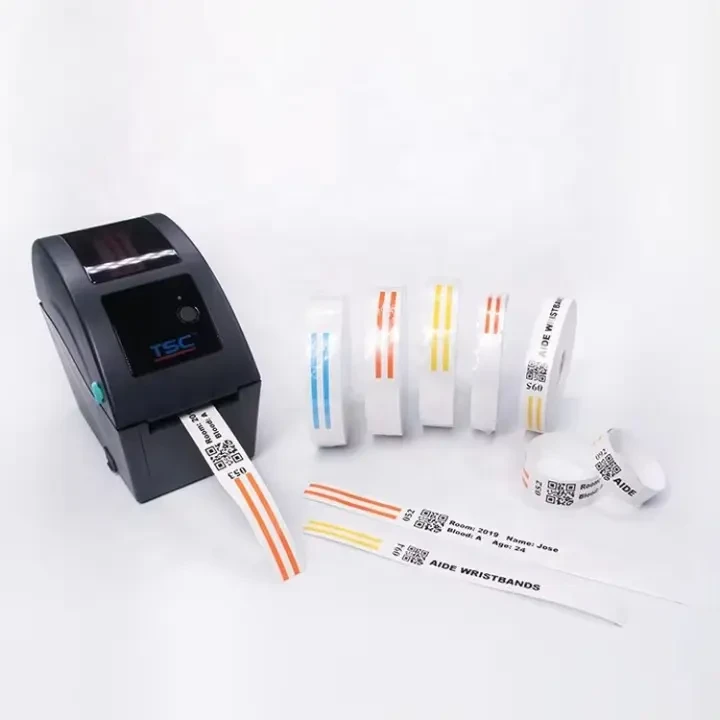
When the Wristband Is Wrong, Who Is Responsible? The Accountability Gap Between Procurement, Nursing, and IT
A patient identification wristband fails, and nobody is sure who owns that failure. Procurement buys it, nursing applies and works around it, IT receives the scan-failure signals. This article maps the structural accountability gap across procurement, nursing and IT, and proposes a shared accountability architecture that makes patient identification accuracy a monitored safety outcome rather than an orphaned commodity metric.
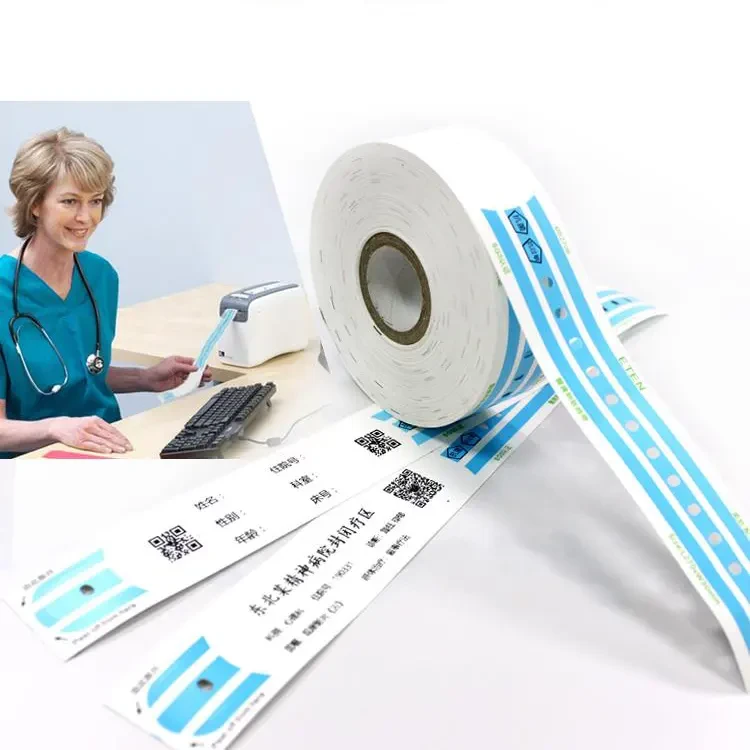
What Does a Nurse Do When Wristband Scanning Fails? The Most Dangerous Workflow Is the Workaround
Wristband scanning failures are routine, and so is the bypass. BCMA workarounds—manual MRN entry, surrogate barcodes, scanning away from the bedside, and skipping the patient scan—remove the machine-verified link between patient and medication. The fix is to design the wristband, workflow and escalation path so the safe action is the easy action, protecting patient identification accuracy at the bedside.
Data Minimization on Wristbands: Why Patient Names and Allergies Should Not Be Stored on the Chip
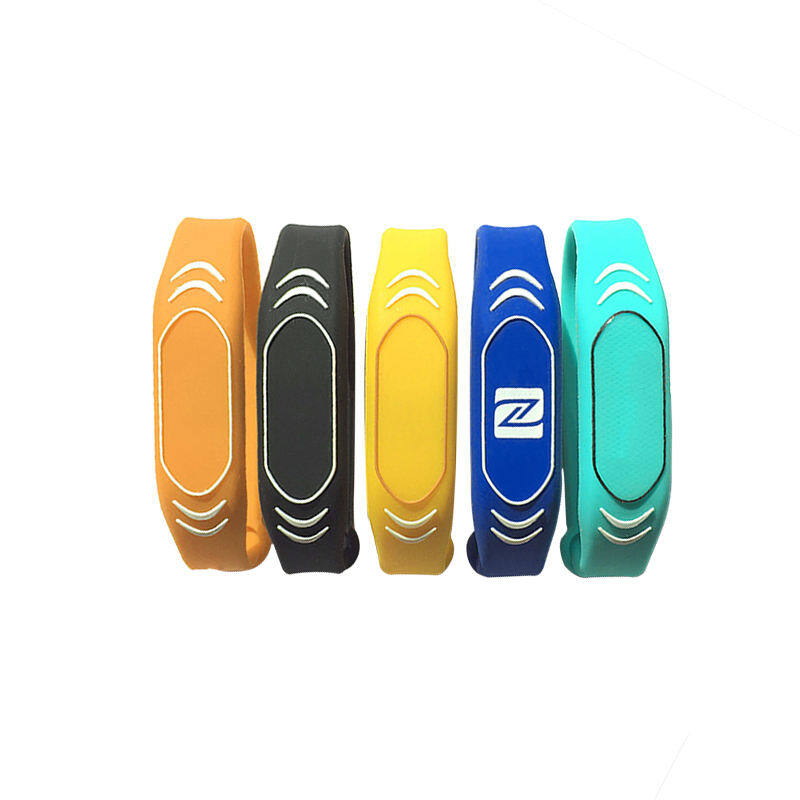
A wristband chip should be a lookup key, not a miniature medical record. Data minimization keeps patient names, allergies and diagnoses in the secured enterprise subsystem—reducing the attack surface of the tag–reader link, eliminating staleness and transcription failure modes, and simplifying HIPAA and GDPR defensibility while preserving patient identification accuracy.
Patients Have the Right to Read Their Own Wristband: From Institutional Check to Shared Responsibility
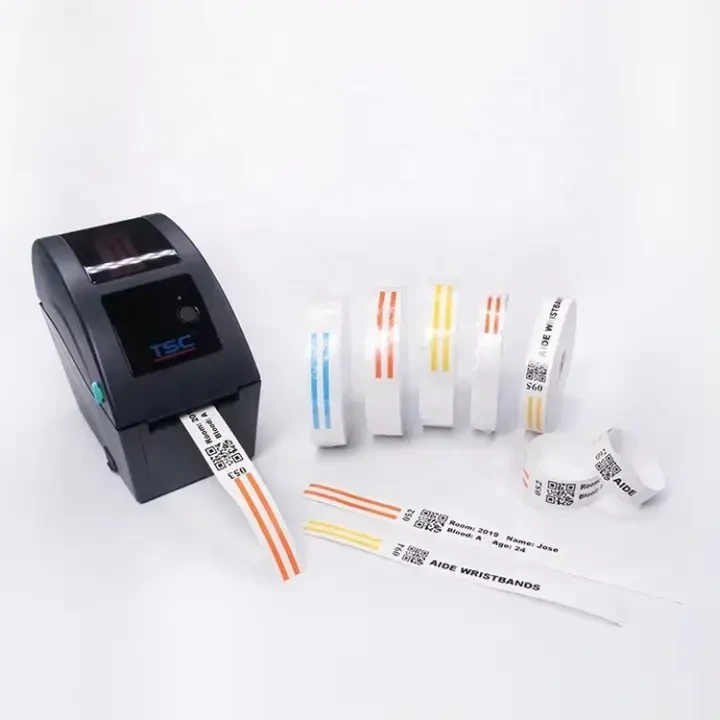
Patient identification errors persist because wristband verification is treated as something done to patients rather than with them. Recognising the patient's right to read, question and safeguard their own wristband adds a human verification layer that scanning cannot replicate—strengthening patient identification accuracy across standard bands, extended-length wristbands, bariatric patient wristbands and ankle bands.
All Articles
Small Wristband, Big Comfort: Material Selection and Skin Care in Patient Identification
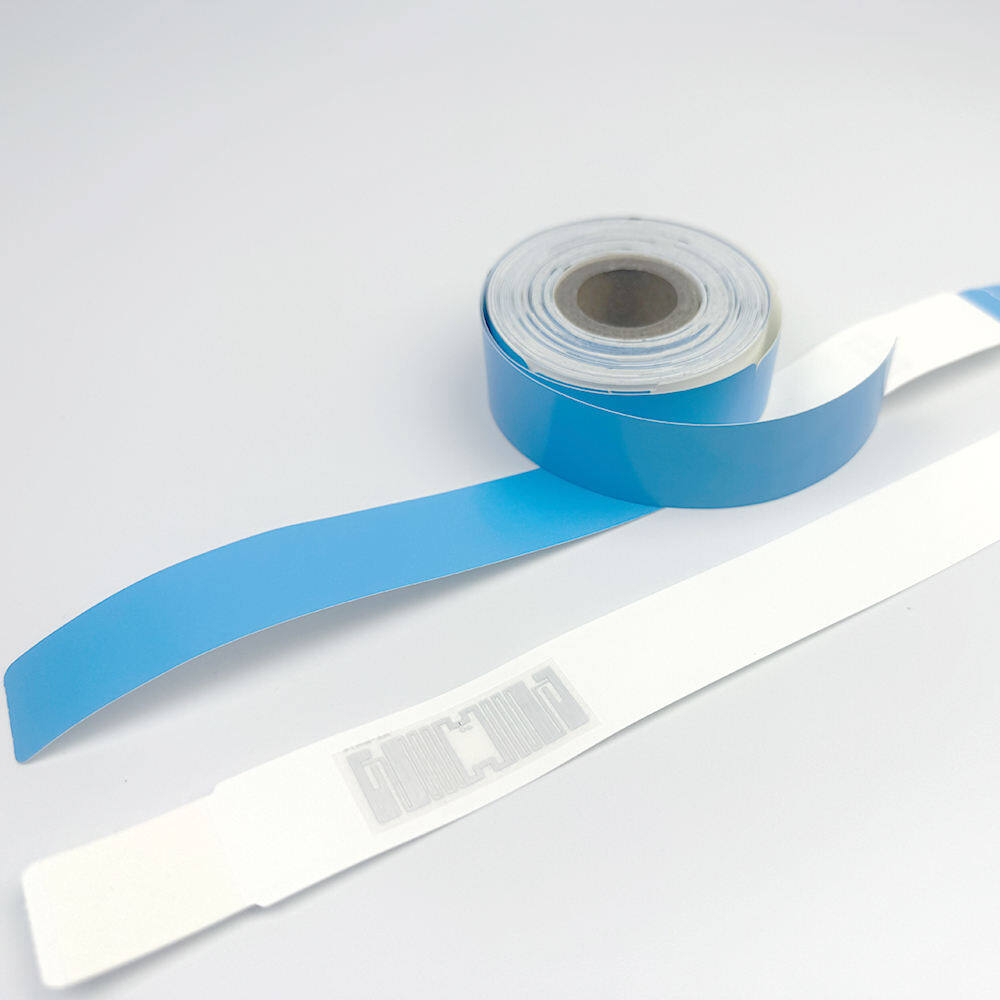
How hypoallergenic, latex-free, breathable, and cushioned materials, together with clinical skin care protocols, keep patient identification wristbands comfortable and safe for 24/7 wear, reducing contact dermatitis, pressure injuries, and identification breaches.
Beyond Patient Identification: The Life-Saving Role of NFC and QR Code Wristbands in Pre-Hospital Emergency Care
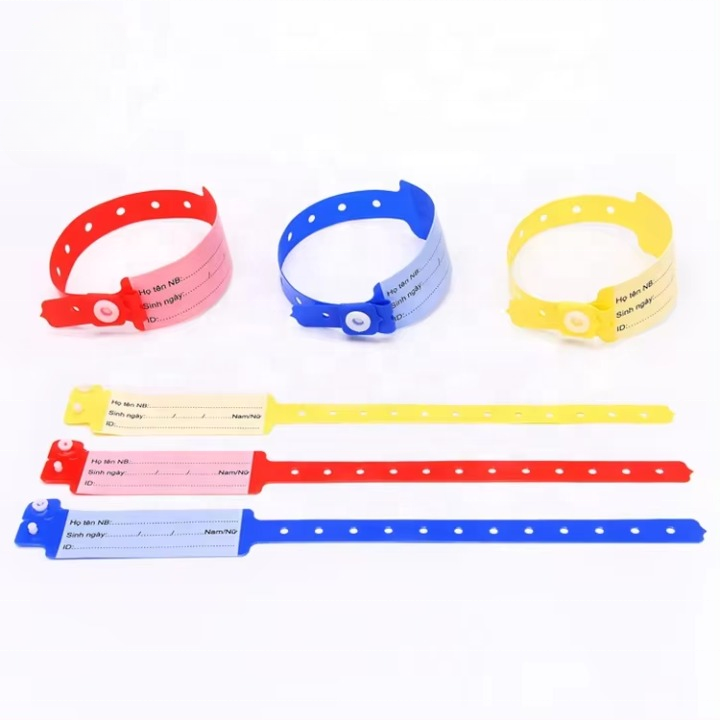
How NFC and QR code medical wristbands give first responders and Good Samaritans instant access to allergies, medications, emergency contacts, and advance directives, closing the information gap in pre-hospital emergency care and enhancing patient safety.
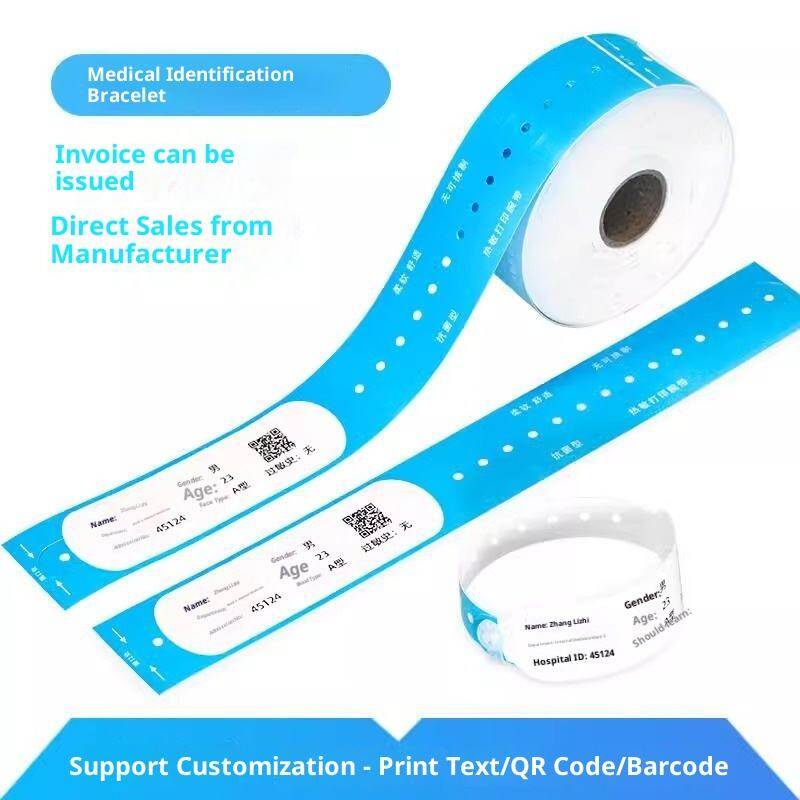
The "Smart Wristband" Era: Real-Time Location Tracking and Continuous Vital Sign Monitoring in Modern Healthcare
How smart patient wristbands with RFID, BLE, and biomedical sensors enable real-time location services, geofencing, fall prevention, and continuous vital signs monitoring, with evidence from Tin Shui Wai Hospital and Houston Methodist.
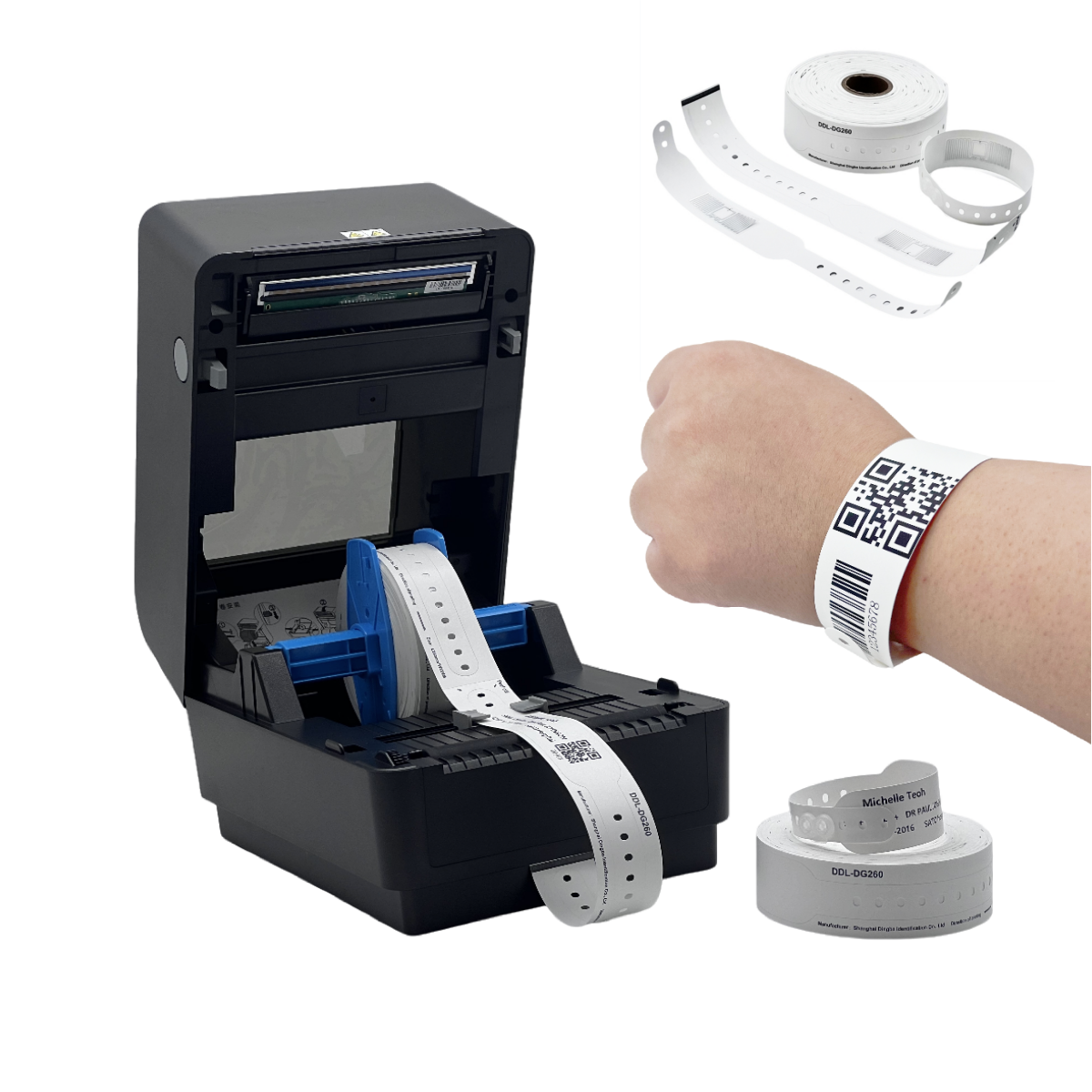
From Blurry Ink to Digital Certainty: How Barcode and RFID Wristbands are Revolutionizing Patient Identification and Healthcare Efficiency
How barcode and RFID patient wristbands transform patient identification: eliminating illegible ink and manual checks, enforcing the Five Rights via BCMA, securing blood transfusions and specimens, enabling RTLS tracking, and building automatic digital audit trails.
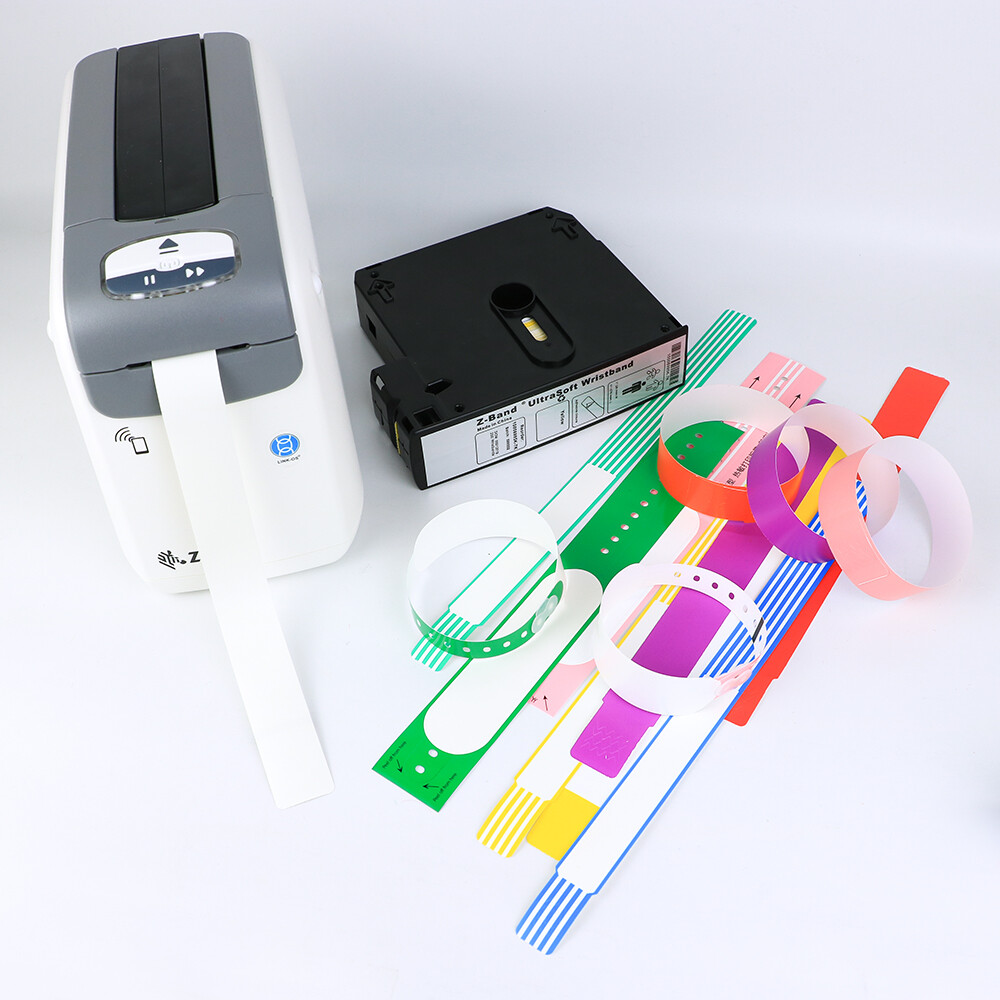
From Admission to Discharge: The Standardized Lifecycle of the Patient Wristband — A Deep Dive into Material Selection, Information Protocols, Application Procedures, Verification Systems, and Safe Removal
The complete lifecycle of the patient wristband: evidence-based material selection, standardized color-coding, bedside information filling, correct application and placement, mandatory two-identifier verification, and safe removal with data-compliant disposal at discharge.
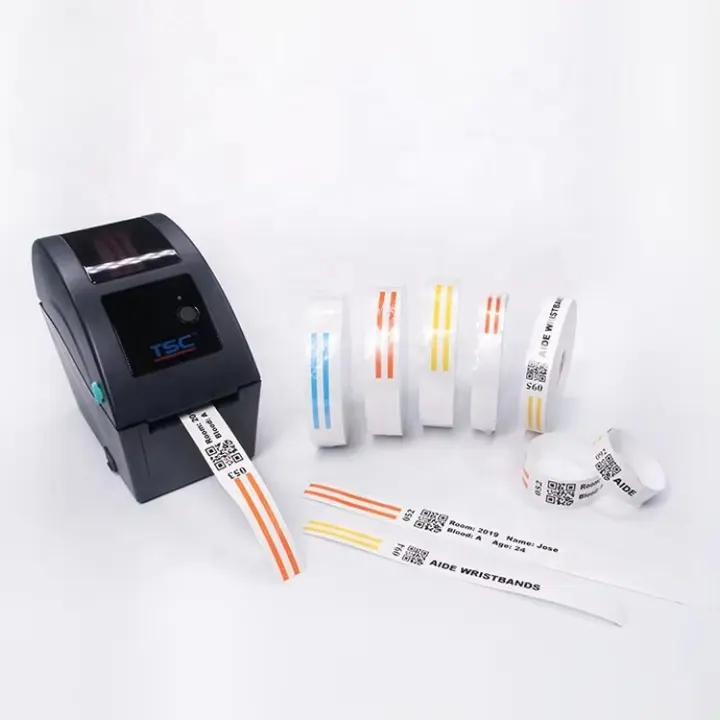
The Silent Guardians: How Patient Wristbands Safeguard the Most Vulnerable — A Deep Dive into Surgical, Comatose, Dementia, and Neonatal Care
How patient wristbands act as silent guardians for those who cannot speak for themselves: surgical patients, comatose ICU patients, dementia patients, and newborns. Protocols, color-coding, community programs, and neonatal dual-band identification explained.
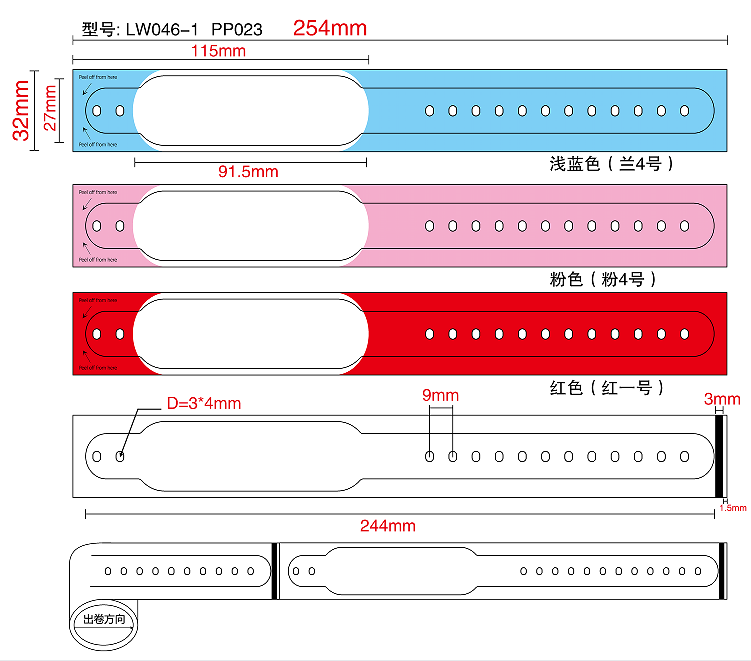
The "Correct Posture" and Patient Safety: An In-Depth Exploration of the Patient Wristband as a Patient's "Identity Card" — Examining Proper Application, Clinical Significance, and Common Pitfalls
An in-depth exploration of the patient wristband as the patient's identity card: proper application, clinical significance, color-coded standardization, common clinical errors, and practical safety interventions.
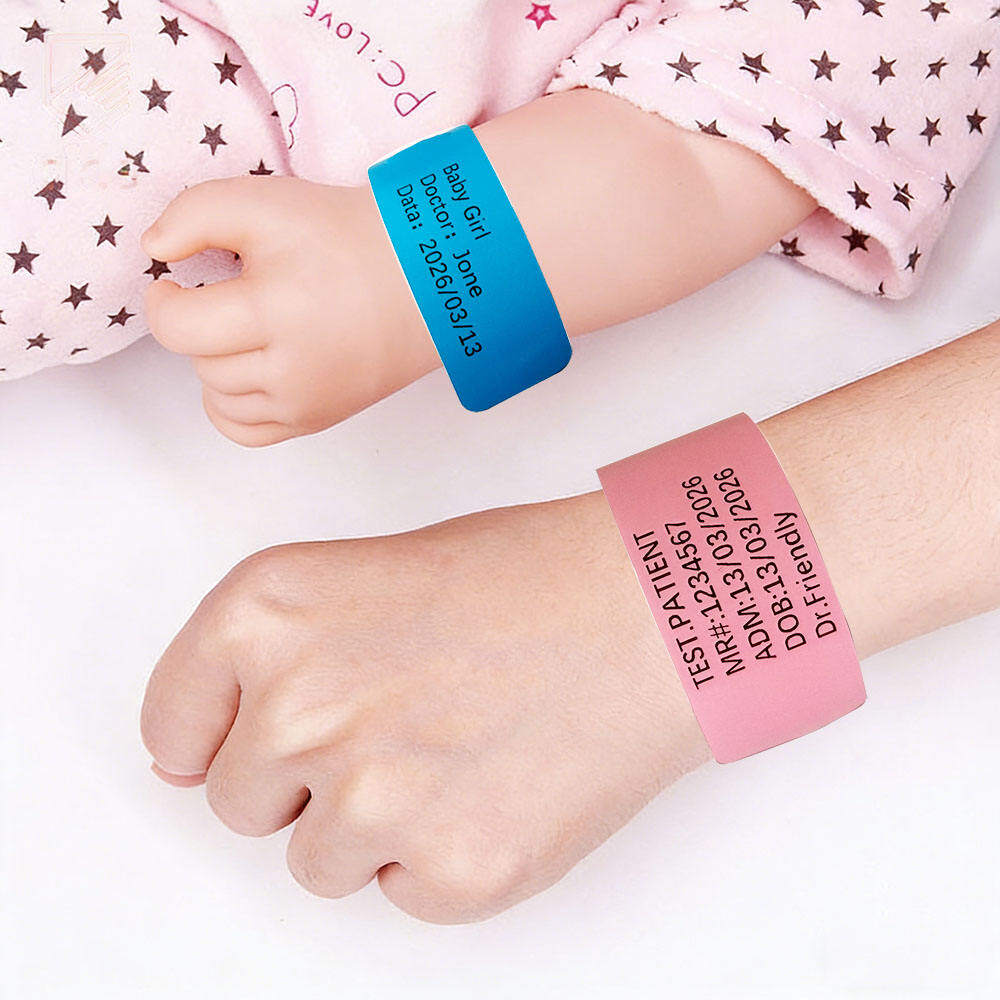
The Critical Role of Maternal-Infant Matching Wristbands in Obstetric Safety: A Comprehensive Analysis of Technology, Protocols, and Best Practices
A comprehensive analysis of maternal-infant matching wristband systems in obstetric safety: physical identifiers, RF/IR security tags, clinical protocols, compliance data, and best practices for newborn identification.
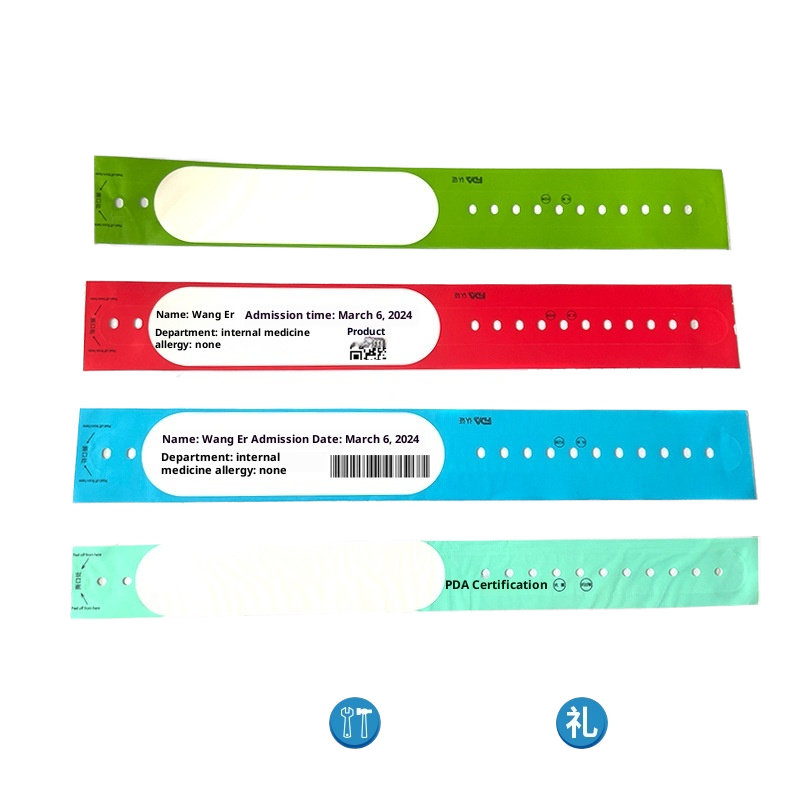
The Unseen Guardian: A Deep Dive into the Patient Wristband as the Bedrock of Healthcare Safety and Operational Efficiency
A comprehensive exploration of the patient wristband as the bedrock of healthcare safety: clinical applications, risk management, barcode and RFID integration, specialized populations, and proper application practices.
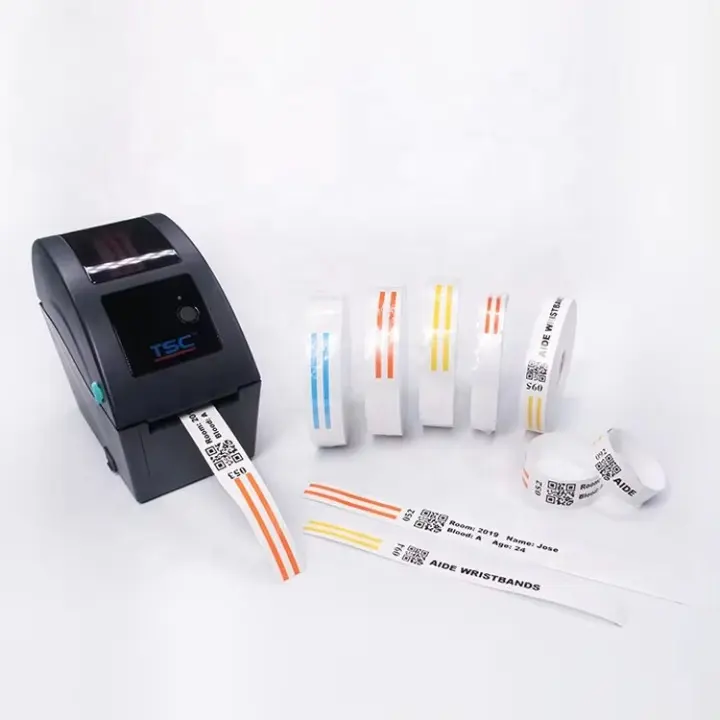
The Unseen Utility: How the Hospital Wristband Has Evolved into a Critical Tool for Post-Discharge Care and Patient Communication
Discover how the hospital wristband has evolved beyond inpatient identification to become a powerful tool for post-discharge communication, reducing readmissions, and enabling remote patient monitoring.