
Blog
Industry insights, product guides, and company news from WeIDMed - your trusted wristband manufacturer.
Latest Articles
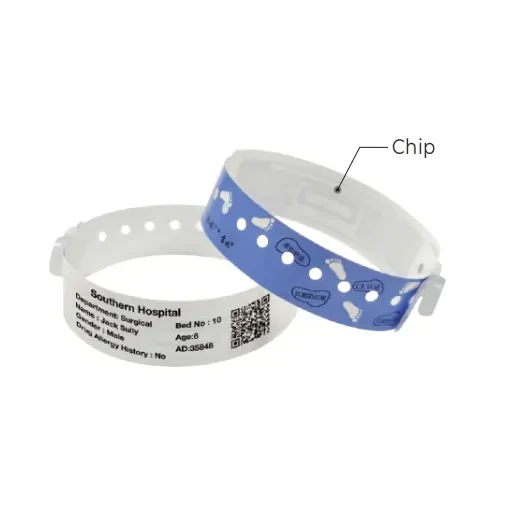
Long-Term Care vs Acute Care: Wristband Strategy Should Not Be One-Size-Fits-All
Acute care nurses scan wristbands during medication administration 53% of the time; long-term care nurses, 8%. The gap is not a training failure but a symptom of porting an acute care wristband strategy into a setting with different residents, durations and safety priorities. This article argues for a differentiated, long-term-care-specific wristband strategy built for patient identification accuracy over months of continuous wear.
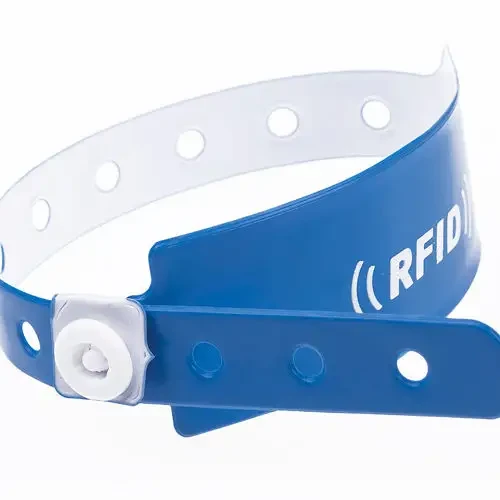
Wristbands in the Emergency Resuscitation Room: The Lowest Margin for Error in the Highest Acuity Setting
The resuscitation room is the highest-acuity setting with the lowest tolerance for identification failure, yet it is where the wristband is most likely to be missing, illegible, or skipped. This article examines why wristband identification collapses under resuscitation pressure and how to design both the band and the workflow for patient identification accuracy when seconds matter.
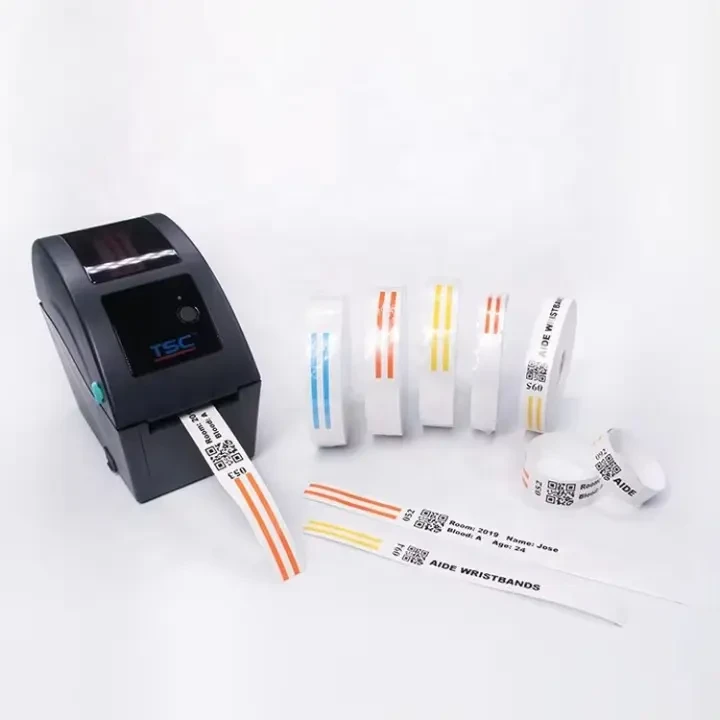
When the Wristband Is Wrong, Who Is Responsible? The Accountability Gap Between Procurement, Nursing, and IT
A patient identification wristband fails, and nobody is sure who owns that failure. Procurement buys it, nursing applies and works around it, IT receives the scan-failure signals. This article maps the structural accountability gap across procurement, nursing and IT, and proposes a shared accountability architecture that makes patient identification accuracy a monitored safety outcome rather than an orphaned commodity metric.
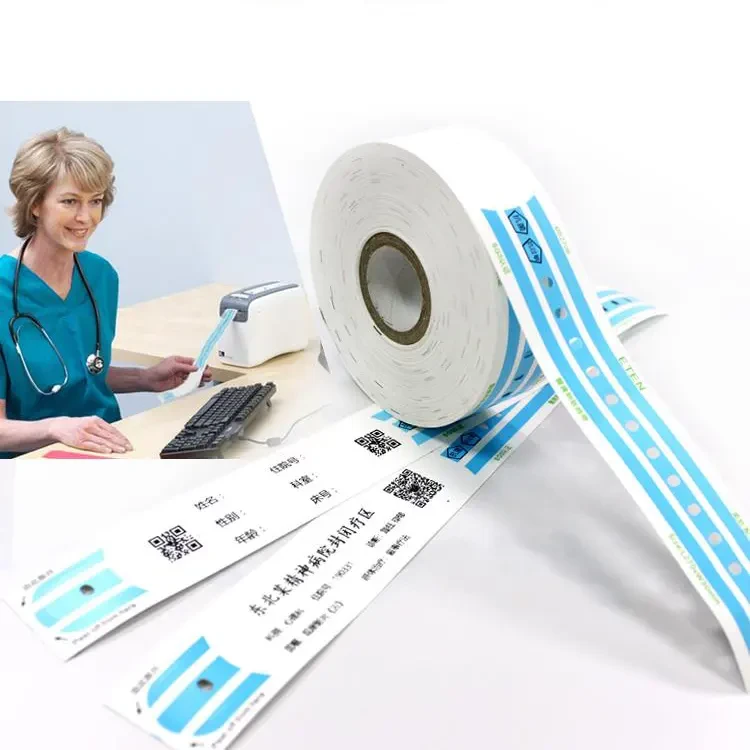
What Does a Nurse Do When Wristband Scanning Fails? The Most Dangerous Workflow Is the Workaround
Wristband scanning failures are routine, and so is the bypass. BCMA workarounds—manual MRN entry, surrogate barcodes, scanning away from the bedside, and skipping the patient scan—remove the machine-verified link between patient and medication. The fix is to design the wristband, workflow and escalation path so the safe action is the easy action, protecting patient identification accuracy at the bedside.
Data Minimization on Wristbands: Why Patient Names and Allergies Should Not Be Stored on the Chip
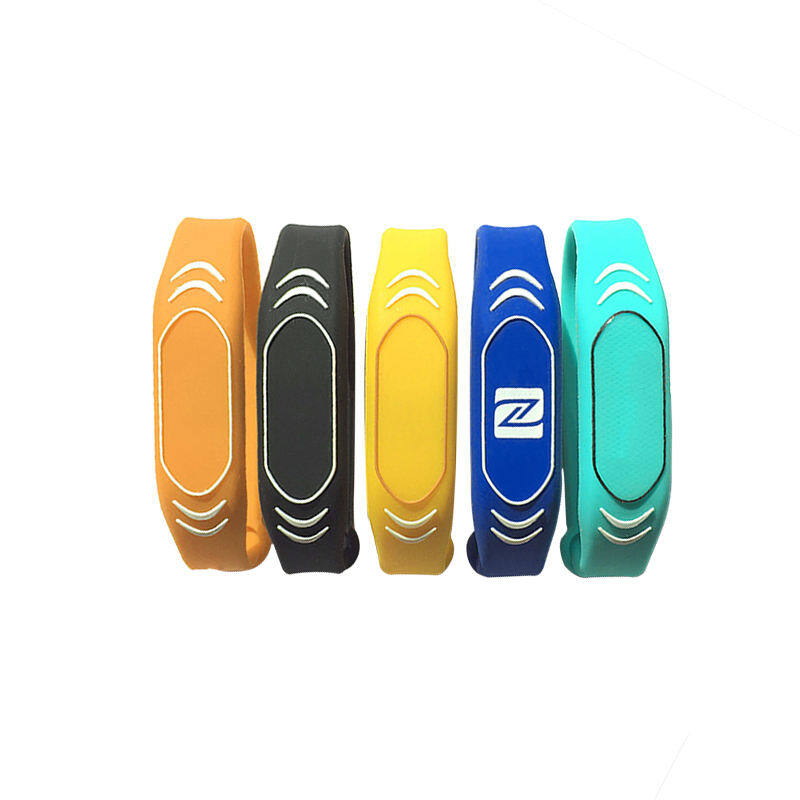
A wristband chip should be a lookup key, not a miniature medical record. Data minimization keeps patient names, allergies and diagnoses in the secured enterprise subsystem—reducing the attack surface of the tag–reader link, eliminating staleness and transcription failure modes, and simplifying HIPAA and GDPR defensibility while preserving patient identification accuracy.
Patients Have the Right to Read Their Own Wristband: From Institutional Check to Shared Responsibility
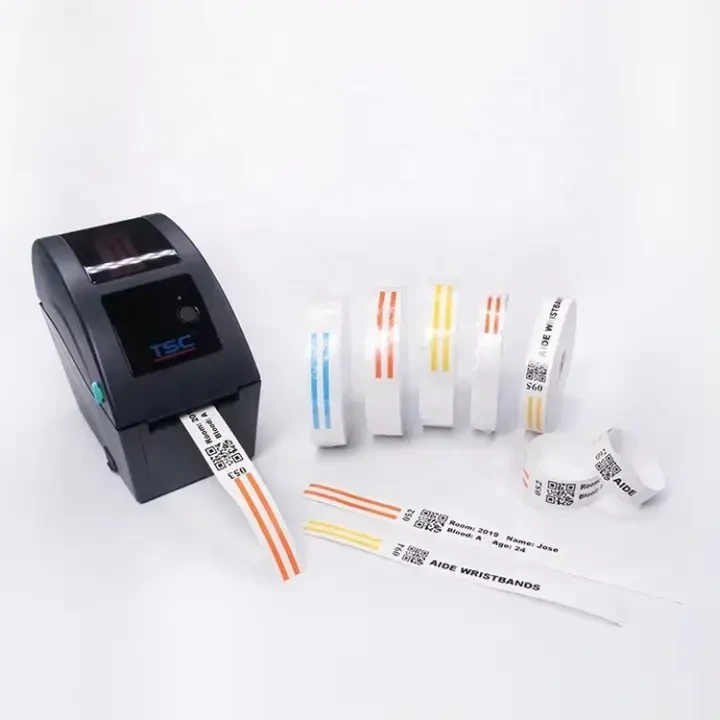
Patient identification errors persist because wristband verification is treated as something done to patients rather than with them. Recognising the patient's right to read, question and safeguard their own wristband adds a human verification layer that scanning cannot replicate—strengthening patient identification accuracy across standard bands, extended-length wristbands, bariatric patient wristbands and ankle bands.
All Articles
When the Wristband Becomes a Digital Token: From Passive Identifier to Active Workflow Trigger
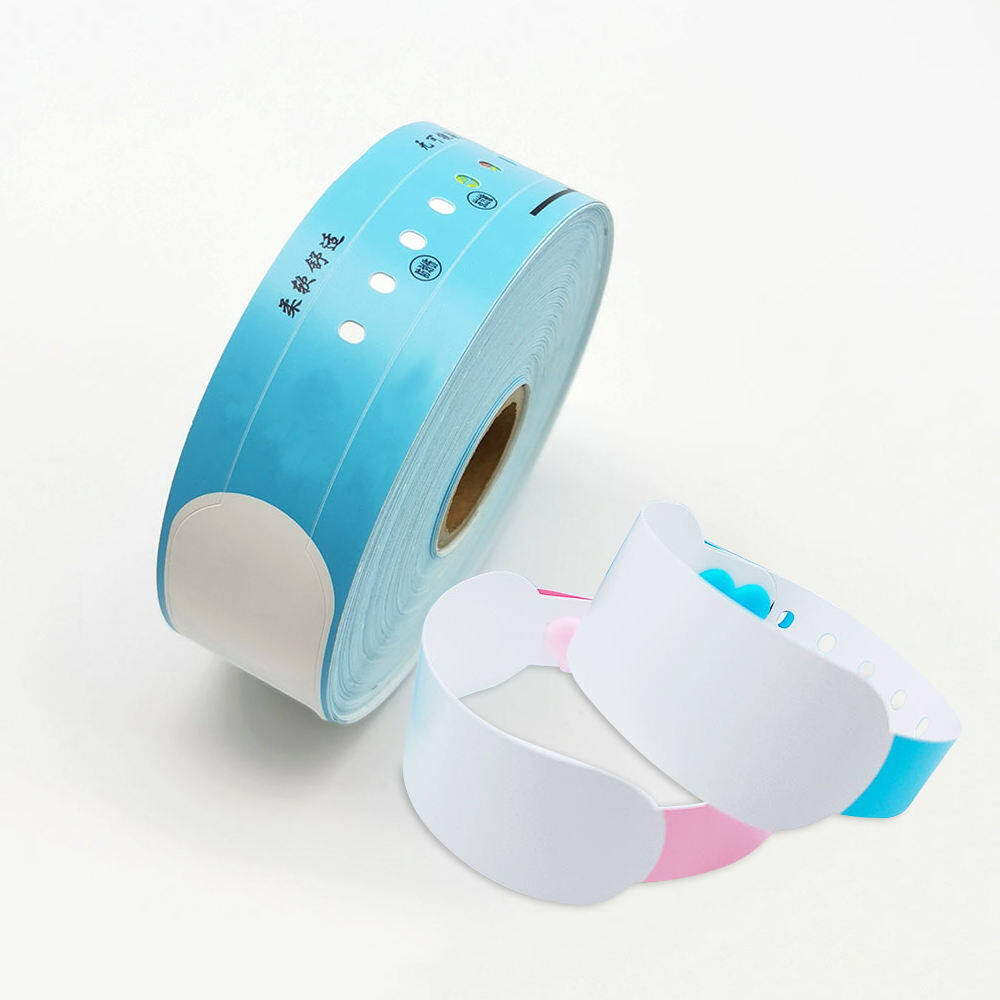
The patient wristband is shifting from passive label to active digital token: an RFID or NFC credential that triggers medication cabinets, access control and workflow loops. Review the Hong Kong RFID case study, the key-not-data architecture, and what failed reads mean for patient identification accuracy, including extended-length wristbands, bariatric patient wristbands and ankle bands.
Wristband Material Allergy: An Underestimated Source of Nursing Complaints
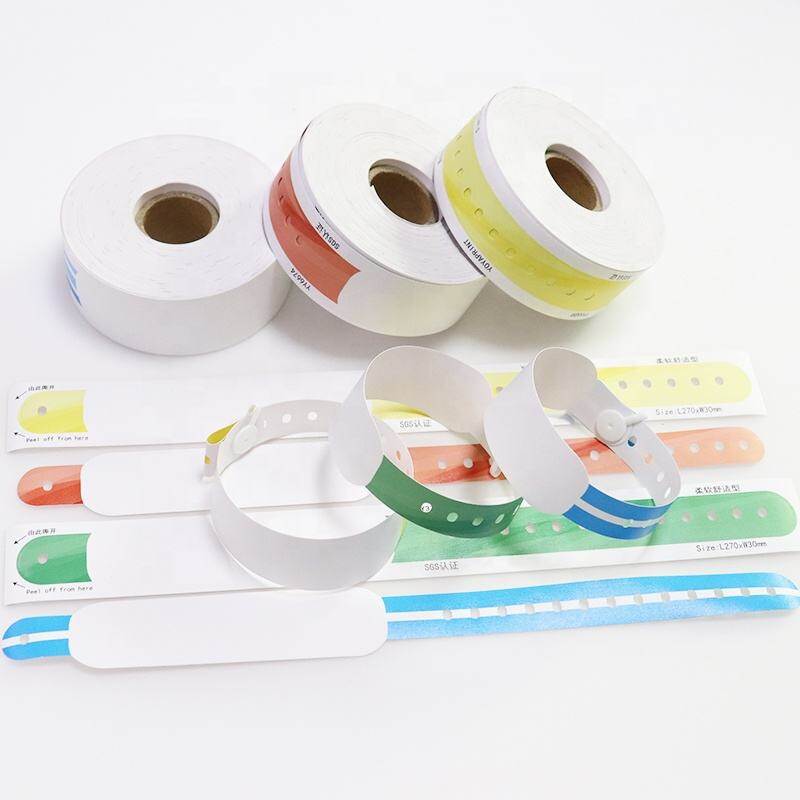
An itchy wrist is a data point, not a nuisance. Peer-reviewed case reports link hospital wristband contact dermatitis to acrylate allergens such as 1,6-HDDA in adhesives and plastics. See why nursing sees these reactions first and reports them least, what barrier workarounds conceal, and how hypoallergenic specification protects patient identification accuracy across adult stock, bariatric patient wristbands, extended-length wristbands and ankle bands.
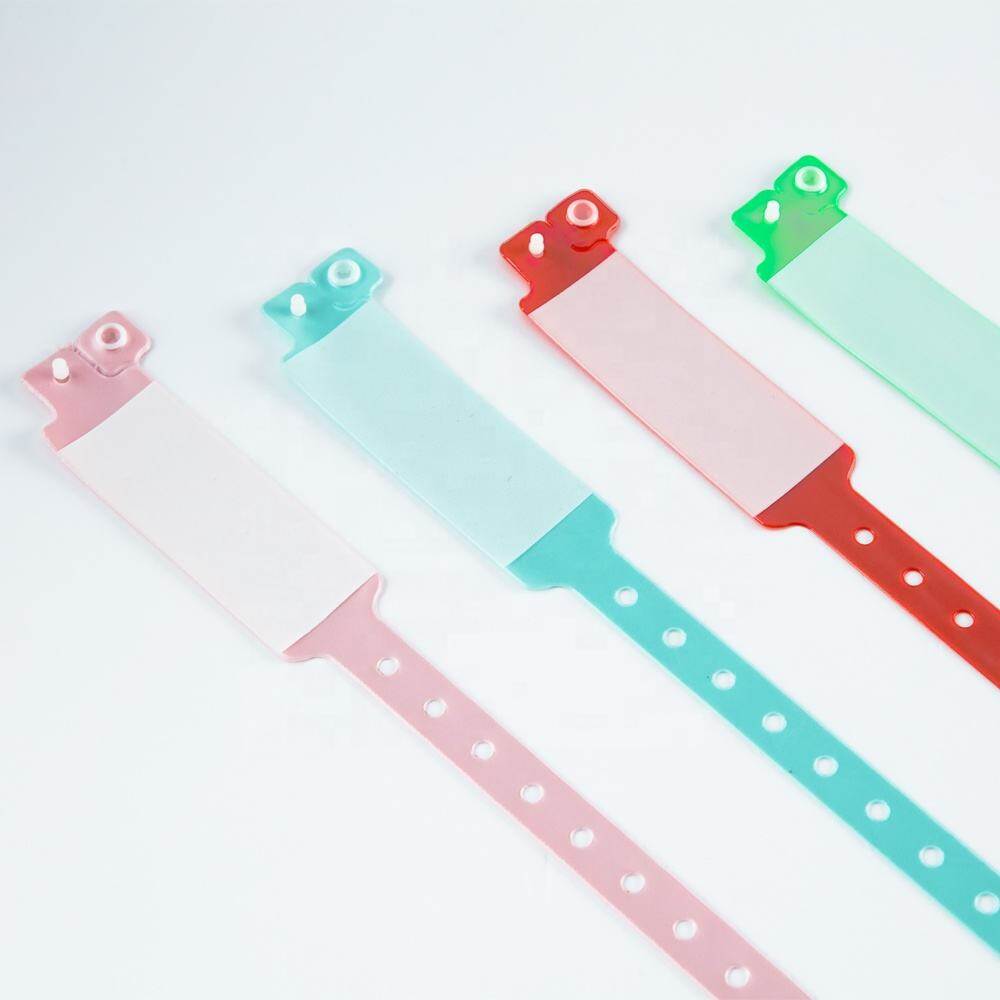
The Patient Took Off the Wristband: Adhesive Closure vs Snap Closure as a Safety Divide
When a patient removes a hospital wristband, the closure is usually why. Compare adhesive vs snap closures and tamper-evident wristbands against CAP and Q-Tracks data on missing wristbands, and see how closure choice by unit—ED, inpatient, behavioral health, neonatal—protects patient identification accuracy, including for bariatric patient wristbands, extended-length wristbands and ankle bands.
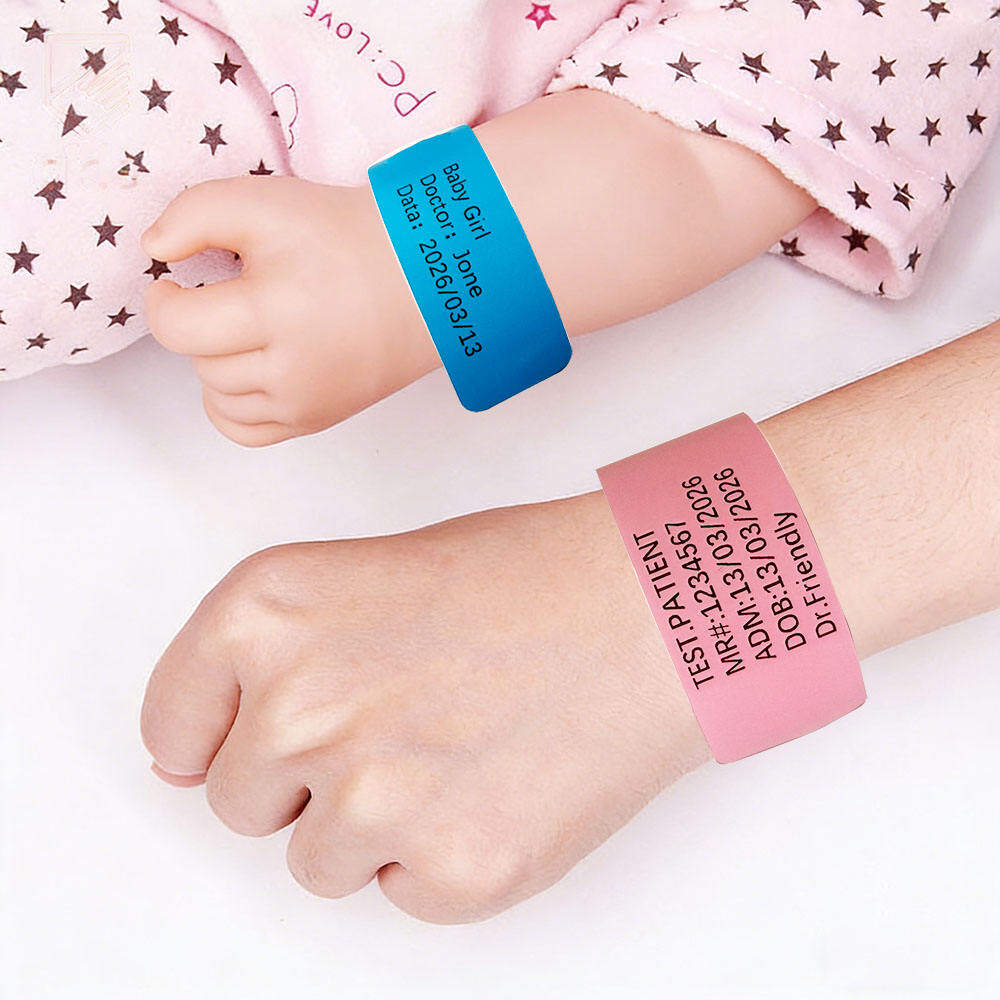
Neonatal NICU Wristband Requirements: Why Adult Standards Are Not Enough
A neonatal identification band is not a scaled-down adult wristband. Neonatal wristband requirements cover latex-free soft vinyl material, a metal-free vinyl clasp closure, a manufactured 16 cm length and high-contrast legibility, because NICU patient identification depends on a band that survives weeks of wear. See why adult and paediatric stock fails newborns, how ankle bands and extended-length wristbands differ, and the checklist that protects patient identification accuracy in the nursery.
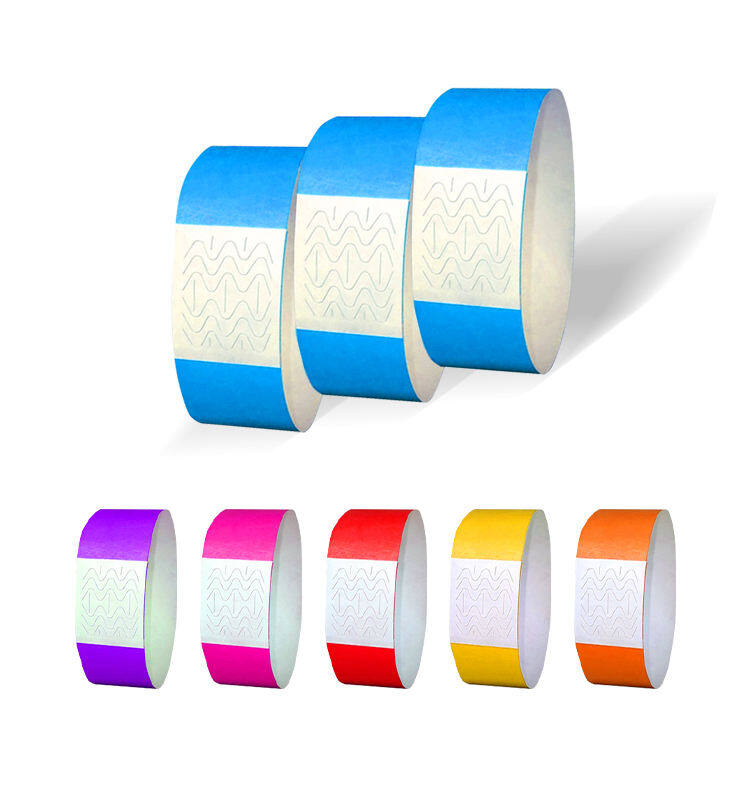
Does the Barcode Survive Ten Alcohol Wipes? The Clinical Case for Wristband Durability Testing
High-compliance units destroy patient wristbands faster than anyone expects. A structured wristband durability testing protocol answers one question for ICU and infectious disease procurement: after ten alcohol wipes, is the barcode still scannable? Compare direct thermal, thermal transfer, laser and RFID media for patient identification accuracy in alcohol-heavy units, and learn why tolerance-tested stock also matters for bariatric patient wristbands, extended-length wristbands and ankle bands tracked under CAP Q-Probes style quality programs.
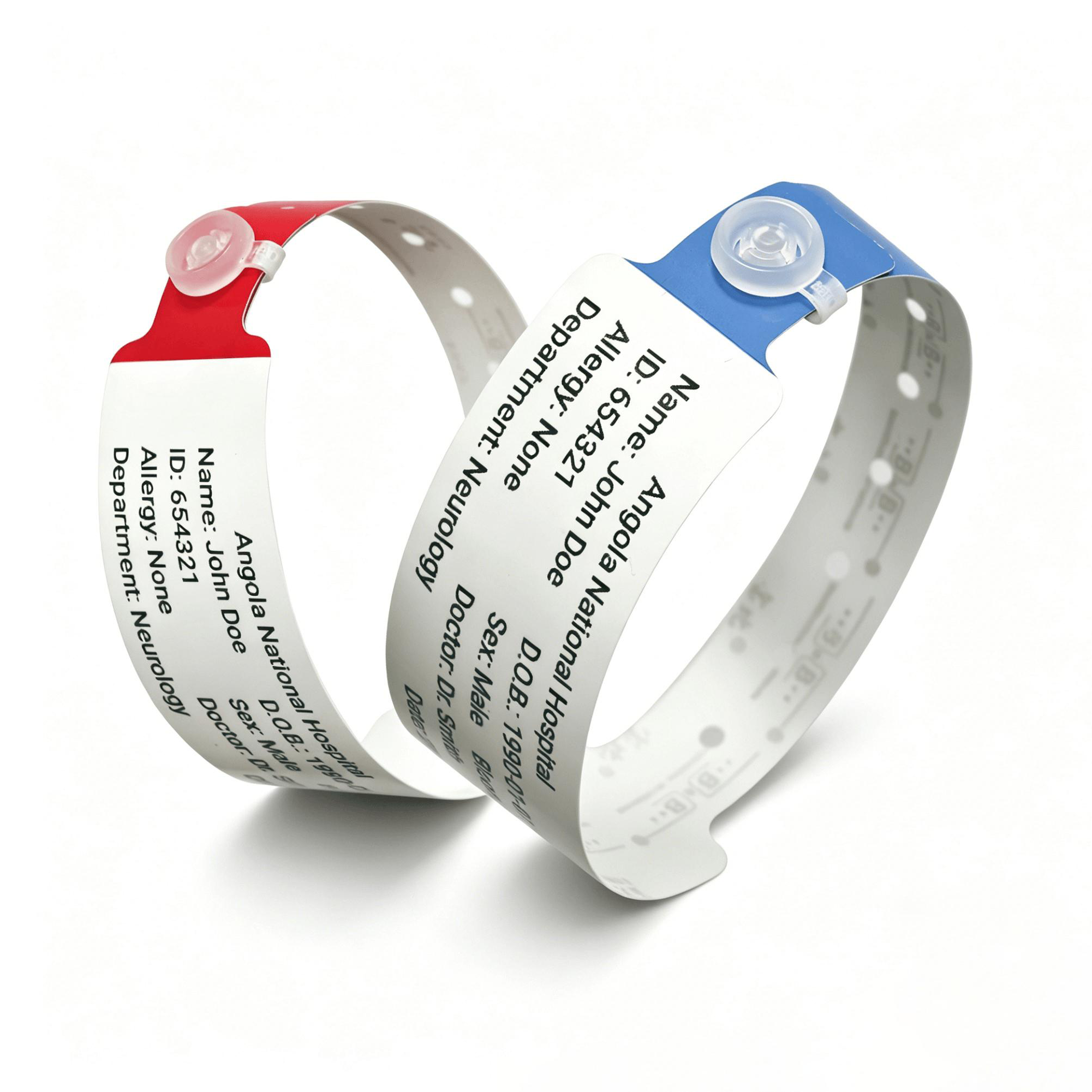
5 Safety Audit Checks Before Your Wristband Contract Renewal
Before you sign a wristband contract renewal or switch GPO contracts, run these five operational checks: barcode scan success rate at the point of care, closure integrity and tamper evidence, printed identifier legibility after exposure, skin compatibility across vulnerable populations, and printer compatibility plus consumable supply chain resilience. Includes bariatric patient wristbands, extended-length wristbands, ankle bands and CAP Q-Probes benchmarks for patient identification accuracy.
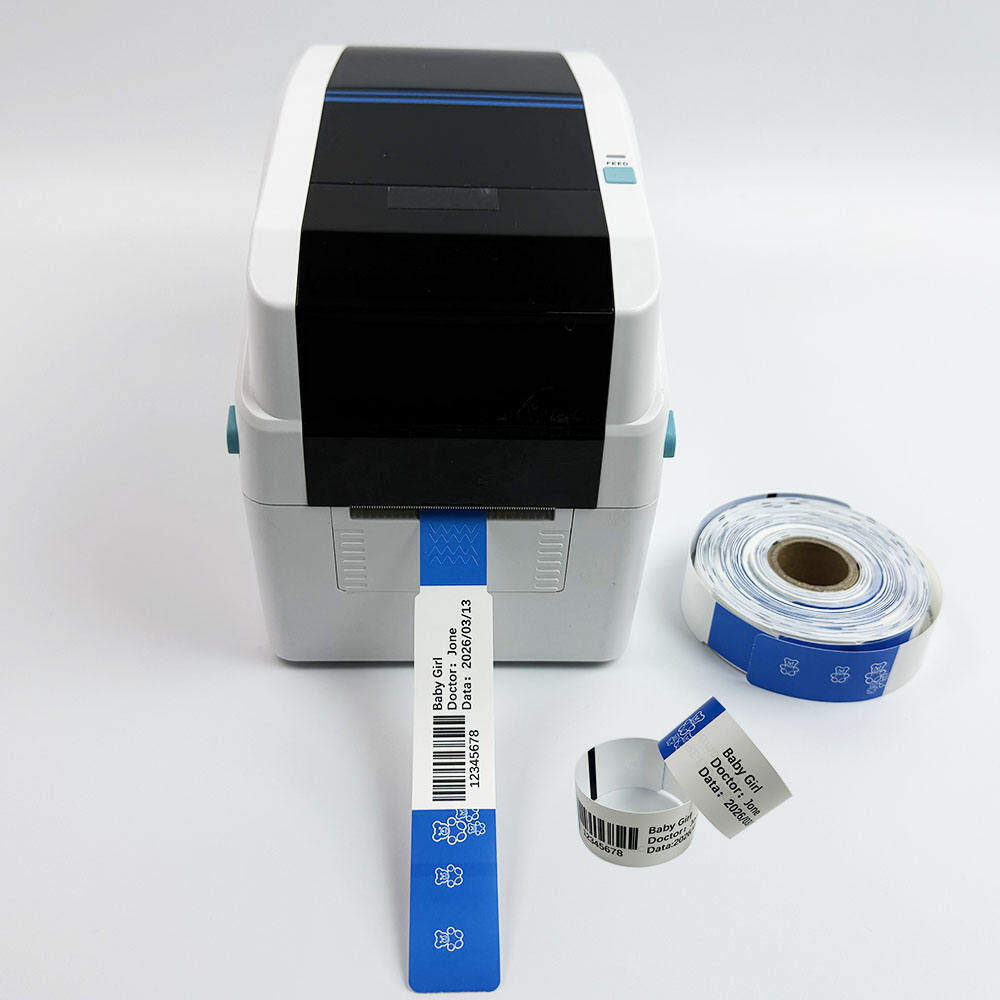
Thermal vs Laser Wristbands: What Your Printer Setup Says About What You Should Buy
Direct thermal and laser wristbands require fundamentally different printer configurations. This guide compares Zebra desktop printer ecosystems, Z-Band direct thermal materials and LaserBand2 sheet media, covering printer compatibility, durability, pediatric sizes, ankle bands, color coding and a practical procurement checklist for patient identification accuracy.
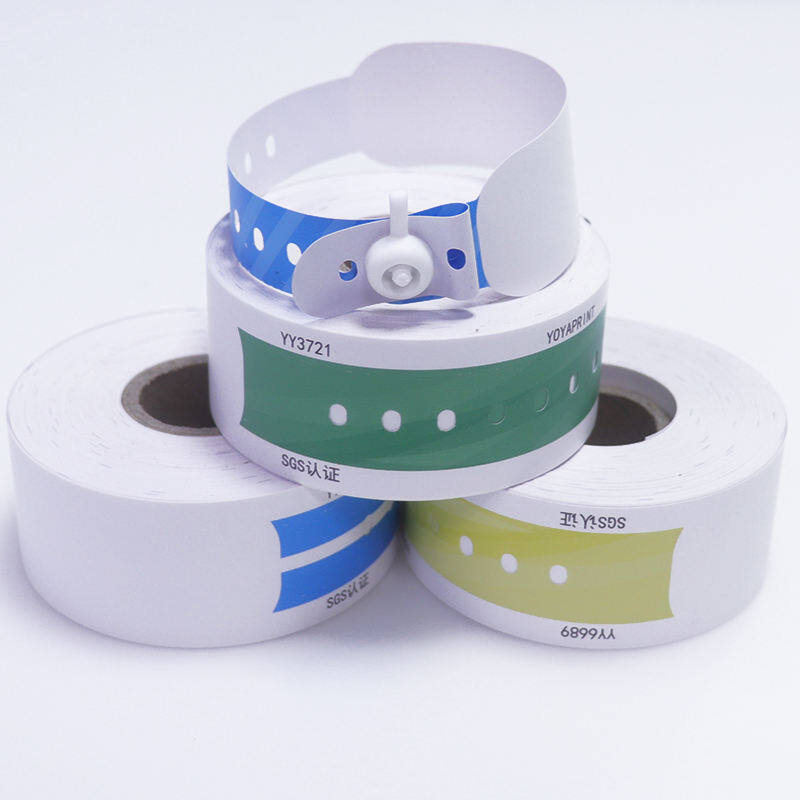
The Hidden Procurement Gap: Why Adult Wristbands Should Never Be Cut for Pediatric and Neonatal Patients
Cutting adult wristbands for pediatric and neonatal patients destroys barcode integrity and patient identification accuracy. Procurement must specify pediatric wristbands, infant ID bands, and ankle bands as separate line items.
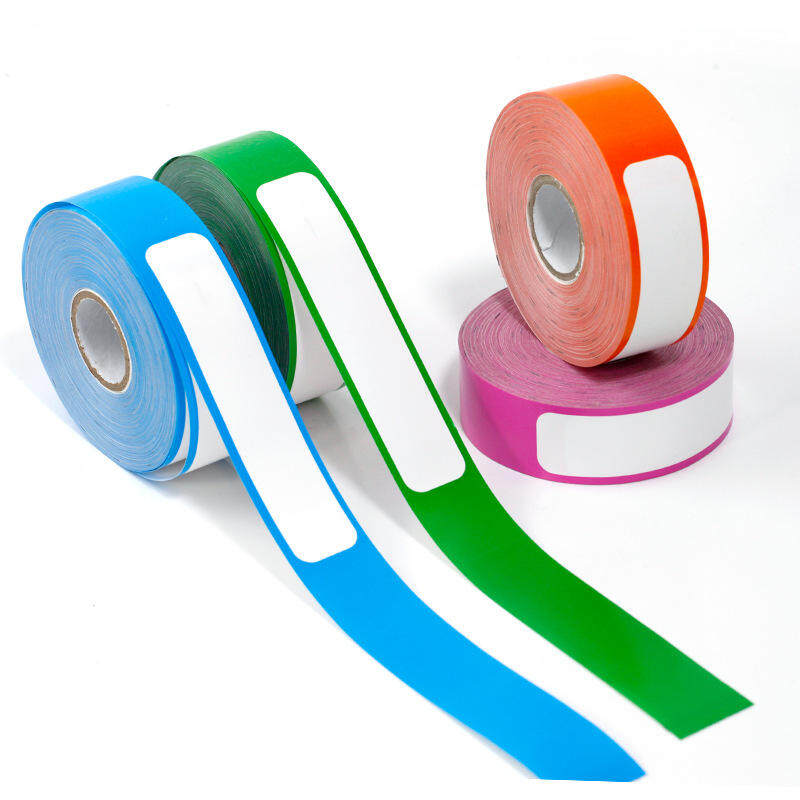
The Hidden Costs of Cheap Thermal Wristbands: Why the "Budget" Option Costs More
Cheap thermal wristbands may save pennies upfront, but the total cost of ownership tells a different story. From high reprint rates and barcode scan failures to BCMA workarounds and patient misidentification, the budget option quietly drains nursing hours and compromises patient identification accuracy across every clinical workflow.
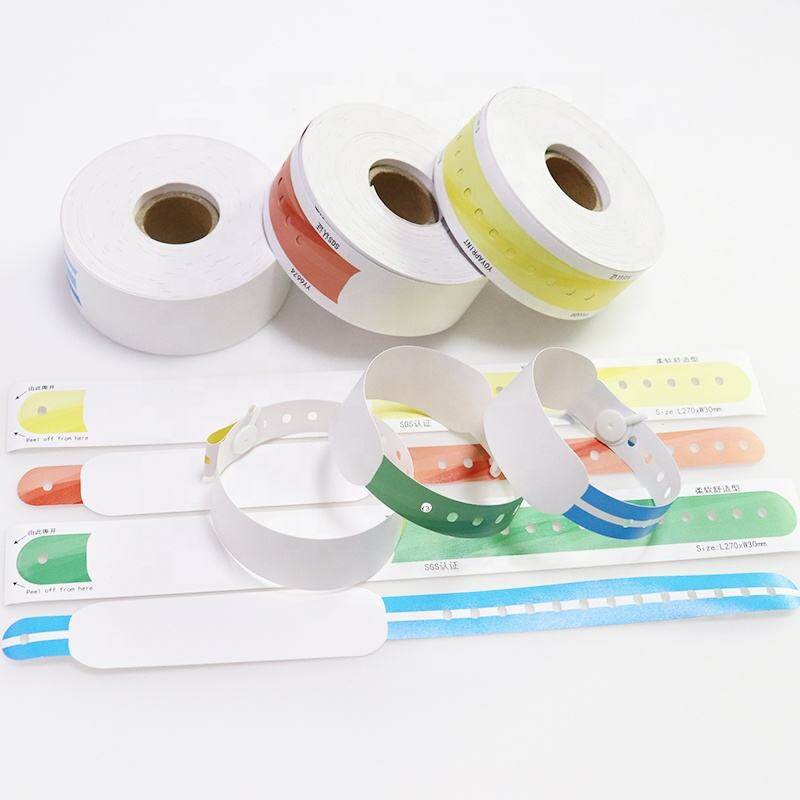
Barcode vs RFID Patient Wristbands: A Department-by-Department Selection Framework for Hospitals
A practical, evidence-informed barcode vs RFID wristband selection framework for hospitals: how read distance, line-of-sight, simultaneous reading, cost and department risk profiles decide where each technology protects patient identification accuracy best.