
Blog
Industry insights, product guides, and company news from WeIDMed - your trusted wristband manufacturer.
Latest Articles
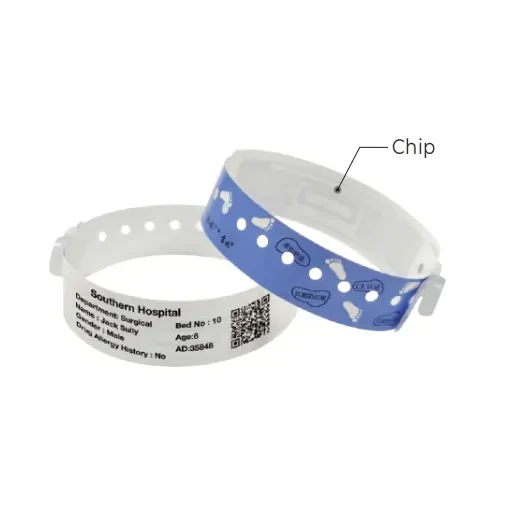
Long-Term Care vs Acute Care: Wristband Strategy Should Not Be One-Size-Fits-All
Acute care nurses scan wristbands during medication administration 53% of the time; long-term care nurses, 8%. The gap is not a training failure but a symptom of porting an acute care wristband strategy into a setting with different residents, durations and safety priorities. This article argues for a differentiated, long-term-care-specific wristband strategy built for patient identification accuracy over months of continuous wear.
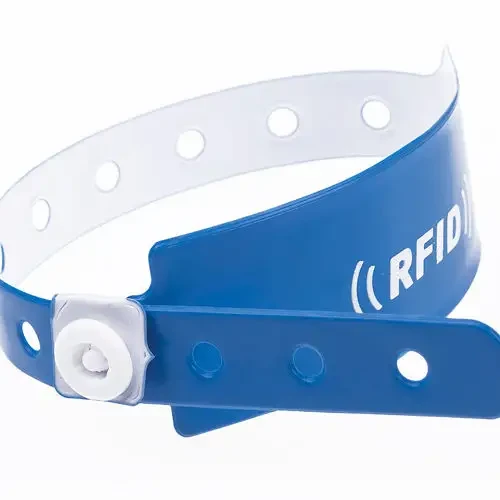
Wristbands in the Emergency Resuscitation Room: The Lowest Margin for Error in the Highest Acuity Setting
The resuscitation room is the highest-acuity setting with the lowest tolerance for identification failure, yet it is where the wristband is most likely to be missing, illegible, or skipped. This article examines why wristband identification collapses under resuscitation pressure and how to design both the band and the workflow for patient identification accuracy when seconds matter.
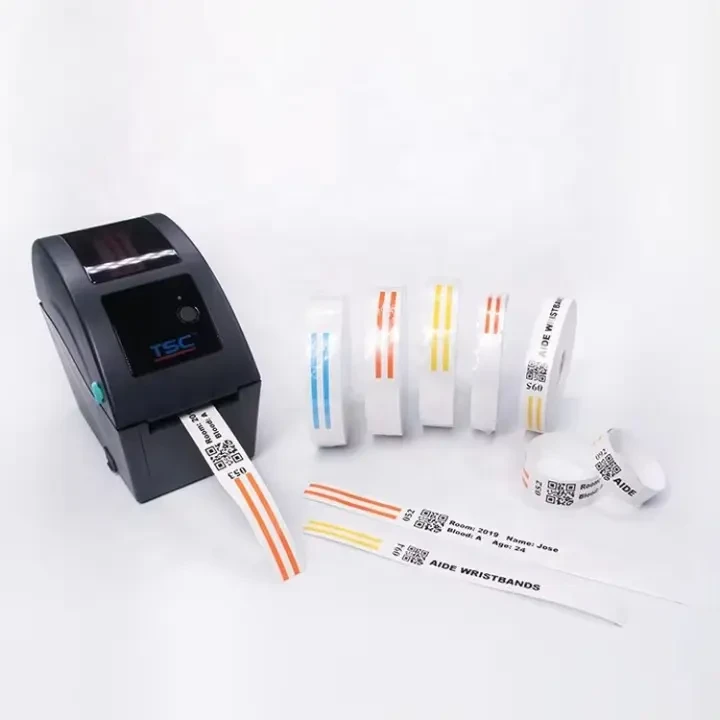
When the Wristband Is Wrong, Who Is Responsible? The Accountability Gap Between Procurement, Nursing, and IT
A patient identification wristband fails, and nobody is sure who owns that failure. Procurement buys it, nursing applies and works around it, IT receives the scan-failure signals. This article maps the structural accountability gap across procurement, nursing and IT, and proposes a shared accountability architecture that makes patient identification accuracy a monitored safety outcome rather than an orphaned commodity metric.
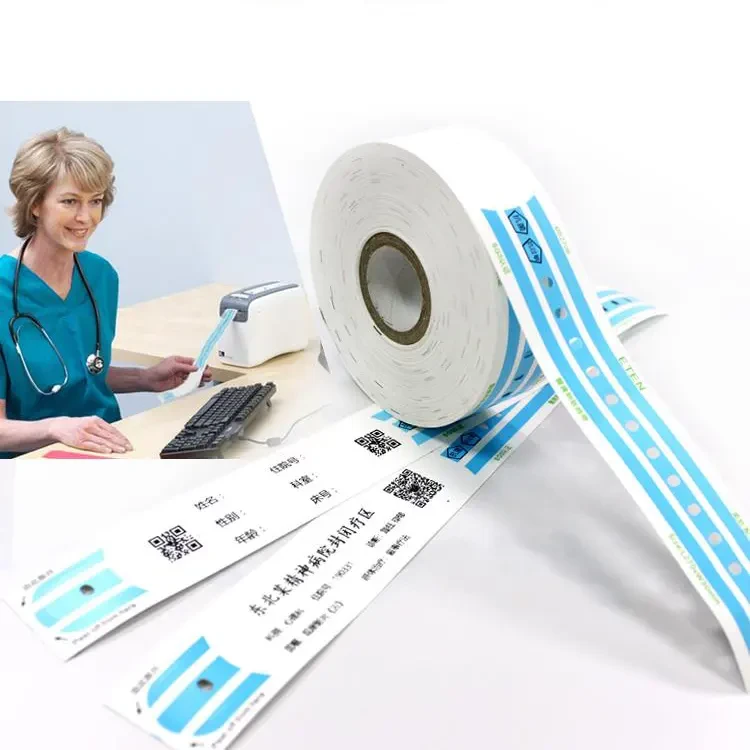
What Does a Nurse Do When Wristband Scanning Fails? The Most Dangerous Workflow Is the Workaround
Wristband scanning failures are routine, and so is the bypass. BCMA workarounds—manual MRN entry, surrogate barcodes, scanning away from the bedside, and skipping the patient scan—remove the machine-verified link between patient and medication. The fix is to design the wristband, workflow and escalation path so the safe action is the easy action, protecting patient identification accuracy at the bedside.
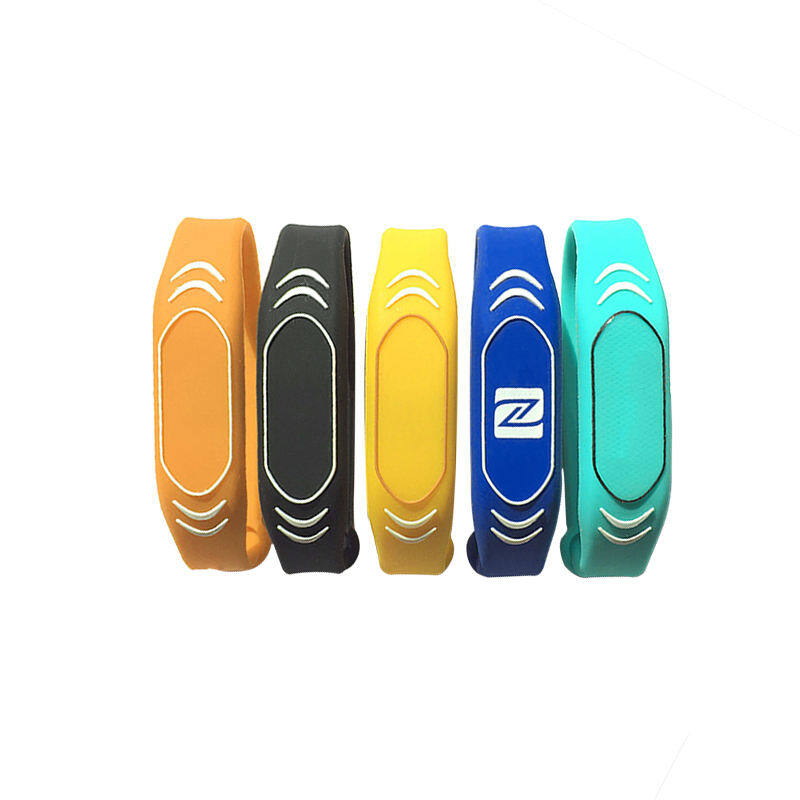
Data Minimization on Wristbands: Why Patient Names and Allergies Should Not Be Stored on the Chip
A wristband chip should be a lookup key, not a miniature medical record. Data minimization keeps patient names, allergies and diagnoses in the secured enterprise subsystem—reducing the attack surface of the tag–reader link, eliminating staleness and transcription failure modes, and simplifying HIPAA and GDPR defensibility while preserving patient identification accuracy.
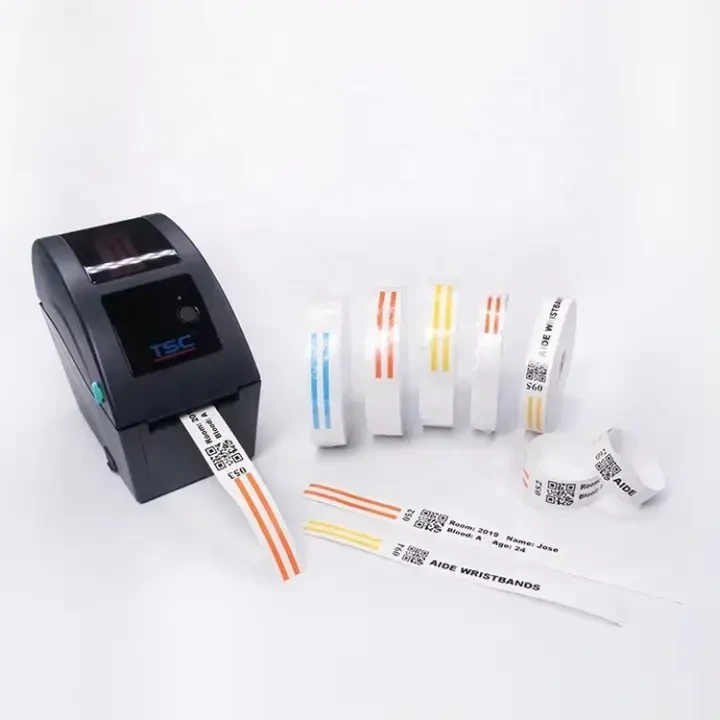
Patients Have the Right to Read Their Own Wristband: From Institutional Check to Shared Responsibility
Patient identification errors persist because wristband verification is treated as something done to patients rather than with them. Recognising the patient's right to read, question and safeguard their own wristband adds a human verification layer that scanning cannot replicate—strengthening patient identification accuracy across standard bands, extended-length wristbands, bariatric patient wristbands and ankle bands.
All Articles
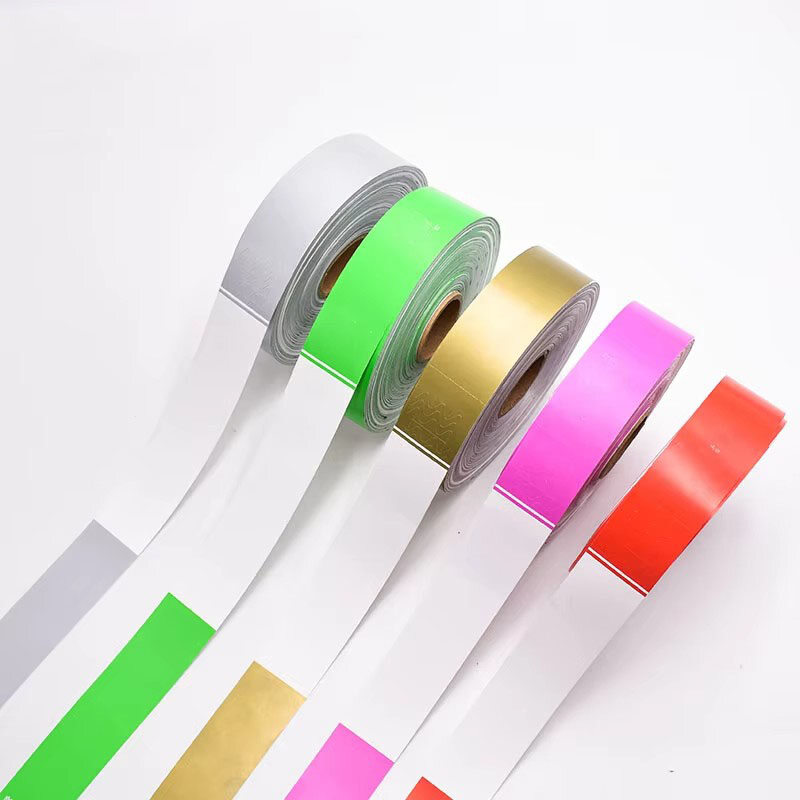
Can You Autoclave or Sterilize Patient Wristbands? Material Limits Explained
Can patient wristbands be autoclaved or sterilized for reuse? Learn why most wristbands are single-use, the temperature limits of paper, thermal, TPU and silicone materials, and safe cleaning alternatives.
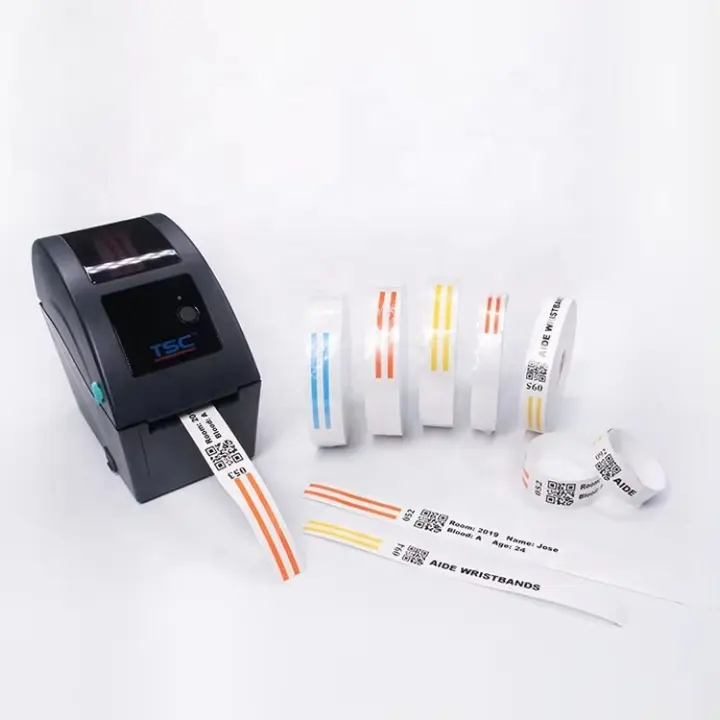
Wristband Barcode Symbologies: Code 128 vs QR vs Data Matrix for Hospitals
Code 128, QR Code or Data Matrix? Compare data capacity, error correction, symbol size and scanner requirements to choose the right wristband barcode symbology for your hospital.
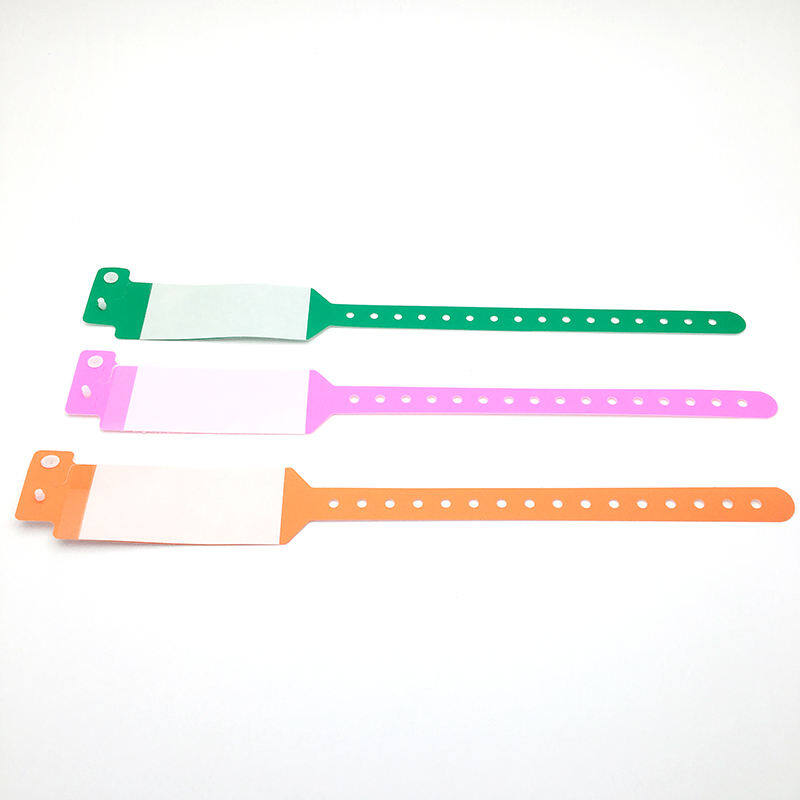
Why Thermal Wristbands Turn Black or Fade: Heat, Sunlight, and Chemical Exposure
Why do thermal wristbands turn black before use or fade after printing? Learn how heat, sunlight and chemical exposure damage direct thermal materials, and how proper storage keeps barcodes scannable.
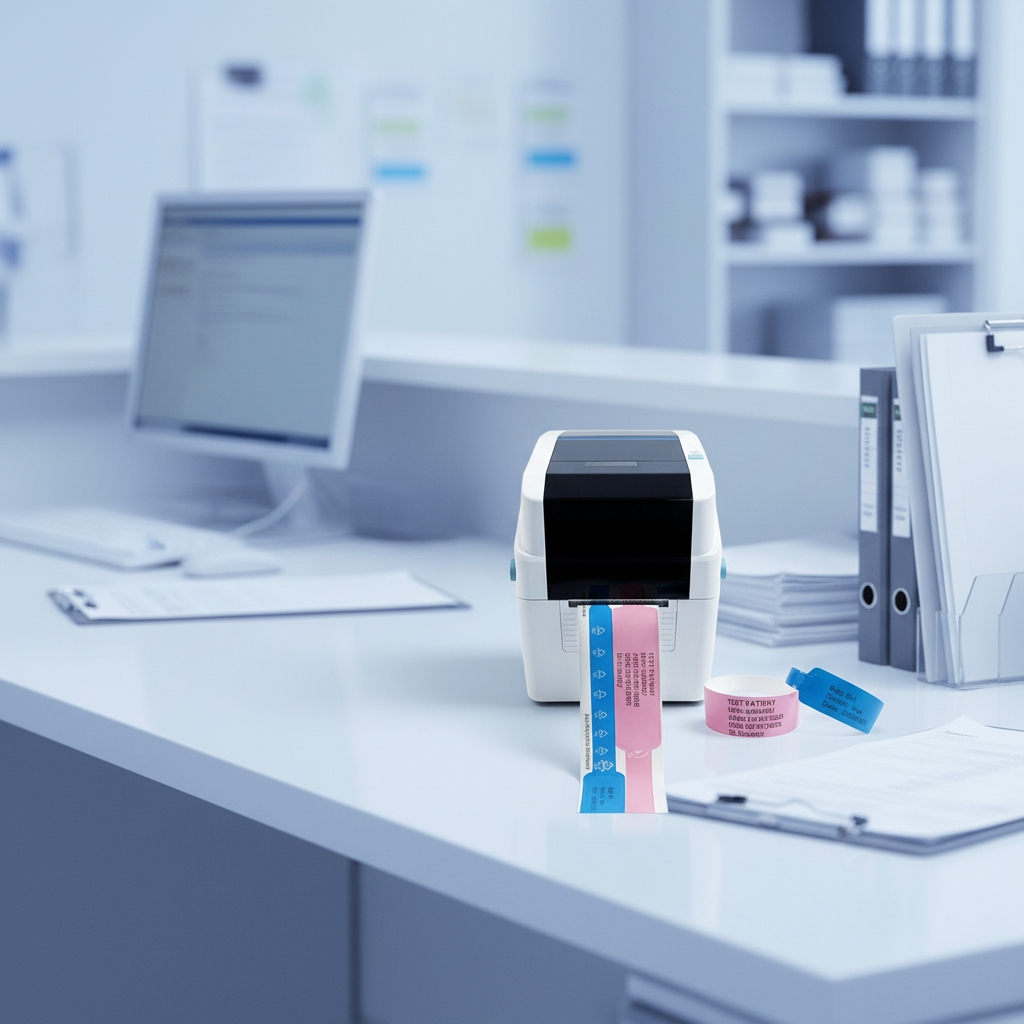
Direct Thermal Wristband Shelf Life: How Long Can You Store Them?
How long can direct thermal wristbands be stored? A practical guide to shelf life, storage conditions, post-printing scannability and best practices for hospitals and warehouses.
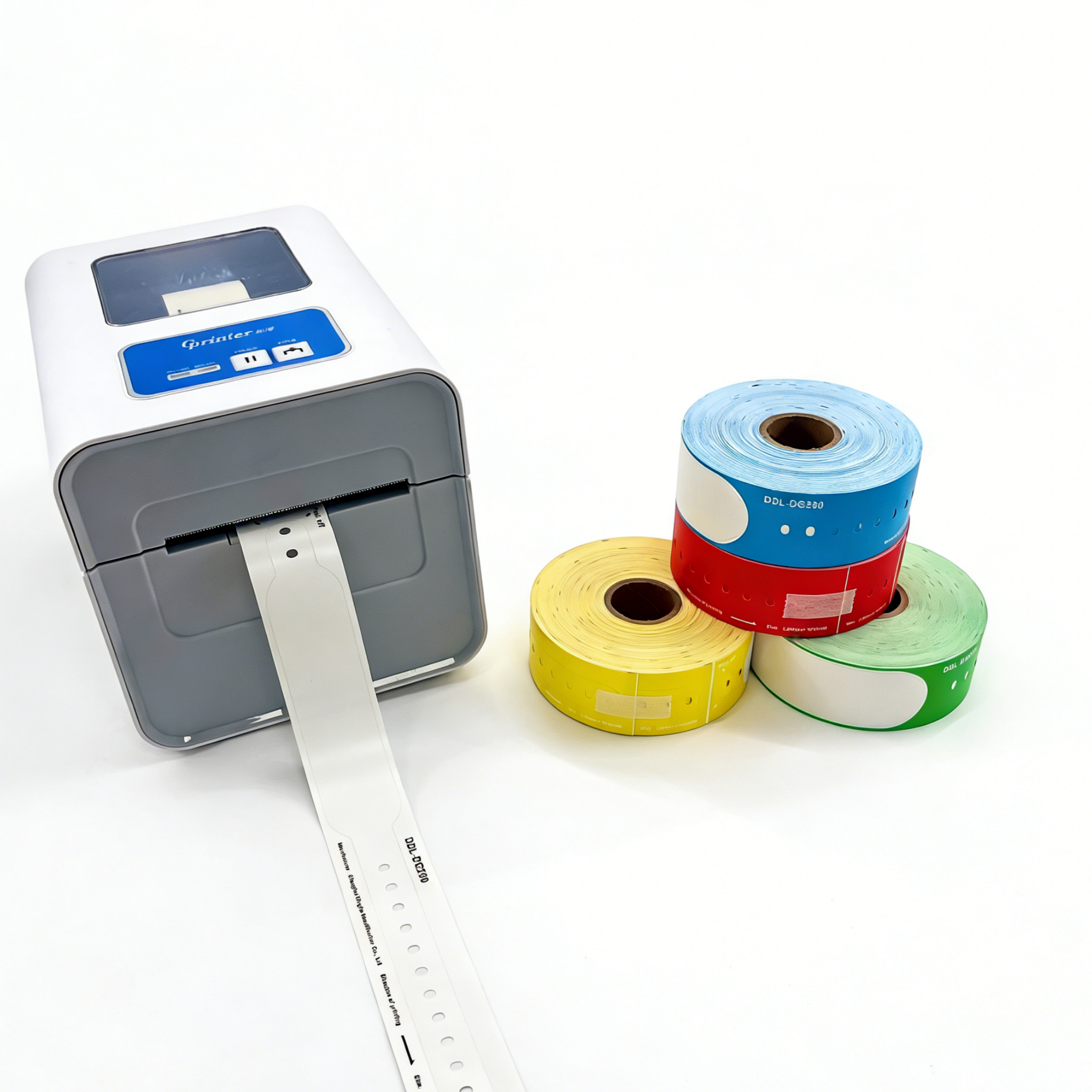
Wristband Inventory Management: How Hospitals Avoid Stockouts and Waste
A practical guide to hospital wristband inventory management: demand forecasting, reorder points, safety stock, storage best practices, waste reduction and technology-enabled replenishment.
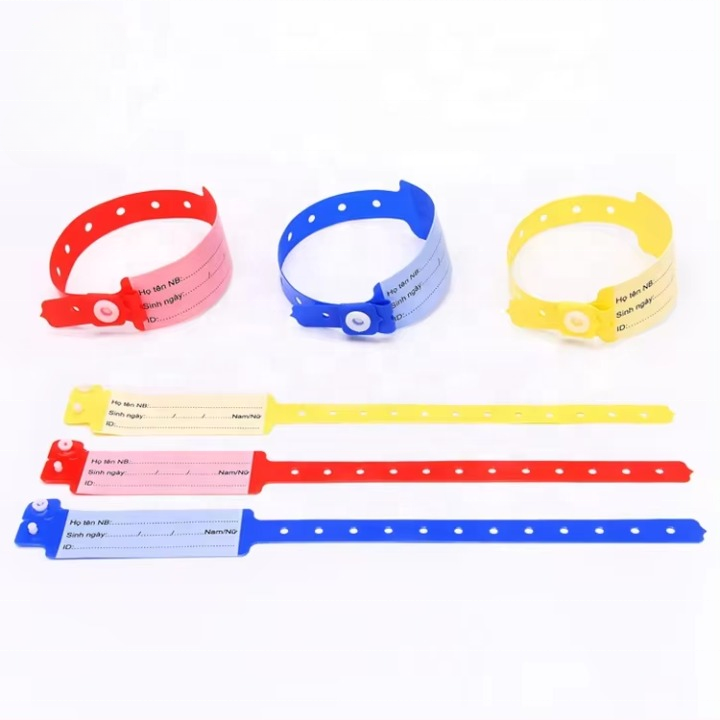
Medical Wristband MOQ and Custom Printing: What Importers Need to Know
A practical importer guide to medical wristband MOQ and custom printing: typical MOQ ranges by product type, printing methods, artwork requirements, quality control, compliance and sourcing strategies.
How Much Do Patient Wristbands Cost? A 2026 Price Breakdown by Type
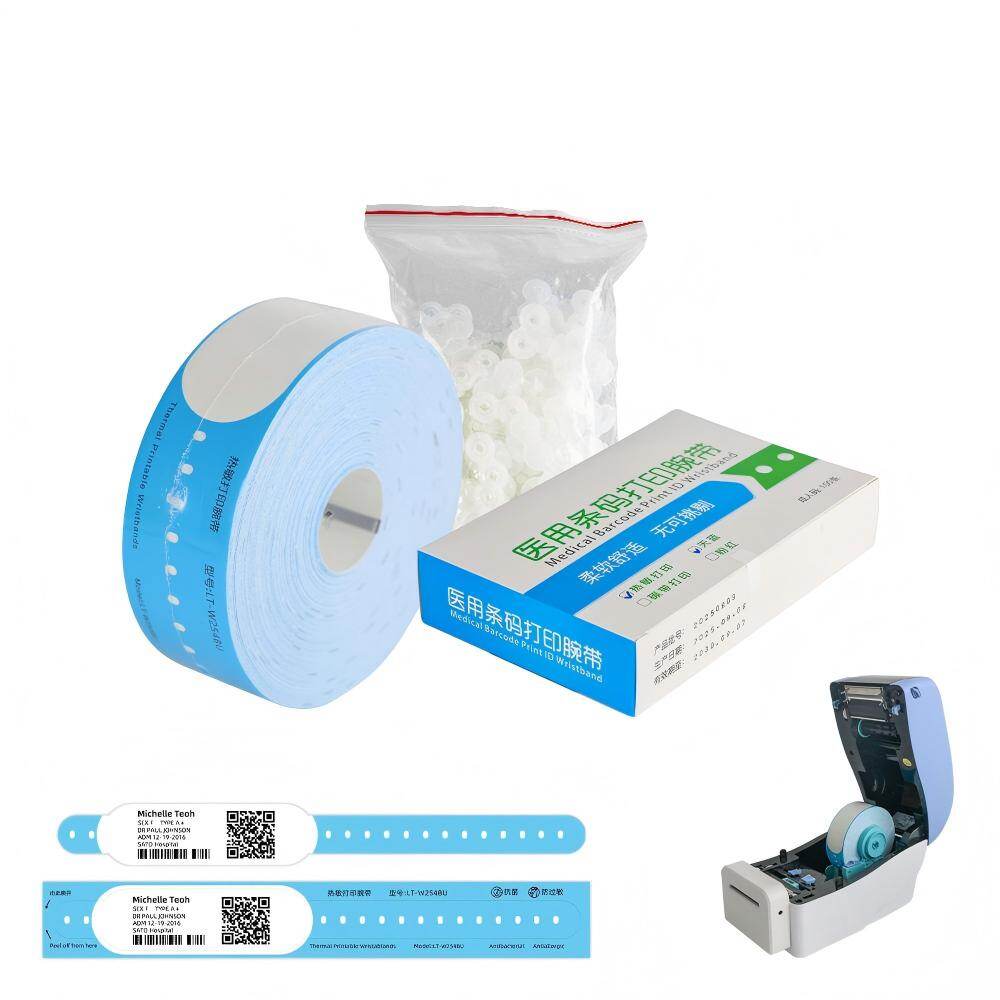
A 2026 price breakdown of patient wristbands by type: handwritten, thermal-printed barcode, RFID smart bands and specialty bands, plus volume discounts, customization costs and total cost of ownership guidance for healthcare procurement.
Newborn ID Wristbands: Matching Mother and Baby Without Errors
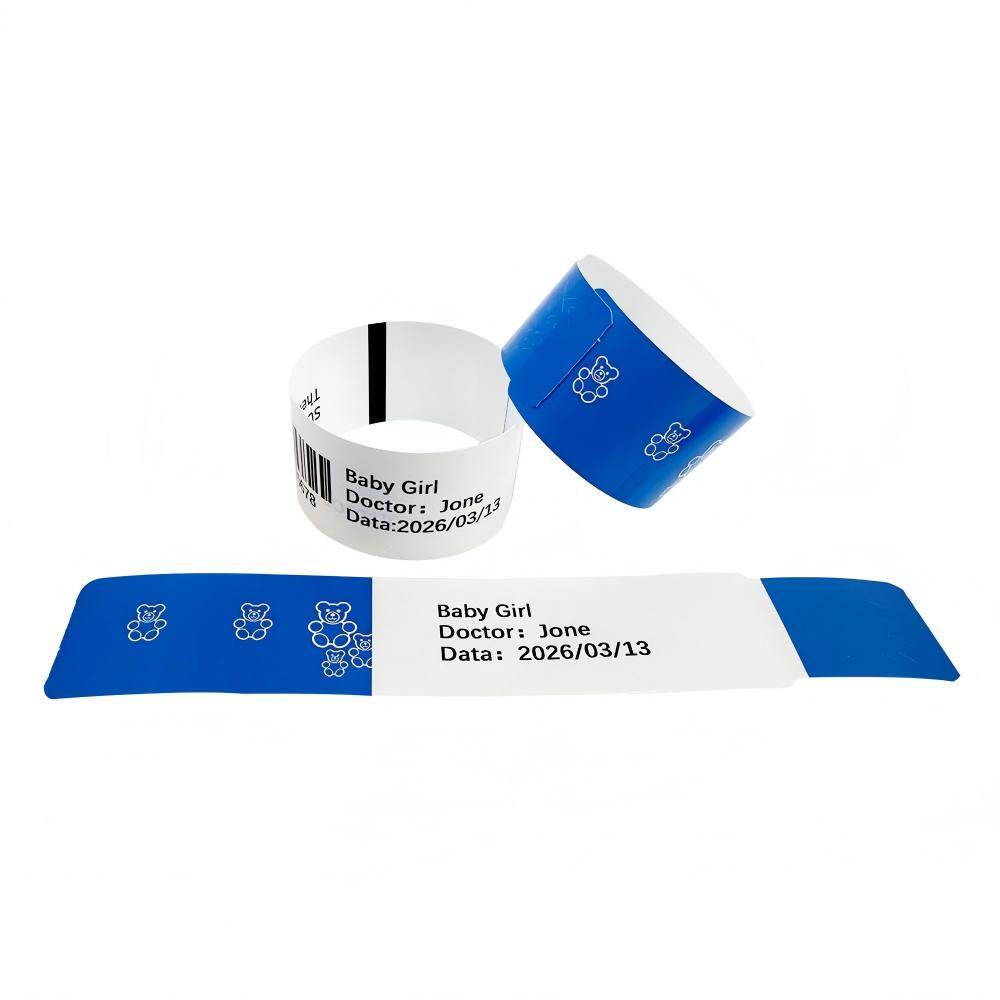
Newborn ID wristbands keep every baby matched to the right mother: soft hypoallergenic bands, matching numbers, barcode and RFID verification, rooming-in protocols, parent education, and audit practices that prevent identification errors in maternity units.
Pediatric Patient Wristbands: Sizing, Safety, and Parent Education
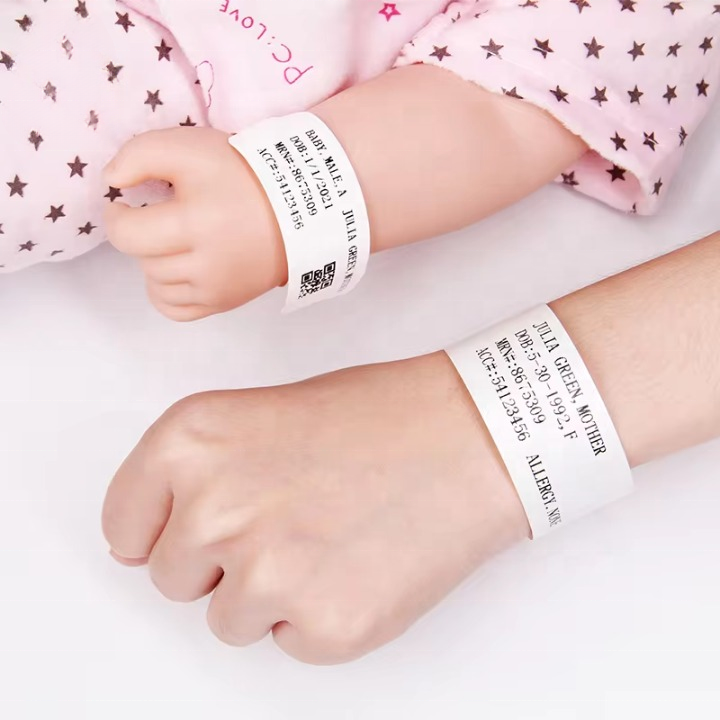
Pediatric patient wristbands demand special care: measured sizing for neonates to adolescents, soft hypoallergenic materials, tamper-evident closures, neurovascular monitoring, and parent education as the third pillar of safe pediatric identification in hospitals.
Wristband Placement on Patients with Edema, Burns, or Amputations
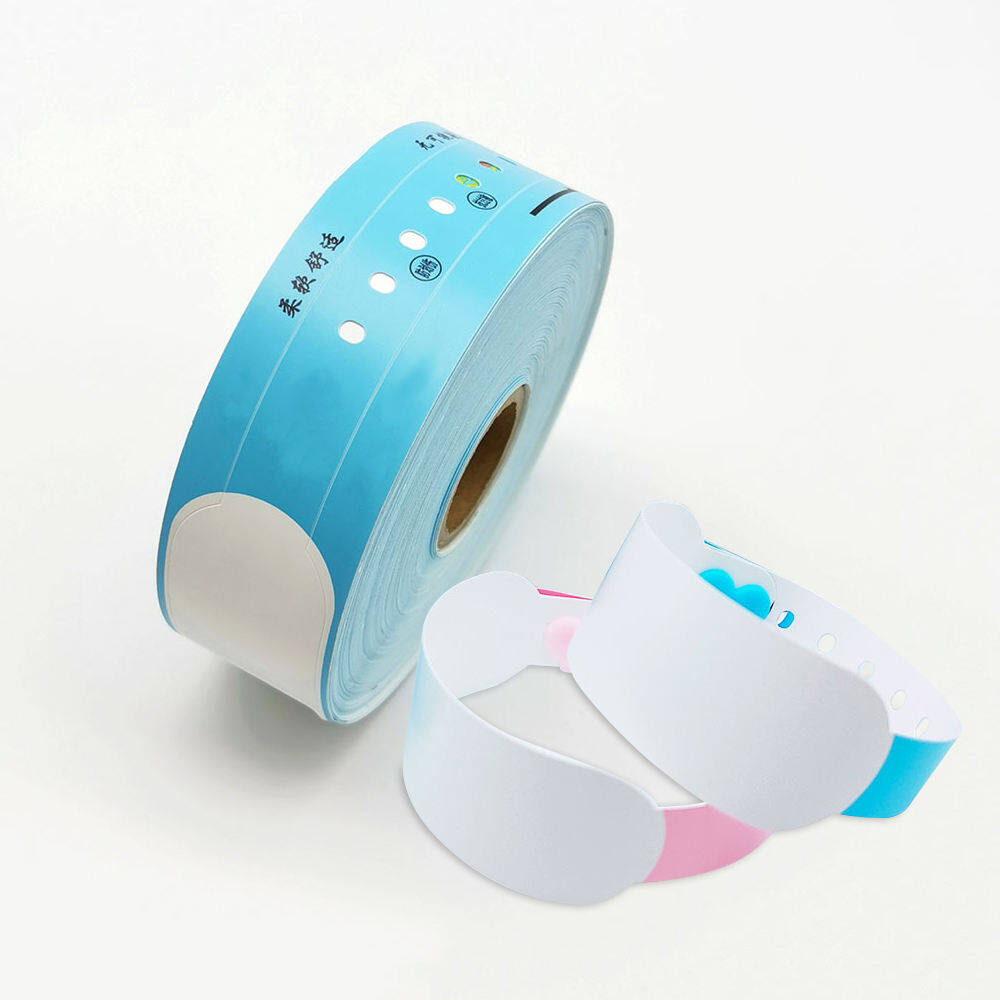
How to place patient identification wristbands on patients with edema, burns, or amputations: assessment considerations, alternative placement sites, adjustable and soft wide bands, monitoring protocols, and safety practices that keep identification accurate without harming compromised tissue.